




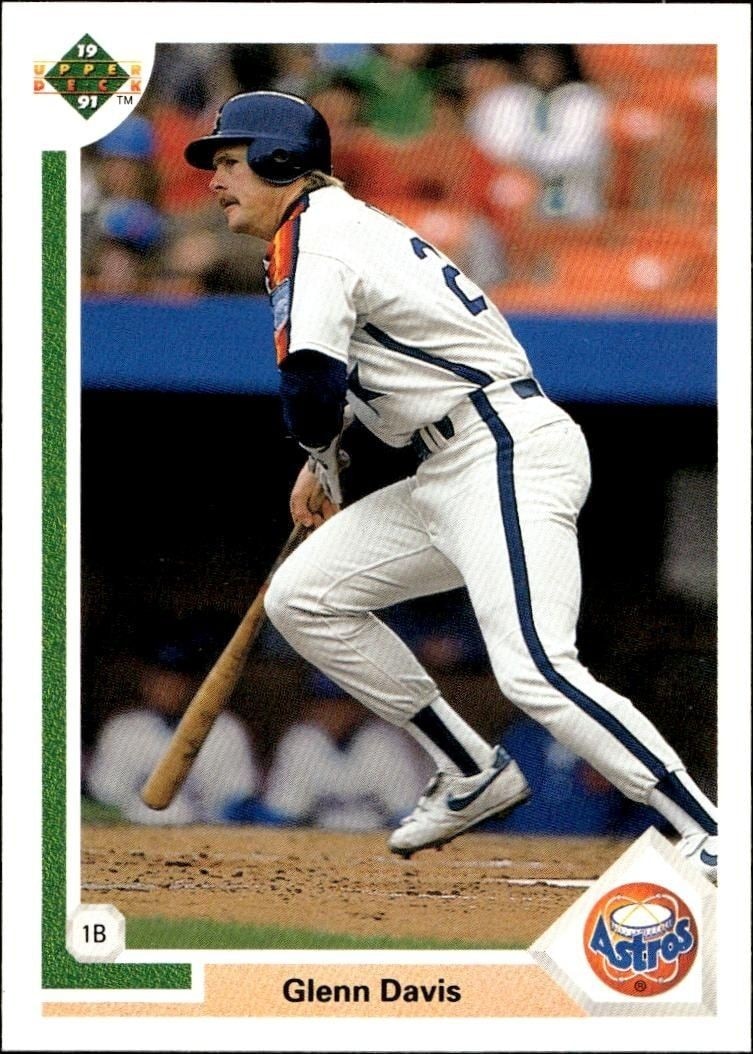

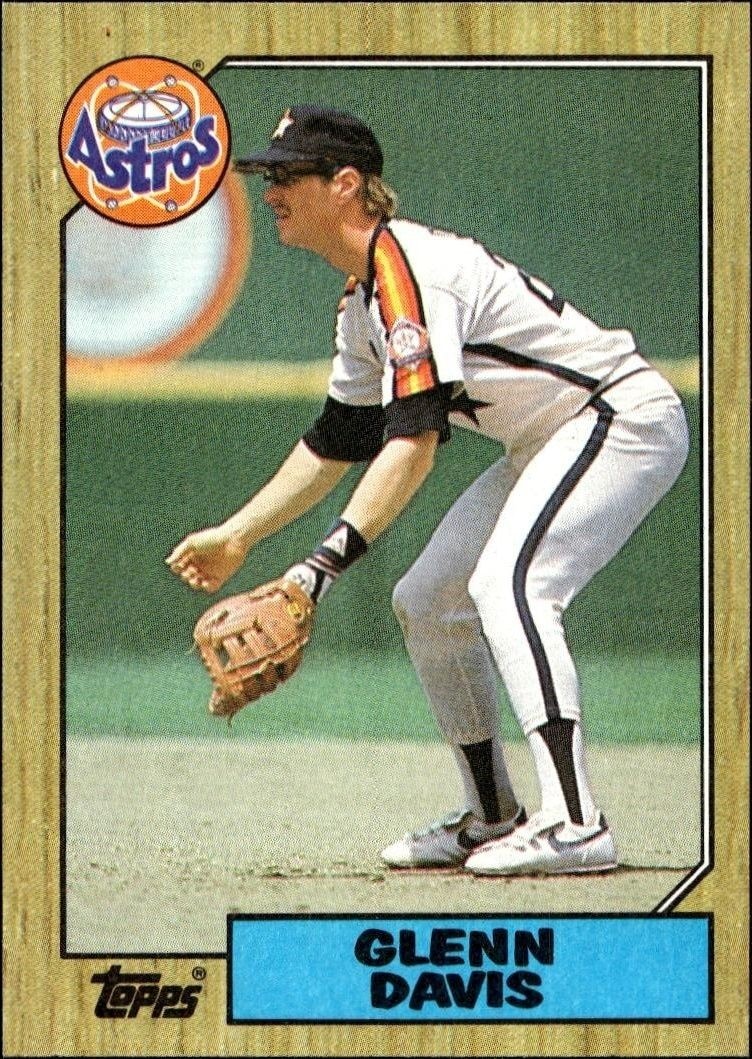
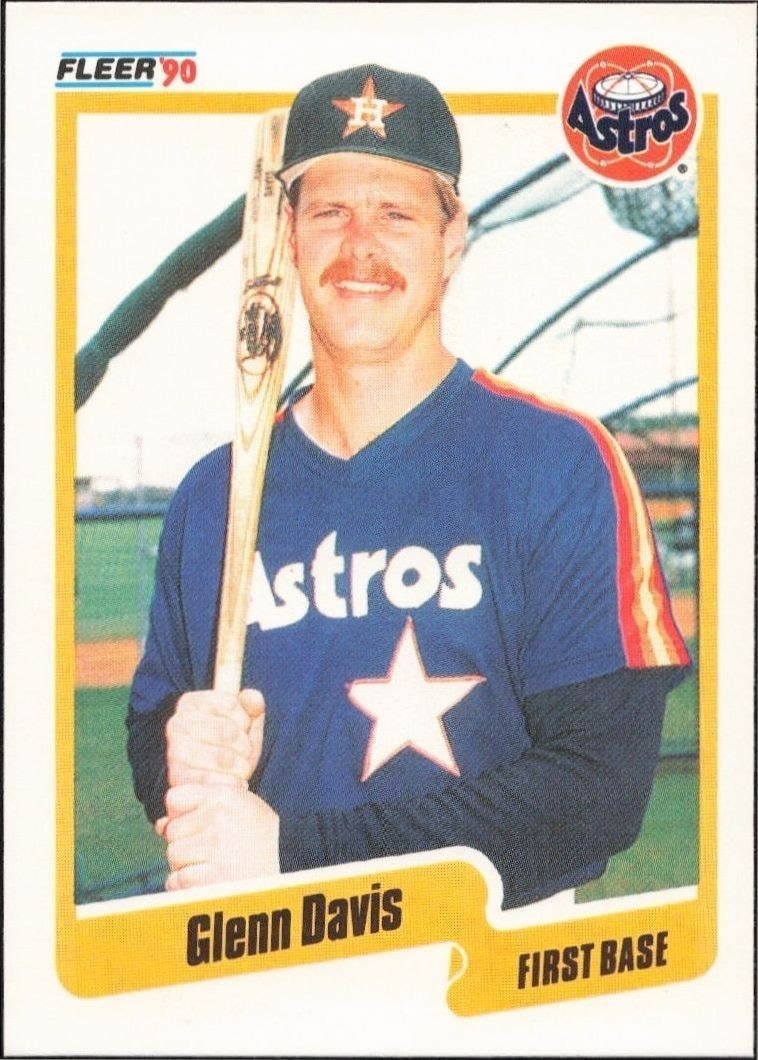
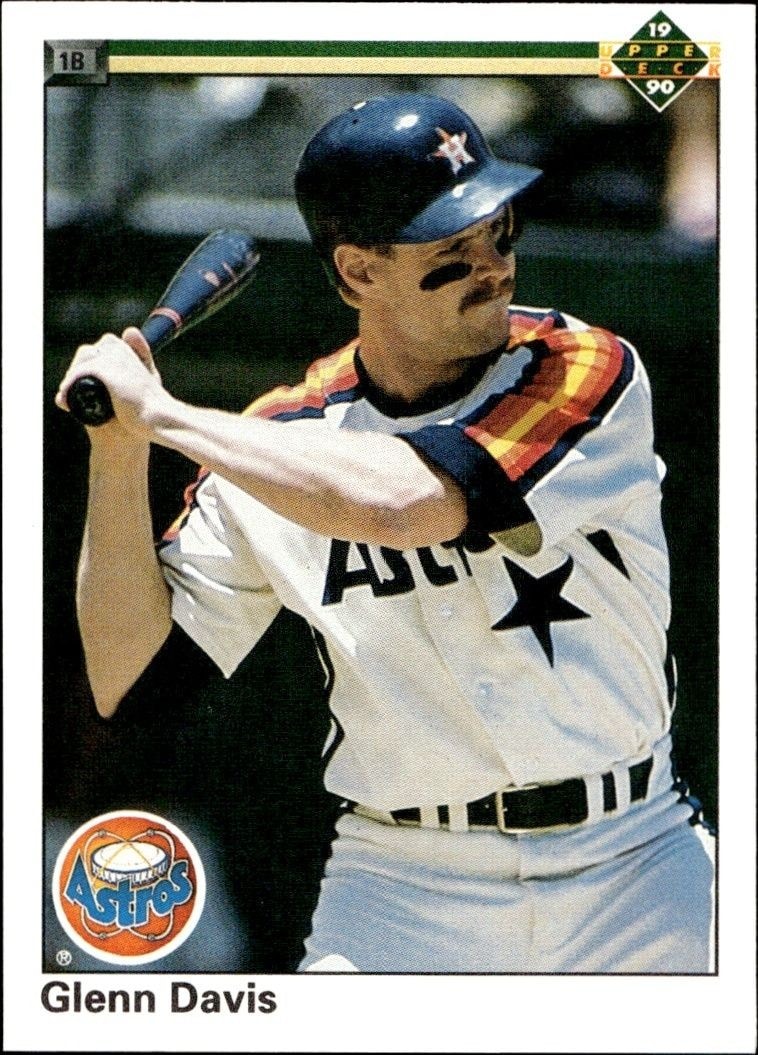
The 1991 Topps Traded Glenn Davis #28T is a baseball card featuring the Baltimore Orioles player, part of the 1991 Topps Traded series.
1991 • Topps • Traded
Major League Baseball • Baltimore Orioles
Excellent
28T
New
Shipping Calculated at Checkout
30-day Returns| Condition | Value | Source | Trend | Price Details |
|---|---|---|---|---|
$0.50As of 10/24/2026 | Guide Estimate | 0% | ||
Raw / Ungraded
PriceCharting Price Guide · Guide Estimate evidence · captured Oct 25, 2026
The 1991 Topps Traded Glenn Davis #28T represents a specific moment in baseball card history for fans of the Baltimore Orioles. Released as part of the 1991 Topps Traded series, this card captures the player during a period of transition within the team's roster. For those building a collection focused on the 1991 season, this card serves as an essential component to complete the subset. Glenn Davis, featured on this card, was a notable figure for the Orioles, and his inclusion in the Traded series highlights the dynamic nature of team rosters during that era. The design of the 1991 Topps Traded cards is distinct, offering a visual contrast to the base set while maintaining the recognizable branding of Topps. Collectors often seek out this card number, 28T, to round out their sets or to focus on players who had significant impact during the early 1990s. The enduring appeal of 1991 Topps products lies in their nostalgic value and the high-quality production associated with the brand. As the market for vintage sports cards continues to grow, items from this era remain highly relevant for both new and experienced collectors. The 1991 Topps Traded Glenn Davis #28T is a testament to the rich history of baseball trading cards, offering a tangible connection to the sport's past. Whether you are a dedicated fan of the Orioles or a generalist collector of 90s baseball, this card is a valuable addition to any portfolio.
11/1/26
We'll pre-fill the product details from this catalog entry, so your listing lands on this exact page. Just add photos of your copy, pick its condition, and set your price.
The catalog profile below summarizes the card identity, featured subject, and notable collectible traits.
The core identity of the card within the set.
The subject, team, league, and sport context tied to this card.
Production details and format-specific attributes.
Material
Card Stock
Language
English
Compare prices, grades, photos, and shipping from approved sellers.
New
Excellent
See how many public collections currently include this card.
0 collectors have this card
FAQ
The 1991 Topps Traded series is significant because it featured mid-season roster changes and updates that were not included in the base set. This made it a crucial component for collectors aiming to complete their 1991 baseball card collections.
Glenn Davis is the player featured on this card, and he is associated with the Baltimore Orioles. This card captures his tenure with the team during the 1991 season, making it a relevant piece for fans of the franchise.
Card #28T is a specific identifier within the 1991 Topps Traded series. Collectors often use card numbers to track their progress in completing the set, and this number helps identify the player and team association within the subset.
Glenn Davis's 1991 Topps Traded card represents a baseline entry point for collectors focusing on Baltimore Orioles history from the early 1990s. As a non-premium base card with no noted special attributes, it trades significantly below the value of his rookie issues or any parallel variations. The current market reflects a volume-driven price tier typical of common cards from this specific era and set.
This card is identified as a standard base issue within the 1991 Topps Traded set, lacking any serial numbering, short-print designation, or unique parallel treatment. Consequently, the supply is determined by the original mass production of the base set rather than limited-edition mechanics. Collectors seeking scarcity in this player's portfolio would need to look beyond this specific base designation.
The investment potential for this specific card is limited by its status as a common base item, which generally lacks the premium mechanics associated with rookie cards or high-end parallels. Demand is primarily driven by nostalgic collectors building specific team or era sets rather than speculative investors seeking appreciation. Long-term value retention relies on the general stability of vintage baseball cards rather than unique attributes of this individual card.


