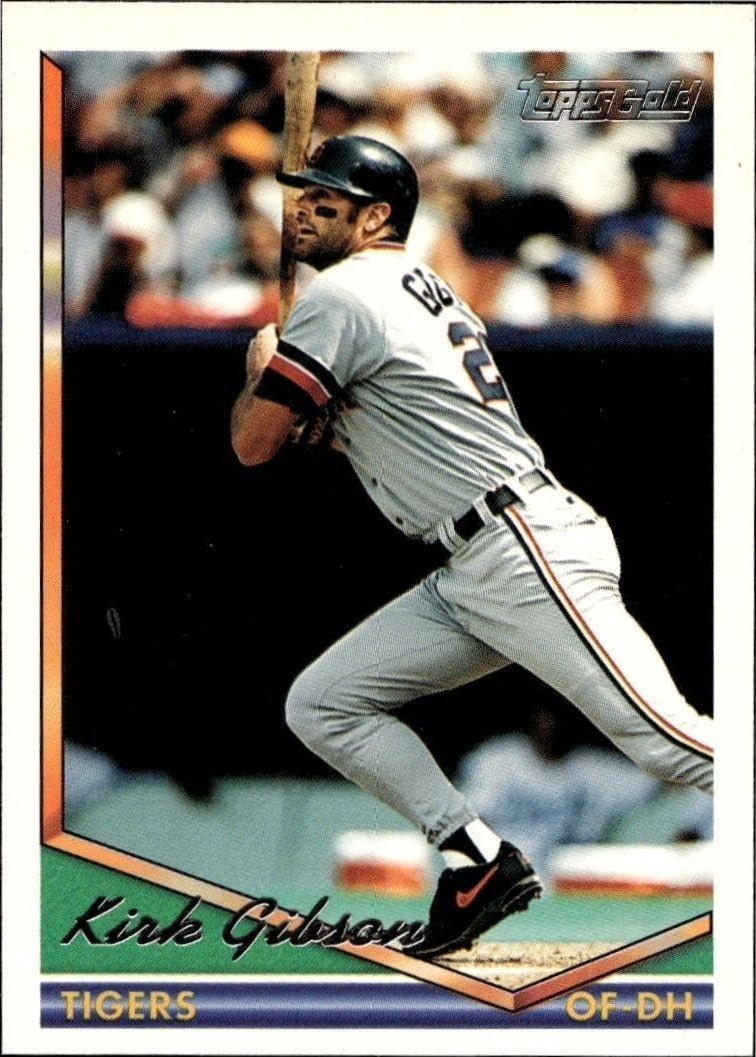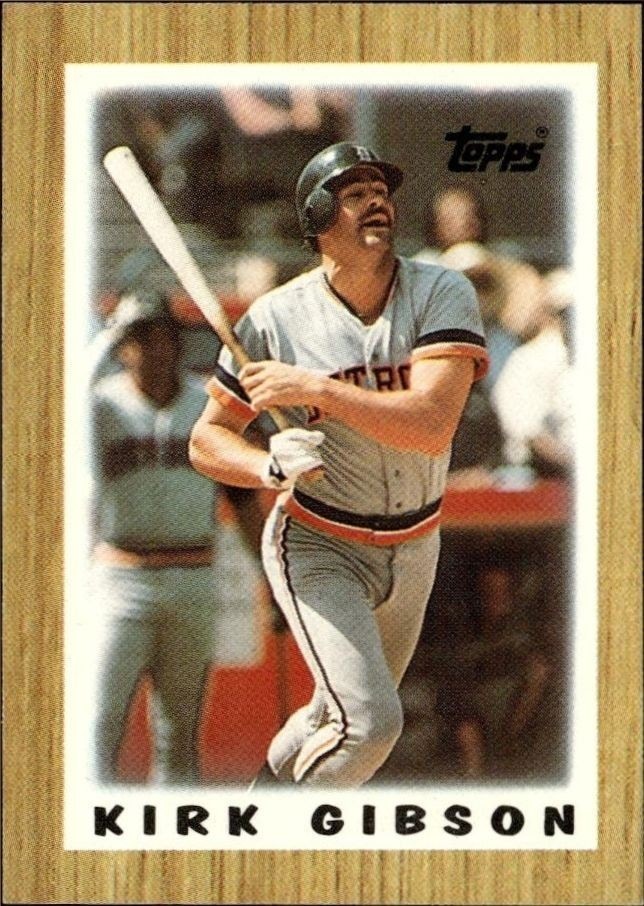


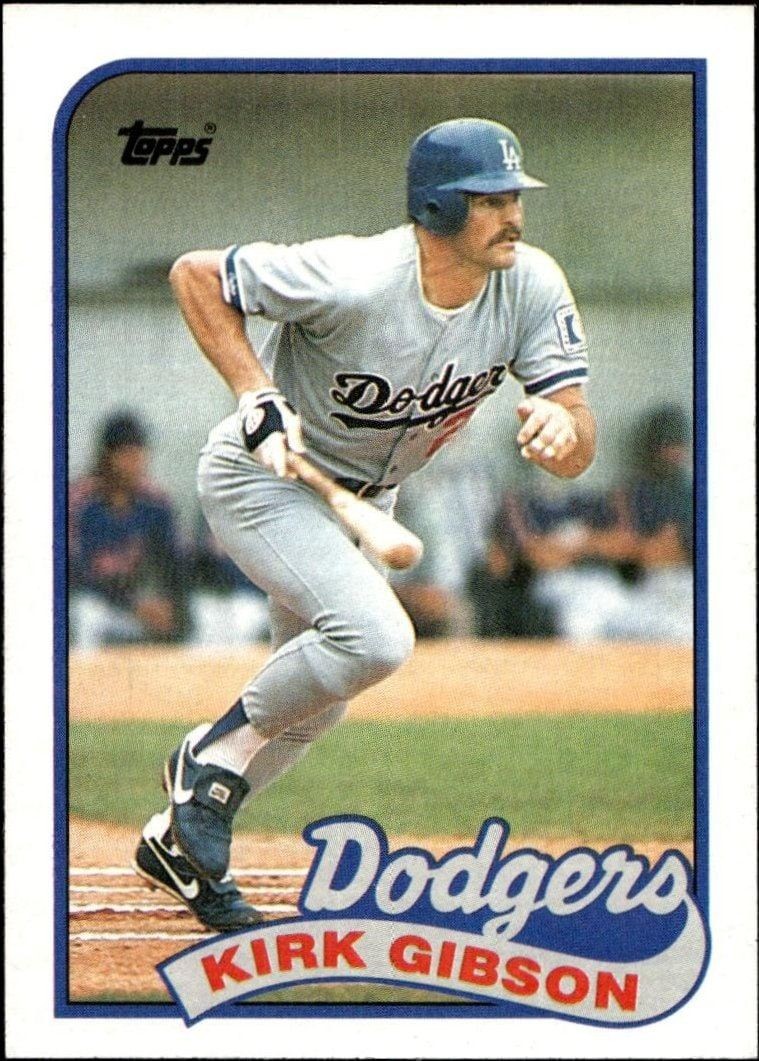


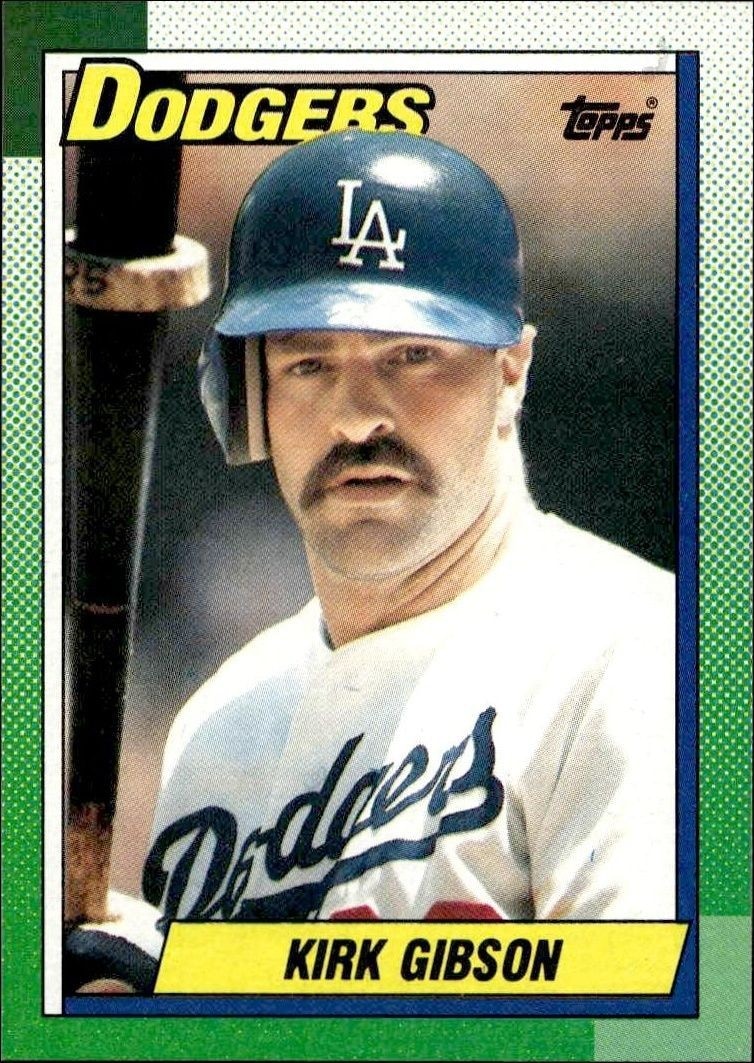


The 1991 Topps Traded Kirk Gibson #46T card features the Kansas City Royals player in the iconic Traded series design, capturing a key moment in 1990s baseball history.
1991 • Topps • Traded
Major League Baseball • Kansas City Royals
Excellent
46T
New
Shipping Calculated at Checkout
This seller is away until 10/19/2026 — orders are still accepted and ship after they return.30-day Returns| Condition | Value | Source | Trend | Price Details |
|---|---|---|---|---|
$0.99 | Guide Estimate | |||
$8.03 | Guide Estimate | |||
$14.99 | Guide Estimate | |||
$29.00 | Guide Estimate | |||
$39.00 | Guide Estimate | |||
$18.00 | Guide Estimate | |||
$29.99 | Guide Estimate | |||
$18.00 | Guide Estimate | |||
Raw / Ungraded
PriceCharting Price Guide · Guide Estimate evidence · captured Oct 6, 2026
History is building. At least two days of matching observations are needed to show a trend.
Each point is the last stored observation that day for this printing, condition, grader, autograph status and source. Gaps mean no observation; guide estimates and asking prices are not completed sales.The 1991 Topps Traded Kirk Gibson #46T baseball card represents a significant entry for enthusiasts of 1990s sports memorabilia. Issued by Topps, this card highlights Gibson during his tenure with the Kansas City Royals, a team that drew considerable attention during this era. Collectors often seek out this card to complete sets or as a standalone piece representing a specific player and team combination from the early 1990s. The design of the 1991 Topps Traded set provides a distinct visual identity that separates it from the base release, appealing to those who appreciate the nuances of set collecting. Whether you are building a comprehensive collection of Gibson’s career or focusing on Royals history, this card serves as a tangible link to that period. The enduring appeal of Topps products ensures that cards from this era remain relevant in the collecting community. By focusing on the subject, year, and brand, collectors can identify the precise card needed for their portfolio without distraction. This product stands as a testament to the detailed cataloging required for serious enthusiasts who value accuracy and completeness in their acquisitions. For those interested in the broader scope of baseball card collecting, understanding the specific attributes of each release, such as the card number and team affiliation, is crucial. The 1991 Topps Traded #46T offers a straightforward yet valuable addition to any library, bridging the gap between casual interest and dedicated set completion.
23 hours ago
We'll pre-fill the product details from this catalog entry, so your listing lands on this exact page. Just add photos of your copy, pick its condition, and set your price.
The catalog profile below summarizes the card identity, featured subject, and notable collectible traits.
The core identity of the card within the set.
The subject, team, league, and sport context tied to this card.
Production details and format-specific attributes.
Material
Card Stock
Language
English
Compare prices, grades, photos, and shipping from approved sellers.
New
Excellent
See how many public collections currently include this card.
0 collectors have this card
This 1991 Topps Traded Kirk Gibson card represents a foundational entry point for collectors of the former Kansas City Royals star, trading at a modest tier relative to his more iconic postseason performances. As a standard base card from a high-volume production set, it lacks the condition premiums seen in graded examples, placing it firmly in the accessible collector segment. Its value is driven primarily by the player's name recognition rather than any specific scarcity or rarity within the set.
The card possesses no special scarcity attributes, such as serial numbering, short printing, or parallel finishes, indicating it is a standard base issue within the 1991 Topps Traded set. This lack of distinguishing features means the supply is effectively unlimited relative to collector demand, as it was produced in high volumes alongside other base inserts. Consequently, the card relies entirely on the player's appeal rather than any mechanical constraint on its availability.
While the card is a rookie-year adjacent item from a major brand, it does not carry the rookie-card premium mechanics typically associated with higher investment potential. Demand is likely steady among casual collectors seeking affordable Gibson memorabilia from the early 1990s, but it lacks the specialized parallel or limited edition drivers that fuel speculative growth. Investors should view this as a low-risk, low-reward holding suitable for completing base sets rather than a vehicle for significant appreciation.