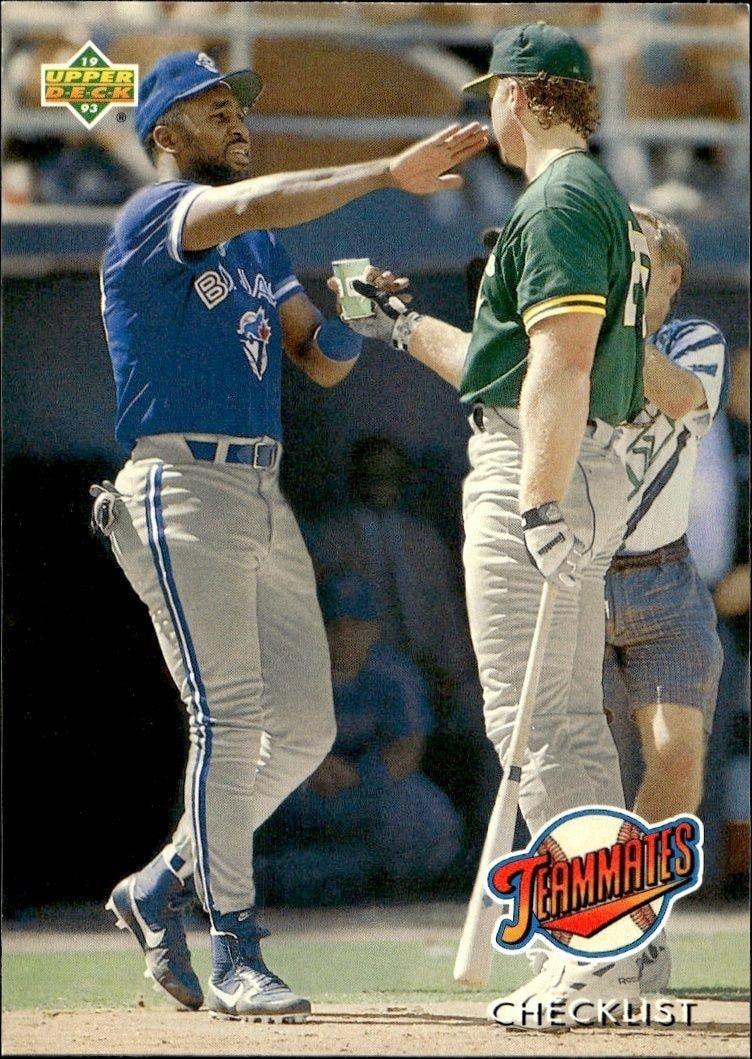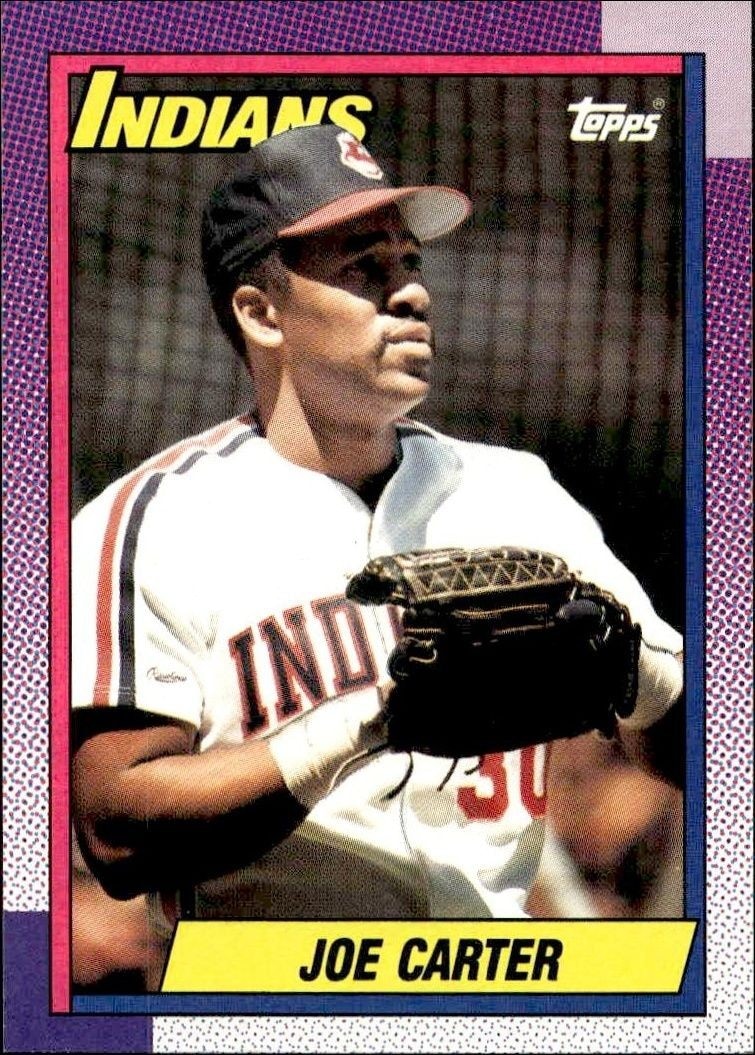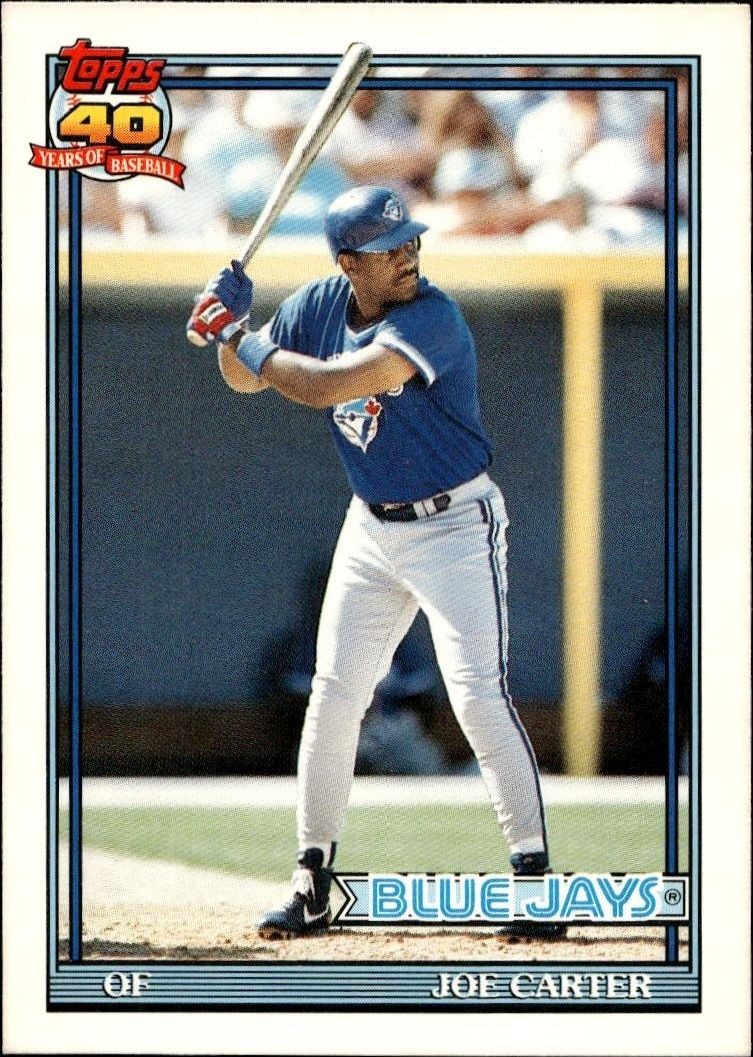

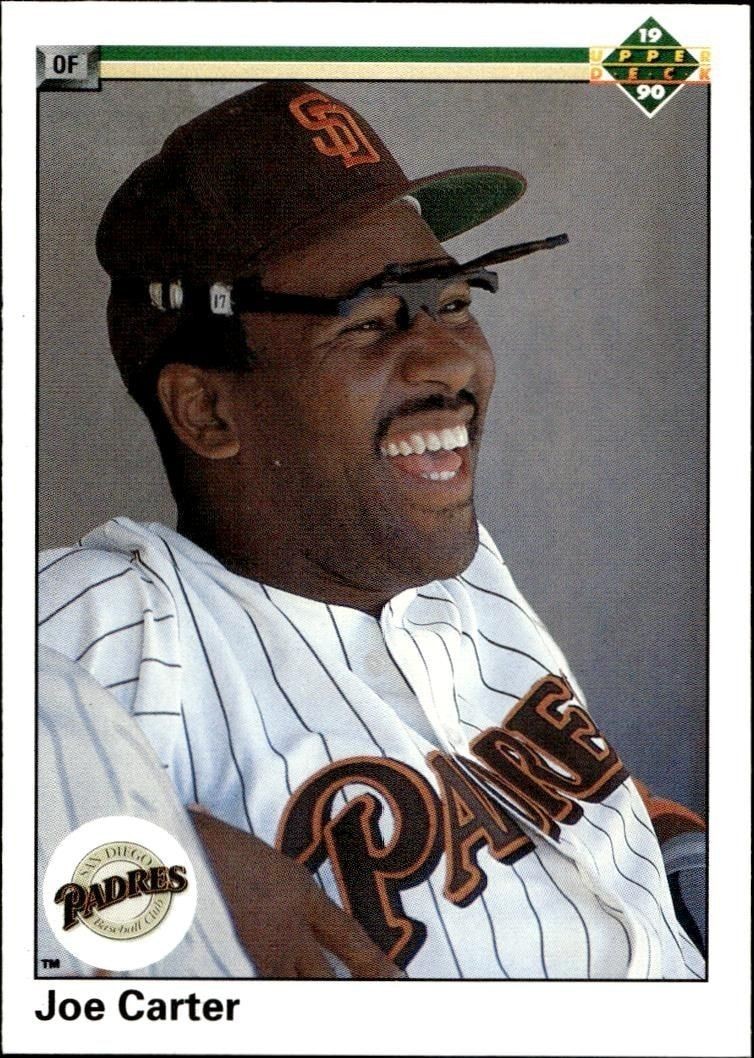


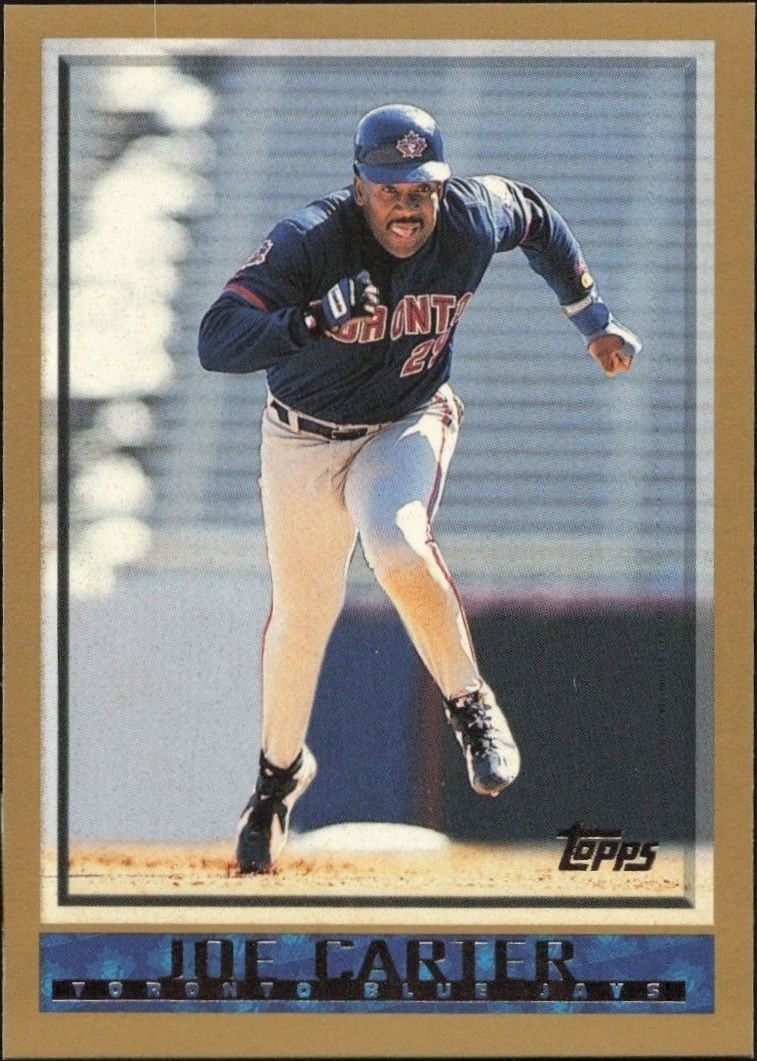


This 1991 Upper Deck High Number baseball card features Toronto Blue Jays star Joe Carter, identified by card number 765 in the series.
1991 • Upper Deck • High Number
Major League Baseball • Toronto Blue Jays
Near Mint
765
New
Shipping Calculated at Checkout
Arrives in 5-7 daysEstimated delivery October 23, 2026 - October 25, 2026
Seller returns October 19, 2026.30-day Returns| Condition | Value | Source | Trend | Price Details |
|---|---|---|---|---|
$1.42As of 9/28/2026 | Guide Estimate | |||
$10.00As of 9/28/2026 | Guide Estimate | |||
$5.00As of 9/28/2026 | Guide Estimate | |||
$7.50As of 9/28/2026 | Guide Estimate | |||
$5.00As of 9/28/2026 | Guide Estimate | |||
Raw / Ungraded
PriceCharting Price Guide · Guide Estimate evidence · captured Sep 29, 2026
History is building. At least two days of matching observations are needed to show a trend.
Each point is the last stored observation that day for this printing, condition, grader, autograph status and source. Gaps mean no observation; guide estimates and asking prices are not completed sales.The 1991 Upper Deck High Number series offers collectors a distinct entry point into early 90s baseball memorabilia, with card #765 highlighting Joe Carter during his tenure with the Toronto Blue Jays. This release is categorized under the High Number subset, providing a unique identifier for enthusiasts looking to complete specific sets or track the progression of the brand's design evolution. Joe Carter, a key figure for the Blue Jays, is featured prominently on this card. For collectors, this card represents a tangible piece of sports history, allowing fans to connect with the era through tangible media. Collecting cards from this period often appeals to those interested in the visual style and production techniques of the early 1990s. The 1991 Upper Deck High Number #765 serves as a valuable component for those building comprehensive collections or focusing on specific teams like the Toronto Blue Jays. Whether you are a long-time fan of Joe Carter or a historian of baseball card design, this catalog entry provides a structured way to identify and acquire this piece of the series. By focusing on the catalog details, collectors can make informed decisions about their acquisitions, knowing exactly which player, set, and card number they are adding to their portfolio. This approach ensures clarity and precision in the collecting process.
20 hours ago
We'll pre-fill the product details from this catalog entry, so your listing lands on this exact page. Just add photos of your copy, pick its condition, and set your price.
The catalog profile below summarizes the card identity, featured subject, and notable collectible traits.
The core identity of the card within the set.
The subject, team, league, and sport context tied to this card.
Production details and format-specific attributes.
Material
Card Stock
Language
English
Compare prices, grades, photos, and shipping from approved sellers.
New
Near Mint
See how many public collections currently include this card.
0 collectors have this card
This 1991 Upper Deck High Number card represents a foundational entry point for Joe Carter collectors, trading well below the premium tiers associated with his 1993 World Series performance memorabilia. Its current positioning reflects the broader market behavior for standard base cards from the early 90s, where condition sensitivity heavily dictates value over raw popularity alone. While it does not command the same historical premium as his iconic home run cards, it remains a relevant asset for completists seeking to fill the gaps in a complete set run.
As a standard base card within the High Number subset, this item lacks the supply constraints inherent to serial-numbered parallels, short-print inserts, or one-of-one variations. The absence of special attributes means its scarcity is driven entirely by natural wear and tear over time rather than intentional production limits. Consequently, the supply pool is significantly larger than its counterpart limited-edition releases, keeping its individual rarity profile low relative to the rest of the product line.
Investment potential for this specific slab is limited by its status as a non-premium parallel, meaning it will likely track the general market trends for 1990s baseball rather than outperform them. Demand is primarily driven by set-builders needing this specific card to complete a collection, rather than speculative investors seeking appreciation. Long-term value stability relies on the continued presence of Joe Carter in the collector's consciousness, but this base card alone offers minimal upside compared to his rookie or championship-year highlights.