



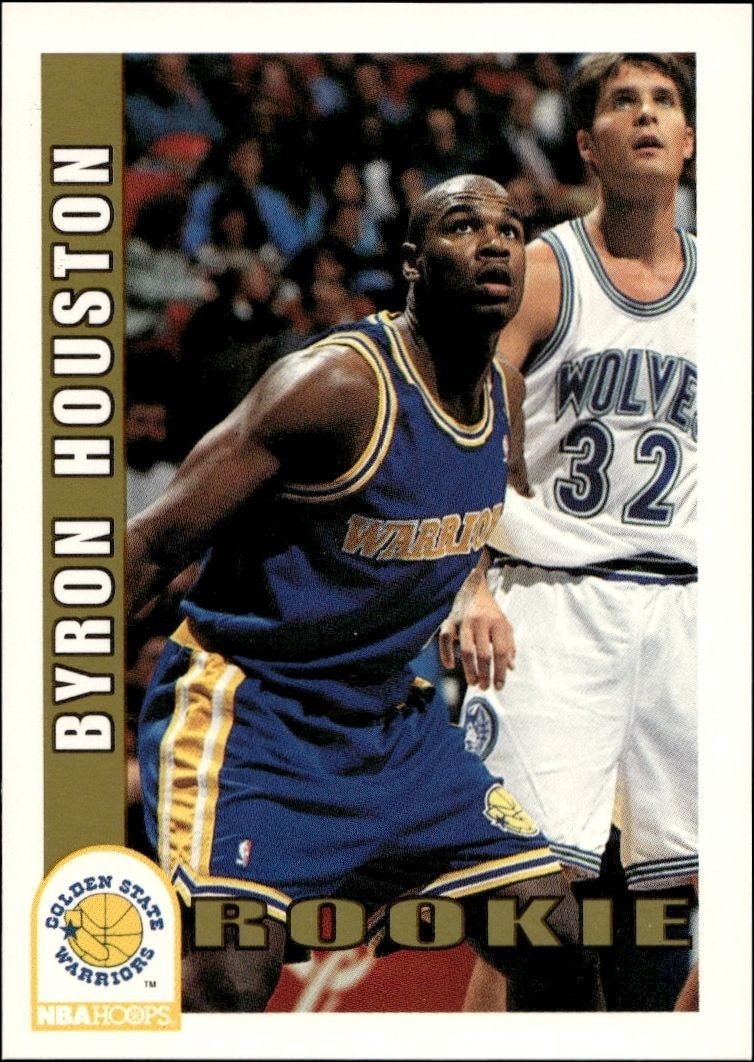


The 1992-93 Fleer Byron Houston #340 basketball card captures a key moment in Golden State Warriors history. This product represents the specific card identity for collectors seeking this era.
1992-93 • Fleer
National Basketball Association • Golden State Warriors
Excellent
340
New
Shipping Calculated at Checkout
This seller is away until 10/19/2026 — orders are still accepted and ship after they return.30-day Returns| Condition | Value | Source | Trend | Price Details |
|---|---|---|---|---|
$0.25 | Guide Estimate | 0% | ||
Raw / Ungraded
PriceCharting Price Guide · Guide Estimate evidence · captured Oct 18, 2026
The 1992-93 Fleer Byron Houston #340 basketball card is a notable entry for enthusiasts of vintage NBA collectibles. Released during a pivotal period for the Golden State Warriors, this card number helps define the brand's identity for that season. Fleer established itself as a major player in the sports card market with bold designs and comprehensive rosters, making their releases from the early 1990s highly relevant for set builders. Byron Houston spent a significant portion of his career with the Warriors, and cards featuring him from this timeframe are essential for collectors focusing on team history or complete set assembly. The #340 designation places this card within the base set, offering a straightforward yet valuable piece for those tracking the franchise's roster changes. For investors and hobbyists alike, understanding the context of this release helps in appreciating its place in basketball memorabilia history. Collecting cards from the 1992-93 Fleer series allows enthusiasts to explore the visual style and roster composition of that specific year. Whether you are building a personal archive, gifting to a fellow Warriors fan, or curating a portfolio of vintage basketball cards, this product provides a direct link to that era. By focusing on precise set identification and subject relevance, we help streamline the search for dedicated fans. The appeal of this card lies in its historical accuracy and its role in the broader narrative of the Warriors' development during the early 90s. As basketball memorabilia continues to gain interest, cards like the Byron Houston #340 serve as tangible artifacts of the sport's evolution. Collectors often prioritize these specific releases to complete their annual collections or to highlight key players from their favorite teams.
3 hours ago
We'll pre-fill the product details from this catalog entry, so your listing lands on this exact page. Just add photos of your copy, pick its condition, and set your price.
The catalog profile below summarizes the card identity, featured subject, and notable collectible traits.
The subject, team, league, and sport context tied to this card.
Production details and format-specific attributes.
Material
Card Stock
Language
English
Compare prices, grades, photos, and shipping from approved sellers.
New
Excellent
See how many public collections currently include this card.
0 collectors have this card
This 1992-93 Fleer card of Byron Houston represents a baseline entry point within the NBA market, trading at a modest tier relative to the broader set due to its lack of special attributes. As a role player for the Golden State Warriors during this era, it does not command the significant premiums seen with star athletes or highly sought-after rookies. The current market positioning reflects standard supply levels for base cards from this specific product run, making it an accessible item for casual collectors rather than high-end investors.
The card is a standard base issue from the 1992-93 Fleer set, meaning it carries no serial numbering, short-print designations, or parallel variations that would artificially constrain supply. Without these scarcity mechanics, the population of this specific card remains high, leading to abundant availability in the secondary market. This lack of unique identifying features ensures that it trades as a common commodity rather than a rare piece.
As a non-rookie card for a player who did not achieve widespread stardom or longevity as a primary franchise cornerstone, the demand drivers are limited to general nostalgia for the early 1990s era. The absence of rookie-card status or special parallel treatments suggests a flat appreciation trajectory, with value largely dependent on the general health of the vintage basketball card market rather than individual player metrics. Collectors are more likely to pursue this item as part of a complete set assembly or team collection rather than for standalone investment growth.