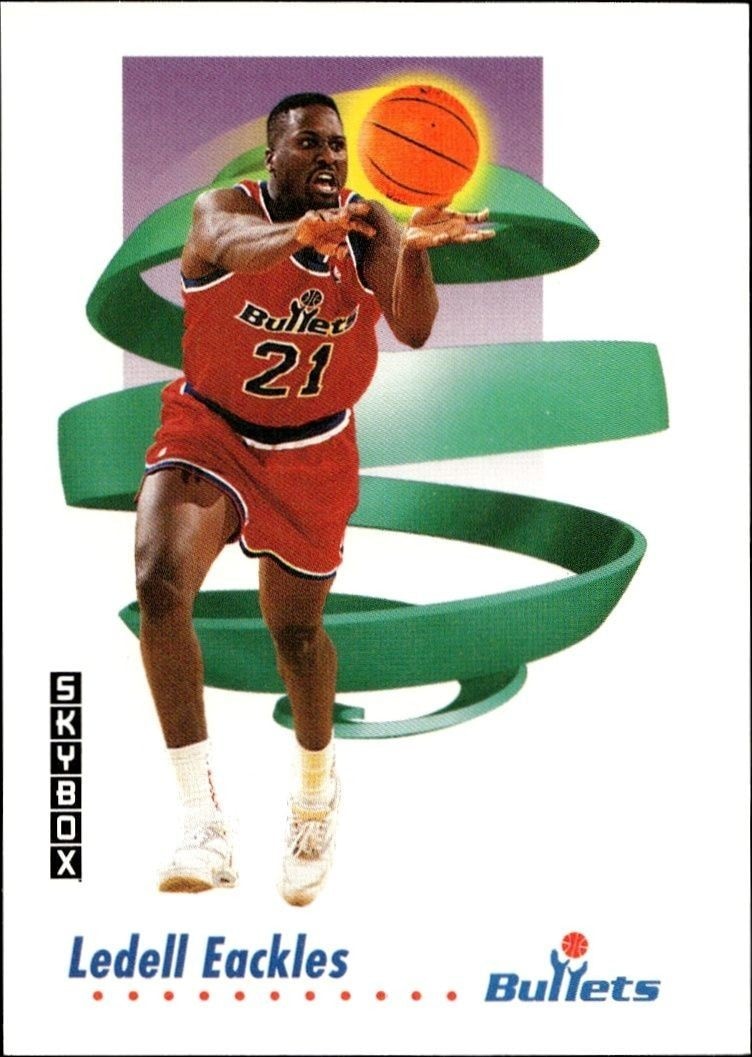
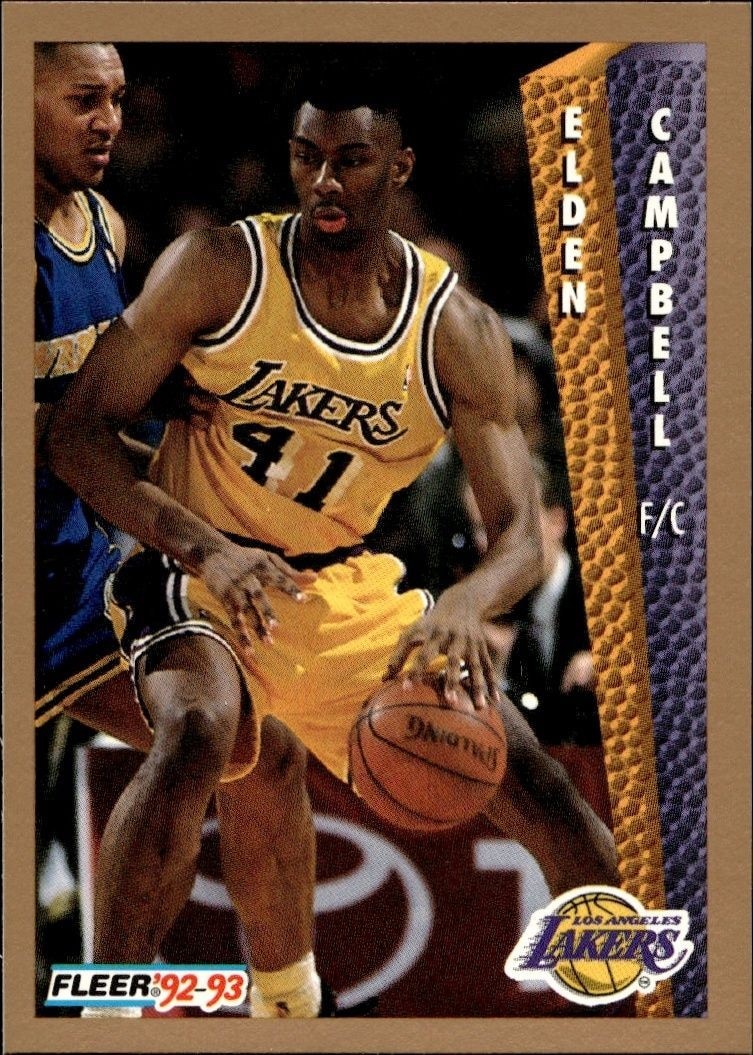





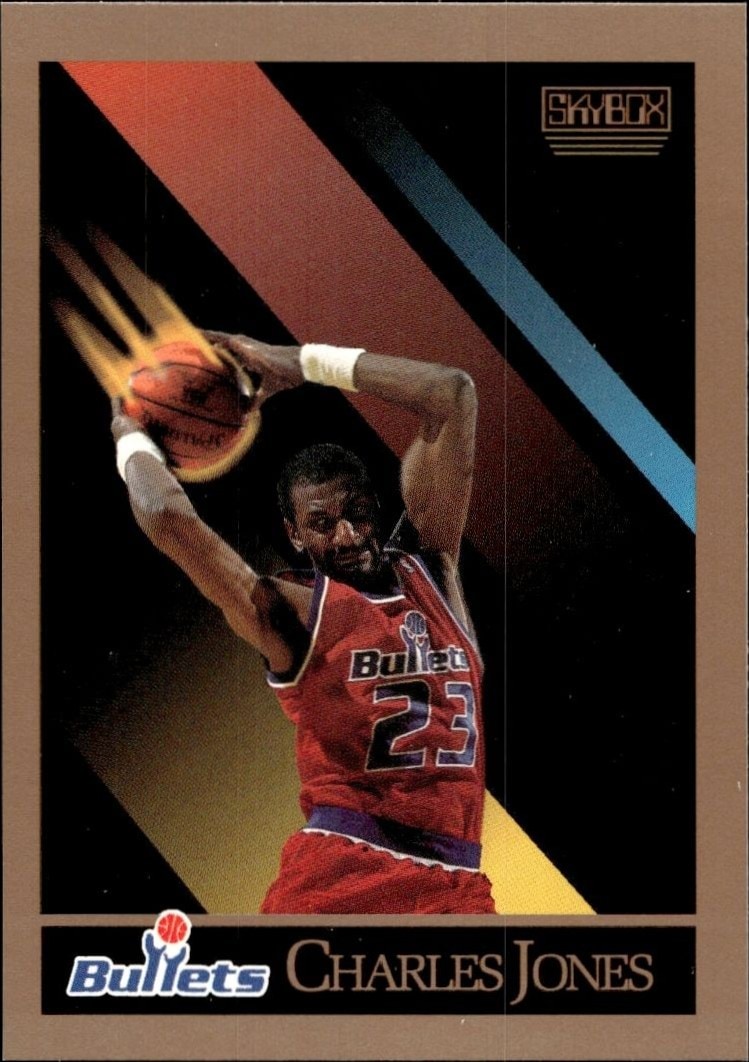
The 1992-93 Fleer #439 Charles Jones card captures the Washington Bullets forward during his NBA career. This vintage basketball trading card is a staple for collectors of 1990s NBA memorabilia.
1992-93 • Fleer
National Basketball Association • Washington Bullets
Excellent
439
New
Shipping Calculated at Checkout
This seller is away until 10/19/2026 — orders are still accepted and ship after they return.30-day Returns| Condition | Value | Source | Trend | Price Details |
|---|---|---|---|---|
$0.25As of 9/21/2026 | Guide Estimate | 0% | ||
Raw / Ungraded
PriceCharting Price Guide · Guide Estimate evidence · captured Sep 22, 2026
The 1992-93 Fleer #439 Charles Jones card represents a specific moment in NBA history, capturing the Washington Bullets forward during a transitional era for the franchise. Released by Fleer, this product is part of a series that defined the visual identity of basketball trading cards in the early 1990s. The design features Jones in his Bullets uniform, offering a tangible connection to players who competed on the court during the 1992-93 season. For collectors focusing on NBA history, this card serves as a key component in building comprehensive sets of vintage basketball releases. The straightforward presentation of the subject allows the card to stand as a historical record of Jones's time in the league. As interest in 1990s sports memorabilia continues to grow, cards from this era provide an accessible entry point for new enthusiasts and seasoned investors alike. The 1992-93 Fleer set remains a benchmark for mid-decade basketball card design, and Charles Jones #439 is an essential piece for those tracking the complete roster of the Washington Bullets. Whether you are completing a set of Fleer releases or collecting cards of specific NBA players, this card offers a direct link to the past. The enduring appeal of vintage basketball cards lies in their ability to preserve the memories of past seasons and the athletes who played them. This card is a testament to that legacy, providing a physical artifact from a pivotal time in professional basketball.
2 hours ago
We'll pre-fill the product details from this catalog entry, so your listing lands on this exact page. Just add photos of your copy, pick its condition, and set your price.
The catalog profile below summarizes the card identity, featured subject, and notable collectible traits.
The subject, team, league, and sport context tied to this card.
Production details and format-specific attributes.
Material
Card Stock
Language
English
Compare prices, grades, photos, and shipping from approved sellers.
New
Excellent
See how many public collections currently include this card.
0 collectors have this card
This 1992-93 Fleer Charles Jones card sits in a low-entry tier, reflecting its status as a common base card from a saturated era of basketball production. While the player holds historical significance with the Washington Bullets, the lack of special attributes limits its premium potential compared to rookie or autographed counterparts. Current market positioning suggests it trades at a modest price point, appealing primarily to bulk buyers or collectors completing specific set milestones rather than serious investors seeking appreciation.
The card is identified as a standard base issue within the Fleer brand, meaning it carries no serial numbering, short-print designations, or parallel variations to constrain supply. As a non-specialized item, its availability is driven by the original mass production run typical of early 1990s basketball sets, resulting in a high population of identical copies in the market. Without unique scarcity mechanics, the card relies entirely on condition quality rather than inherent rarity to differentiate itself from other copies.
Given its classification as a common base card from a high-volume set, this item lacks the scarcity drivers necessary for significant long-term value growth. Collector demand is likely limited to those finishing specific team or player sets, resulting in stable but minimal market activity. Investors should view this as a low-risk acquisition for collection completeness rather than a vehicle for capital appreciation, as the abundant supply and lack of special features cap its upside potential.