





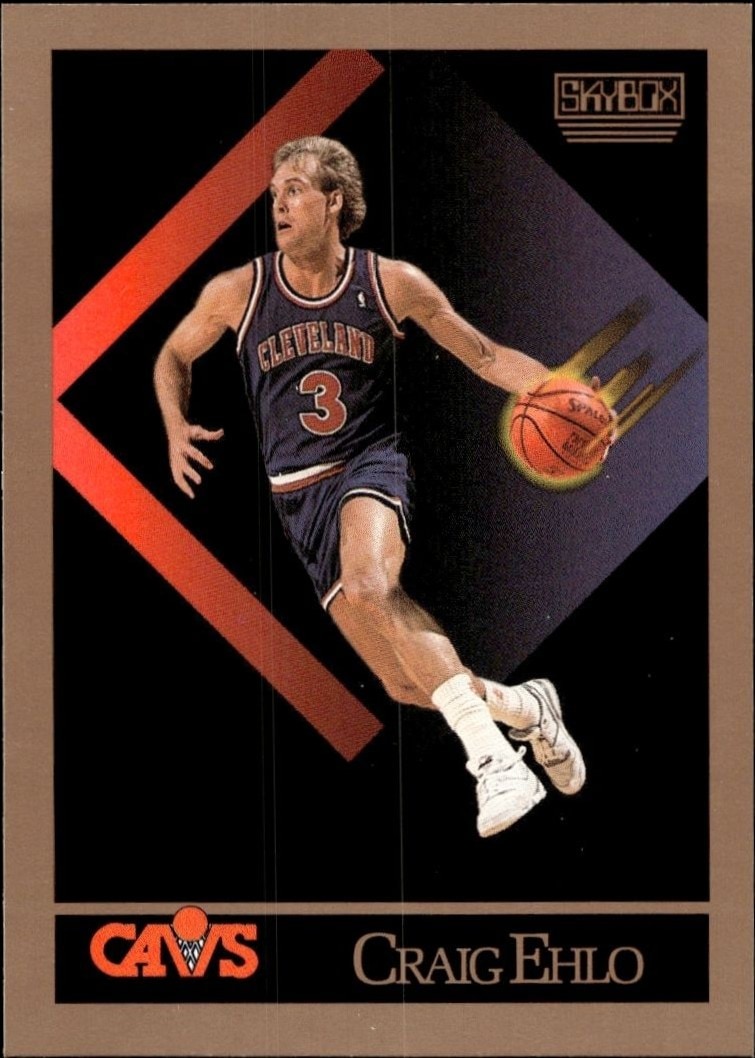


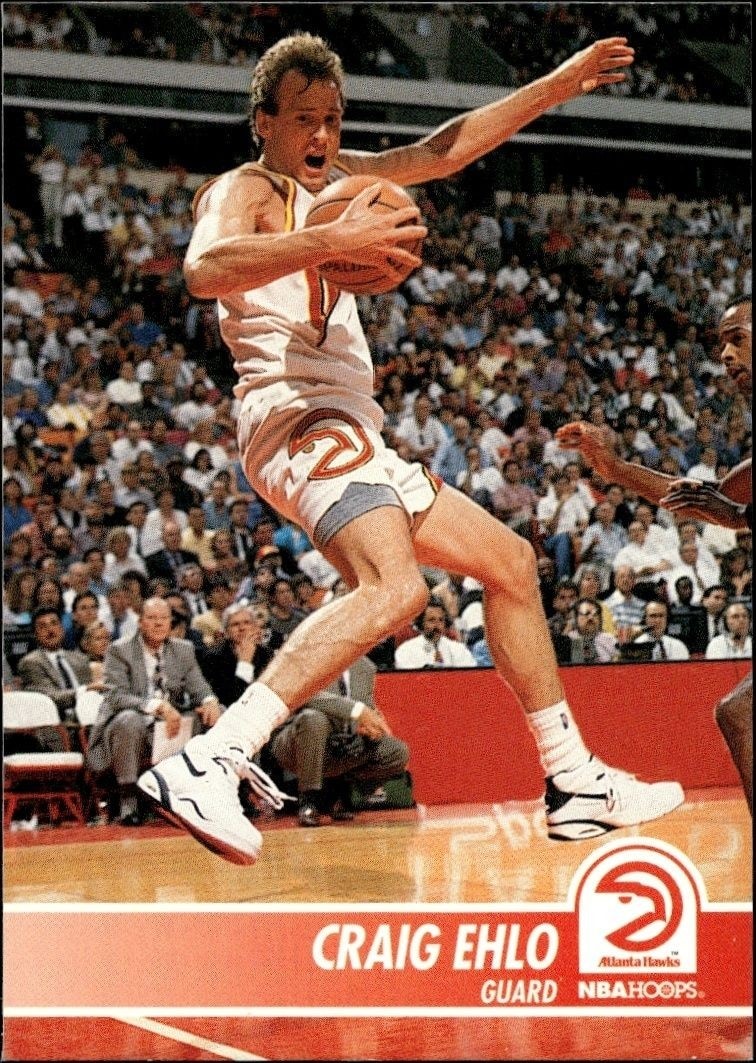
The 1992-93 Fleer Craig Ehlo #41 basketball card captures the Cavaliers guard during the NBA season. A staple of early 90s sports card collecting.
1992-93 • Fleer
National Basketball Association • Cleveland Cavaliers
Excellent
41
New
Shipping Calculated at Checkout
This seller is away until 10/19/2026 — orders are still accepted and ship after they return.30-day Returns| Condition | Value | Source | Trend | Price Details |
|---|---|---|---|---|
$1.08 | Asking Prices | |||
Raw / Ungraded
eBay Active Listings · Asking Prices evidence · captured Oct 7, 2026
History is building. At least two days of matching observations are needed to show a trend.
Each point is the last stored observation that day for this printing, condition, grader, autograph status and source. Gaps mean no observation; guide estimates and asking prices are not completed sales.The 1992-93 Fleer Craig Ehlo #41 basketball card represents a specific moment in NBA history, featuring the Cleveland Cavaliers guard during the 1992-93 season. Fleer released this series during a pivotal era for basketball collectibles, establishing design standards that many collectors still reference today. As card number 41 in the base set, this product is a fundamental component for enthusiasts building a complete collection of the 1992-93 Fleer release. Craig Ehlo played a significant role for the Cavaliers, known for his defensive intensity and clutch shooting during his tenure in Cleveland. This card serves as a tangible link to that period of franchise history. Collectors often seek out base cards from this era to complete their sets or to add affordable, accessible pieces to their portfolios. The 1992-93 Fleer brand remains a popular choice for those interested in the transition period of basketball trading cards, offering a distinct aesthetic that defines the early 90s. For investors and hobbyists alike, this card offers a low-cost entry point into the 1992-93 Fleer universe. While it may not command the highest premiums compared to rookie cards or autographed inserts, it holds steady value due to its ubiquity and the enduring popularity of the Fleer brand. Completing a base set requires every number, making #41 an essential piece for the diligent builder. The appeal of the 1992-93 Fleer Craig Ehlo #41 card lies in its simplicity and historical context. It represents the standard basketball card format of the time, with clean borders and straightforward photography that highlights the player. Whether you are a Cavaliers fan looking to honor Ehlo’s contributions or a broader basketball collector filling gaps in your 1992-93 collection, this card is a necessary addition. It stands as a reminder of a time when basketball was growing rapidly in popularity, and trading cards were becoming a central part of the fan experience. Collecting cards from the early 90s allows fans to hold a piece of sports history in their hands. The 1992-93 Fleer set includes many notable players, and having the complete roster is a goal for many. Craig Ehlo’s card is a key part of that puzzle. By focusing on the identity of the card and the era it represents, collectors can appreciate the broader narrative of basketball history through their collection.
15 hours ago
We'll pre-fill the product details from this catalog entry, so your listing lands on this exact page. Just add photos of your copy, pick its condition, and set your price.
The catalog profile below summarizes the card identity, featured subject, and notable collectible traits.
The subject, team, league, and sport context tied to this card.
Production details and format-specific attributes.
Material
Card Stock
Language
English
Compare prices, grades, photos, and shipping from approved sellers.
New
Excellent
See how many public collections currently include this card.
0 collectors have this card
This 1992-93 Fleer card of Craig Ehlo sits at the very bottom of the market value hierarchy, indicating it is a common base card with negligible premium compared to his other releases. As a player without significant rookie or championship highlights in this specific set, it trades well below market averages for tier-one NBA figures. The absence of any special attributes confirms its status as a standard insert with minimal collector interest.
The card lacks any scarcity mechanics such as serial numbering, short-print status, or parallel variants, meaning it was produced in high volume as a base card. Without limited edition constraints or unique printing techniques, the supply is effectively unrestricted relative to demand. This places it firmly in the common tier, distinct from the limited supply drivers found in higher-tier releases.
With no rookie card designation or special set positioning, this item lacks the primary demand drivers that typically fuel long-term value growth. Collector interest in base cards from this era is generally limited to those completing specific set checks rather than seeking appreciation. Consequently, it serves primarily as a filler piece rather than a vehicle for capital appreciation.
