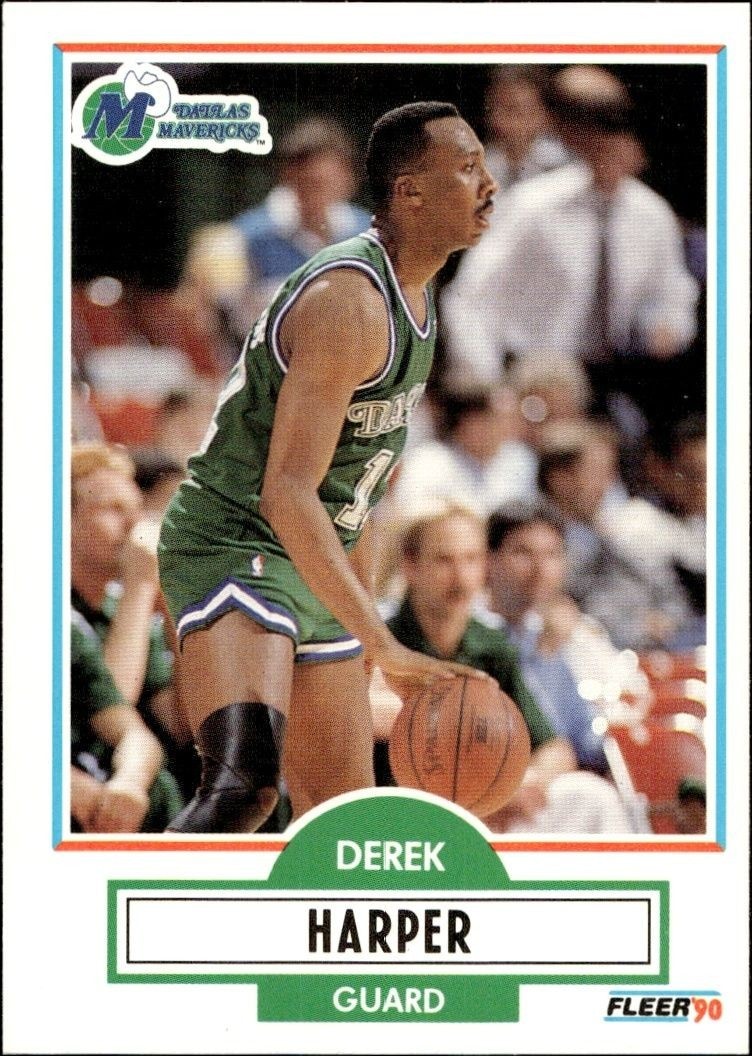




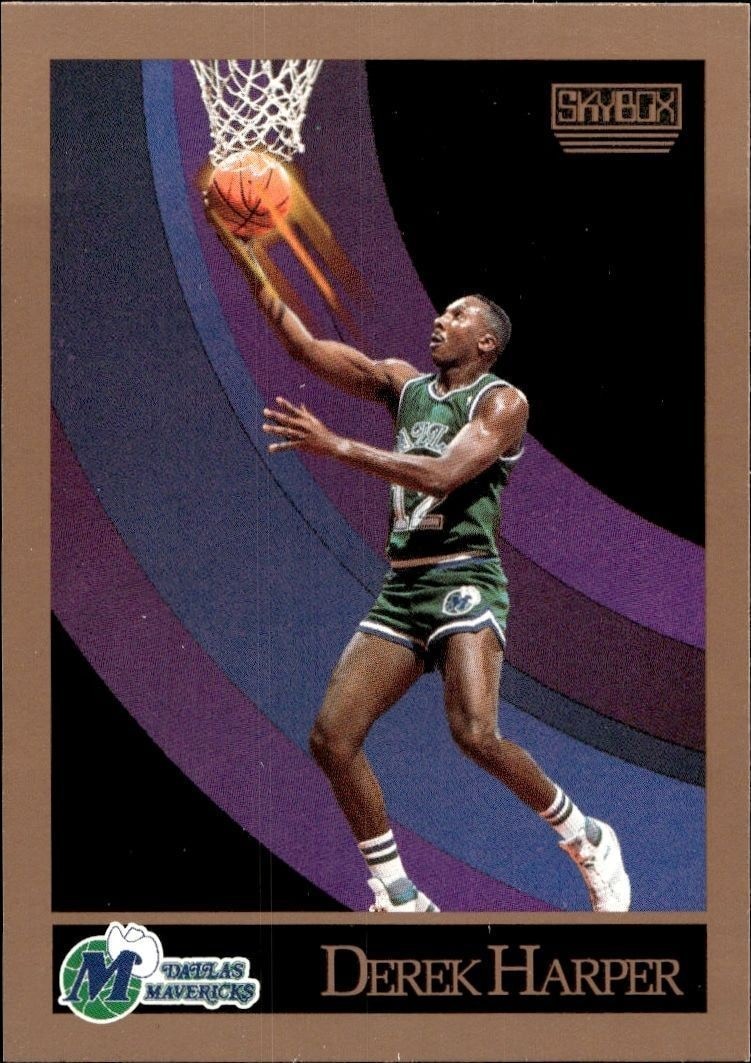
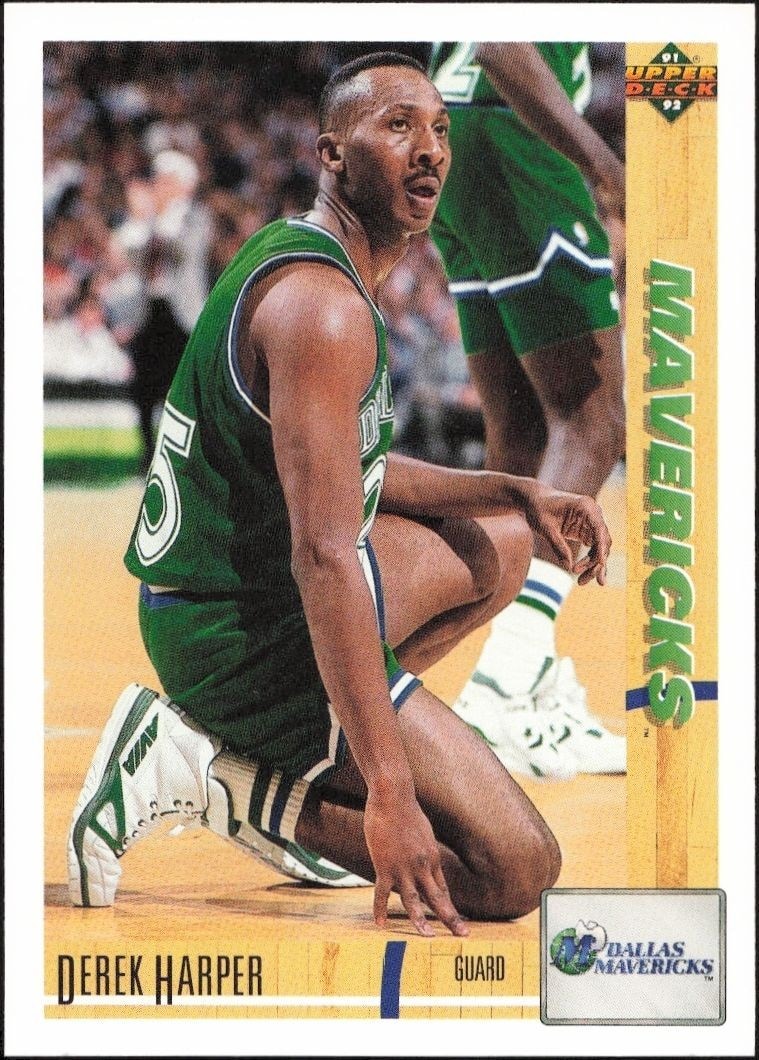
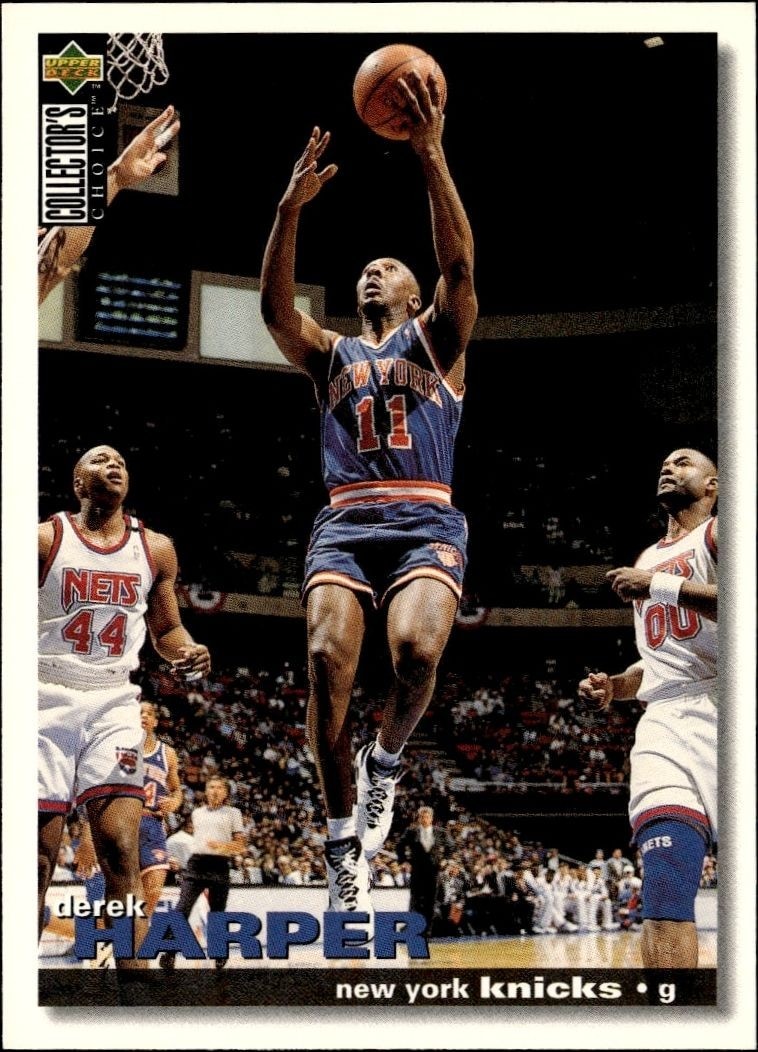
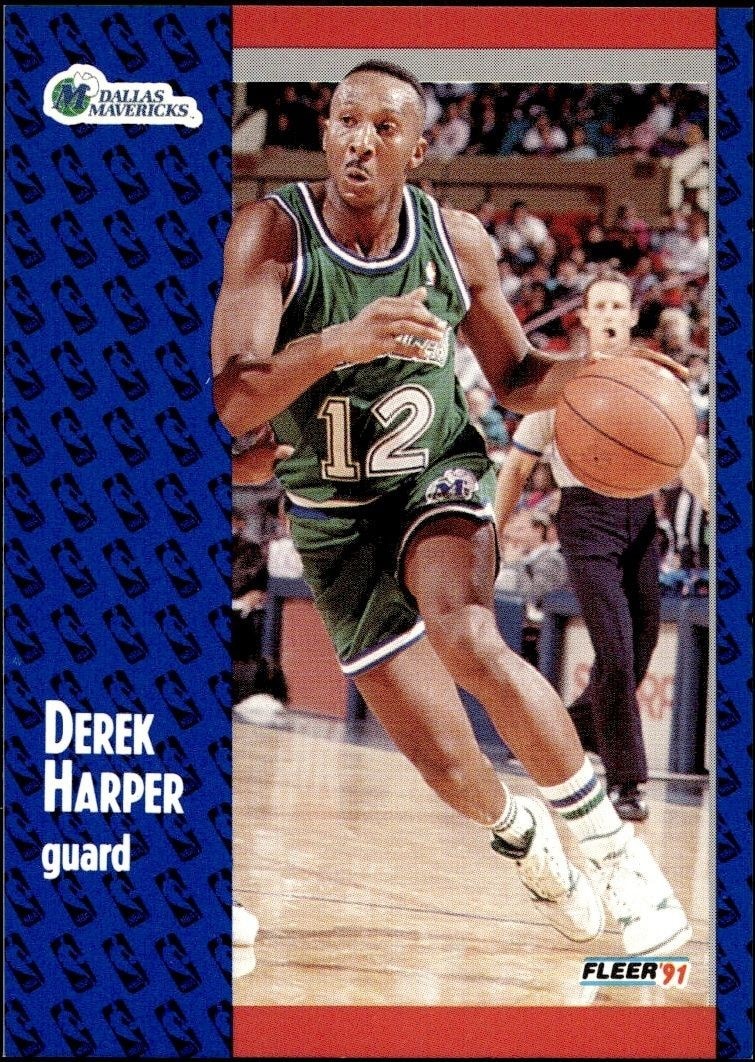
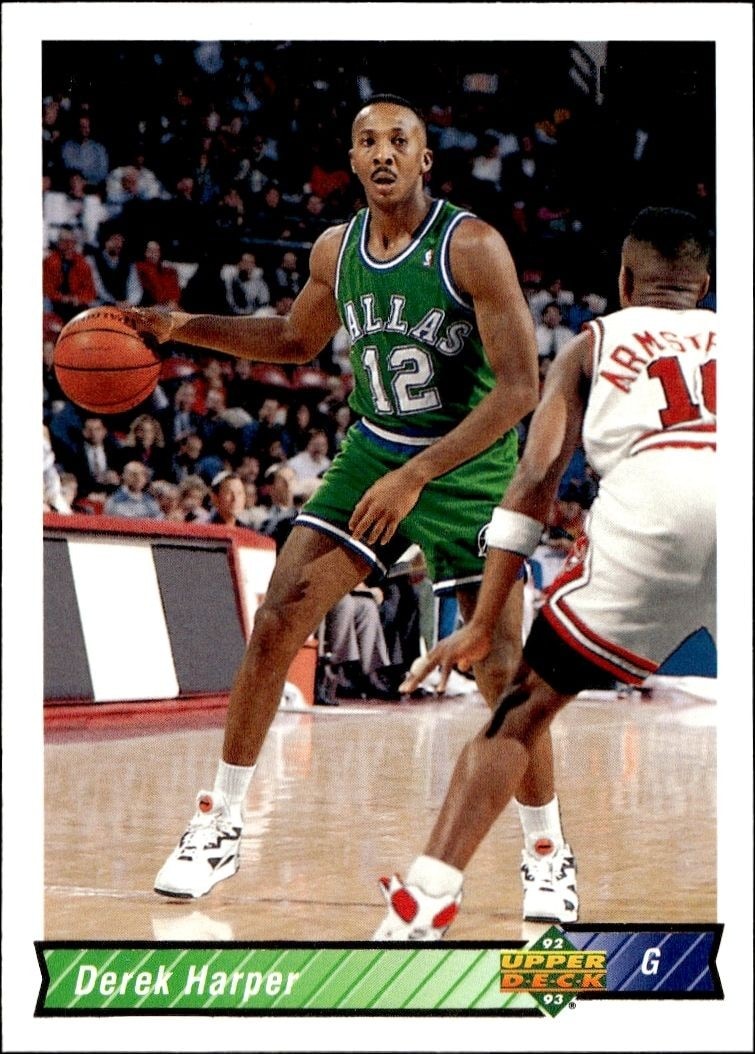
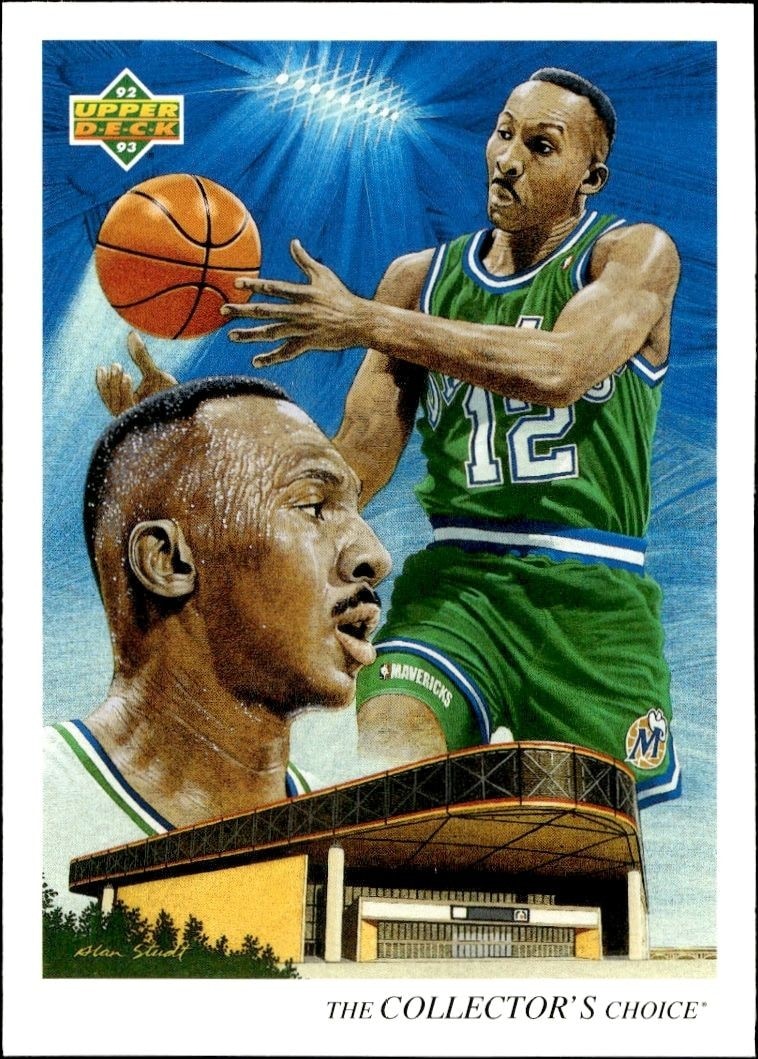
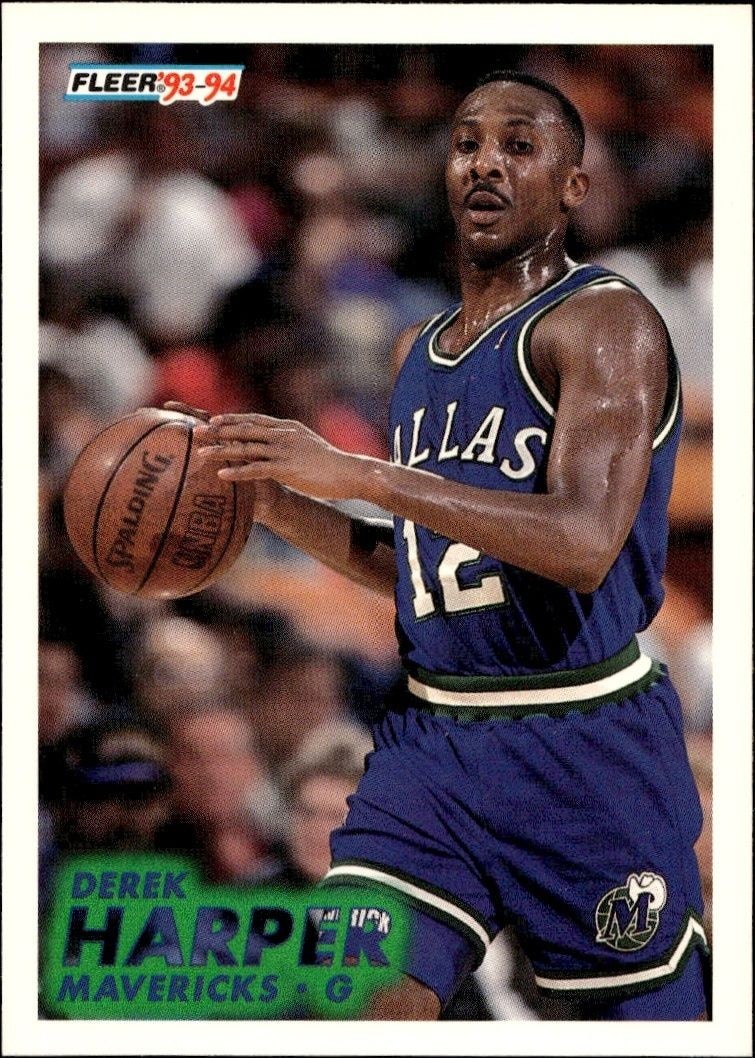
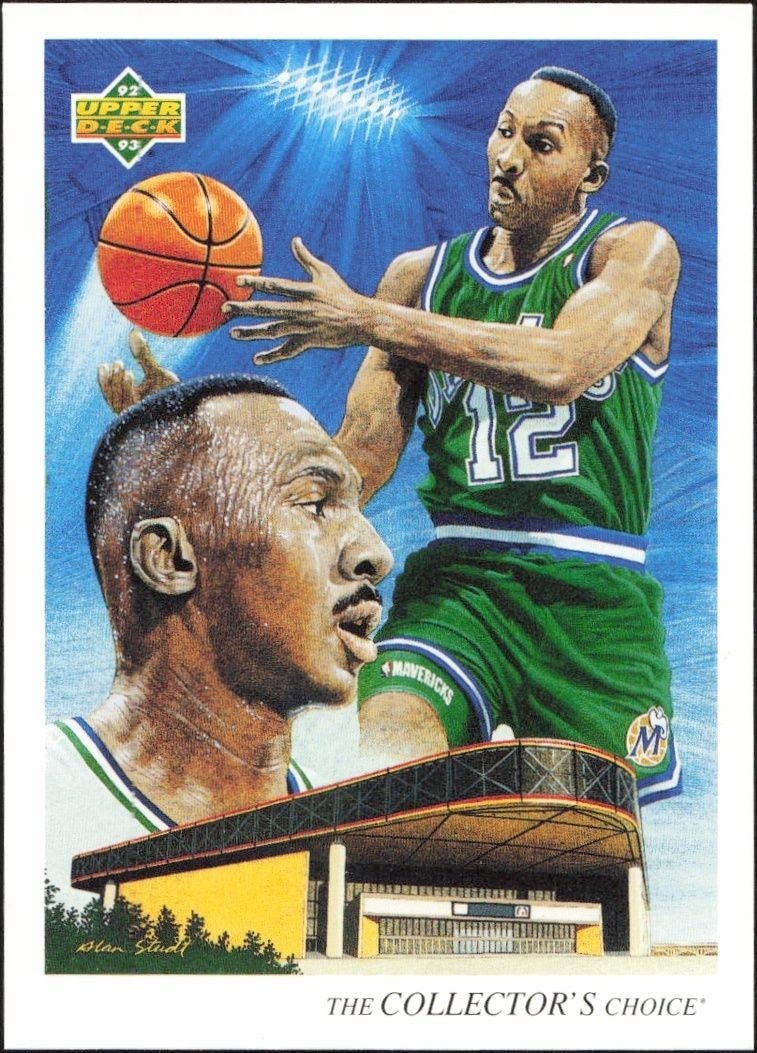
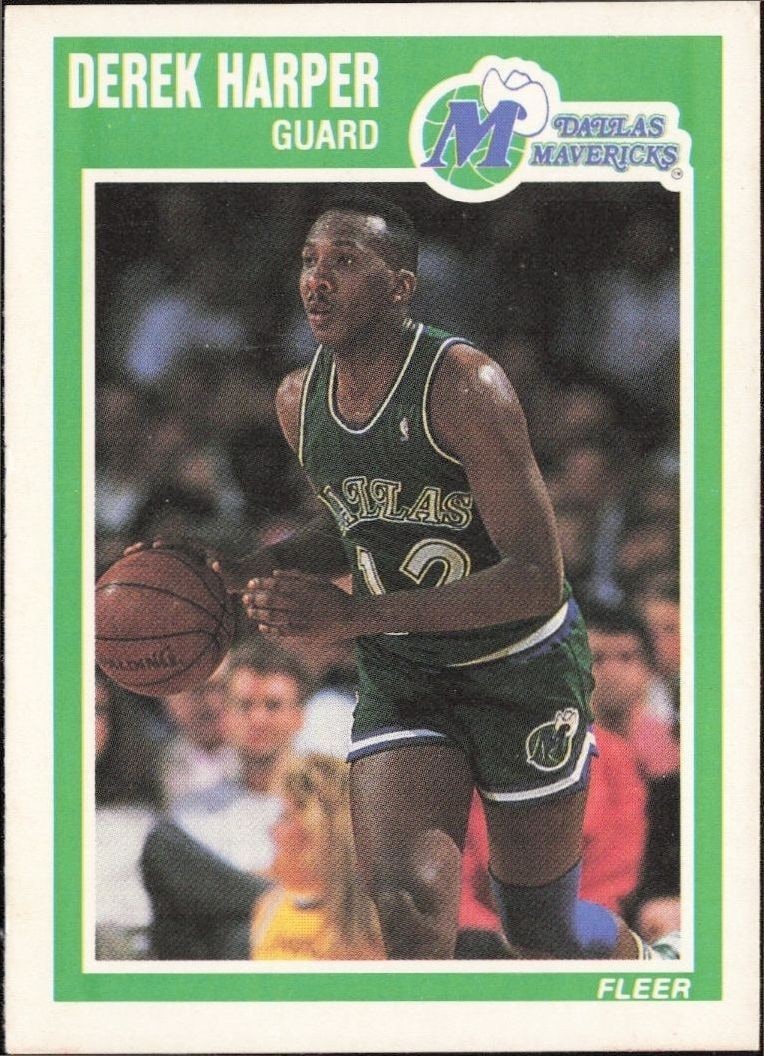
The 1992-93 Fleer #49 card featuring Dallas Mavericks guard Derek Harper represents a key piece of early 90s NBA trading card history.
1992-93 • Fleer
National Basketball Association • Dallas Mavericks
Near Mint
49
New
Shipping Calculated at Checkout
This seller is away until 10/19/2026 — orders are still accepted and ship after they return.30-day Returns| Condition | Value | Source | Trend | Price Details |
|---|---|---|---|---|
$0.25 | Guide Estimate | 0% | ||
Raw / Ungraded
PriceCharting Price Guide · Guide Estimate evidence · captured Oct 15, 2026
The 1992-93 Fleer #49 card featuring Dallas Mavericks guard Derek Harper stands as a definitive entry in the evolution of basketball trading cards. Released during a pivotal era for the NBA, this product captures the league's growing mainstream popularity and the distinct visual style that Fleer brought to the hobby during the early 1990s. Collectors often seek out this card number to complete base sets or to focus on the storied career of Harper, who was a cornerstone of the Mavericks' backcourt during this period. Fleer's approach to design in the 1992-93 season helped redefine how athletes were presented on card stock, moving away from the conservative layouts of previous decades toward more dynamic, color-focused imagery. For investors and hobbyists alike, cards from this production year hold significant nostalgic value, representing a time when the sport was expanding rapidly across the United States. The #49 slot in the Fleer checklist is widely recognized by set builders who appreciate the consistency and accessibility of the brand's primary release. Owning a 1992-93 Fleer Derek Harper card allows collectors to connect with a tangible piece of NBA history. Whether you are building a comprehensive collection of Mavericks memorabilia, focusing on Harper's career milestones, or simply appreciating the aesthetic of early 90s sports design, this card offers substantial collector appeal. It serves as a foundational element for those interested in the broader context of basketball card collecting, bridging the gap between classic era design and modern grading standards. As the hobby continues to grow, understanding the significance of brands like Fleer and players like Harper provides deeper context for every addition to your collection. The enduring popularity of Fleer products from this era ensures that cards like #49 remain relevant for new and seasoned collectors alike. It is a straightforward yet essential component for anyone tracking the history of the Dallas Mavericks or the career of Derek Harper. By acquiring this piece, you are securing a verified part of the 1992-93 basketball card landscape, contributing to the rich tapestry of sports memorabilia that defines the hobby.
3 minutes ago
We'll pre-fill the product details from this catalog entry, so your listing lands on this exact page. Just add photos of your copy, pick its condition, and set your price.
The catalog profile below summarizes the card identity, featured subject, and notable collectible traits.
The subject, team, league, and sport context tied to this card.
Production details and format-specific attributes.
Material
Card Stock
Language
English
Compare prices, grades, photos, and shipping from approved sellers.
New
Near Mint
See how many public collections currently include this card.
0 collectors have this card
This 1992-93 Fleer base card sits at the lowest tier of Derek Harper's collectible value, reflecting its status as a non-premium issue from a crowded set. While Harper remains a significant figure in Mavericks history, this specific card lacks the scarcity or condition premiums that typically drive pricing above the entry-level range. It trades well below the market for his vintage rookie or high-end parallel counterparts.
The card is identified as a standard base issue with no special attributes such as serial numbering, short prints, or parallel finishes noted. Consequently, it carries no supply constraints beyond the original mass-production run, making it widely available relative to its specialized counterparts. The absence of unique identifiers means it does not benefit from the scarcity mechanics that elevate other cards in the product line.
As a non-rookie base card from a mid-90s set, this item lacks the rookie-card premium mechanics that typically drive long-term collector demand. The broad distribution and lack of distinct rarity features suggest limited upside potential for significant appreciation compared to scarcer variations. Interest is likely driven primarily by casual collection completion rather than speculative investment strategies.