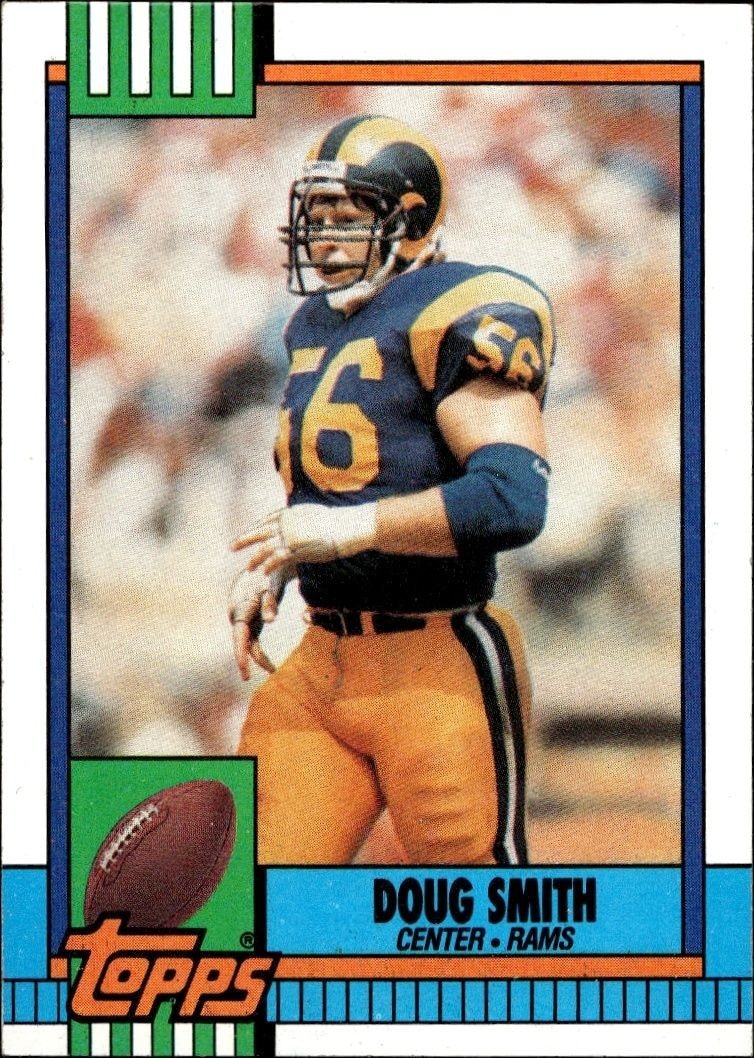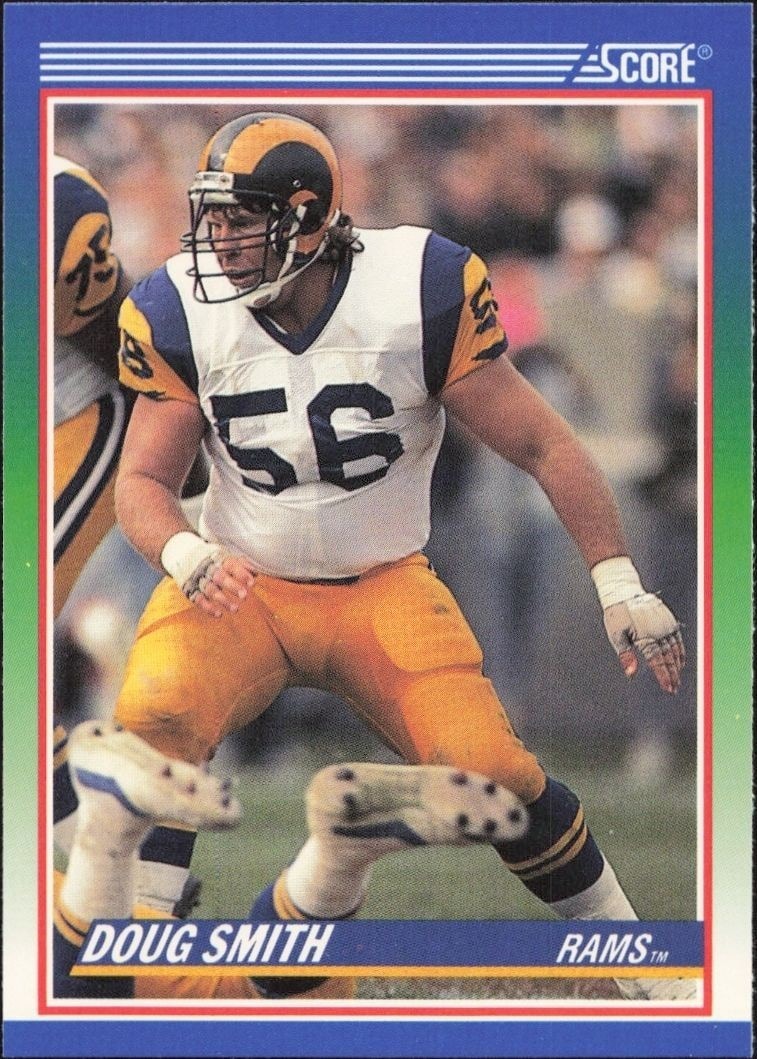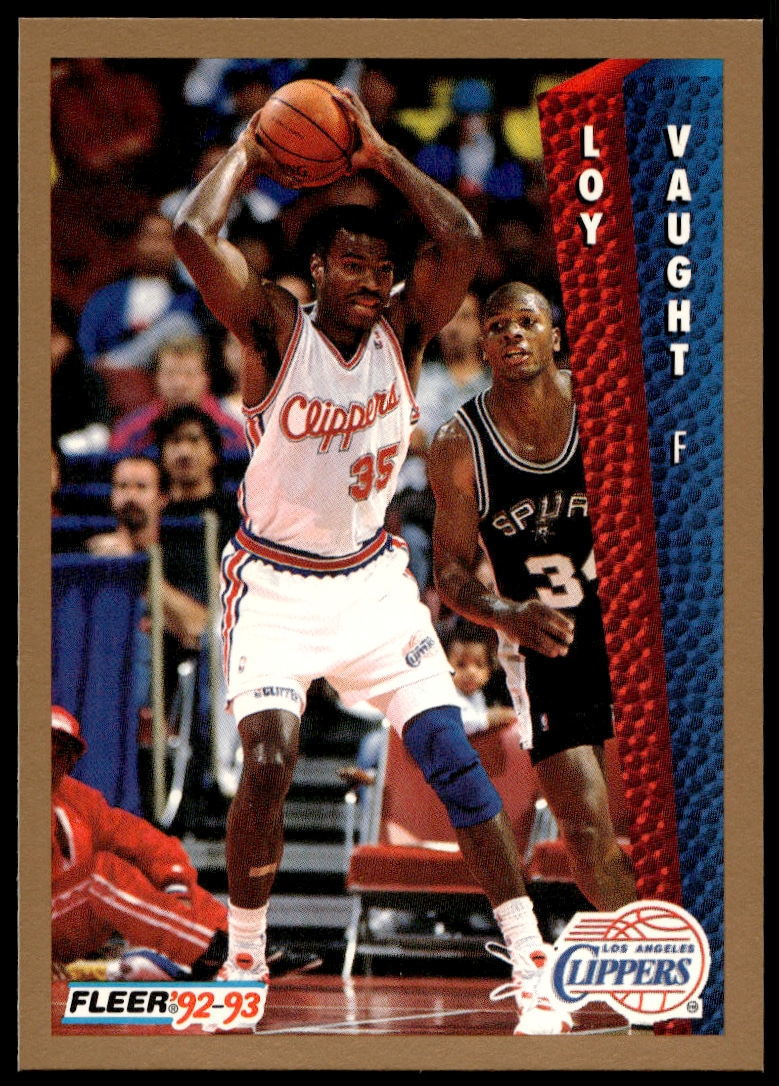
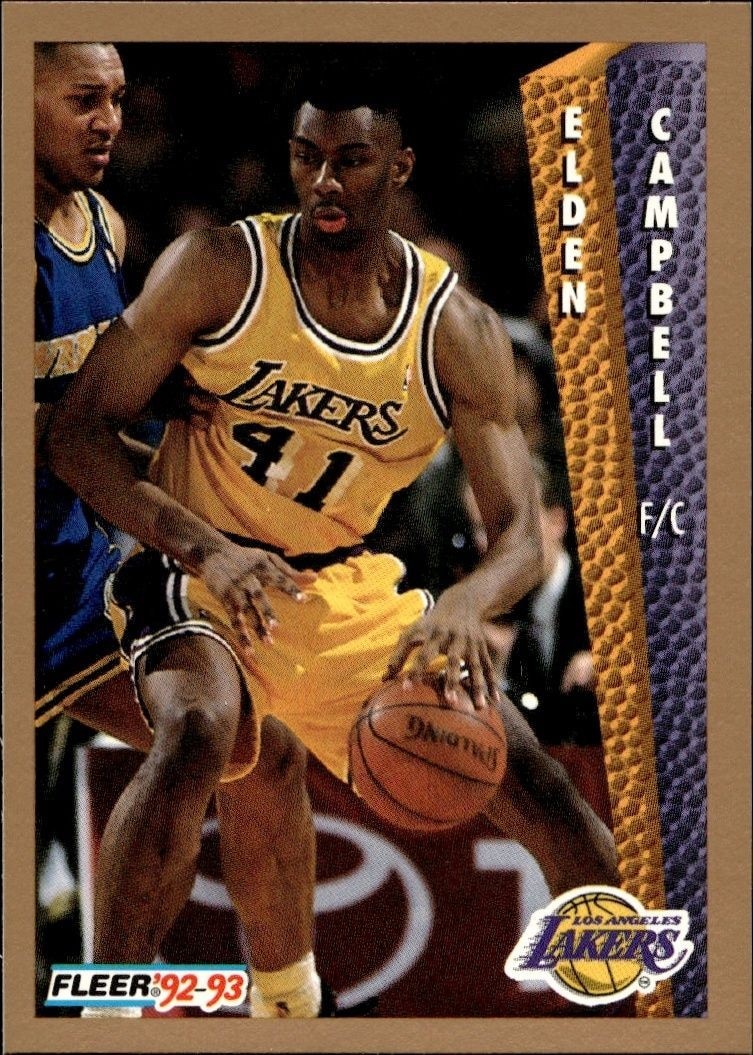





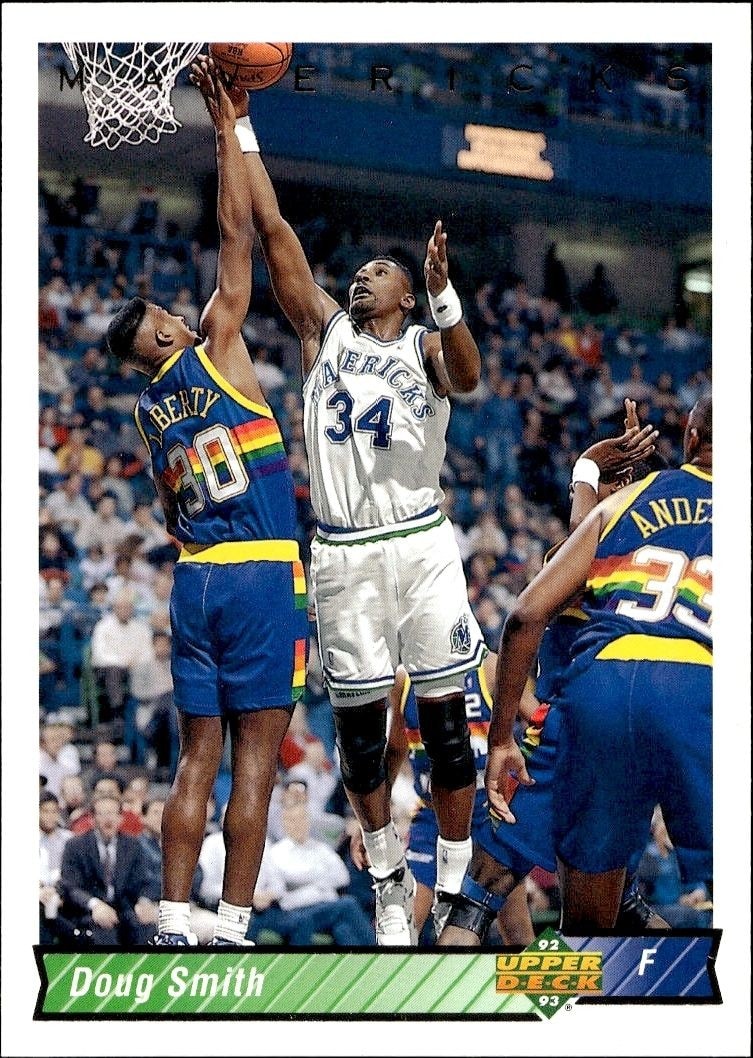

Explore the identity of the 1992-93 Fleer #53 Doug Smith basketball card, a staple of early 90s NBA collecting featuring the Dallas Mavericks guard.
1992-93 • Fleer
National Basketball Association • Dallas Mavericks
Near Mint
53
New
Shipping Calculated at Checkout
This seller is away until 10/19/2026 — orders are still accepted and ship after they return.30-day Returns| Condition | Value | Source | Trend | Price Details |
|---|---|---|---|---|
$0.99 | Asking Prices | -1% | ||
Raw / Ungraded
eBay Active Listings · Asking Prices evidence · captured Oct 17, 2026
The 1992-93 Fleer #53 Doug Smith card represents a specific entry in one of the most recognizable basketball trading card series of the early 1990s. Released during a pivotal era for the Dallas Mavericks, this card captures Doug Smith during his tenure with the team, offering collectors a tangible connection to that specific season of NBA history. Fleer’s design approach during this period emphasized bold colors and straightforward photography, creating a distinct visual identity that remains popular among vintage sports card enthusiasts. For collectors focused on the Dallas Mavericks or the broader NBA landscape of the early 90s, this card serves as a foundational piece. Doug Smith’s time with the Mavericks is a notable chapter in franchise history, and cards from this era are often sought after for their nostalgic value and historical context. Collecting from the Fleer brand is particularly appealing due to the set's widespread distribution and enduring popularity. While not a rookie card, the 1992-93 Fleer release holds significant place in the hobby for documenting the league’s rosters during a time of rapid growth in the NBA’s global appeal. Whether you are a dedicated Mavericks fan, a historian of the sport, or a general collector of 90s basketball memorabilia, this card offers a direct link to the past. It is an essential item for anyone building a library of vintage sports cards, providing both aesthetic appeal and historical significance. The card’s enduring presence in the market highlights its importance to collectors who value the tangible artifacts of sports history.
16 hours ago
We'll pre-fill the product details from this catalog entry, so your listing lands on this exact page. Just add photos of your copy, pick its condition, and set your price.
The catalog profile below summarizes the card identity, featured subject, and notable collectible traits.
The subject, team, league, and sport context tied to this card.
Production details and format-specific attributes.
Material
Card Stock
Language
English
Compare prices, grades, photos, and shipping from approved sellers.
New
Near Mint
See how many public collections currently include this card.
0 collectors have this card
This 1992-93 Fleer card of Doug Smith sits at the absolute entry-level price tier for NBA collectibles, reflecting his limited mainstream recognition compared to star players of that era. The current valuation indicates a raw, ungraded status with no premium for condition, as the card lacks any special attributes or grading services. It trades significantly below the market value of top-tier players from the same set, serving primarily as a budget-friendly addition for deep Mavericks or 1990s NBA completists.
The card carries no inherent scarcity mechanics such as serial numbering, short-print status, or parallel variations, placing it squarely in the base set category. As a standard issue from a high-volume production run, the supply is effectively unlimited relative to collector demand, with no artificial constraints on availability. The absence of any special finish or limited edition designation means the item relies entirely on its status as a standard base card.
As a non-rookie, non-star card from a mass-produced set, the investment potential is minimal due to the lack of scarcity and high supply. Collector demand is likely restricted to those completing specific team or year sets, offering little room for value appreciation over time. This card functions best as a fill-in for collection completeness rather than a vehicle for capital growth.