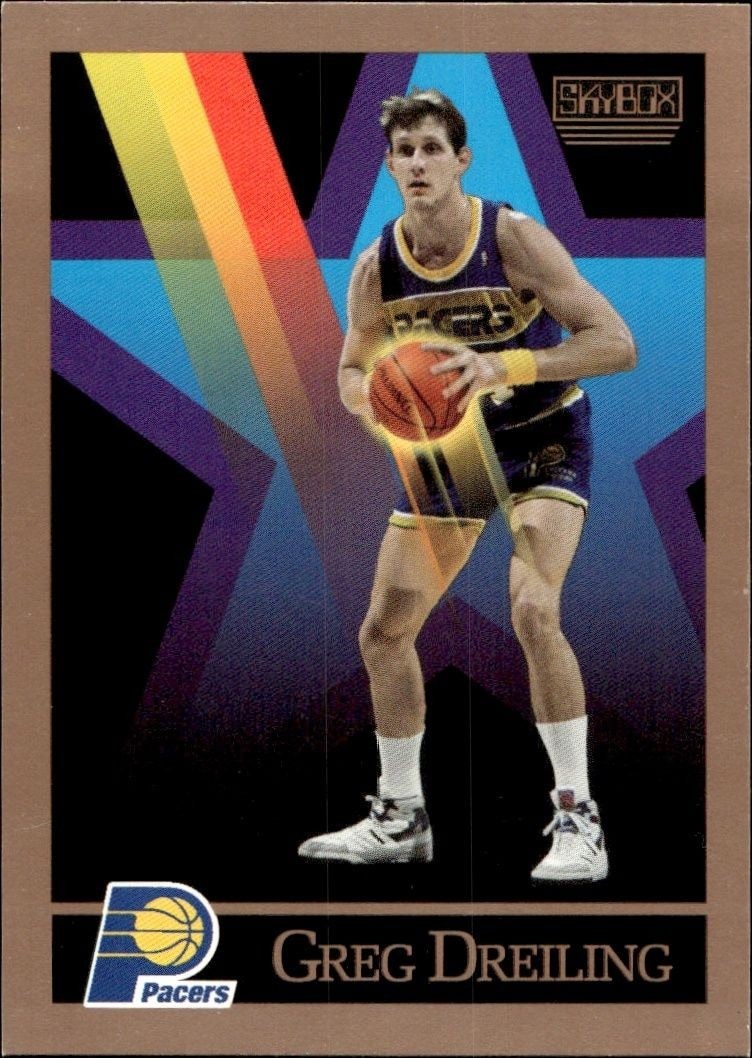




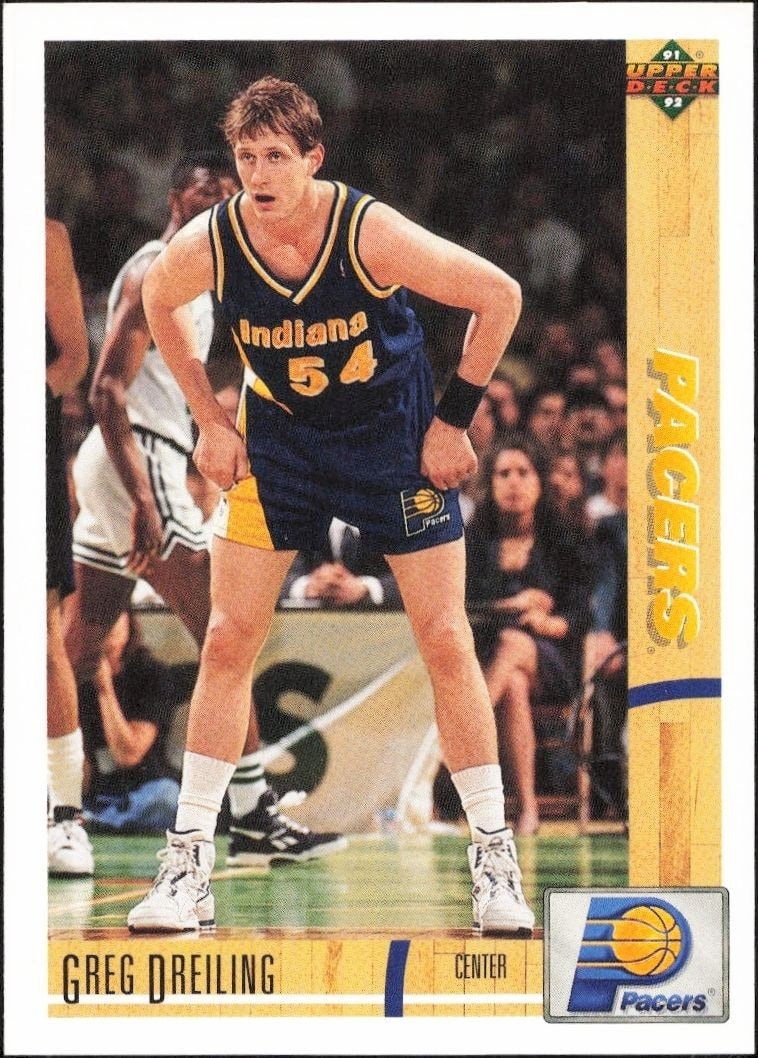
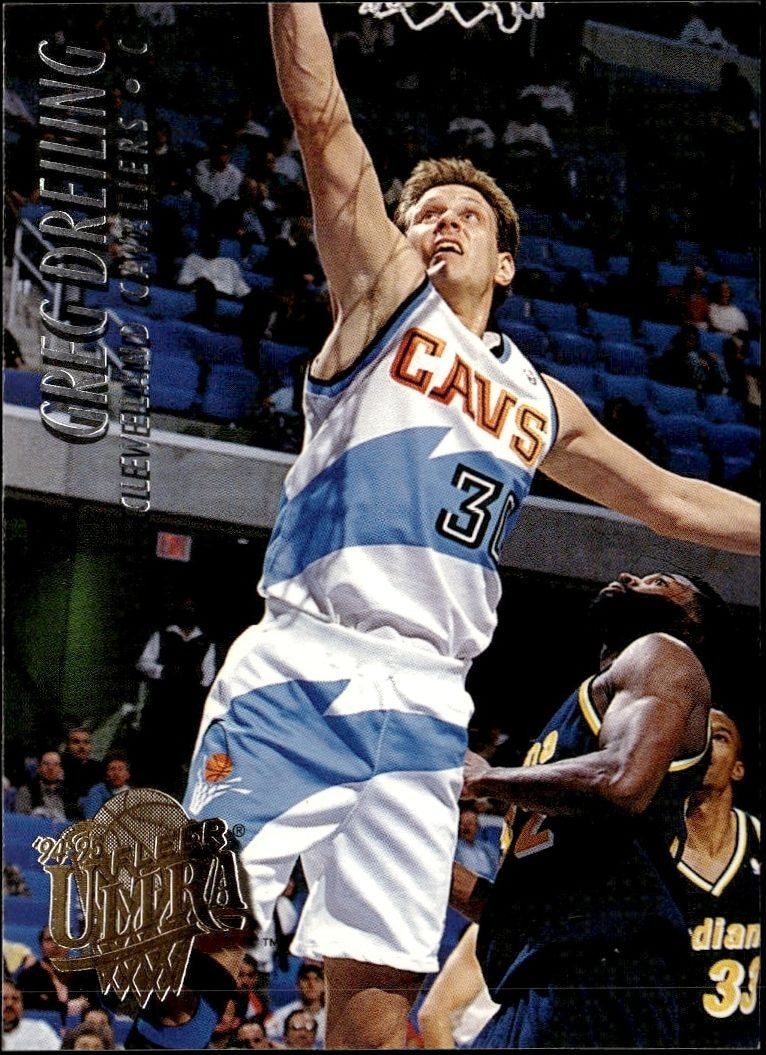
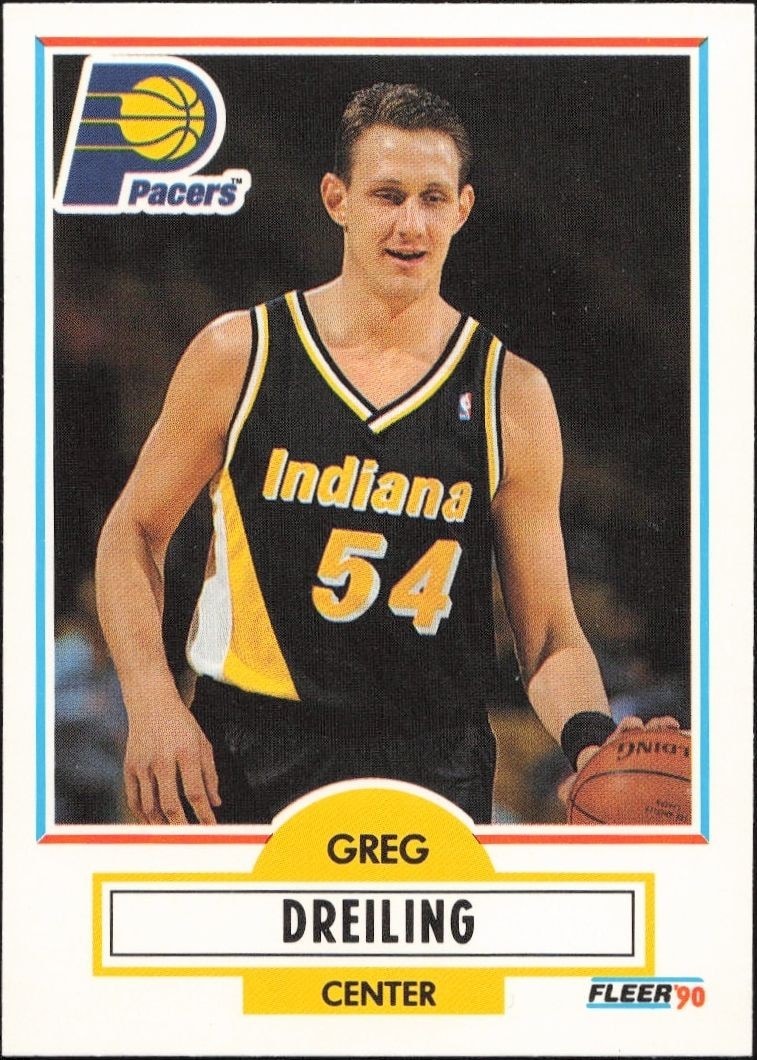

The 1992-93 Fleer Greg Dreiling #349 card features Indiana Pacers center Greg Dreiling in this classic NBA trading card release.
1992-93 • Fleer
National Basketball Association • Indiana Pacers
Near Mint
349
New
Shipping Calculated at Checkout
30-day Returns| Condition | Value | Source | Trend | Price Details |
|---|---|---|---|---|
$1.99 | Guide Estimate | |||
Raw / Ungraded
PriceCharting Price Guide · Guide Estimate evidence · captured Oct 18, 2026
History is building. At least two days of matching observations are needed to show a trend.
Each point is the last stored observation that day for this printing, condition, grader, autograph status and source. Gaps mean no observation; guide estimates and asking prices are not completed sales.The 1992-93 Fleer Greg Dreiling #349 card stands as a definitive piece of early 1990s NBA trading card history. Greg Dreiling, a veteran center for the Indiana Pacers, is featured prominently on this base card, which represents a key component for collectors assembling complete sets from the 1992-93 Fleer series. During this era, Fleer established itself as a leading manufacturer of basketball trading cards, capturing the essence of the NBA with straightforward designs and comprehensive player rosters. For investors and hobbyists alike, cards from the 1992-93 Fleer set hold significant nostalgic value. This period marked a time of growth for basketball memorabilia, with collectors actively seeking out cards of established veterans like Dreiling to round out their portfolios. The #349 designation places this card within the broader context of the set's layout, making it a recognizable identifier for those tracking the series. Whether you are a dedicated Pacers fan looking to commemorate a specific era of the franchise or a general sports card enthusiast building a diverse inventory, this card offers a tangible connection to the sport's rich heritage. The enduring appeal of Fleer basketball cards ensures that this release remains a staple for those who appreciate the history of the NBA. Collecting cards from this year allows enthusiasts to explore the visual and cultural trends of early 90s basketball. As the market for vintage sports memorabilia continues to evolve, items like the 1992-93 Fleer Greg Dreiling #349 card maintain their relevance as historical artifacts. They serve as physical records of player careers and team rosters, offering a unique way to engage with the sport's past. By focusing on the identity and context of the card, collectors can appreciate its place in the broader narrative of NBA trading card production.
1 day ago
We'll pre-fill the product details from this catalog entry, so your listing lands on this exact page. Just add photos of your copy, pick its condition, and set your price.
The catalog profile below summarizes the card identity, featured subject, and notable collectible traits.
The subject, team, league, and sport context tied to this card.
Production details and format-specific attributes.
Material
Card Stock
Language
English
Compare prices, grades, photos, and shipping from approved sellers.
New
Near Mint
See how many public collections currently include this card.
0 collectors have this card
Greg Dreiling's 1992-93 Fleer card represents a baseline entry point in the modern basketball market, reflecting his status as a role player rather than a franchise cornerstone. The current pricing indicates a low-tier valuation typical for non-star players from this specific production era. This card trades at the lower end of the spectrum compared to high-demand rookie cards or star players from the same set.
This issue is a standard base card with no noted special attributes such as serial numbering, short-print status, or parallel variants. Consequently, the supply is determined by the original mass production run of the 1992-93 Fleer set, which was extensive. The lack of scarcity mechanics means this card is widely available to collectors seeking complete base set completion.
As a non-rookie card of a role player from a major brand, the investment potential is limited to modest appreciation driven by general nostalgia or set-building demand. The card lacks the rookie-card premium or unique scarcity drivers that typically fuel significant value growth. Collectors are more likely to acquire this for bulk lots or specific team completions rather than as a standalone speculative asset.