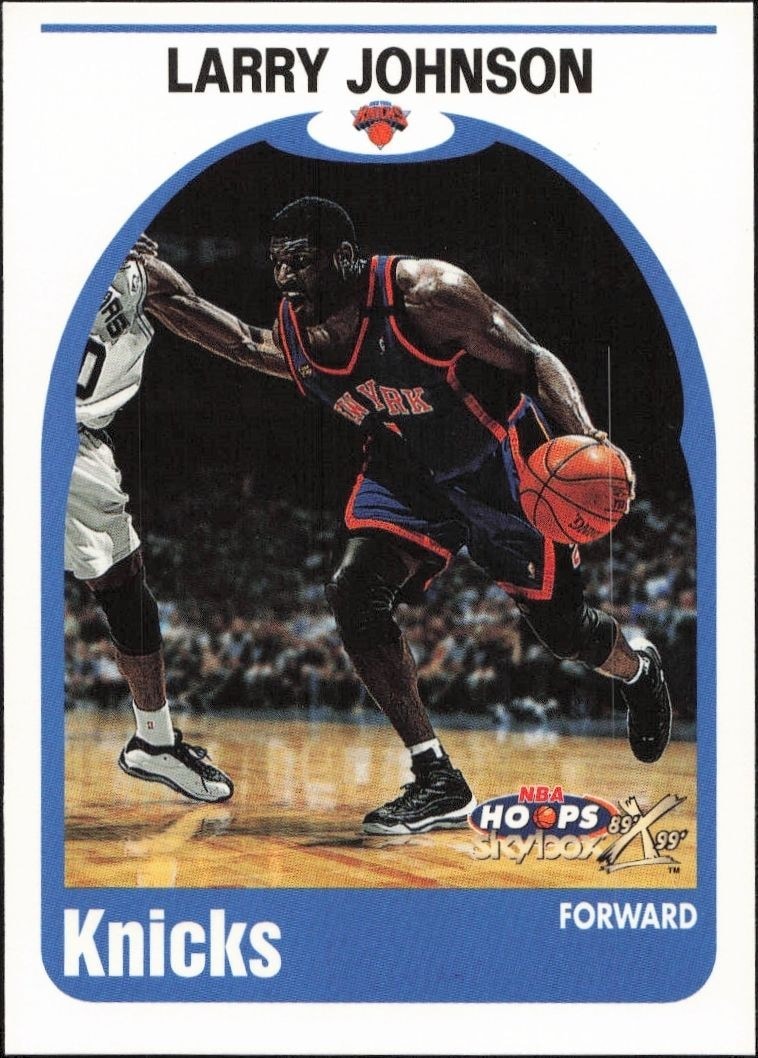




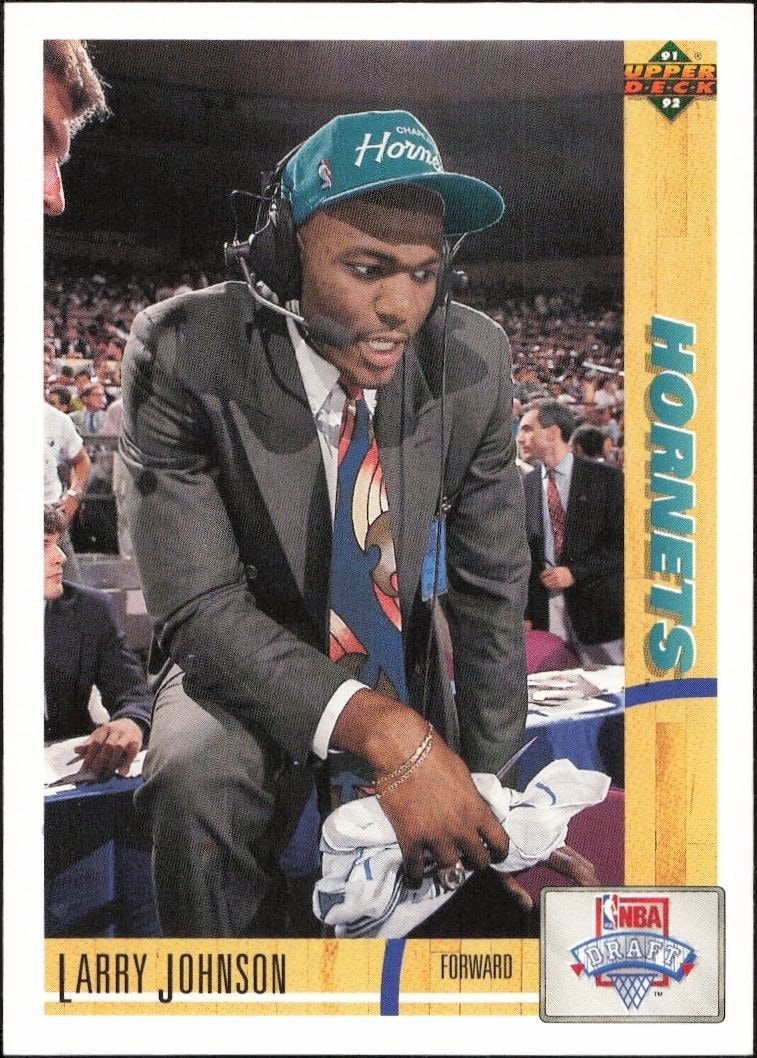
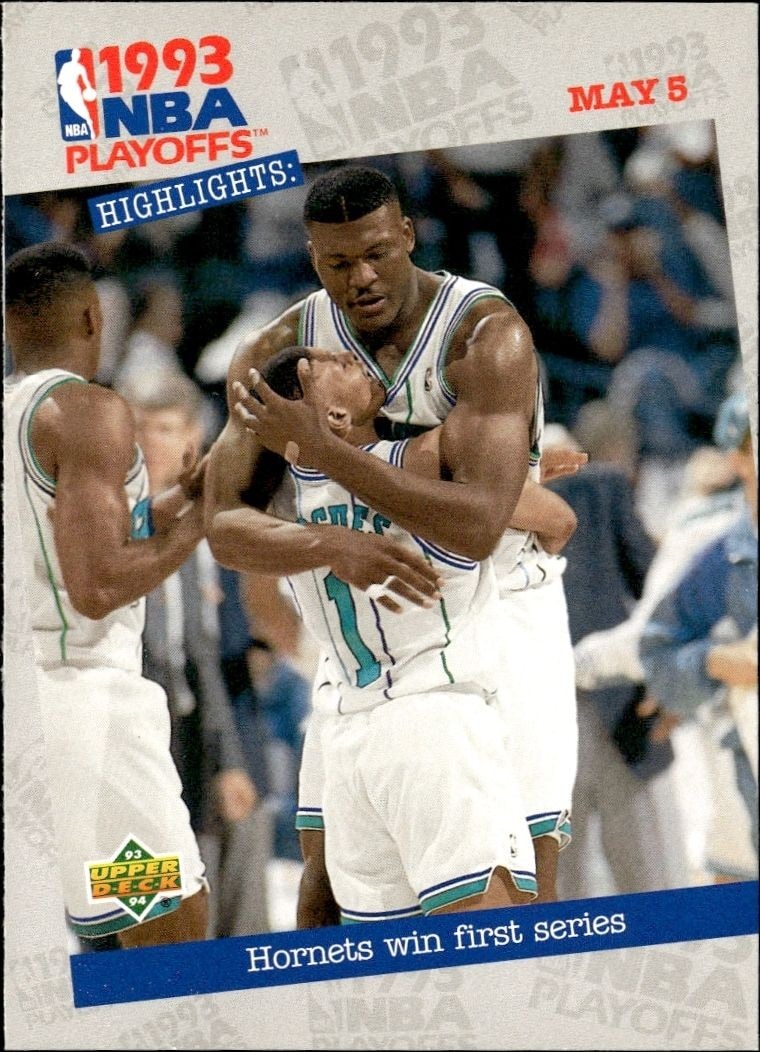



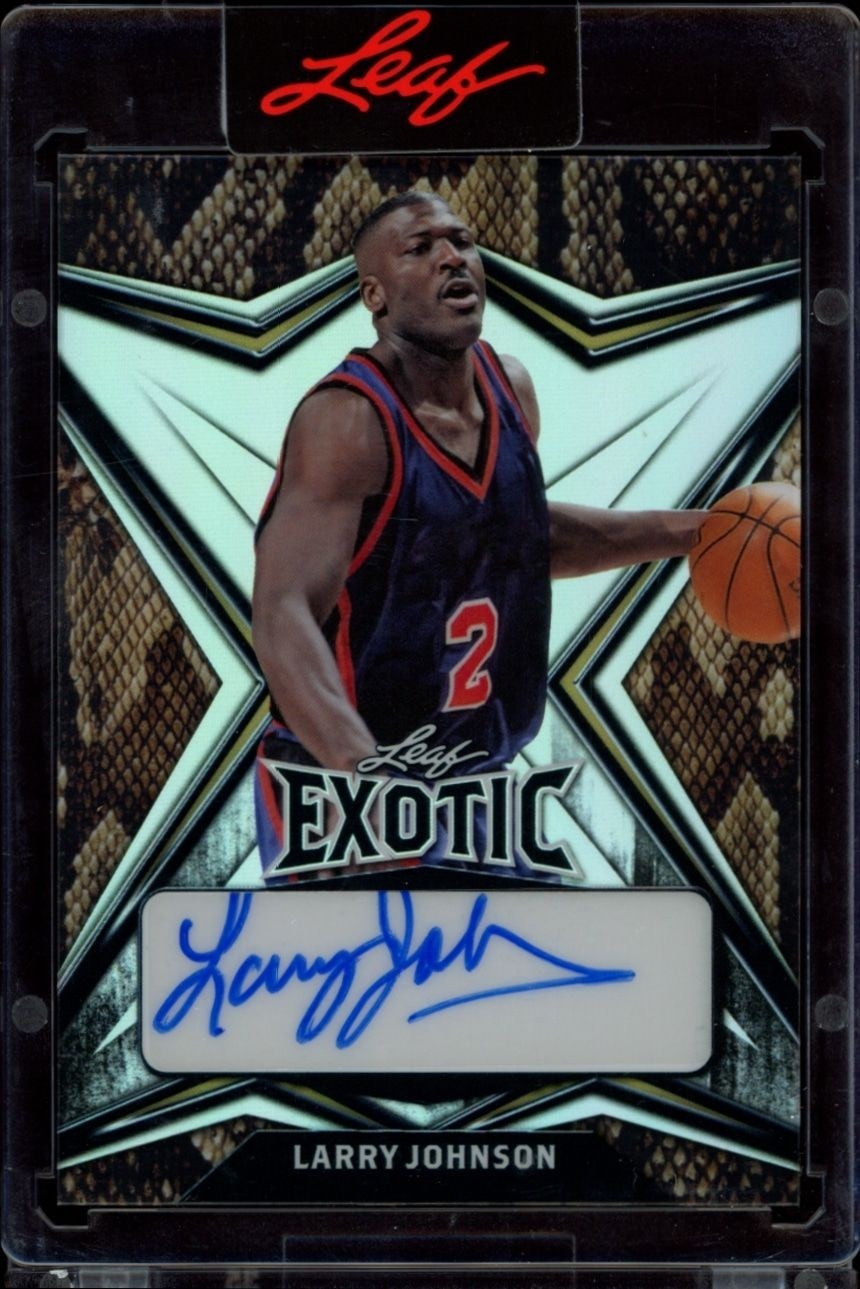
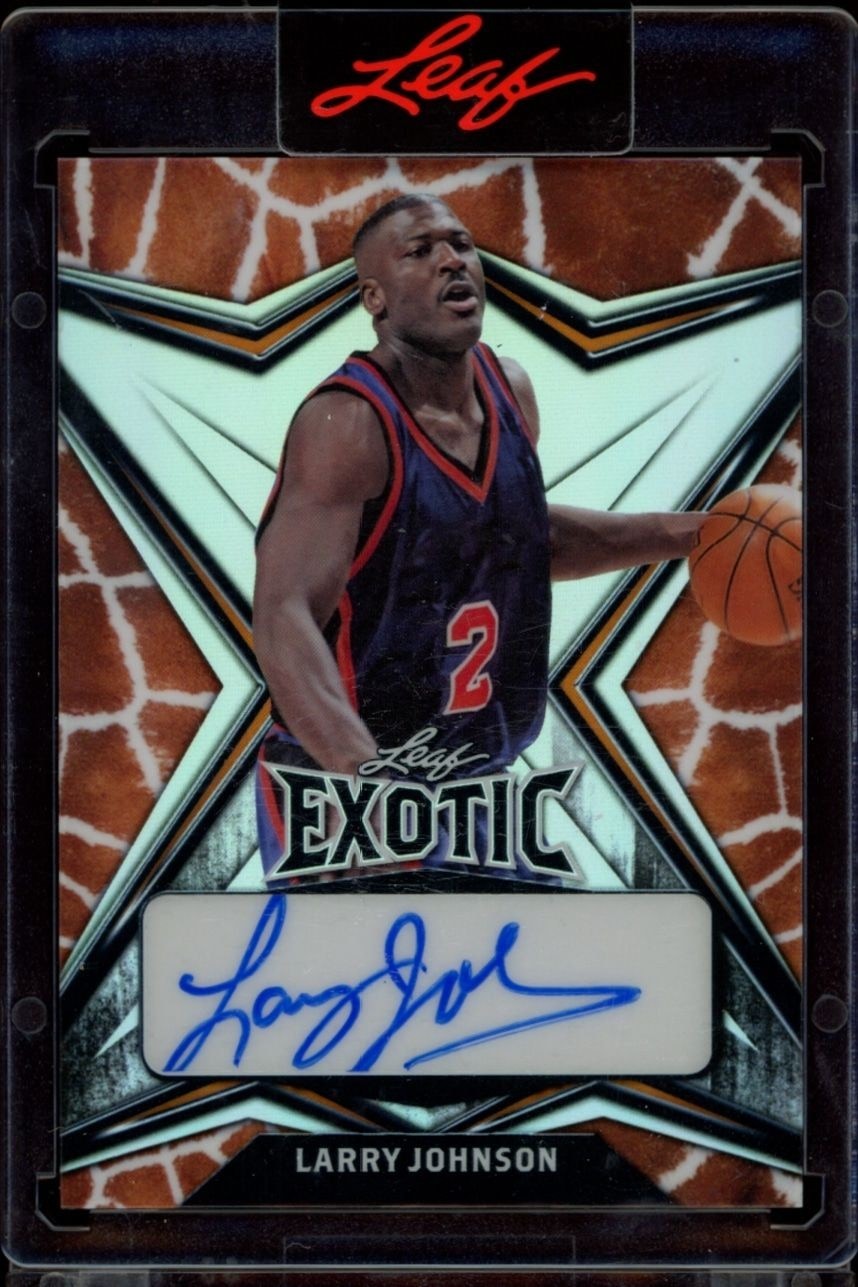
The 1992-93 Fleer #259 features Charlotte Hornets forward Larry Johnson, capturing a pivotal moment in his career during the early 1990s NBA season.
1992-93 • Fleer
National Basketball Association • Charlotte Hornets
Near Mint
259
New
Shipping Calculated at Checkout
30-day Returns| Condition | Value | Source | Trend | Price Details |
|---|---|---|---|---|
$1.36 | Guide Estimate | |||
$2.99As of 4/17/2026 | Evidence Type Unavailable | |||
$17.80 | Guide Estimate | |||
$3.13 | Guide Estimate | |||
$78.00 | Guide Estimate | |||
$36.00 | Guide Estimate | |||
$59.99 | Guide Estimate | |||
$36.00 | Guide Estimate | |||
Raw / Ungraded
PriceCharting Price Guide · Guide Estimate evidence · captured Oct 14, 2026
History is building. At least two days of matching observations are needed to show a trend.
Each point is the last stored observation that day for this printing, condition, grader, autograph status and source. Gaps mean no observation; guide estimates and asking prices are not completed sales.Larry Johnson made his impact on the hardwood as a dominant forward for the Charlotte Hornets, and the 1992-93 Fleer #259 captures this era of his career. Released during the early 1990s, this card is a standard issue from the Fleer brand, known for its straightforward design and focus on the players themselves. For collectors, this card number serves as a tangible link to the Hornets' roster during a time when the team was establishing its identity in the NBA. Collecting cards from the 1992-93 Fleer set appeals to those who appreciate the aesthetic and historical context of basketball during this period. The set includes a diverse selection of players, but Johnson’s presence offers a distinct focal point for Hornets fans and those tracking the development of forwards in the league. The card’s design reflects the era’s printing standards, offering a clean look at the athlete in his team uniform. As part of the broader sports card market, items like the 1992-93 Fleer Larry Johnson #259 hold value for their historical significance rather than just their physical attributes. Collectors often seek out these cards to complete specific team sets or to focus on individual player career arcs. The early 90s are particularly notable for the transition in basketball styles and the rise of new franchises, making cards from this time period relevant for understanding the sport’s evolution. Whether you are building a collection focused on the Charlotte Hornets, Larry Johnson’s career, or the Fleer brand specifically, this card provides a foundational piece. It allows enthusiasts to engage with the history of the game in a tangible way. The straightforward nature of the 1992-93 Fleer release means that the focus remains on the player and the team, offering a clear window into the past for any serious collector of basketball memorabilia.
20 hours ago
We'll pre-fill the product details from this catalog entry, so your listing lands on this exact page. Just add photos of your copy, pick its condition, and set your price.
The catalog profile below summarizes the card identity, featured subject, and notable collectible traits.
The subject, team, league, and sport context tied to this card.
Production details and format-specific attributes.
Material
Card Stock
Language
English
Compare prices, grades, photos, and shipping from approved sellers.
New
Near Mint
See how many public collections currently include this card.
0 collectors have this card
This entry represents a high-volume, low-cost tier within the Fleer rookie set, reflecting its status as a widely produced base card rather than a premium insert. While Larry Johnson holds significance as the franchise cornerstone for the Charlotte Hornets, this specific iteration lacks the grading or scarcity drivers necessary to command a premium over standard market averages. It trades at the lower end of the spectrum, suitable for entry-level collection rather than significant value accumulation.
The card carries no special scarcity attributes, existing purely as a base issue within the 1992-93 Fleer product line. Without serial numbering, short-print designations, or parallel variants, the supply is determined solely by the original print run, which was substantial to meet mass-market demand. This lack of distinct rarity mechanics means the card's availability remains abundant compared to its more exclusive counterparts in the same set.
As a rookie card for a notable player, the primary demand driver is historical significance rather than current market momentum. The absence of special parallels or limited edition status limits its appeal to serious investors seeking appreciating assets, restricting its growth potential to modest fluctuations based on general rookie card market trends. Collectors are more likely to acquire this piece for foundational set completion rather than long-term capital appreciation.