





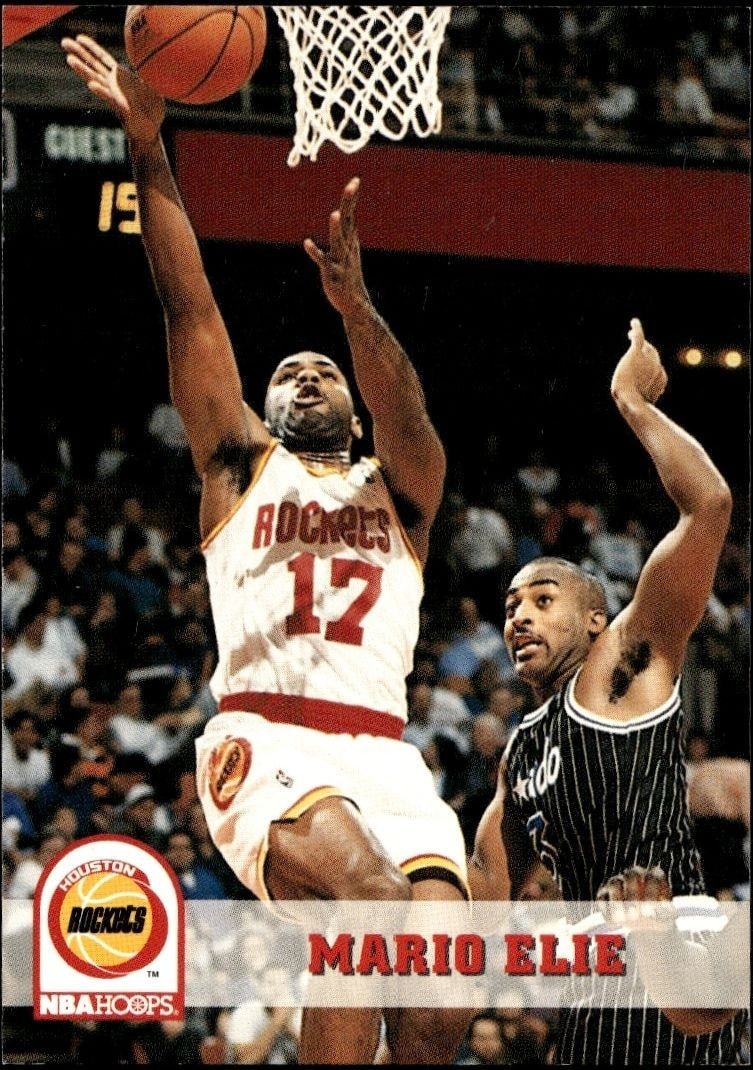


The 1992-93 Fleer #416 Mario Elie basketball card captures the Portland Trail Blazers guard during a pivotal era in NBA history.
1992-93 • Fleer
National Basketball Association • Portland Trail Blazers
Excellent
416
New
Shipping Calculated at Checkout
This seller is away until 10/19/2026 — orders are still accepted and ship after they return.30-day Returns| Condition | Value | Source | Trend | Price Details |
|---|---|---|---|---|
$1.19 | Guide Estimate | |||
Raw / Ungraded
PriceCharting Price Guide · Guide Estimate evidence · captured Oct 18, 2026
History is building. At least two days of matching observations are needed to show a trend.
Each point is the last stored observation that day for this printing, condition, grader, autograph status and source. Gaps mean no observation; guide estimates and asking prices are not completed sales.The 1992-93 Fleer #416 Mario Elie basketball card serves as a tangible connection to the Portland Trail Blazers during a defining period in franchise history. Released by Fleer in the early 1990s, this product represents the brand's continued influence in the sports trading card market during a time of significant stylistic evolution. Collectors often seek out cards from this era due to the distinct design language and production values that characterized Fleer's output before the industry's major shifts in the late 1990s. Mario Elie, known for his gritty defense and clutch shooting, spent several seasons with the Trail Blazers, becoming a fan favorite in Portland. The #416 card in this set highlights his contributions to the team, making it a valuable addition for those focused on building comprehensive collections of Blazers history or completing the base set. For investors and hobbyists alike, vintage basketball cards from the 1992-93 season offer a unique window into the past, capturing the aesthetic and cultural context of the NBA during that decade. Collecting vintage sports cards requires an appreciation for the historical context of the release. Whether you are looking to complete a set of 1992-93 Fleer basketball cards or specifically target Mario Elie's career inventory, this card provides a solid foundation for any collection focused on 1990s basketball history. It stands as a reminder of the era when physical trading cards were the primary way fans engaged with their favorite teams and players. By focusing on the catalog identity of this 1992-93 Fleer release, collectors can appreciate the card's place in the broader narrative of sports memorabilia. This product remains a staple for enthusiasts who value the authenticity and historical significance of early 1990s basketball cards.
22 hours ago
We'll pre-fill the product details from this catalog entry, so your listing lands on this exact page. Just add photos of your copy, pick its condition, and set your price.
The catalog profile below summarizes the card identity, featured subject, and notable collectible traits.
The subject, team, league, and sport context tied to this card.
Production details and format-specific attributes.
Material
Card Stock
Language
English
Compare prices, grades, photos, and shipping from approved sellers.
New
Excellent
See how many public collections currently include this card.
0 collectors have this card
This 1992-93 Fleer Mario Elie card sits at the lower end of the value spectrum, reflecting Elie's status as a solid role player rather than a franchise cornerstone during this period. The absence of special parallels or inserts means it trades in the base card tier, where supply typically outpaces demand for non-marquee athletes. While it holds nostalgic value for collectors of the early 90s Blazers era, it does not command a significant premium over its base counterparts.
As a standard base card without noted serial numbering, short-print designations, or unique one-of-one attributes, this item benefits from a relatively high print run compared to its specialty counterparts. The lack of parallel variations or limited edition markers indicates that supply is not artificially constrained by the manufacturer's scarcity mechanics. Consequently, the card's rarity is defined primarily by its age and the general attrition of base cards over three decades, rather than intentional production limits.
Collectors typically target this card for team-set completion or as an affordable entry point for 1990s NBA memorabilia, driving steady but modest demand. Since it lacks rookie card status or high-tier parallel finishes, its long-term appreciation potential is likely limited to general inflation of vintage sports cards rather than specific scarcity premiums. It serves best as a foundational piece for broader era or team collections rather than a standalone speculative asset.
