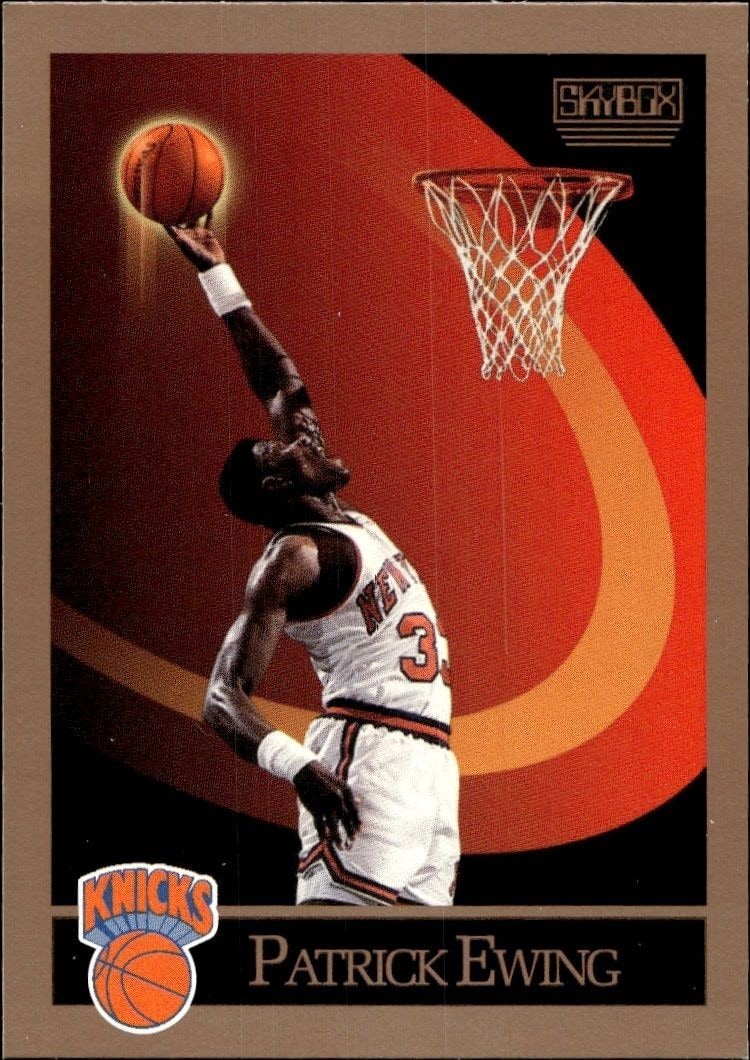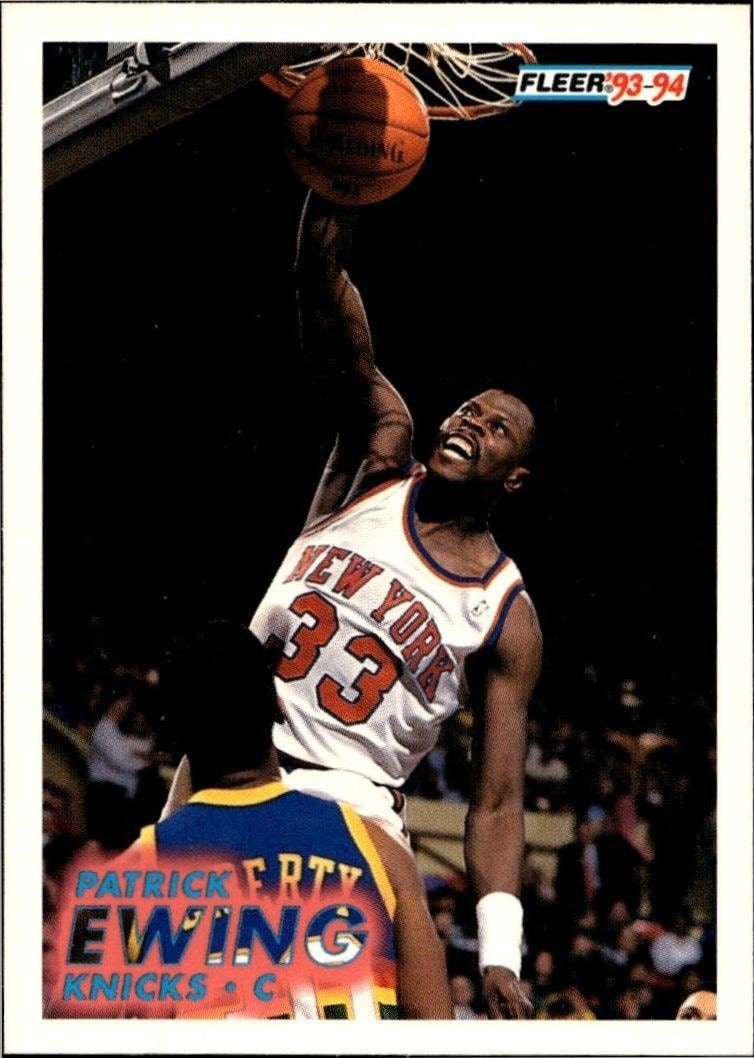






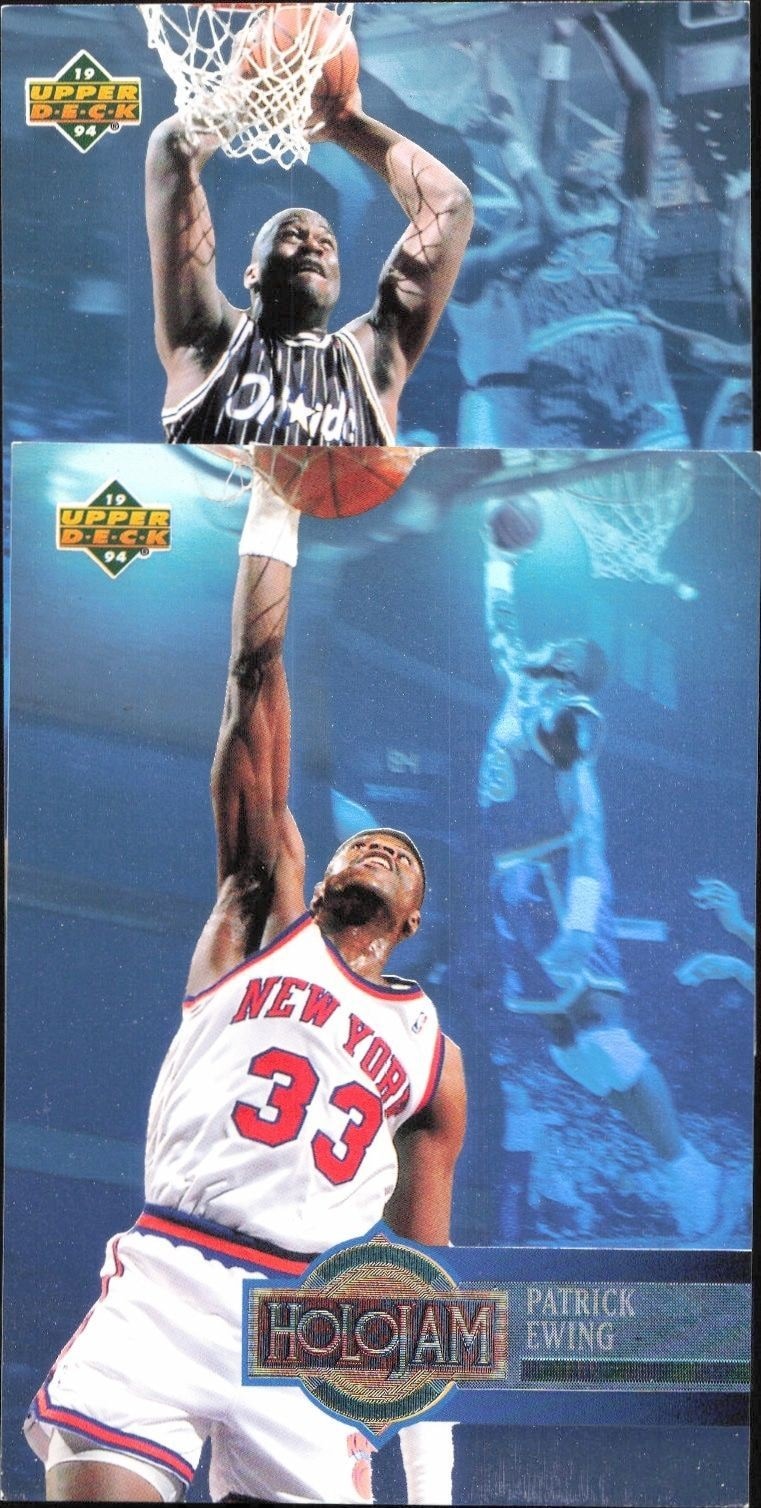
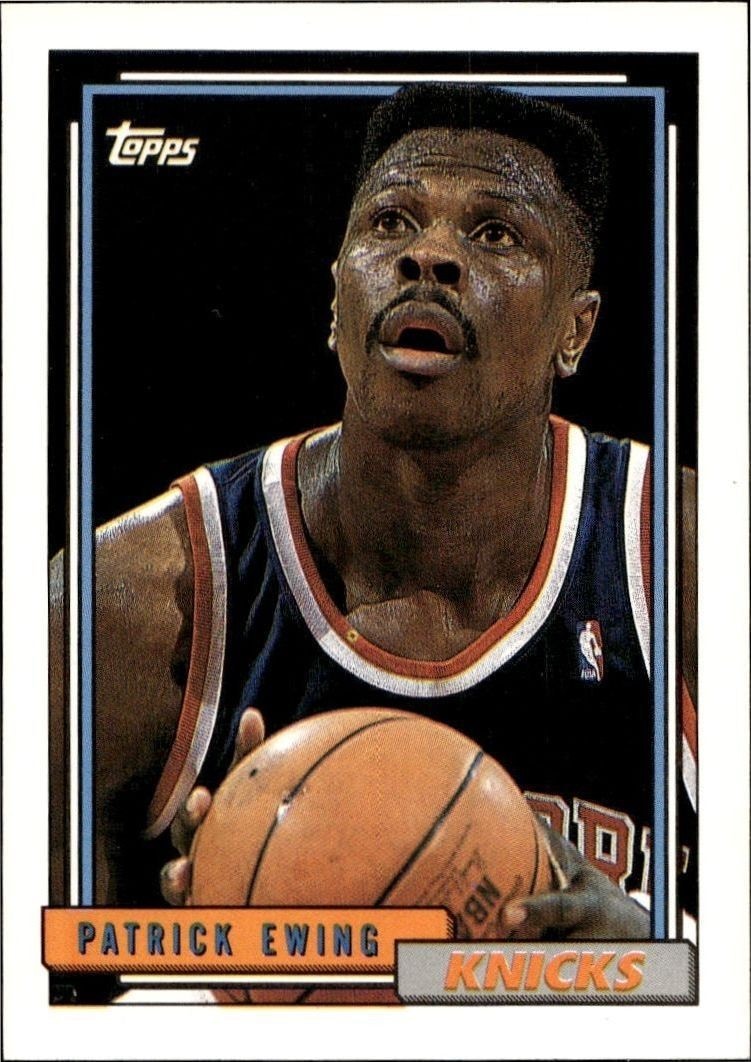
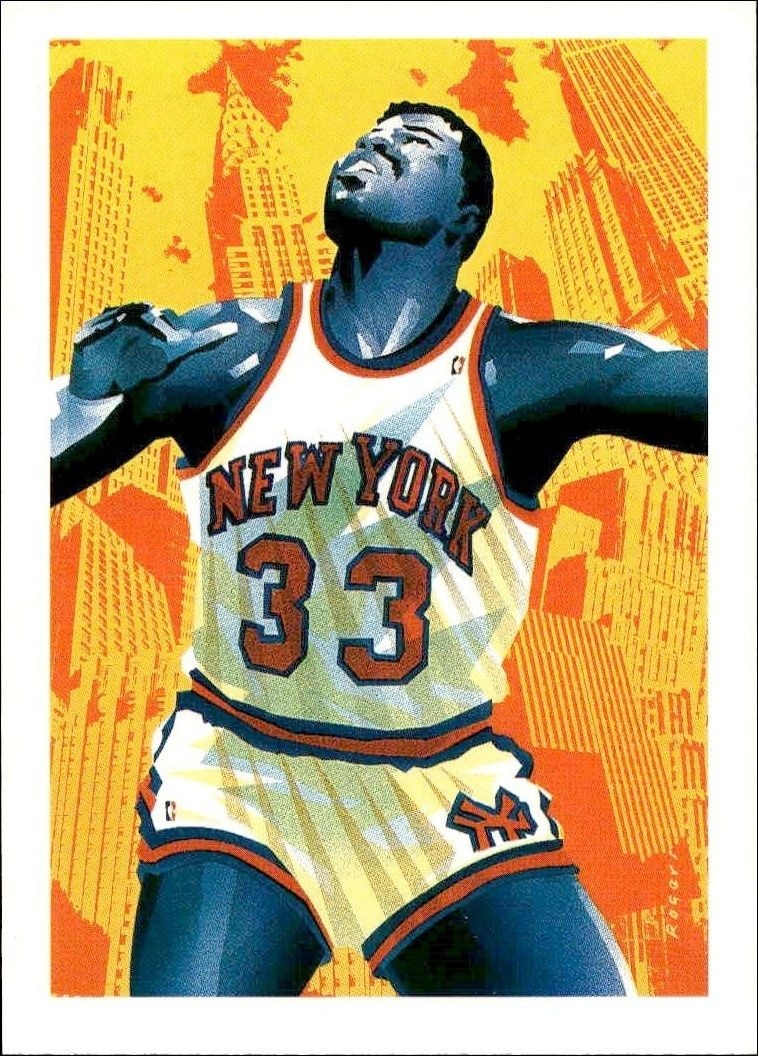
Own a piece of NBA history with the 1992-93 Fleer Patrick Ewing #291 basketball card, featuring the legendary New York Knicks center.
1992-93 • Fleer
National Basketball Association • New York Knicks
Excellent
291
New
Shipping Calculated at Checkout
This seller is away until 10/19/2026 — orders are still accepted and ship after they return.30-day Returns| Condition | Value | Source | Trend | Price Details |
|---|---|---|---|---|
$1.37 | Guide Estimate | +19.1% | ||
$1.99As of 4/16/2026 | Evidence Type Unavailable | |||
$15.50 | Guide Estimate | 0% | ||
$17.00 | Guide Estimate | 0% | ||
$34.32 | Guide Estimate | +7% | ||
$67.00 | Guide Estimate | 0% | ||
$31.00 | Guide Estimate | 0% | ||
$51.22 | Guide Estimate | 0% | ||
$31.00 | Guide Estimate | 0% | ||
Raw / Ungraded
PriceCharting Price Guide · Guide Estimate evidence · captured Oct 14, 2026
The 1992-93 Fleer Patrick Ewing #291 basketball card captures one of the most dominant centers in NBA history during his prime with the New York Knicks. As a staple of the early 1990s basketball card market, this release from Fleer offers collectors a straightforward yet iconic representation of Ewing’s career. The design reflects the era’s aesthetic, focusing on the player’s intensity and presence on the court without excessive embellishment, making it a recognizable piece for vintage collectors. Patrick Ewing was a cornerstone of the New York Knicks, leading the team to the NBA Finals and establishing himself as a franchise legend. This card, numbered 291 in the set, serves as a tangible link to that competitive era of the league. Collectors often seek out Fleer cards from this period for their clean layouts and historical significance, particularly those featuring star players like Ewing who defined the sport’s popularity in the 1990s. For investors and hobbyists, the 1992-93 Fleer Patrick Ewing #291 basketball card represents a solid entry point into vintage basketball collecting. Its association with the NBA and the Knicks ensures ongoing interest from fans and serious collectors alike. Whether you are building a comprehensive set of 1990s basketball cards or focusing on New York Knicks memorabilia, this card provides a valuable addition to any collection. The enduring appeal of Ewing’s legacy makes this Fleer release a relevant and sought-after item for those who appreciate the golden age of basketball. Discover more about the history of basketball trading cards and find other essential pieces for your collection today.
14 hours ago
We'll pre-fill the product details from this catalog entry, so your listing lands on this exact page. Just add photos of your copy, pick its condition, and set your price.
The catalog profile below summarizes the card identity, featured subject, and notable collectible traits.
The subject, team, league, and sport context tied to this card.
Production details and format-specific attributes.
Material
Card Stock
Language
English
Compare prices, grades, photos, and shipping from approved sellers.
New
Excellent
See how many public collections currently include this card.
0 collectors have this card
This 1992-93 Fleer card sits in an accessible entry-level tier for Patrick Ewing collectors, reflecting its status as a standard base card from a high-volume era. While Ewing remains a significant figure in New York Knicks history, the lack of special attributes keeps this specific issue well below the premium price points reserved for parallels or inserts. The current market positioning suggests a stable, low-cost option for those building foundational sets rather than seeking high-value investment pieces.
As a base card from the 1992-93 Fleer set, this item lacks the scarcity drivers associated with serial-numbered parallels, short prints, or one-of-one variations. The supply is determined solely by the original mass-market print run, which was extensive given the brand's popularity during the early 1990s basketball boom. Consequently, the card represents the most common version of Ewing available from this specific product line.
Investment potential is limited by the card's position as a non-premium base issue within a highly saturated market. Demand is primarily driven by completists seeking to fill gaps in generic Fleer sets rather than speculative interest in rarity or condition premiums. Long-term value appreciation is unlikely to outpace broader sports card market trends unless significant shifts occur in the general demand for 1990s base basketball cards.