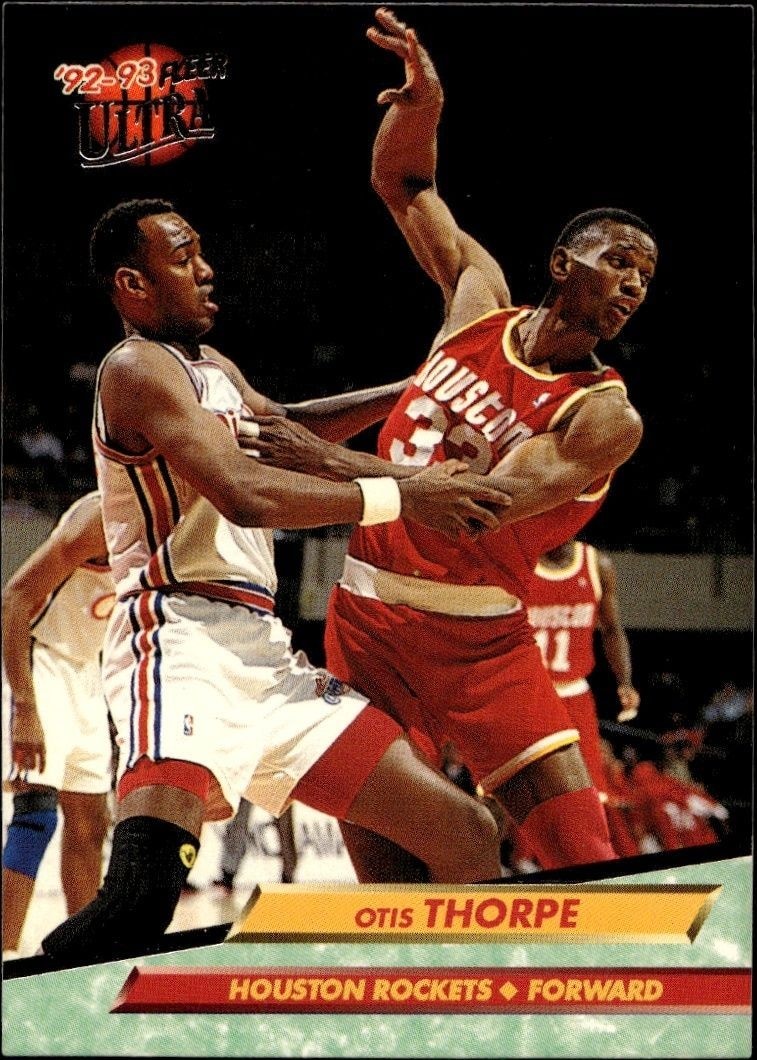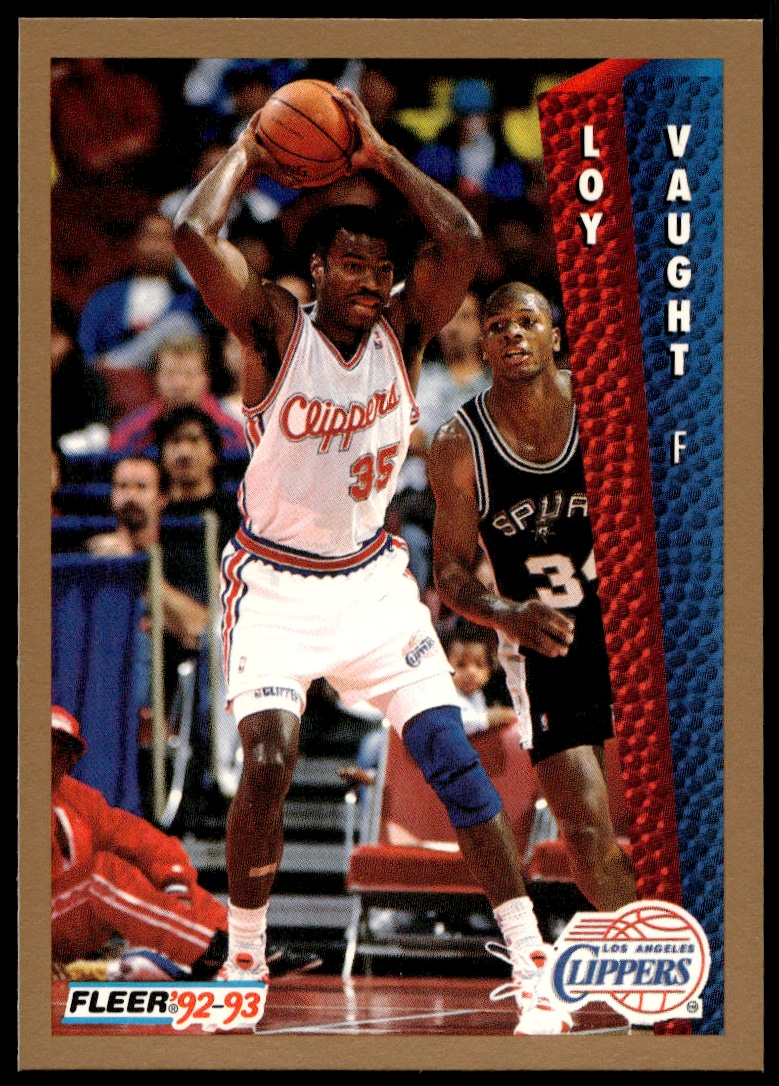
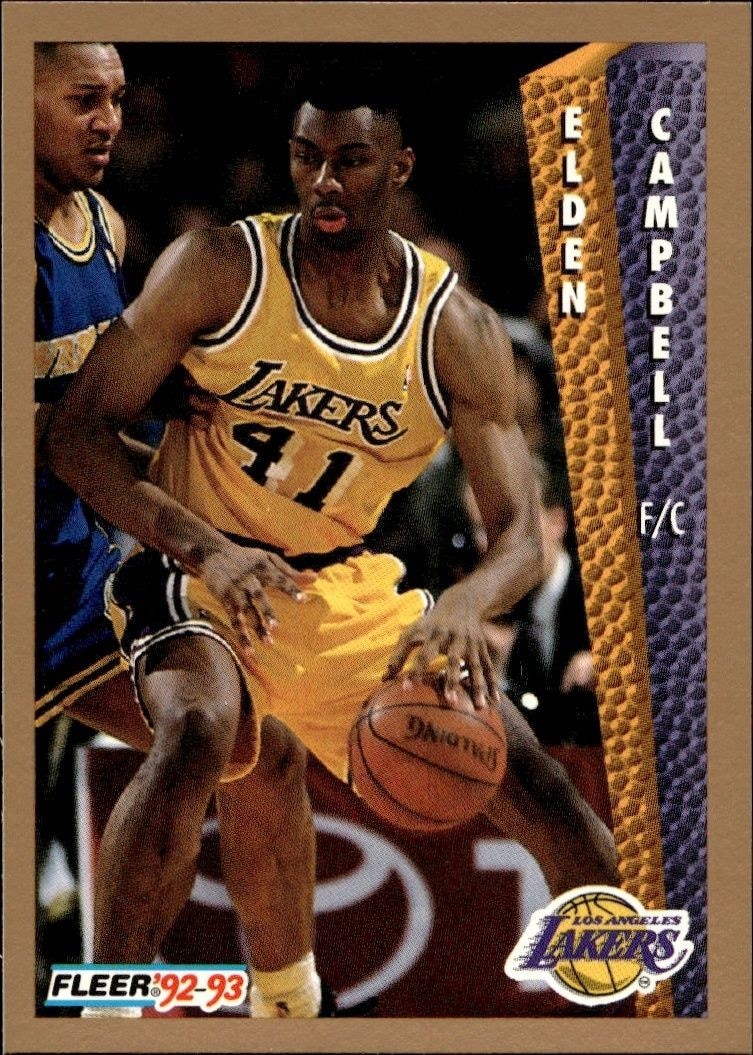


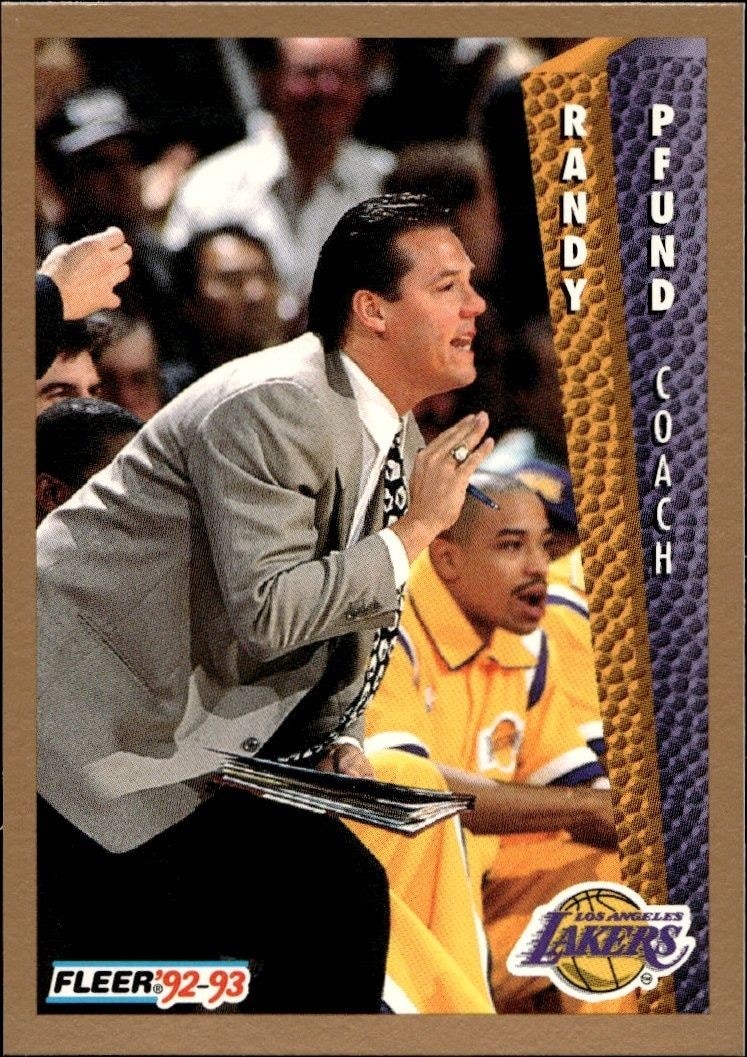


The 1992-93 Fleer Robert Horry #347 card captures the Houston Rockets forward during his early NBA career, offering a tangible piece of 1990s basketball history for dedicated collectors.
1992-93 • Fleer
National Basketball Association • Houston Rockets
Near Mint
347
New
Shipping Calculated at Checkout
30-day Returns| Condition | Value | Source | Trend | Price Details |
|---|---|---|---|---|
$1.42 | Guide Estimate | |||
$5.98 | Guide Estimate | |||
$19.99 | Guide Estimate | |||
$25.00 | Guide Estimate | |||
$34.00 | Guide Estimate | |||
$15.00 | Guide Estimate | |||
$25.81 | Guide Estimate | |||
$15.00 | Guide Estimate | |||
Raw / Ungraded
PriceCharting Price Guide · Guide Estimate evidence · captured Oct 14, 2026
History is building. At least two days of matching observations are needed to show a trend.
Each point is the last stored observation that day for this printing, condition, grader, autograph status and source. Gaps mean no observation; guide estimates and asking prices are not completed sales.The 1992-93 Fleer Robert Horry #347 card represents a significant entry for enthusiasts of 1990s NBA memorabilia. Released by Fleer during the early stages of the Rockets' championship era, this sports card features Robert Horry in his Houston Rockets uniform, documenting a pivotal period in his professional development. As a standard insert from the 1992-93 Fleer set, the card provides collectors with a straightforward yet historically relevant artifact from one of the most competitive decades in basketball. Collectors often seek out this card to complete their 1992-93 Fleer basketball sets or to build comprehensive collections of Houston Rockets history. The card serves as a visual record of Horry’s contributions to the team before his later fame with multiple franchises. For investors and hobbyists alike, items from this era are valued for their nostalgic appeal and their connection to the golden age of the NBA. The simplicity of the design allows the subject to remain the focal point, making it a clean addition to any binder or display case. Whether you are looking to expand your collection of 90s basketball cards or specifically target Houston Rockets alumni, this product offers a direct link to the sport’s rich past. The card’s enduring popularity among fans of the era underscores its status as a staple for serious collectors who appreciate the history embedded in each issue.
6 days ago
We'll pre-fill the product details from this catalog entry, so your listing lands on this exact page. Just add photos of your copy, pick its condition, and set your price.
The catalog profile below summarizes the card identity, featured subject, and notable collectible traits.
The subject, team, league, and sport context tied to this card.
Production details and format-specific attributes.
Material
Card Stock
Language
English
Compare prices, grades, photos, and shipping from approved sellers.
New
Near Mint
See how many public collections currently include this card.
0 collectors have this card
This 1992-93 Fleer Robert Horry card represents an entry-level tier within the subject's portfolio, reflecting its status as a base rookie card from a major mainstream set. While it lacks the premium valuation of graded examples or special inserts, it serves as the foundational collectible for investors tracking Horry's career significance. The current market positioning indicates high liquidity for casual collectors but limited upside compared to rare parallels or high-grade specimens.
As a standard base card with no noted serial numbering, short-print designation, or parallel attributes, this item carries the highest possible supply within the 1992-93 Fleer set. The absence of unique scarcity mechanics means it is subject to the broad distribution typical of mainstream basketball releases. Consequently, it does not benefit from the supply constraints that drive value in limited-edition or one-of-one formats.
The rookie-card premium mechanics for this issue are mitigated by the sheer volume of base cards produced, keeping it accessible to new collectors rather than high-end investors. Demand is likely driven by nostalgia and the completionist needs of 1990s NBA set builders rather than speculative growth. It offers a low-risk entry point for portfolio diversification but is unlikely to outperform scarce variants from the same era.