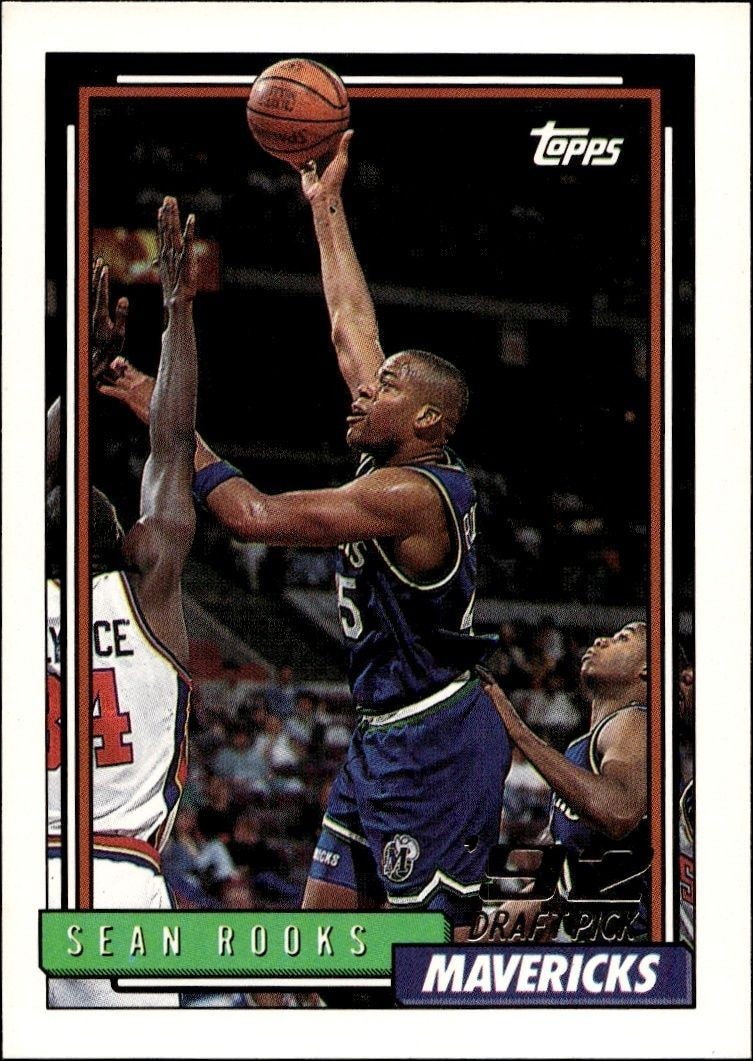




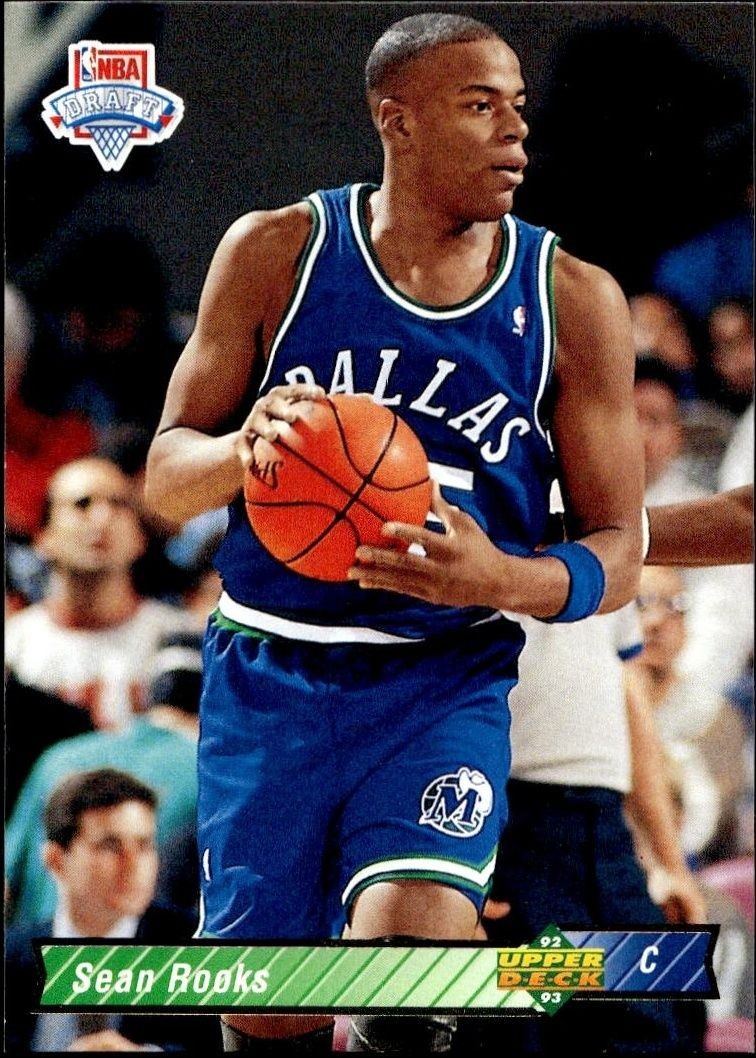
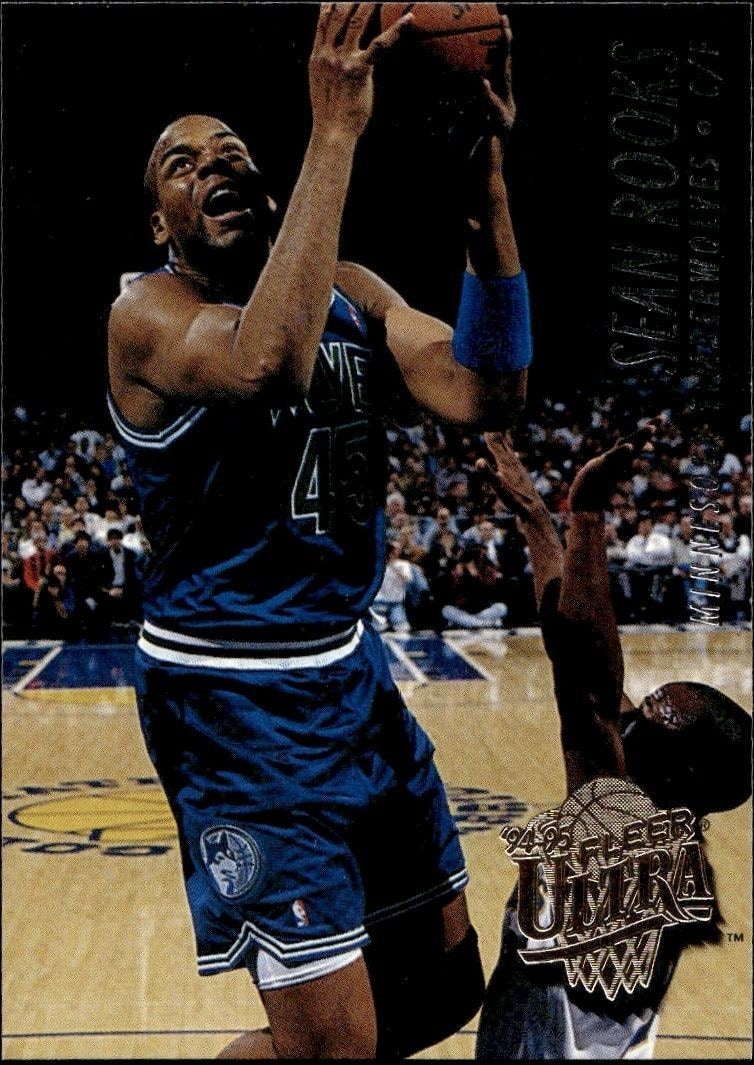

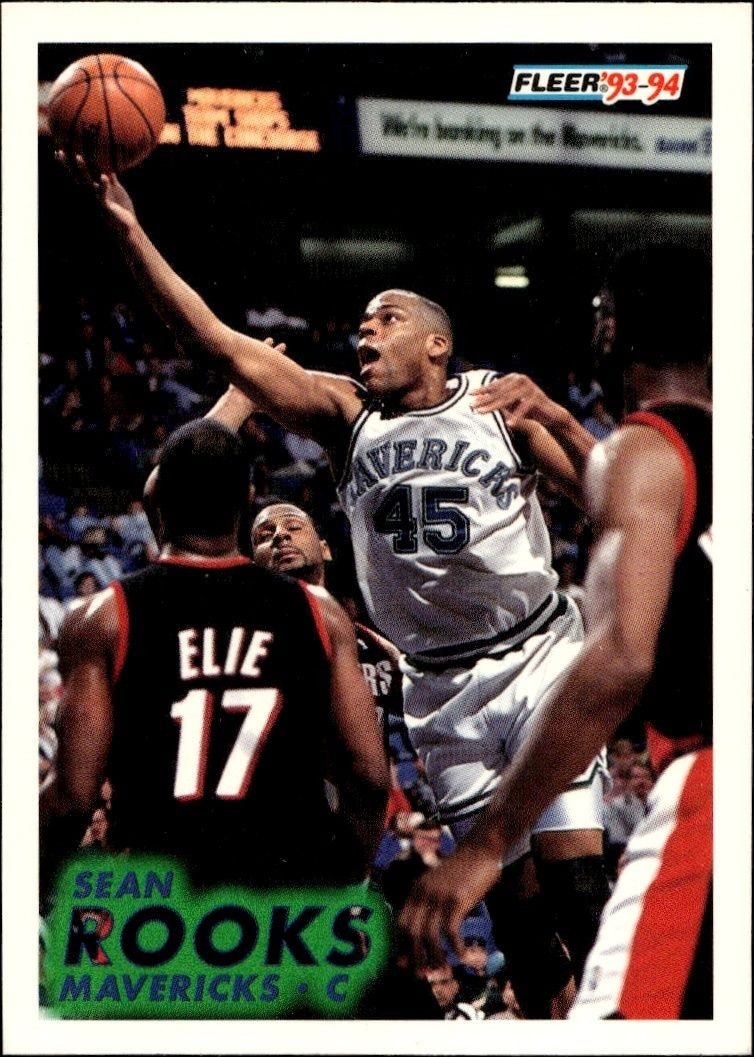
The 1992-93 Fleer #325 Sean Rooks card captures the Dallas Mavericks center during his early NBA tenure, offering a distinct piece of 1990s basketball history.
1992-93 • Fleer
National Basketball Association • Dallas Mavericks
Excellent
325
New
Shipping Calculated at Checkout
30-day Returns| Condition | Value | Source | Trend | Price Details |
|---|---|---|---|---|
$0.99As of 9/29/2026 | Asking Prices | 0% | ||
Raw / Ungraded
eBay Active Listings · Asking Prices evidence · captured Sep 29, 2026
The 1992-93 Fleer #325 Sean Rooks card offers a definitive snapshot of the Dallas Mavericks center during a pivotal era of NBA history. Sean Rooks, known for his physical presence and rebounding ability, appears in this card number, marking his second season in the league after his initial rookie campaign the previous year. Collectors often seek this card number to complete their base sets, as the 1992-93 Fleer release is widely regarded as a cornerstone for vintage basketball enthusiasts. For those building a comprehensive collection of Mavericks history or focusing on the broader NBA landscape of the early 90s, the Sean Rooks #325 card serves as an essential component. Investing in vintage cards from this era has gained significant traction among hobbyists looking for tangible pieces of sports memorabilia that predate the modern saturation of parallel and insert cards. The 1992-93 Fleer brand continues to hold a strong reputation in the secondary market, with base cards like this one remaining accessible yet highly collectible. Whether you are a dedicated set builder or a casual fan of the Mavericks, acquiring this card adds a layer of authenticity to your display. The card stands as a testament to the era's design simplicity and the enduring appeal of NBA legends from the 1990s. For collectors interested in the evolution of basketball trading cards, this product provides a clear reference point for the design standards of the early 90s. It bridges the gap between the classic 80s aesthetics and the more complex designs that would follow in subsequent years. The 1992-93 Fleer #325 Sean Rooks card remains a popular choice for those who appreciate the raw, unadulterated presentation of vintage sports cards.
6 hours ago
We'll pre-fill the product details from this catalog entry, so your listing lands on this exact page. Just add photos of your copy, pick its condition, and set your price.
The catalog profile below summarizes the card identity, featured subject, and notable collectible traits.
The subject, team, league, and sport context tied to this card.
Production details and format-specific attributes.
Material
Card Stock
Language
English
Compare prices, grades, photos, and shipping from approved sellers.
New
Excellent
See how many public collections currently include this card.
0 collectors have this card
This 1992-93 Fleer card of Sean Rooks sits at the entry-level tier of the modern basketball card market, reflecting his status as a role player rather than a franchise cornerstone. The current valuation indicates a commodity-grade asset with minimal premium, typical for base cards of non-star players from this era. Its market position is defined by accessibility rather than exclusivity, appealing primarily to budget-conscious completists filling gaps in Mavericks or Fleer base set collections.
The card possesses no special scarcity attributes, indicating it is a standard base parallel with an unrestricted print run. Without serial numbering, short-print designations, or unique parallels, the supply is effectively infinite relative to collector demand. This lack of limiting mechanics means the card does not benefit from artificial scarcity or graded exclusivity, keeping its rarity profile at the lowest end of the spectrum.
As a non-rookie base card, this item lacks the rookie-card premium mechanics that typically drive significant appreciation in the basketball market. The investment outlook is constrained by the player's limited career significance and the high volume of available inventory from the Fleer brand. While it serves as a cost-effective component for set-building, it offers little potential for capital appreciation compared to higher-tier parallels or star player equivalents.