1 / 2
About This Card
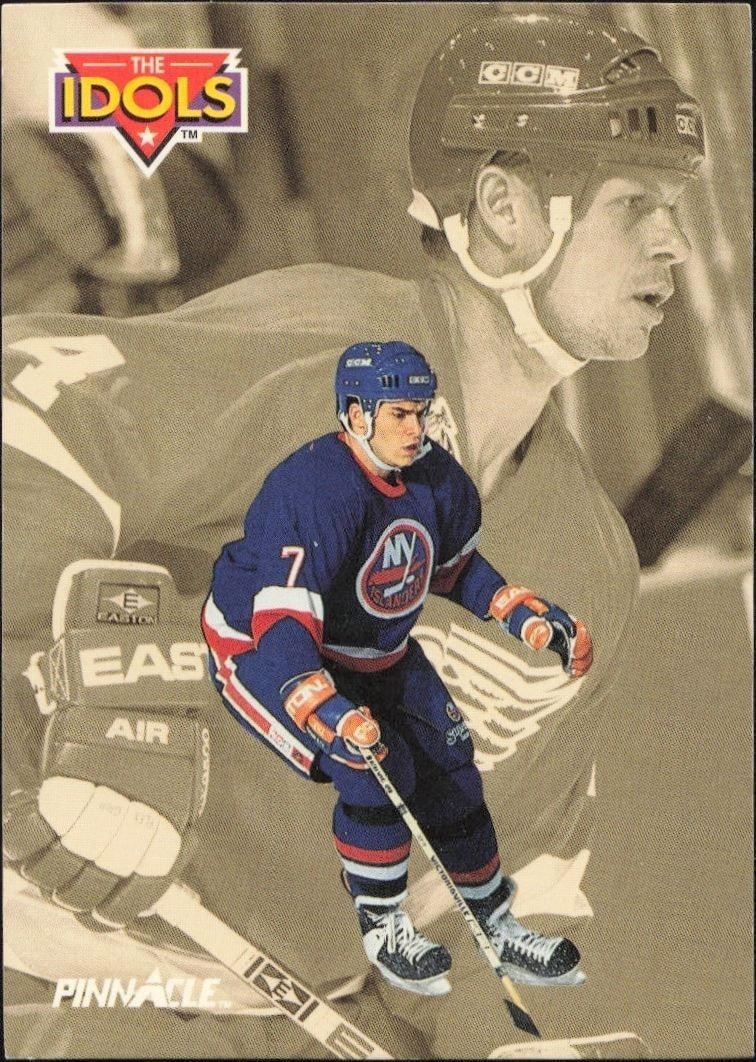
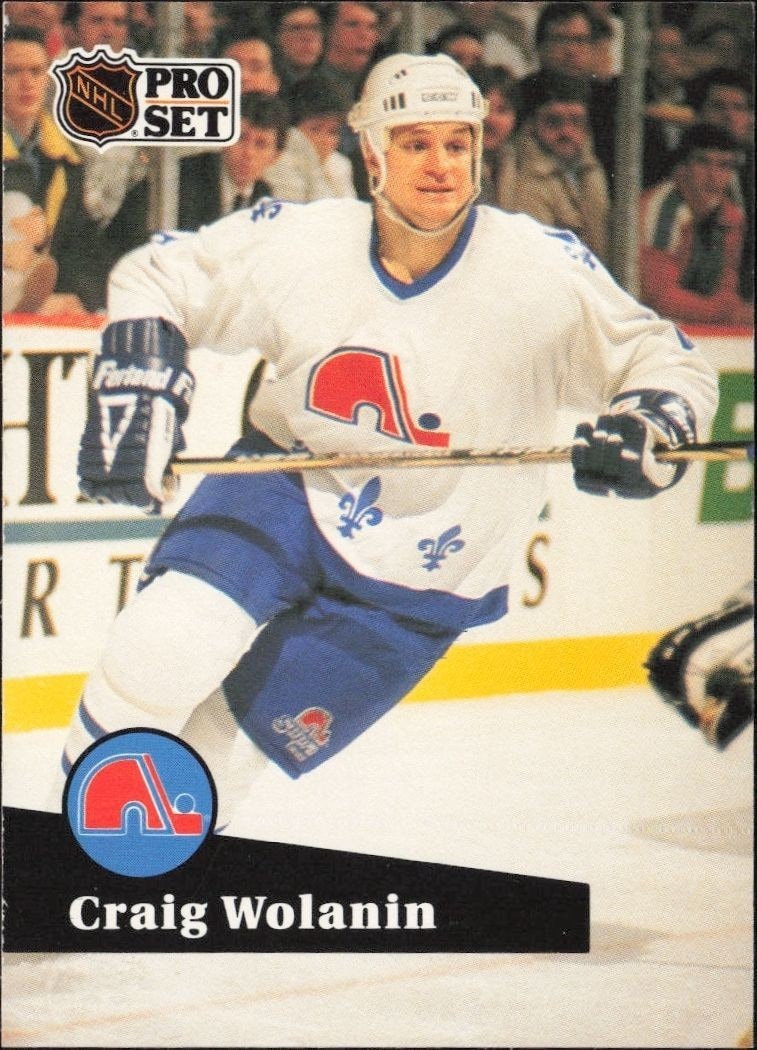
The 1992-93 Pinnacle Craig Wolanin #107 card features the Quebec Nordiques forward in a classic hockey trading card format.
Craig Wolanin
1992-93 • Pinnacle
National Hockey League • Quebec Nordiques
Seller Offer
1 available$2.99
Active-Listing Market: $0.69
Updated about 9 hours ago333% above
Condition
Near Mint
Card Number
107
Loading express checkout
Primary Seller
New
Shipping Calculated at Checkout
Arrives in 4-6 daysEstimated delivery November 20, 2026 - November 22, 2026
30-day ReturnsMarket & Price History
| Condition | Value | Source | Trend | Price Details |
|---|---|---|---|---|
$0.69 | Asking Prices | |||
- $0.69
- Source
- Asking Prices
- Trend
- Price Details
30-day Price History
Raw / Ungraded
eBay Active Listings · Asking Prices evidence · captured Nov 16, 2026
History is building. At least two days of matching observations are needed to show a trend.
Each point is the last stored observation that day for this printing, condition, grader, autograph status and source. Gaps mean no observation; guide estimates and asking prices are not completed sales.Product Overview
Description
The 1992-93 Pinnacle Craig Wolanin #107 card captures the essence of early 1990s hockey collectibles, specifically highlighting the Quebec Nordiques roster. Released during a pivotal era for the National Hockey League, this trading card serves as a tangible piece of sports history for fans and researchers alike. The design reflects the aesthetic sensibilities of the time, offering a clean presentation of the player that appeals to those who appreciate the visual evolution of hockey card production. Craig Wolanin’s tenure with the Nordiques is a notable chapter for collectors who focus on team-specific histories or the broader landscape of 1990s NHL talent. As card number 107 in the Pinnacle base set, it provides a straightforward addition to any collection dedicated to the Quebec franchise or the specific 1992-93 season. For investors and hobbyists, vintage hockey cards from this period are increasingly valued for their connection to a distinct era of professional sports, where the production quality and design language differ significantly from modern releases. Whether you are looking to complete a team set, acquire a specific player’s card from a particular season, or explore the market for 1990s hockey inserts, this product offers a foundational element for serious study and display. The enduring appeal of cards like the 1992-93 Pinnacle release lies in their ability to preserve the visual identity of the league during its growth phase, making them relevant for both nostalgic collectors and new enthusiasts entering the hobby. Collecting vintage hockey cards requires an eye for detail and an appreciation for the context in which they were produced. This card stands as a representative piece of that history, allowing collectors to engage with the past through a physical artifact. By focusing on the identity of the player, the team, and the specific year, collectors can build a more comprehensive understanding of the sport's heritage.
Last Listing Activity
11/1/26
Seller Action
Have one of these to sell?
We'll pre-fill the product details from this catalog entry, so your listing lands on this exact page. Just add photos of your copy, pick its condition, and set your price.
Product Specs
Card Details
The catalog profile below summarizes the card identity, featured subject, and notable collectible traits.
Featured Subject
The subject, team, league, and sport context tied to this card.
Print Details
Production details and format-specific attributes.
Material
Card Stock
Language
English
Available Offers
Available Offer for This Card (1)
Compare prices, grades, photos, and shipping from approved sellers.
Featured Offer
New
Condition
Near Mint
Seller PriceShipping Extra
$2.99
Arrives in 4-6 days
Estimated delivery November 20, 2026 - November 22, 2026Collector Ownership
Owned by Collectors
See how many public collections currently include this card.
0 collectors have this card
SuperCatch Expert Analysis
Market Value Insight
This 1992-93 Pinnacle card of Craig Wolanin represents a low-tier entry point within the NHL hockey collectibles market, reflecting his role as a depth player rather than a primary star. With an active listing indicating limited immediate liquidity, the card currently trades at a modest valuation relative to high-profile teammates or league icons from the Quebec Nordiques era. The absence of premium attributes keeps it firmly in the bulk or low-cost accumulation category for collectors focusing on team completeness.
Rarity Breakdown
As a standard base card from the 1992-93 Pinnacle set, this item carries no specific scarcity mechanics such as serial numbering, short-print status, or parallel variants. Its supply is determined solely by the original print run of the base set, meaning it is widely available in both raw and graded conditions. Consequently, the card lacks the structural rarity drivers that typically isolate specific issues from the broader mass-produced market.
Investment Outlook
The investment potential is constrained by the card's position as a non-rookie, base-issue item featuring a player with limited long-term historical prominence. Collector demand is likely driven primarily by niche team-set builders seeking specific fillers rather than speculative investors targeting appreciation. Without unique attributes or rookie status to drive premium interest, the card serves more as a functional component for collection completion than a standalone asset for growth.
AI-Generated Editorial Analysis
FAQ
Frequently Asked Questions
What era does the 1992-93 Pinnacle set represent?
The 1992-93 Pinnacle set represents the early 1990s era of the National Hockey League. This period is significant for collectors as it captures the league during a time of expansion and shifting team dynamics, particularly for franchises like the Quebec Nordiques.
Why is the Quebec Nordiques team important for collectors?
The Quebec Nordiques are a historic NHL franchise that later relocated to become the Colorado Avalanche. Collectors often seek cards from this era to document team history or to complete sets of players who were part of the franchise before its relocation.
How does the Pinnacle brand appeal to hockey card collectors?
Pinnacle was a major manufacturer in the 1990s known for its distinct design and production quality. Collectors value Pinnacle cards for their role in defining the visual style of hockey trading cards during the league's growth phase in the early 1990s.