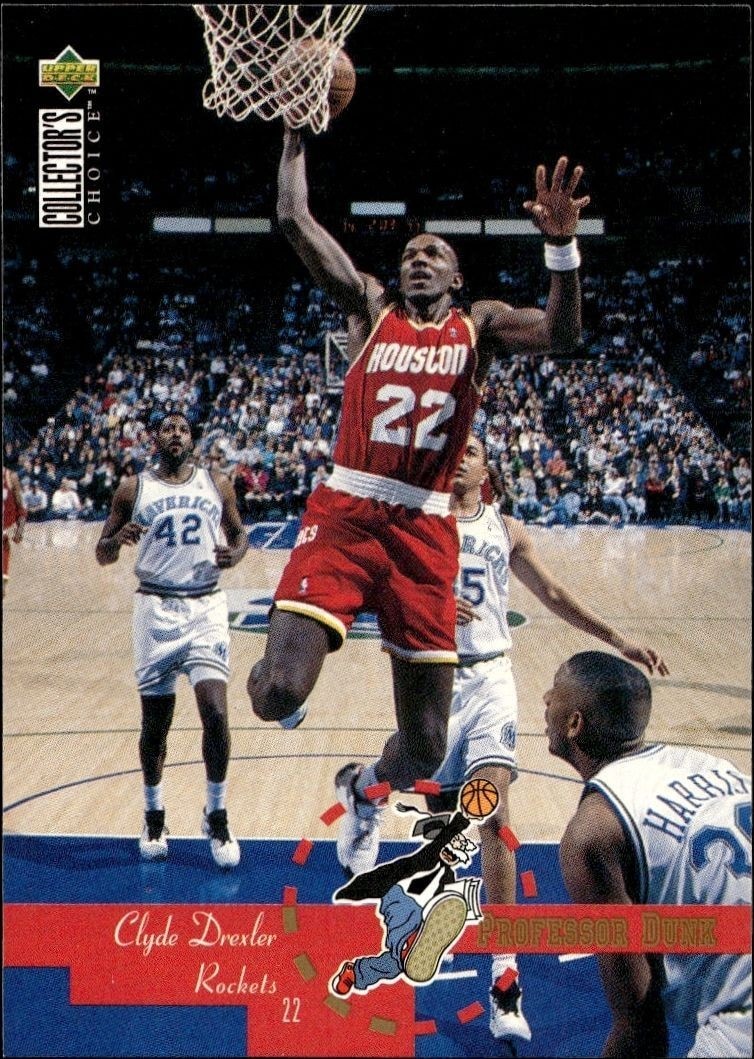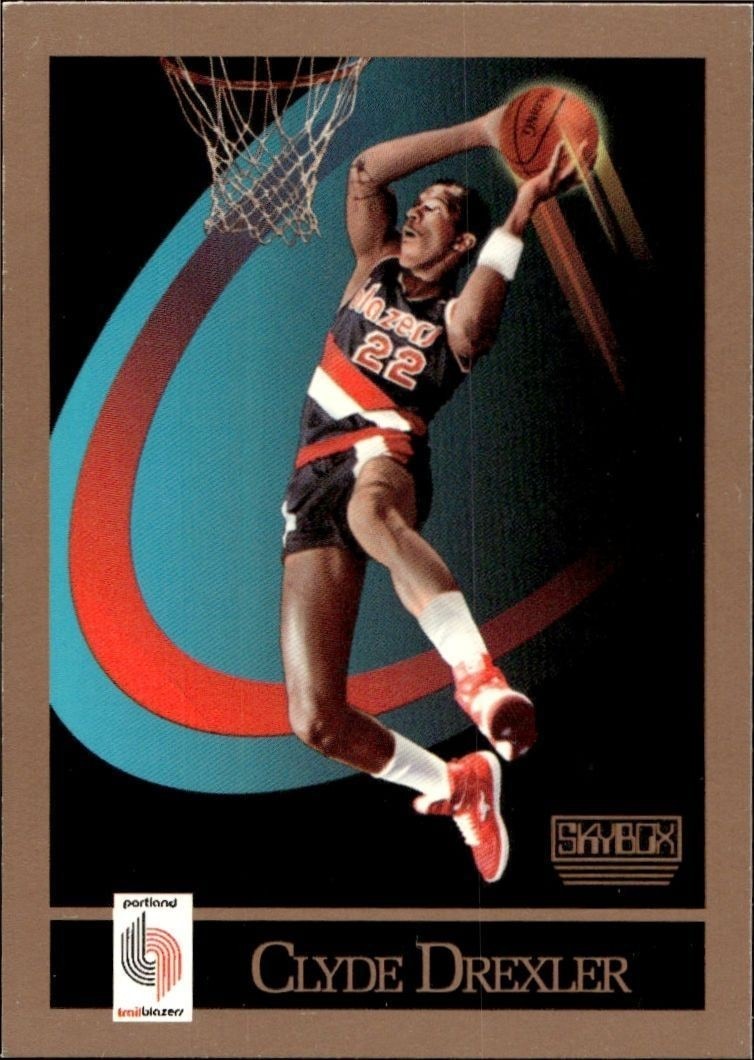


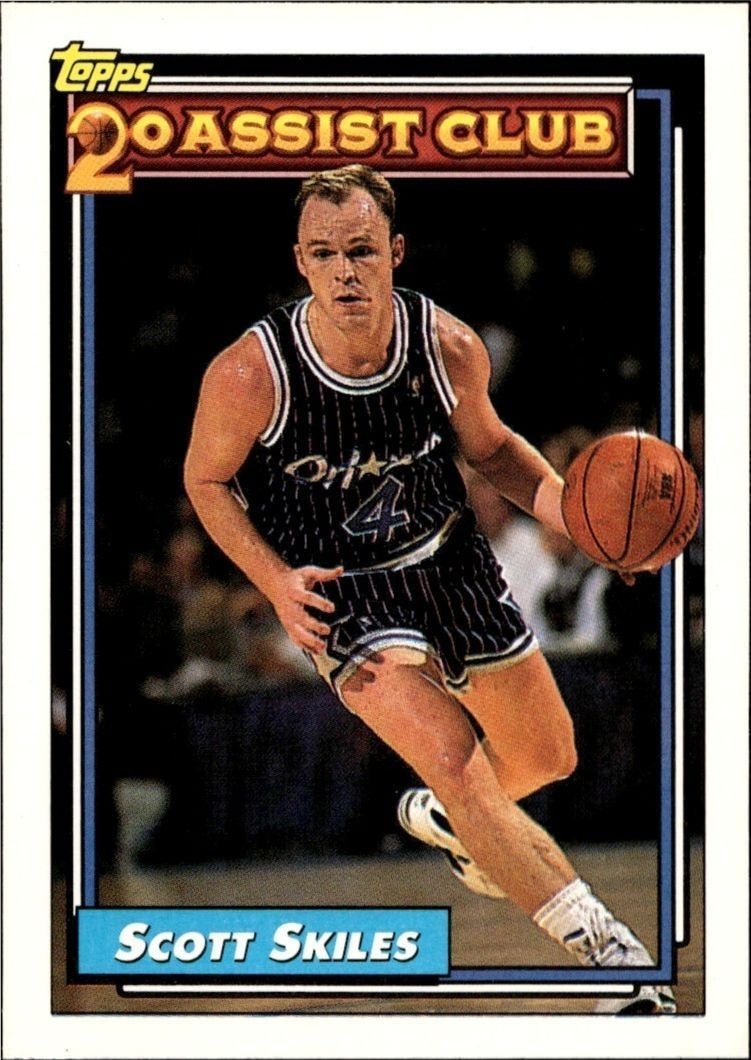
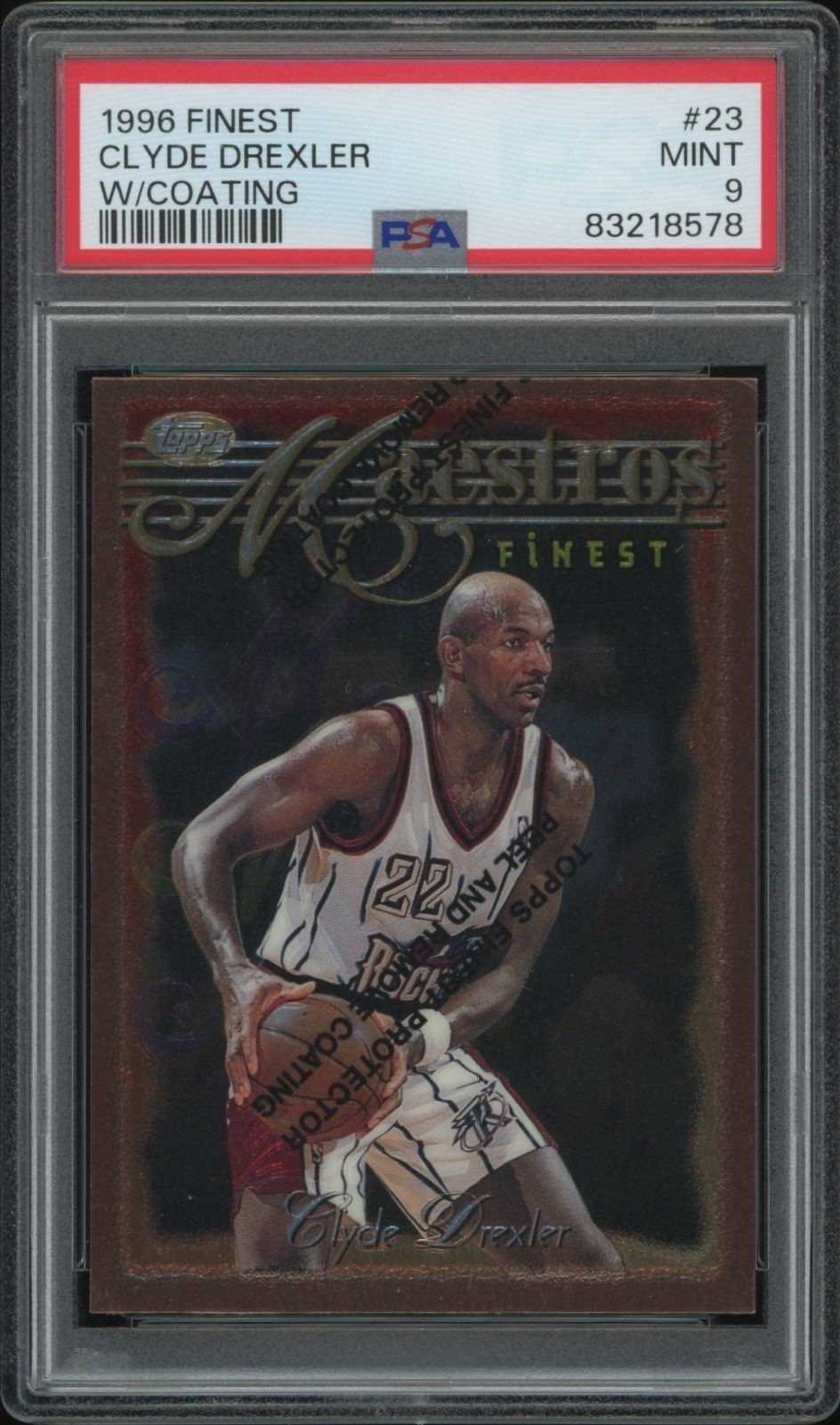
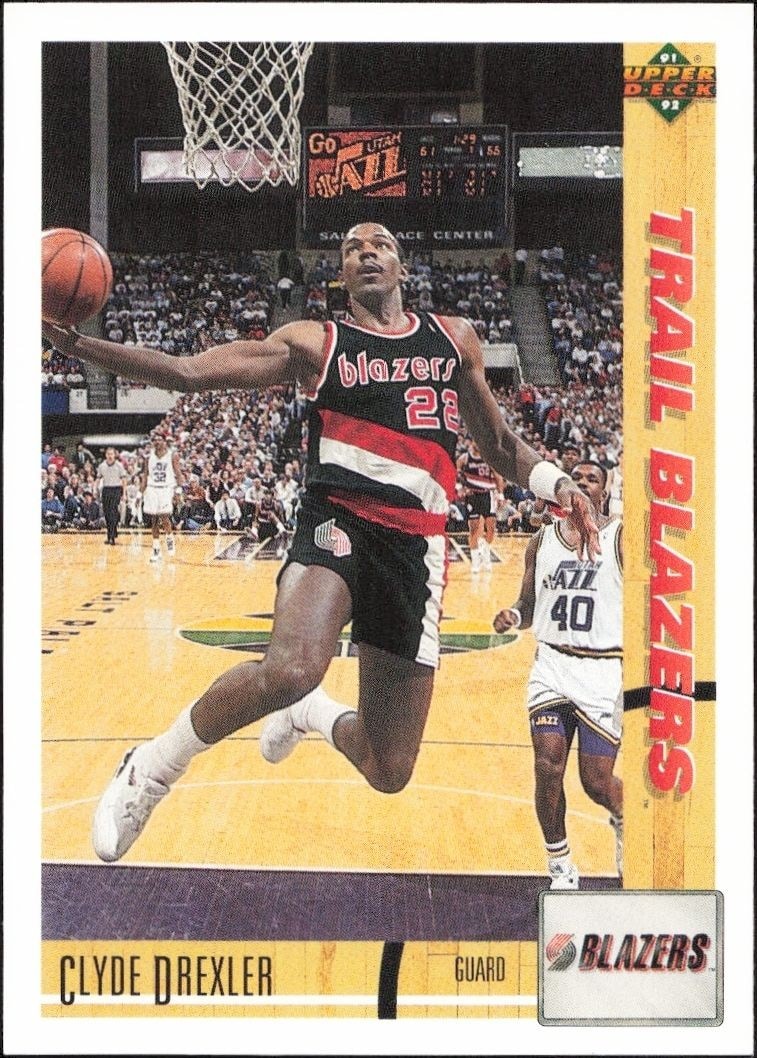
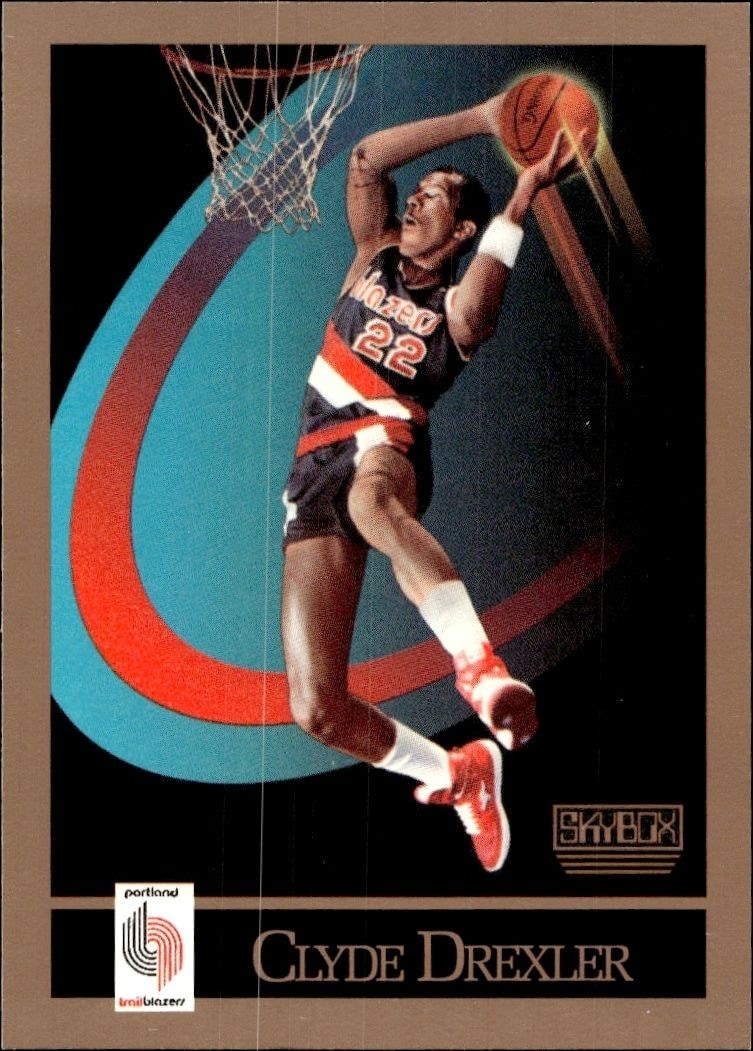
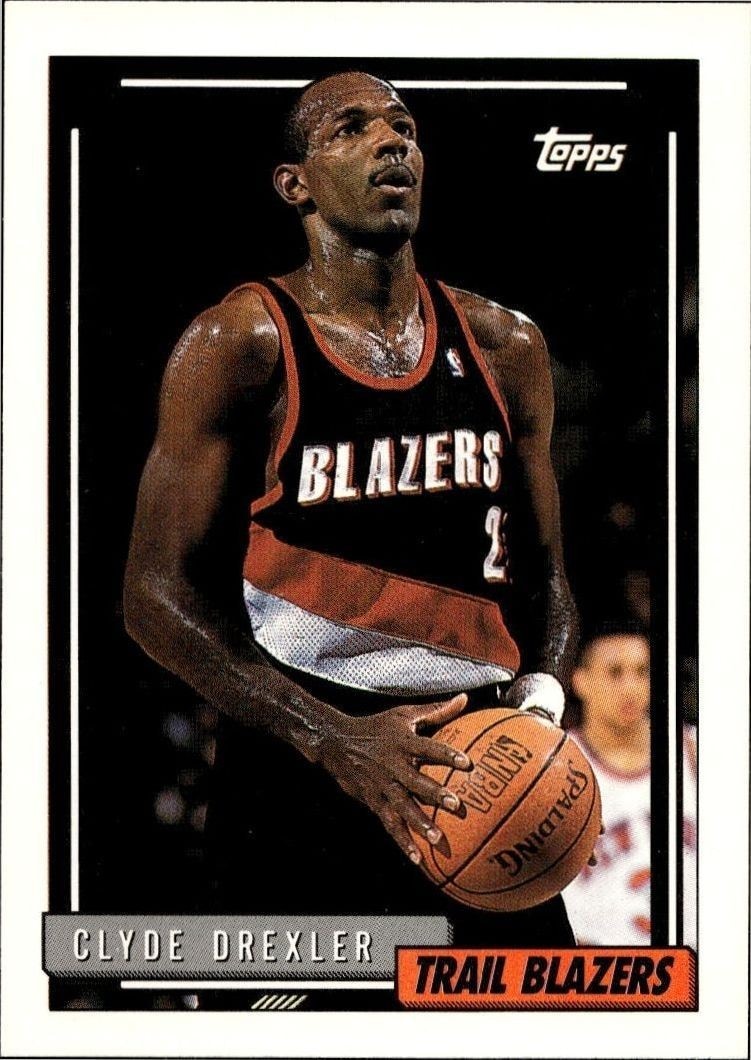
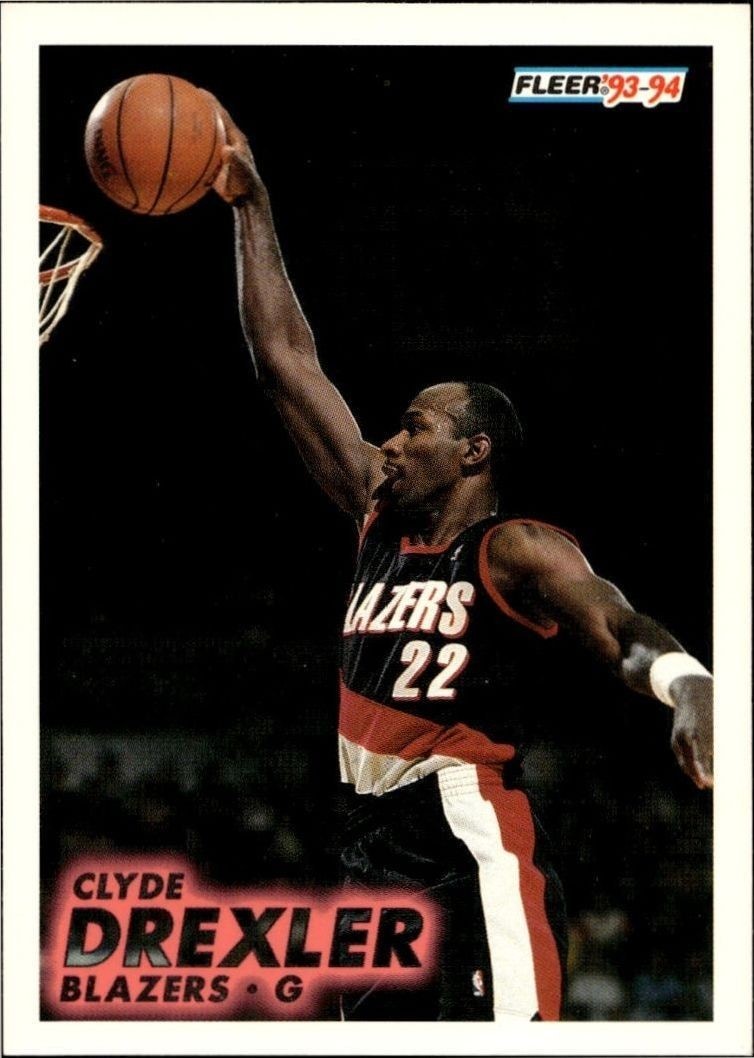
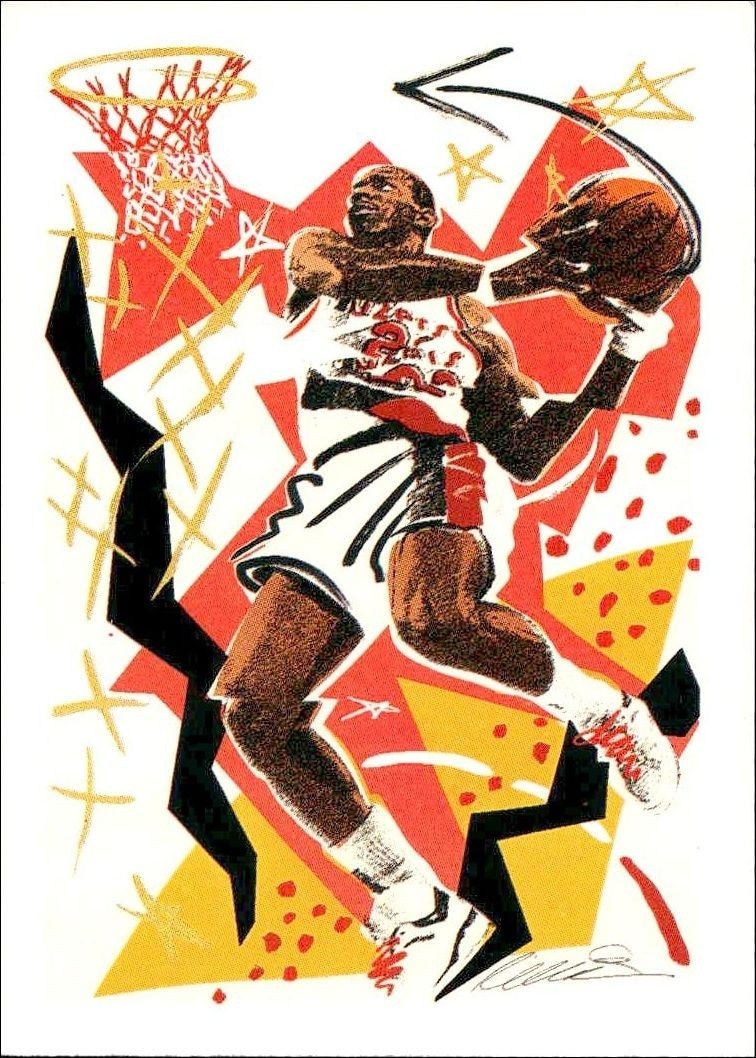
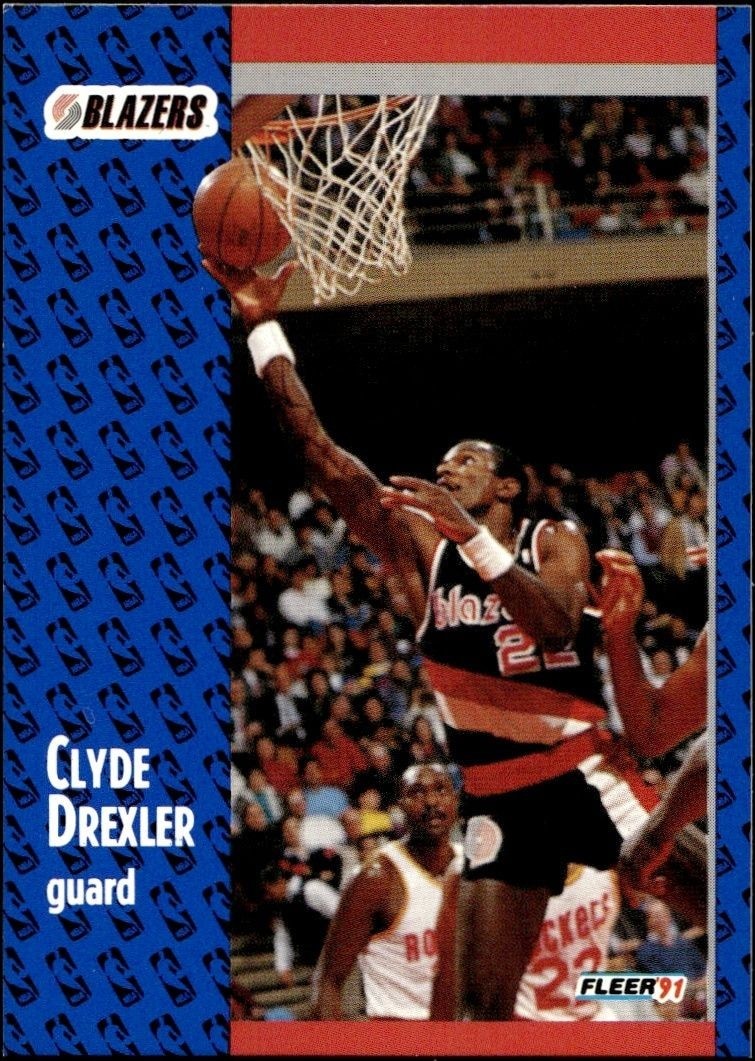
The 1992-93 Topps #212 card featuring Clyde Drexler of the Portland Trail Blazers, capturing a pivotal era in NBA history.
1992-93 • Topps
National Basketball Association • Portland Trail Blazers
Near Mint
212
New
Shipping Calculated at Checkout
Arrives in 4-6 daysEstimated delivery October 23, 2026 - October 25, 2026
Seller returns October 19, 2026.30-day Returns| Condition | Value | Source | Trend | Price Details |
|---|---|---|---|---|
$7.56 | Guide Estimate | -0.4% | ||
$0.40As of 9/23/2026 | Completed Sales | |||
$8.99 | Guide Estimate | 0% | ||
$10.00 | Guide Estimate | 0% | ||
$21.00 | Guide Estimate | 0% | ||
$10.00 | Guide Estimate | 0% | ||
$16.49 | Guide Estimate | 0% | ||
$10.00 | Guide Estimate | 0% | ||
Raw / Ungraded
PriceCharting Price Guide · Guide Estimate evidence · captured Oct 14, 2026
The 1992-93 Topps release remains a cornerstone for basketball collectors, and card number 212 featuring Clyde Drexler holds a distinct place within that catalog. During the 1992-93 season, Drexler was a defining force for the Portland Trail Blazers, anchoring their offensive attack in the NBA. This card serves as a tangible link to that competitive period, allowing enthusiasts to engage with the visual identity and branding of the Topps brand from the early 1990s. For investors and set builders, this card represents the standard design language of the era. Drexler’s presence on this card appeals to those who track the trajectory of star athletes who shaped the league during the decade. The card’s number, 212, places it within the main base set, which is often pursued by collectors aiming to complete the full run. Collecting this product involves understanding the historical context of the Portland Trail Blazers’ roster composition. Fans of the team often seek out cards from this era to document the lineage of their favorite organization. Similarly, general basketball collectors may value this card for its representation of a key player during a highly competitive time in the NBA. The durability and availability of 1992-93 Topps cards make them a popular choice for both new and seasoned hobbyists. Whether you are looking to fill a gap in a personal collection or add a piece of NBA history to your inventory, the 1992-93 Topps Clyde Drexler #212 card offers a clear connection to the sport’s past. Its status within the Topps brand ensures it remains a recognizable and respected item for anyone interested in the evolution of sports trading cards.
1 day ago
We'll pre-fill the product details from this catalog entry, so your listing lands on this exact page. Just add photos of your copy, pick its condition, and set your price.
The catalog profile below summarizes the card identity, featured subject, and notable collectible traits.
The subject, team, league, and sport context tied to this card.
Production details and format-specific attributes.
Material
Card Stock
Language
English
Compare prices, grades, photos, and shipping from approved sellers.
New
Near Mint
See how many public collections currently include this card.
0 collectors have this card
This 1992-93 Topps base card of Clyde Drexler represents an entry-level tier within his broader portfolio, reflecting its status as a standard issue rather than a premium insert. While Drexler commands respect as a franchise icon for the Portland Trail Blazers, this specific base parallel lacks the scarcity drivers that typically elevate a player's market value significantly. It trades in a volume-driven segment where condition and centering are the primary differentiators for pricing.
The card carries no special rarity attributes, identifying it as a standard base print from the 1992-93 Topps basketball set. As a non-serial numbered, non-parallel item, its supply is constrained only by the original print run of the base set, making it widely available in the secondary market. This lack of exclusive features means it does not benefit from the supply shocks associated with short prints, one-of-ones, or limited edition parallels.
Investment potential is moderated by the card's position as a common base issue, which typically sees slower appreciation compared to rookie cards or high-end inserts of the same player. Demand is likely driven by budget-conscious collectors seeking to complete base set milestones for the Trail Blazers era rather than speculative investors. Long-term value retention will depend heavily on the overall market health of 1990s NBA basketball rather than unique scarcity mechanics inherent to this specific item.