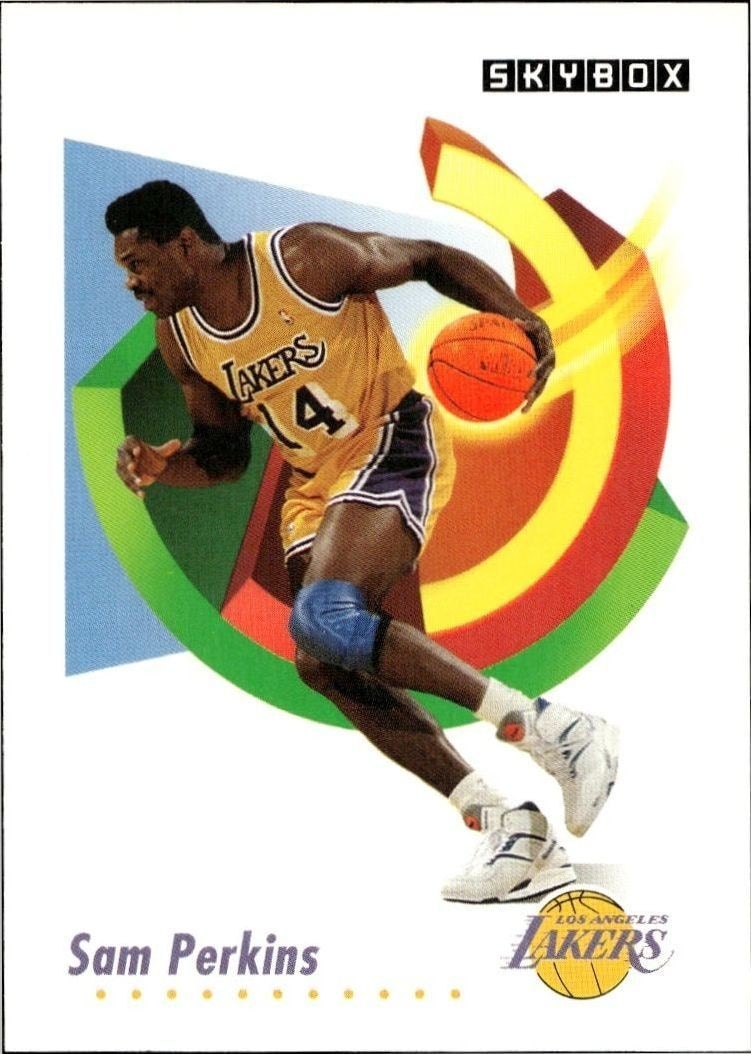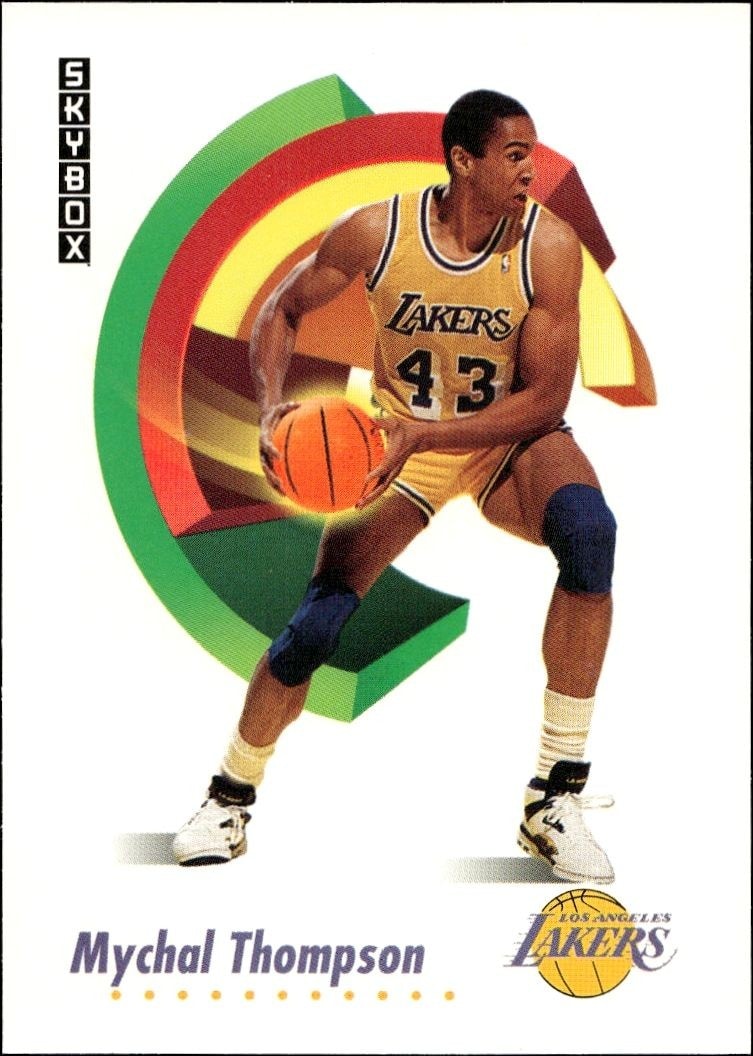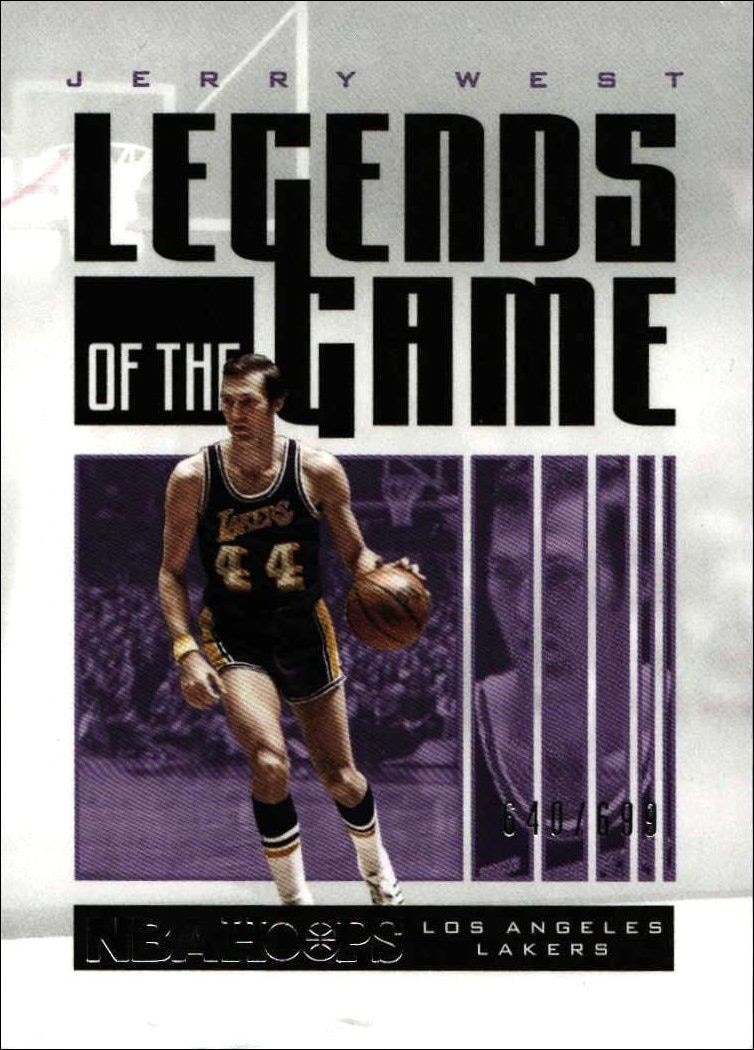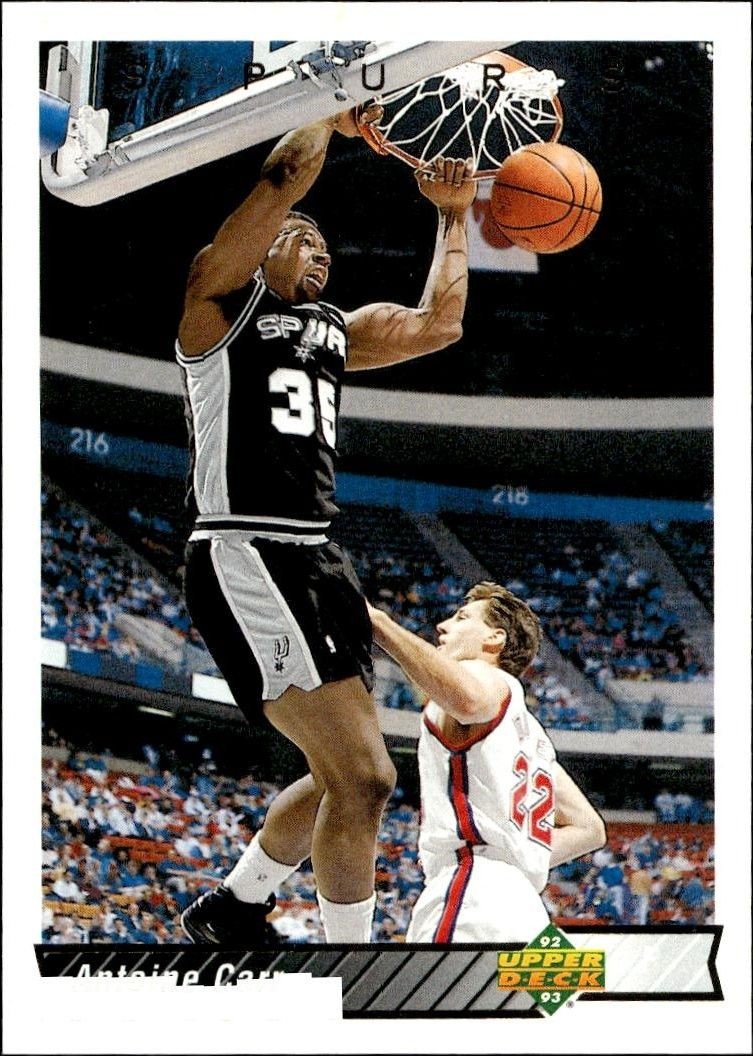



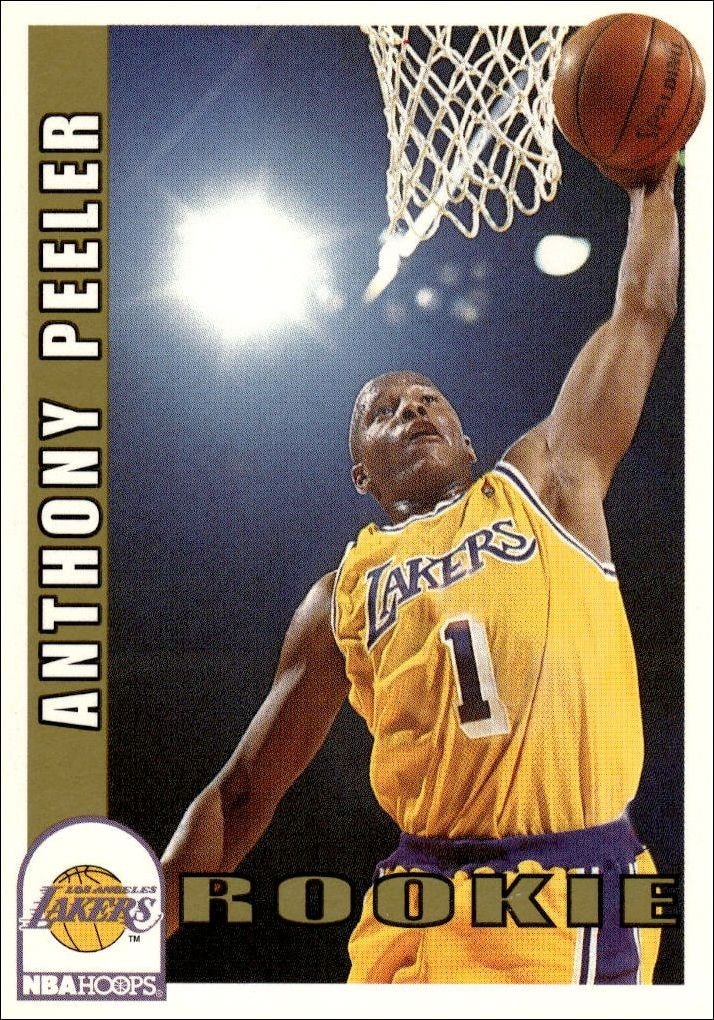
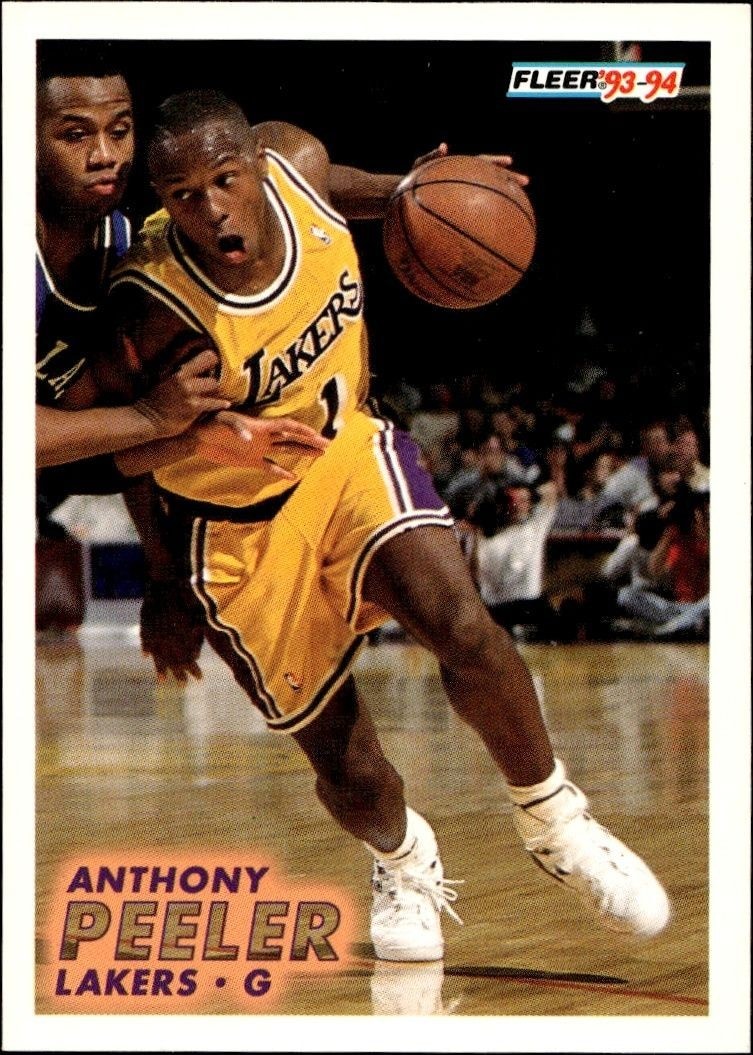
Acquire the 1992-93 Upper Deck Anthony Peeler #11 basketball trading card, a staple of NBA vintage collecting featuring the Los Angeles Lakers guard.
1992-93 • Upper Deck
National Basketball Association • Los Angeles Lakers
Near Mint
11
New
Shipping Calculated at Checkout
This seller is away until 10/19/2026 — orders are still accepted and ship after they return.30-day Returns| Condition | Value | Source | Trend | Price Details |
|---|---|---|---|---|
$1.24As of 9/25/2026 | Guide Estimate | |||
$1.75As of 4/16/2026 | Evidence Type Unavailable | |||
$34.00As of 9/25/2026 | Guide Estimate | |||
$16.00As of 9/25/2026 | Guide Estimate | |||
$26.00As of 9/25/2026 | Guide Estimate | |||
$16.00As of 9/25/2026 | Guide Estimate | |||
Raw / Ungraded
PriceCharting Price Guide · Guide Estimate evidence · captured Sep 25, 2026
History is building. At least two days of matching observations are needed to show a trend.
Each point is the last stored observation that day for this printing, condition, grader, autograph status and source. Gaps mean no observation; guide estimates and asking prices are not completed sales.The 1992-93 Upper Deck Anthony Peeler #11 card represents a specific era of NBA basketball history, capturing the Los Angeles Lakers during a pivotal time in franchise lore. As a member of Upper Deck's foundational basketball release, this card number is recognized by collectors who appreciate the brand's early impact on the sports trading card industry. The design reflects the aesthetic standards of the early 1990s, offering a nostalgic look at players who defined the league during that decade. Anthony Peeler, known for his defensive prowess and three-point shooting, is featured prominently on this card. For collectors focusing on Los Angeles Lakers memorabilia, this card serves as an essential component for building comprehensive team sets. Vintage basketball cards from this period are highly sought after by investors and hobbyists alike. Whether you are looking to complete a roster of Lakers cards or simply appreciate the history of the NBA, this Anthony Peeler card offers a tangible connection to the game's past. The marketplace caters to both casual fans and serious investors, offering a diverse selection of cards from various eras and brands. The enduring appeal of 1990s basketball cards lies in their simplicity and the historical significance of the players featured. Anthony Peeler's tenure with the Lakers adds a layer of interest for fans of the team's history. As the market for vintage sports collectibles continues to grow, cards like this one remain a solid choice for those looking to add a piece of NBA history to their collection.
7 hours ago
We'll pre-fill the product details from this catalog entry, so your listing lands on this exact page. Just add photos of your copy, pick its condition, and set your price.
The catalog profile below summarizes the card identity, featured subject, and notable collectible traits.
The core identity of the card within the set.
The subject, team, league, and sport context tied to this card.
Production details and format-specific attributes.
Material
Card Stock
Language
English
Compare prices, grades, photos, and shipping from approved sellers.
New
Near Mint
See how many public collections currently include this card.
0 collectors have this card
This 1992-93 Upper Deck base card of Anthony Peeler sits at a modest entry-level price point, reflecting his role as a rotation player for the Los Angeles Lakers during a high-profile era. The current market positioning indicates a stable, low-tier asset typical of non-rookie, non-star base cards from this specific production run. Value is derived primarily from its completeness within a set rather than individual player hype or scarcity premiums.
As a standard base card with no noted special attributes such as parallels, serial numbering, or short-print status, this item carries the highest possible supply within the Upper Deck 1992-93 basketball set. The lack of limited edition mechanics means that availability is determined solely by general market circulation and collector retention rates. Consequently, the card does not benefit from scarcity-driven price supports that characterize rarer variations of the same product.
Investment potential is limited by the card's status as a non-rookie base issue, which typically lacks the appreciation mechanics seen in early-career or iconic parallels. Collector demand is driven by the need for set completion rather than speculative growth, given the abundance of similar base cards from the early 1990s. The asset serves best as a filler component for a complete set rather than a standalone growth vehicle.