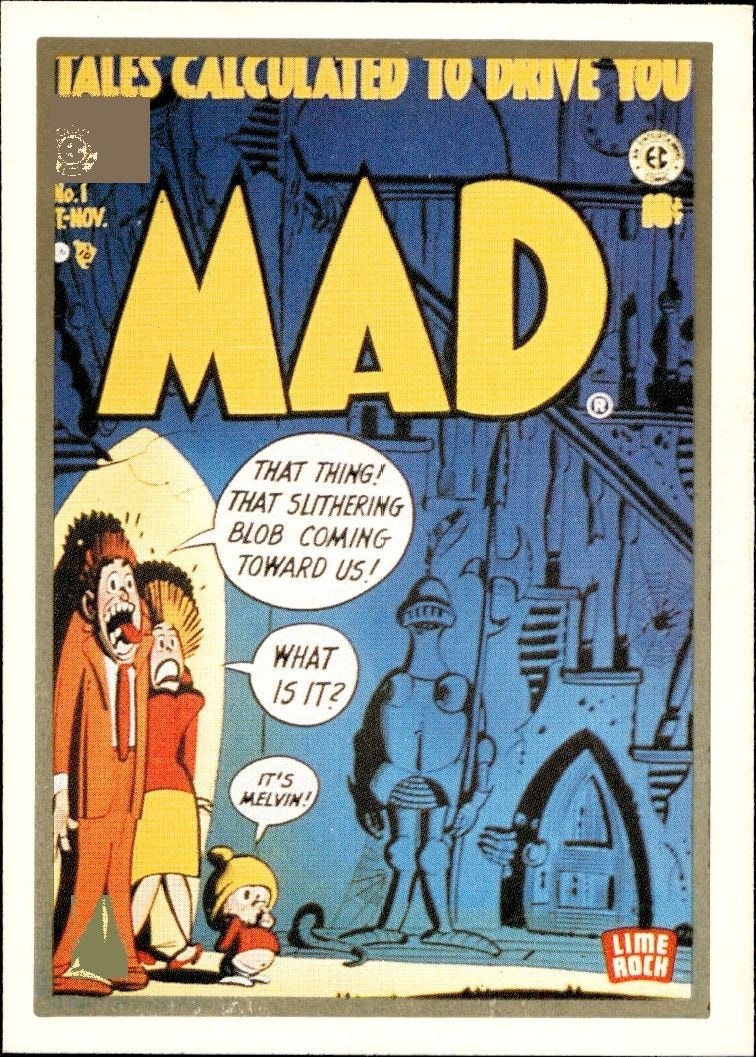
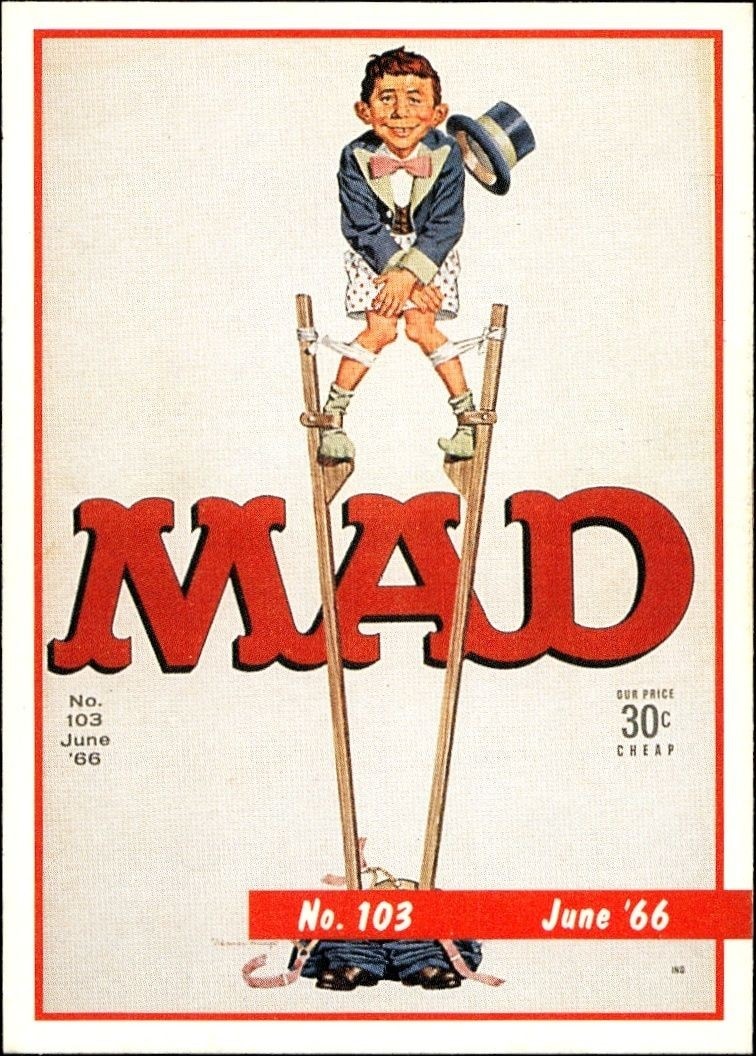
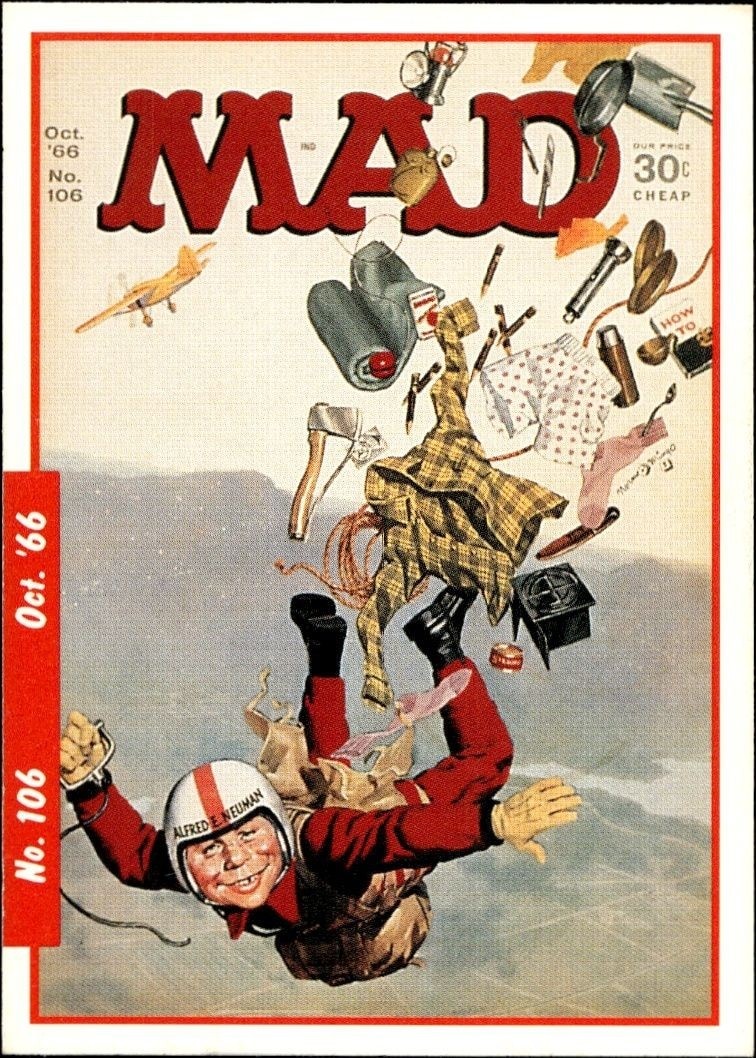
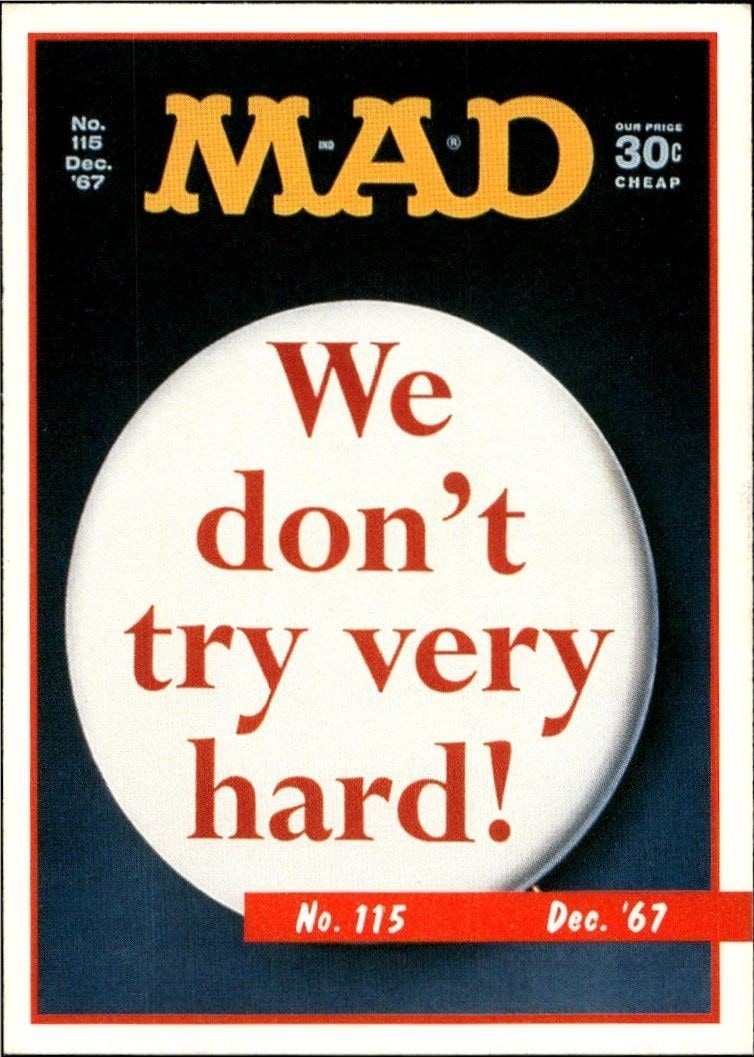
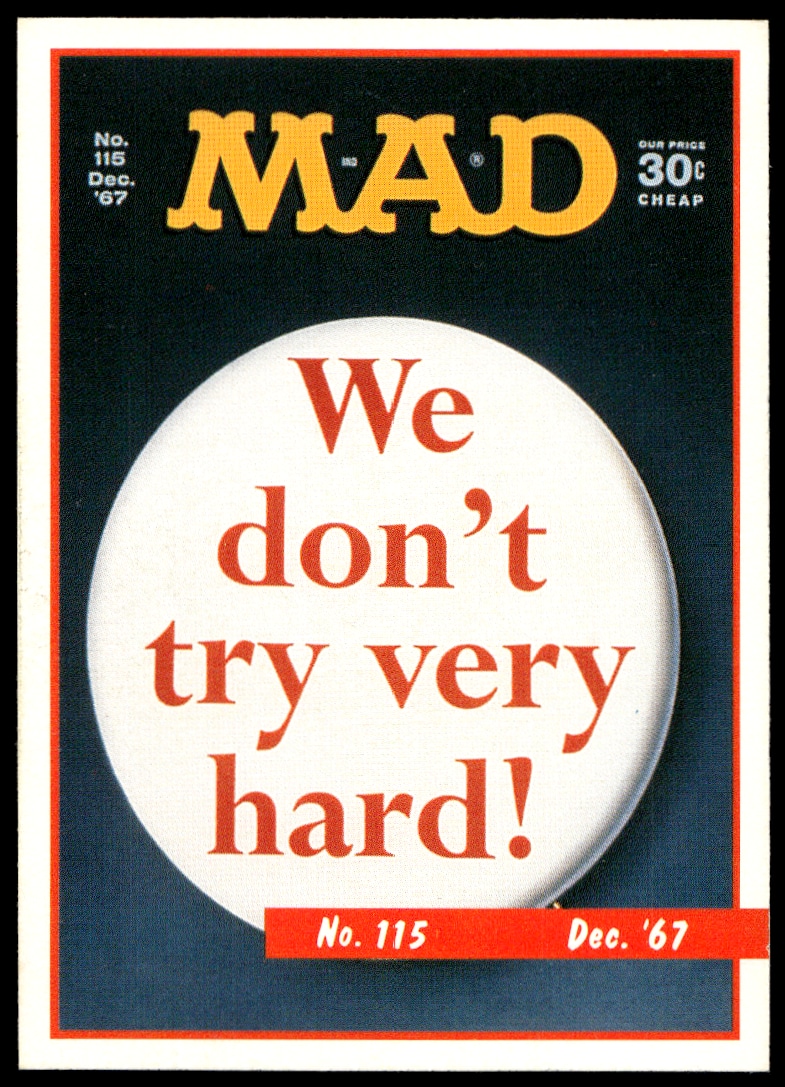
This 1992 Lime Rock trading card features Mad No. 202 (Oct. '78) as part of the Mad Magazine Cover Cards subset. It serves as a distinctive piece of non-sports entertainment memorabilia for collectors.
1992 • Lime Rock • Mad Magazine • Cover Cards
Near Mint
3B
New
Shipping Calculated at Checkout
Arrives in 4-6 daysEstimated delivery November 2, 2026 - November 4, 2026
30-day ReturnsNo condition-by-condition breakdown has been recorded for this card yet.
The 1992 Lime Rock Mad Magazine Cover Cards subset offers a unique glimpse into the world of non-sports trading cards, specifically targeting fans of entertainment and pop culture. This release, card number 3B, highlights Mad No. 202 from the October 1978 issue, bridging the gap between classic magazine history and modern collectibles. For enthusiasts of the Mad Magazine brand, this card provides a tangible connection to a specific era of satirical humor and iconic cover art. As a non-sports card, this product stands apart from traditional athletic memorabilia, appealing to a diverse group of hobbyists who value cultural significance over athletic statistics. The Lime Rock brand has curated this series to celebrate the enduring legacy of Mad Magazine, making it a compelling addition to any entertainment-focused collection. Collectors often seek out these cards to complete the broader Cover Cards subset, which documents various iconic covers from the publication's rich history. Investing in non-sports cards like this 1992 Lime Rock release allows collectors to diversify their portfolios beyond sports and gaming. The Mad Magazine brand has maintained a dedicated following for decades, ensuring that items associated with its legacy hold steady interest among pop culture aficionados. Whether you are a long-time fan of the magazine or a newcomer to the world of non-sports trading cards, this piece offers a stylish and meaningful way to engage with the brand's storied past. The card's design and subject matter reflect the unique aesthetic that has made Mad Magazine a cultural touchstone, making it a noteworthy addition to any serious collection of entertainment memorabilia.
11 hours ago
We'll pre-fill the product details from this catalog entry, so your listing lands on this exact page. Just add photos of your copy, pick its condition, and set your price.
The catalog profile below summarizes the card identity, featured subject, and notable collectible traits.
The core identity of the card within the set.
The subject, team, league, and sport context tied to this card.
Featured
Mad No. 202 (Oct. '78)
Production details and format-specific attributes.
Material
Card Stock
Language
English
Compare prices, grades, photos, and shipping from approved sellers.
New
Near Mint
This 1992 Lime Rock Mad Magazine insert sits at the intersection of niche comic humor and broader pop culture nostalgia, appealing to collectors of both the franchise and vintage gag publications. As a non-sports item from the early 90s, condition sensitivity is paramount, with surface flaws significantly impacting desirability among vintage enthusiasts. The single active listing suggests a thin market, meaning immediate liquidity may be low despite steady underlying interest.
Positioned as an insert within the Mad Magazine series rather than a base card, this item benefits from a smaller overall distribution compared to standard issue pieces. The lack of specific serial numbering or parallel variants noted in the attributes implies a uniform production run, where scarcity is driven by survival rates rather than intentional printing limits. This structural positioning creates a distinct value tier above common base cards while remaining more accessible than high-end chase inserts.
Demand is likely sustained by completionists targeting the full Mad Magazine set, who view this specific issue as a necessary component for a complete collection. While the franchise has enduring nostalgic value, the specific market trend for 1992-era non-sports inserts depends heavily on the broader resurgence of 90s pop culture memorabilia. Investors should monitor the stability of the active listing count, as low volume can lead to price volatility for individual sellers.