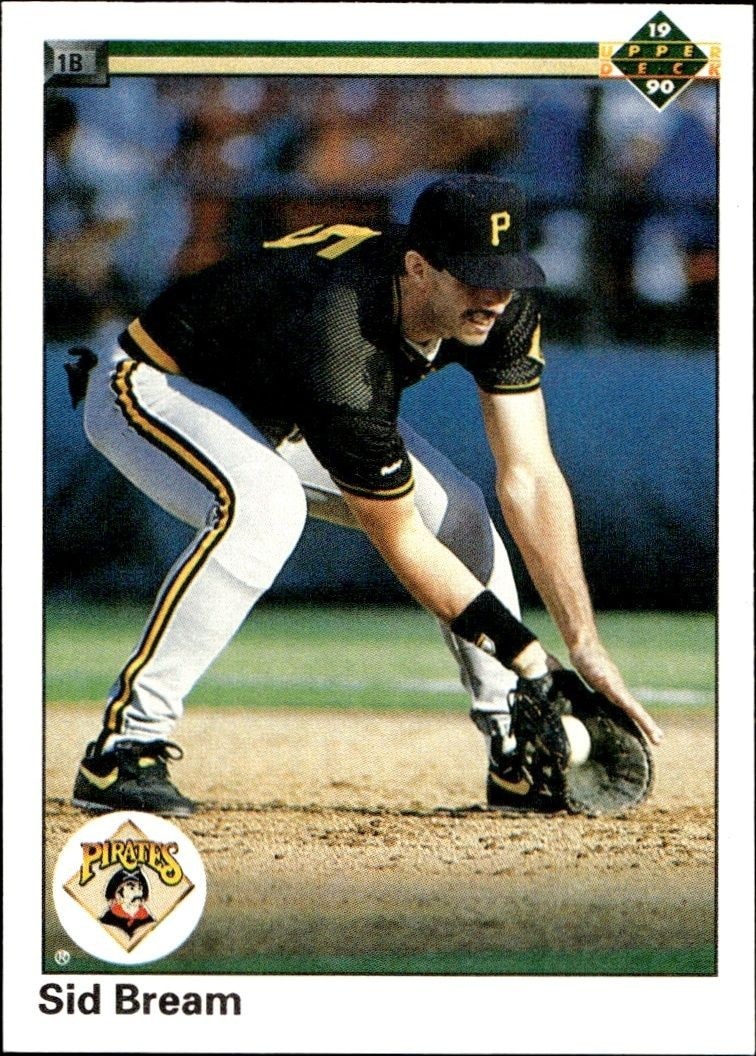

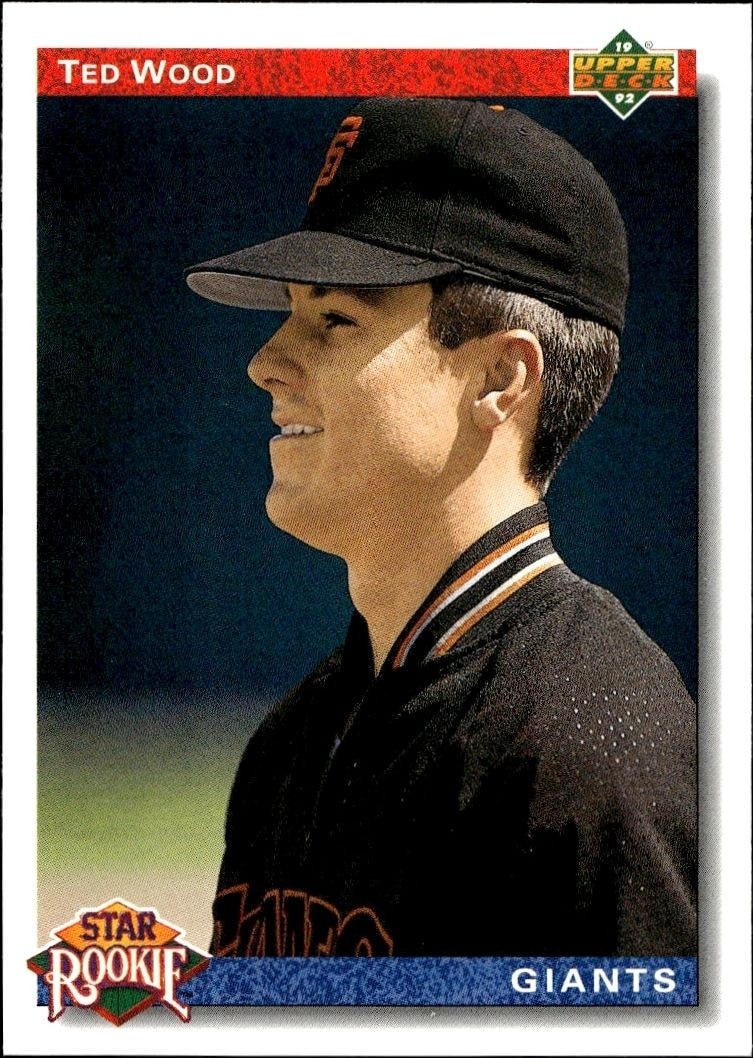
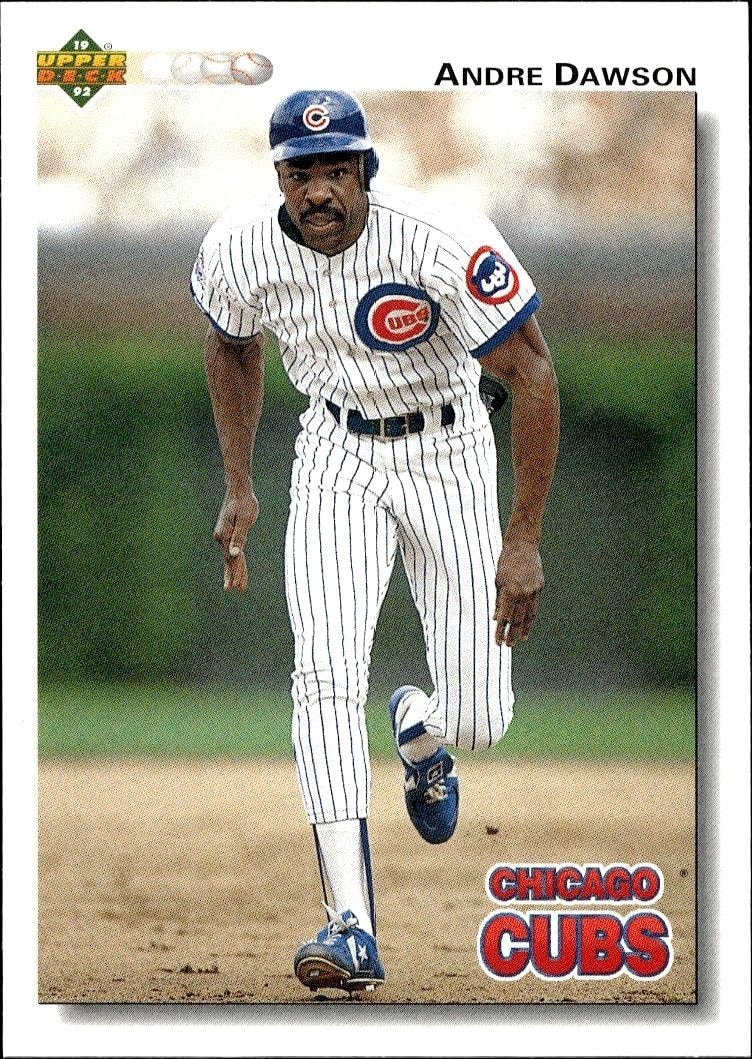
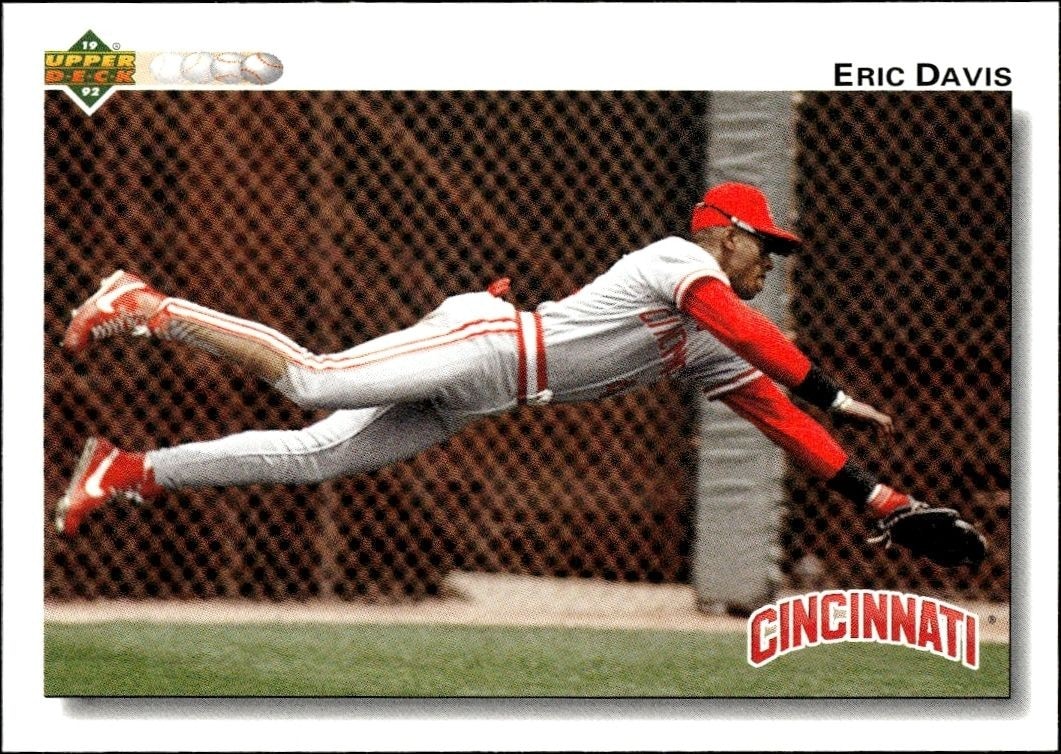

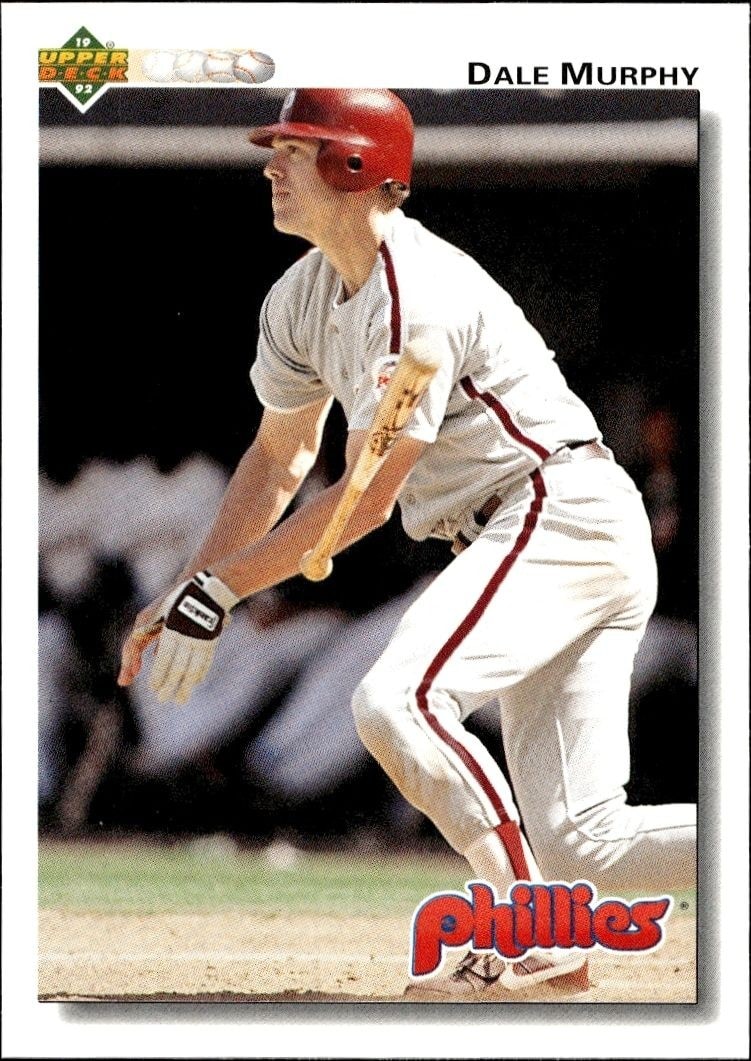


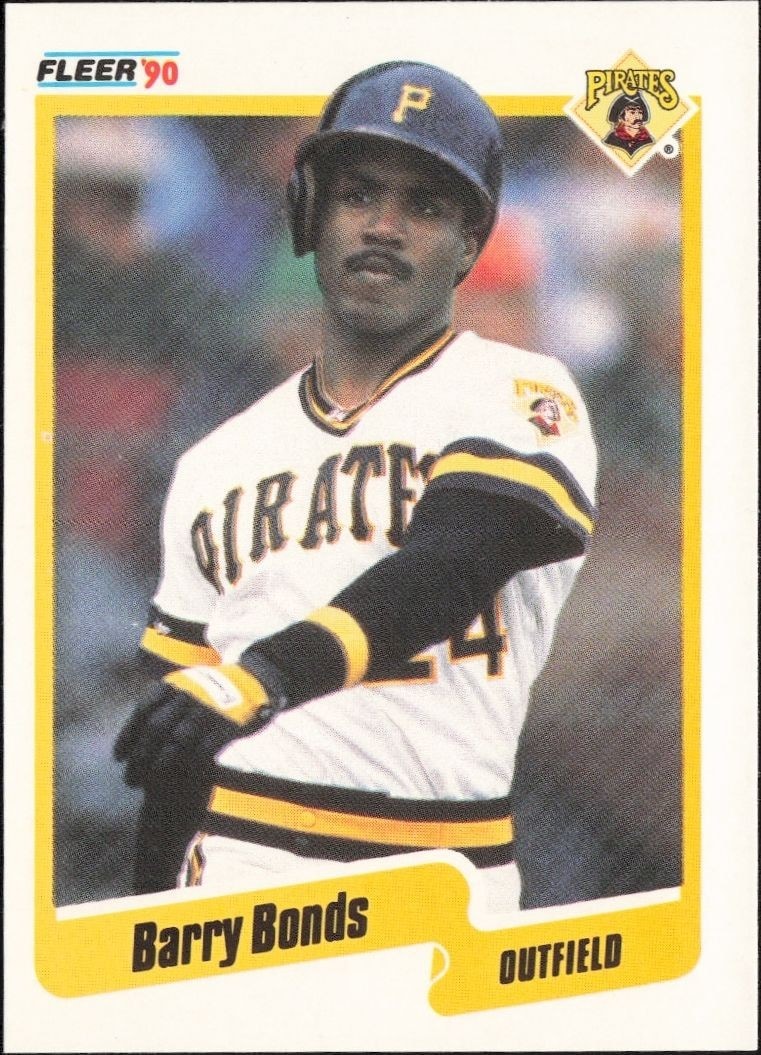
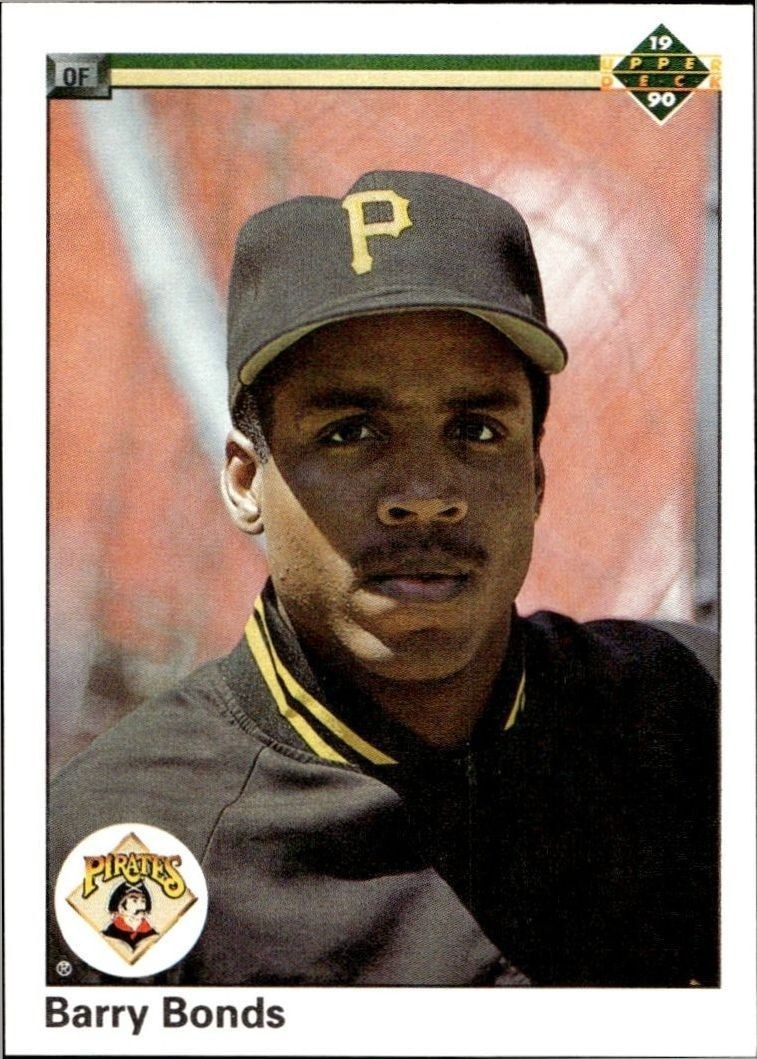
The 1992 Upper Deck Barry Bonds #134 Low Number baseball card features the Pittsburgh Pirates star. This catalog page covers the set's identity and collector appeal for MLB enthusiasts.
1992 • Upper Deck • Low Number
Major League Baseball • Pittsburgh Pirates
Near Mint
134
New
Shipping Calculated at Checkout
Arrives in 5-7 daysEstimated delivery October 23, 2026 - October 25, 2026
Seller returns October 19, 2026.30-day Returns| Condition | Value | Source | Trend | Price Details |
|---|---|---|---|---|
$1.18 | Guide Estimate | +13.5% | ||
$5.21 | Guide Estimate | 0% | ||
$9.00 | Guide Estimate | 0% | ||
$10.21 | Guide Estimate | +2.5% | ||
$18.02 | Guide Estimate | +6.9% | ||
$65.00 | Guide Estimate | +10.2% | ||
$30.00 | Guide Estimate | +11.1% | ||
$49.99 | Guide Estimate | +10.4% | ||
$30.00 | Guide Estimate | +11.1% | ||
Raw / Ungraded
PriceCharting Price Guide · Guide Estimate evidence · captured Oct 17, 2026
The 1992 Upper Deck Barry Bonds #134 Low Number baseball card stands as a significant entry for enthusiasts of vintage sports memorabilia. Released during a pivotal era for Major League Baseball, this product from the Upper Deck brand captures the attention of collectors who appreciate the history of the Pittsburgh Pirates. As a member of the Low Number series, card number 134 holds a distinct place within the broader catalog, offering a tangible connection to the sport's rich heritage. For those building collections focused on the 1990s, this release provides a foundational piece. The Upper Deck brand is widely recognized for its design innovations, and this card reflects the aesthetic standards of its time. Collectors often seek out Low Number cards from this period due to their visual prominence and historical relevance. The combination of the player's association with the Pirates and the specific numbering makes this product a target for serious hobbyists. Whether you are interested in completing a set of Upper Deck cards or focusing on specific players from the Pirates roster, this product serves as a central resource. The enduring popularity of vintage baseball cards means that products like this continue to attract new generations of fans. By focusing on the catalog identity, collectors can make informed decisions about adding this piece to their portfolio. The interplay between the brand's reputation and the player's legacy creates a compelling narrative for anyone involved in the hobby.
22 hours ago
We'll pre-fill the product details from this catalog entry, so your listing lands on this exact page. Just add photos of your copy, pick its condition, and set your price.
The catalog profile below summarizes the card identity, featured subject, and notable collectible traits.
The core identity of the card within the set.
The subject, team, league, and sport context tied to this card.
Production details and format-specific attributes.
Material
Card Stock
Language
English
Compare prices, grades, photos, and shipping from approved sellers.
New
Near Mint
See how many public collections currently include this card.
0 collectors have this card
This 1992 Upper Deck card represents an entry-level tier for Barry Bonds memorabilia, reflecting his status as a rookie card subject with significant historical weight. While the current pricing suggests accessible availability, the single active listing indicates a tight immediate market that could lead to rapid value shifts upon acquisition. Its position is anchored by Bonds' legendary career significance, yet it lacks the scarcity premiums found in higher-end parallels or graded examples.
The card lacks special attributes such as serial numbering, short prints, or one-of-one designations, placing it squarely in the base set category. This unnumbered status means supply is determined solely by the original print run, which is typically high for mainstream rookie releases. Consequently, the scarcity mechanics are minimal, relying on general condition preservation rather than inherent production limits to drive exclusivity.
As a rookie card from a premier brand, this item carries inherent demand driven by collector interest in Bonds' early career milestones. The investment potential is moderated by the lack of parallel variations or low-numbering features that typically command long-term appreciation. Collectors should view this as a foundational piece for a set rather than a high-growth asset, with value stability depending largely on broader market sentiment for MLB rookies.
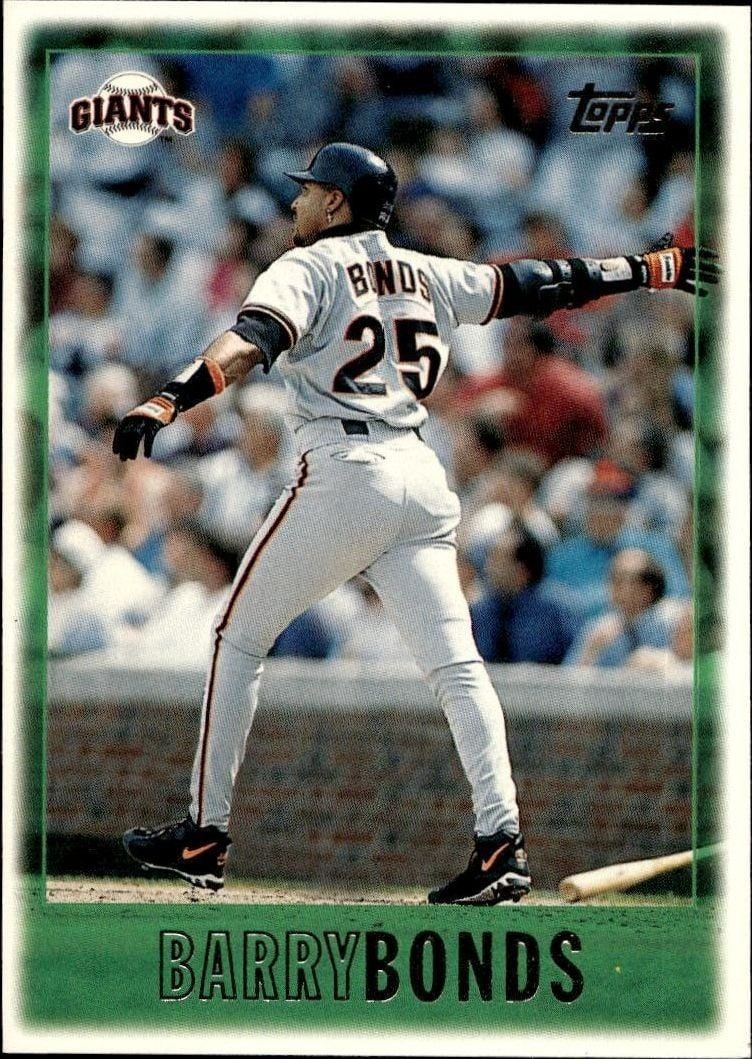
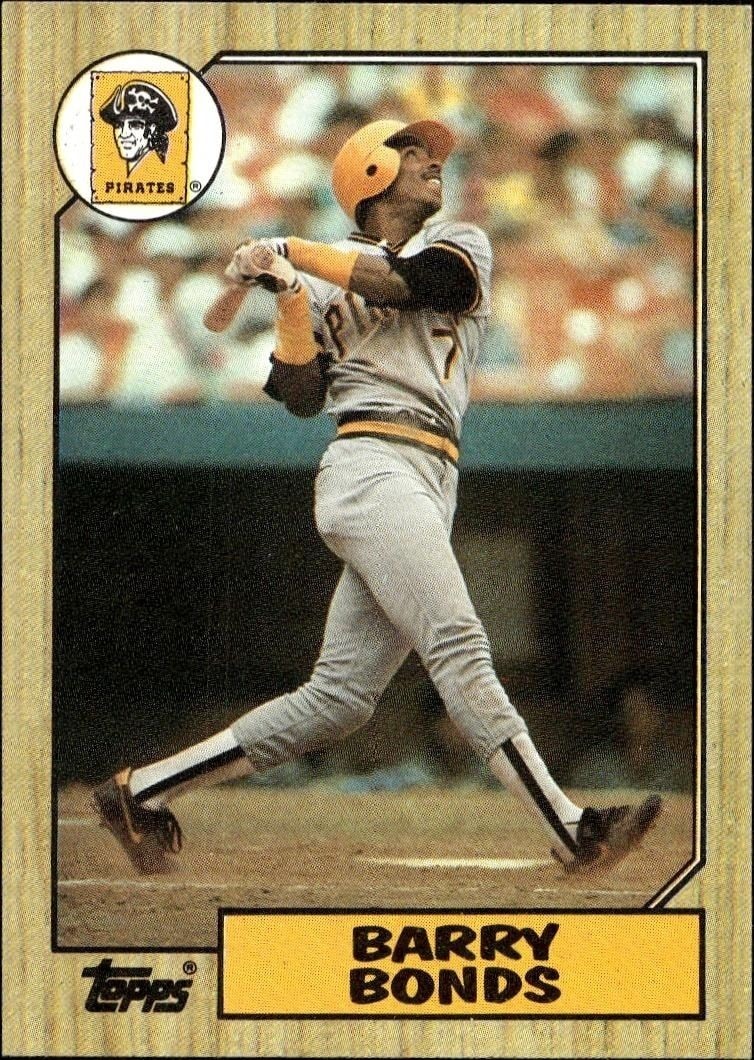
1987 • Topps
#320
4 listings