


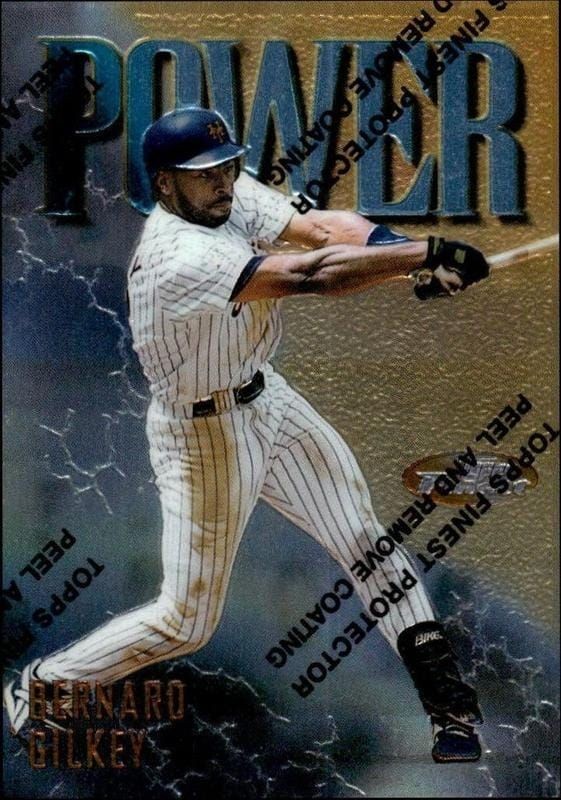

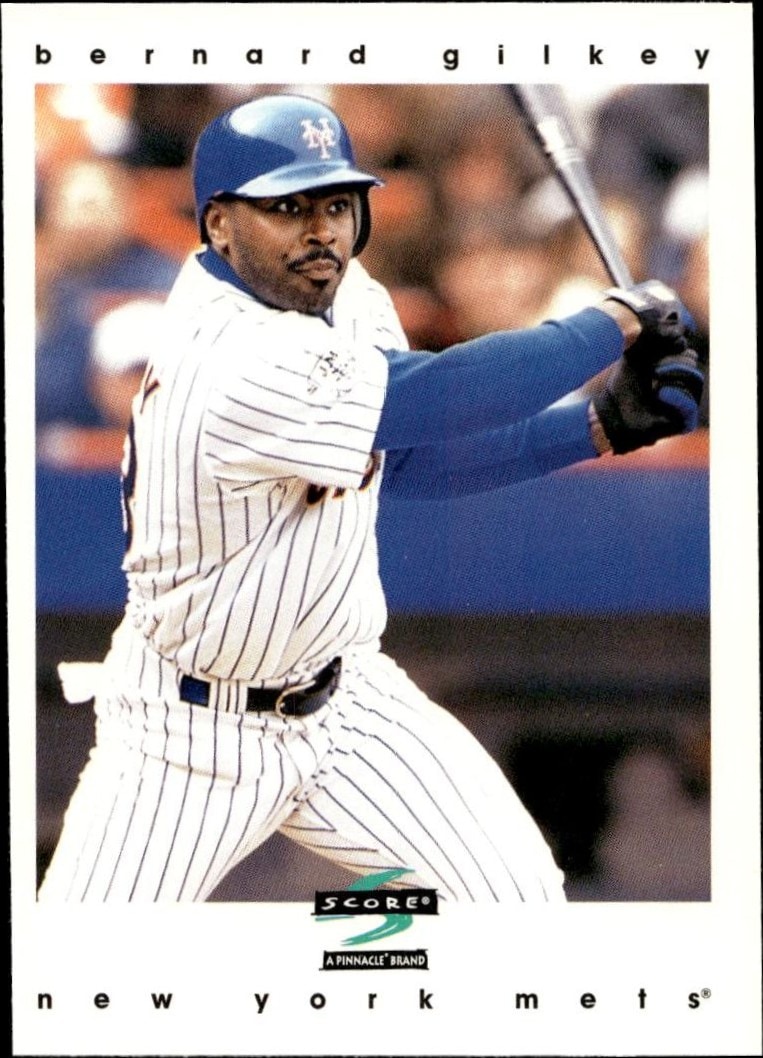

The 1992 Upper Deck Low Number series features Bernard Gilkey as card #552, representing his time with the St. Louis Cardinals in Major League Baseball.
1992 • Upper Deck • Low Number
Major League Baseball • St. Louis Cardinals
Near Mint
552
New
Shipping Calculated at Checkout
Arrives in 5-7 daysEstimated delivery October 23, 2026 - October 25, 2026
Seller returns October 19, 2026.30-day Returns| Condition | Value | Source | Trend | Price Details |
|---|---|---|---|---|
$1.69 | Guide Estimate | |||
Raw / Ungraded
PriceCharting Price Guide · Guide Estimate evidence · captured Oct 5, 2026
History is building. At least two days of matching observations are needed to show a trend.
Each point is the last stored observation that day for this printing, condition, grader, autograph status and source. Gaps mean no observation; guide estimates and asking prices are not completed sales.Bernard Gilkey appears as card #552 in the 1992 Upper Deck Low Number baseball set, capturing his tenure with the St. Louis Cardinals. This release is part of a distinct subset within the broader 1992 Upper Deck product line, designed to complement the main set with a unique numbering scheme. Collectors often seek out these Low Number cards to complete specialized subsets or to diversify their holdings of vintage 1990s baseball memorabilia. The 1992 Upper Deck brand remains a cornerstone for enthusiasts of the era, known for its glossy finish and iconic design elements that defined sports trading cards in the early 90s. The Low Number series offers a different visual and structural experience compared to the standard base cards, appealing to those who appreciate the variety within a single year's release. For investors and hobbyists alike, owning a card from this set provides a tangible connection to the MLB landscape of the early 1990s. Bernard Gilkey's inclusion in the 1992 Upper Deck Low Number set highlights his role as a key player for the Cardinals during this period. The card serves as a historical artifact for fans of the team and the league, documenting a specific moment in Gilkey's career. Whether used for completing a comprehensive collection of Upper Deck releases or focusing on specific subsets like the Low Number series, this card holds a steady place in the hierarchy of vintage baseball collecting. The enduring appeal of 1992 Upper Deck products ensures that cards like this one remain relevant in the secondary market, driven by nostalgia and the desire to own pieces of baseball history. By focusing on the identity of the 1992 Upper Deck Low Number series, collectors can build a well-rounded portfolio that spans the diverse offerings of the era.
1 day ago
We'll pre-fill the product details from this catalog entry, so your listing lands on this exact page. Just add photos of your copy, pick its condition, and set your price.
The catalog profile below summarizes the card identity, featured subject, and notable collectible traits.
The core identity of the card within the set.
The subject, team, league, and sport context tied to this card.
Production details and format-specific attributes.
Material
Card Stock
Language
English
Compare prices, grades, photos, and shipping from approved sellers.
New
Near Mint
See how many public collections currently include this card.
0 collectors have this card
Bernard Gilkey’s 1992 Upper Deck Low Number card represents a niche segment within a highly saturated early-90s baseball market, trading at a modest valuation relative to his more prominent tenure with the New York Mets. While the card lacks specific premium attributes like autographs or high-grade certifications, its value is anchored by the inherent scarcity of low-numbered parallels from this era. The current pricing reflects a stable but limited demand, typical for players who are well-remembered but not currently commanding top-tier rookie or Hall of Fame premiums.
The primary scarcity driver for this item is its designation as a 'Low Number' parallel, which implies a serially numbered subset within the broader base set. This mechanic inherently restricts supply compared to standard base cards, as only a fraction of packs contain these specifically numbered variants. Without additional special attributes like short-printing or one-of-one designations, the rarity remains dependent on the specific numerical value assigned during production, which is not provided here.
As a non-rookie card from a high-volume production year, the investment potential is constrained by the abundance of similar inventory in the secondary market. Collector demand is likely driven by completists seeking low-numbered examples of the Upper Deck Low Number set rather than speculative growth on the player himself. The card serves better as a hobbyist acquisition for set completion than as a high-growth asset, given the lack of unique grading or authenticity markers to differentiate it from other copies.