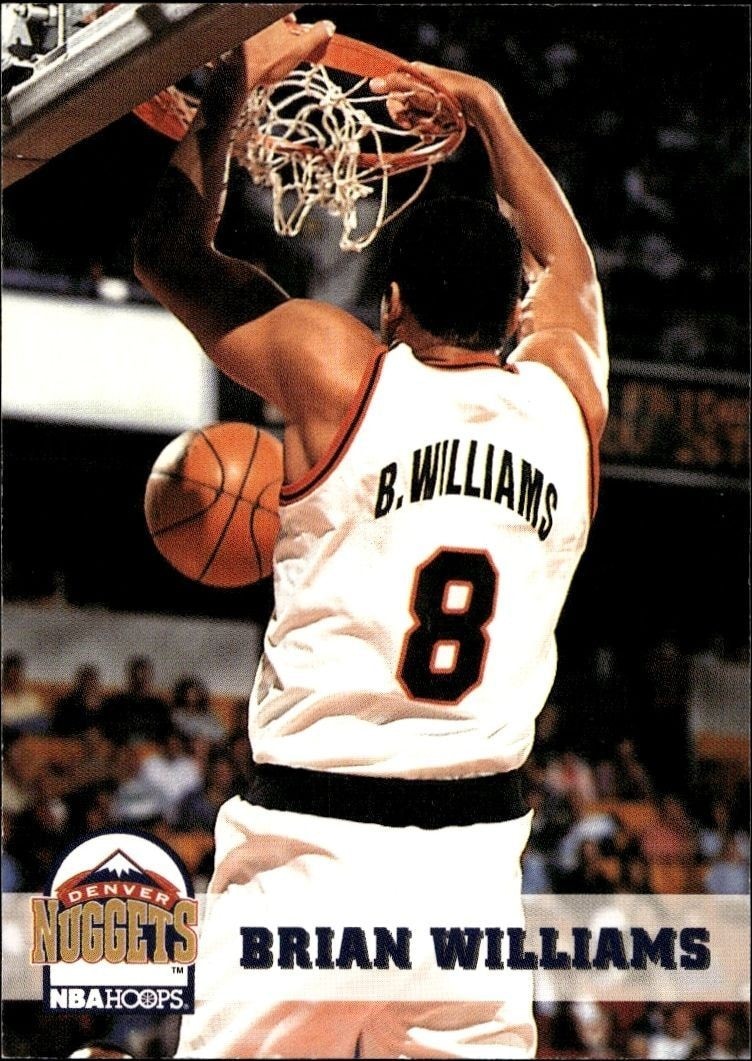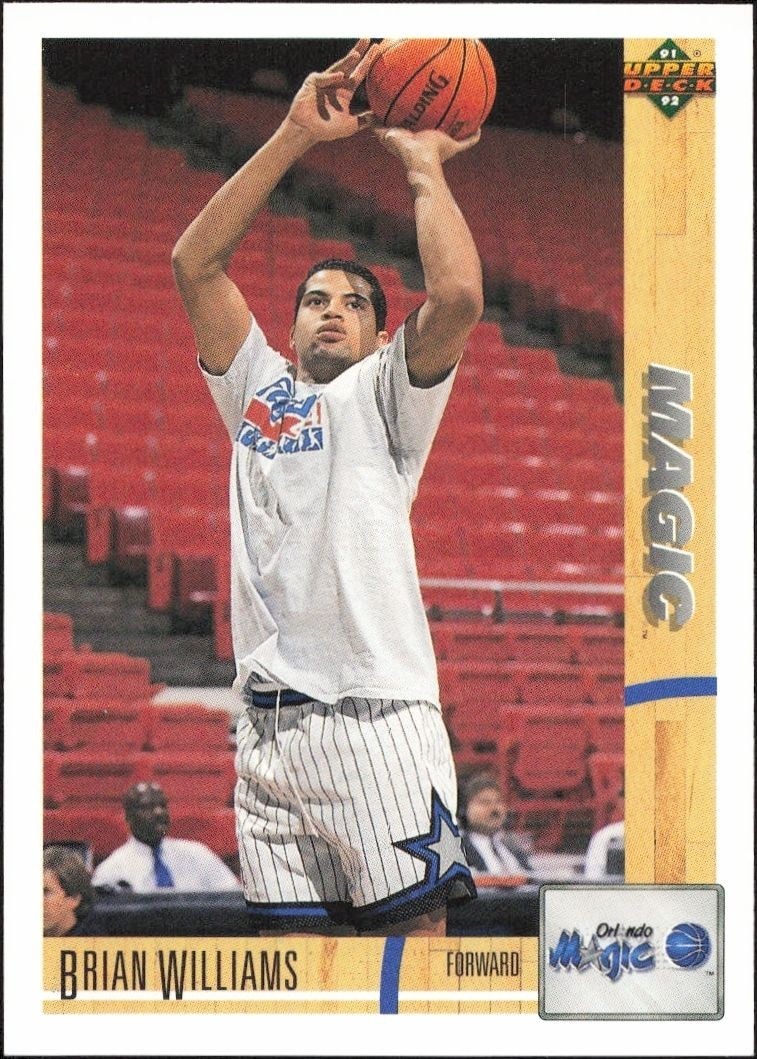


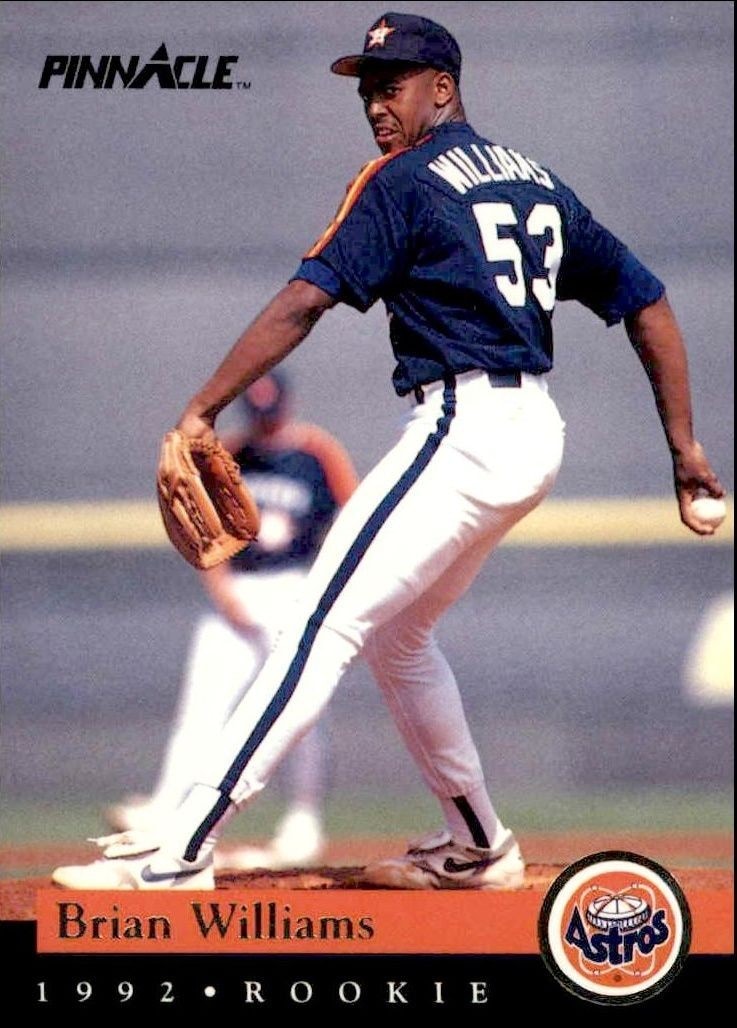
The 1992 Upper Deck Brian Williams #23 baseball card represents a key Houston Astros player from a foundational set in sports card history.
1992 • Upper Deck • Low Number
Major League Baseball • Houston Astros
Near Mint
23
New
Shipping Calculated at Checkout
Arrives in 5-7 daysEstimated delivery October 23, 2026 - October 25, 2026
Seller returns October 19, 2026.30-day Returns| Condition | Value | Source | Trend | Price Details |
|---|---|---|---|---|
$1.04 | Guide Estimate | 0% | ||
Raw / Ungraded
PriceCharting Price Guide · Guide Estimate evidence · captured Oct 7, 2026
The 1992 Upper Deck Brian Williams #23 baseball card stands as a notable piece of Houston Astros history, capturing the pitcher during a pivotal era of the franchise. As part of the 1992 Upper Deck set, this release is widely recognized for establishing a new standard in card design and production quality that influenced the hobby for decades. Collectors often seek this card number to complete their sets or to focus on individual Astros rosters from the early 1990s. Brian Williams spent significant time with the Houston Astros, and this card serves as a tangible connection to his tenure with the team. For investors and hobbyists alike, the 1992 Upper Deck series remains a cornerstone of modern sports card collecting. The clean, photo-centric design of the base set allows the subject to take center stage, making it a favorite among those who appreciate the aesthetic simplicity of the era. Whether you are building a comprehensive collection of Upper Deck releases or focusing on specific players like Williams, this card offers a solid entry point into the hobby. The 1992 Upper Deck Brian Williams #23 card is a sought-after item for those looking to add a piece of baseball heritage to their portfolio. Its enduring popularity ensures that it remains a relevant and desirable component for collectors who value the rich history of the sport. Explore our growing selection of vintage baseball cards to find this essential piece of Astros memorabilia and other classic releases that define the collecting experience.
15 hours ago
We'll pre-fill the product details from this catalog entry, so your listing lands on this exact page. Just add photos of your copy, pick its condition, and set your price.
The catalog profile below summarizes the card identity, featured subject, and notable collectible traits.
The core identity of the card within the set.
The subject, team, league, and sport context tied to this card.
Production details and format-specific attributes.
Material
Card Stock
Language
English
Compare prices, grades, photos, and shipping from approved sellers.
New
Near Mint
See how many public collections currently include this card.
0 collectors have this card
This 1992 Upper Deck Brian Williams card represents a baseline entry-level asset within the broader Houston Astros and MLB collector market. While the 'Low Number' designation suggests a potential tier above standard base issues, the absence of specific serial number data or special parallel attributes limits its current market premium. It trades at a modest value relative to star players from the same era, reflecting its status as a common rookie or early-career card without distinct scarcity markers.
The card's scarcity is primarily defined by its position within the 1992 Upper Deck Low Number set rather than unique physical attributes. Without explicit notation of short-print status, one-of-one production, or a visible serial number, it relies on the general supply constraints of a mass-produced vintage set. The lack of special foil, parallel, or insert designations means it does not benefit from the secondary scarcity mechanics that typically drive higher valuation in this product line.
As a 1992 release, this card carries the inherent rookie-card premium associated with Brian Williams' debut season, serving as a foundational piece for vintage baseball collectors. Demand is likely driven by nostalgia for the early 1990s Upper Deck product and the Astros' historical context rather than individual player accolades. Investors should view this as a stable, low-risk vintage holding that benefits from set completion needs, though it lacks the explosive growth potential of premium parallels or highly sought-after rookie cards.