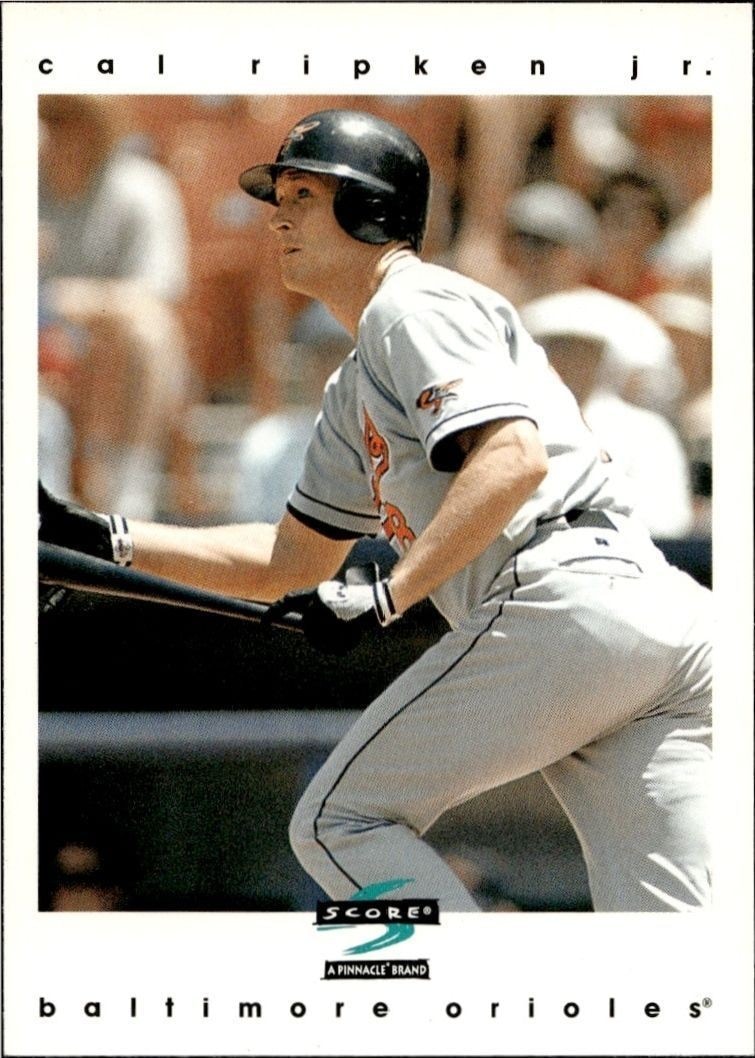



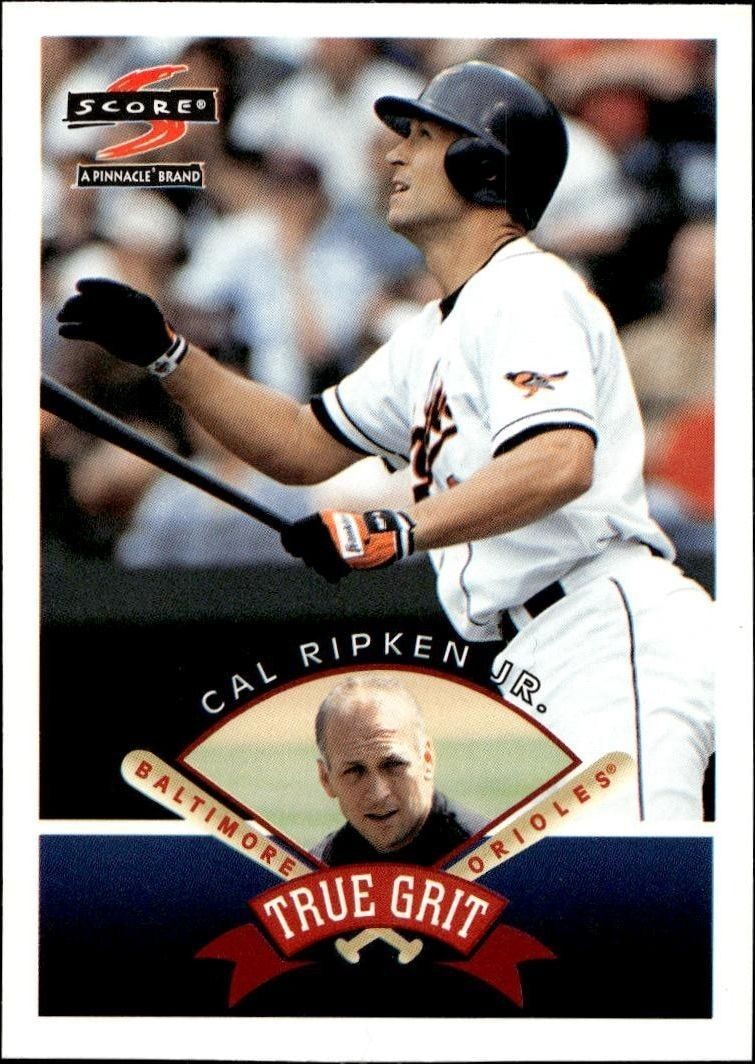
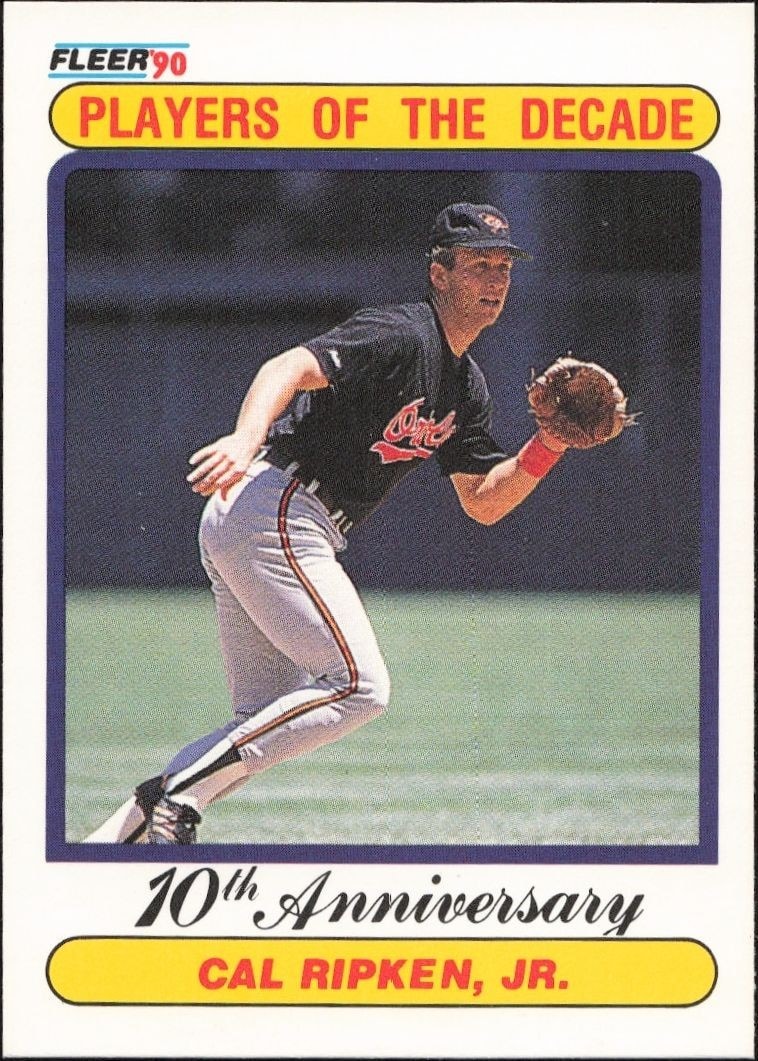
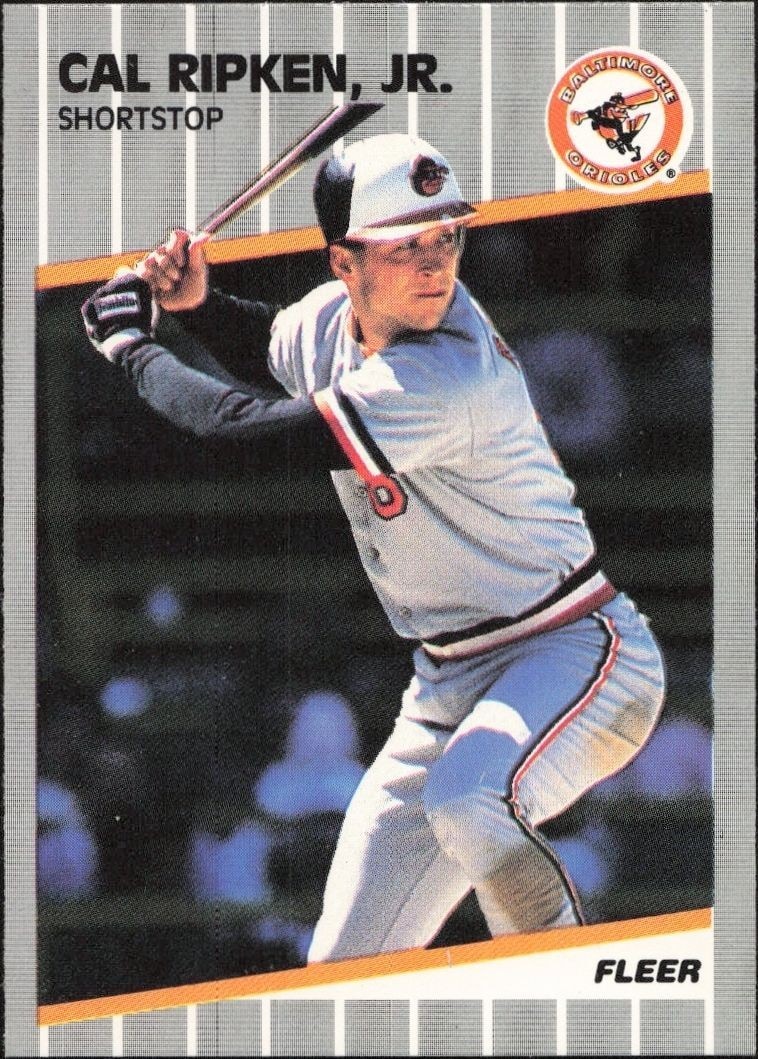

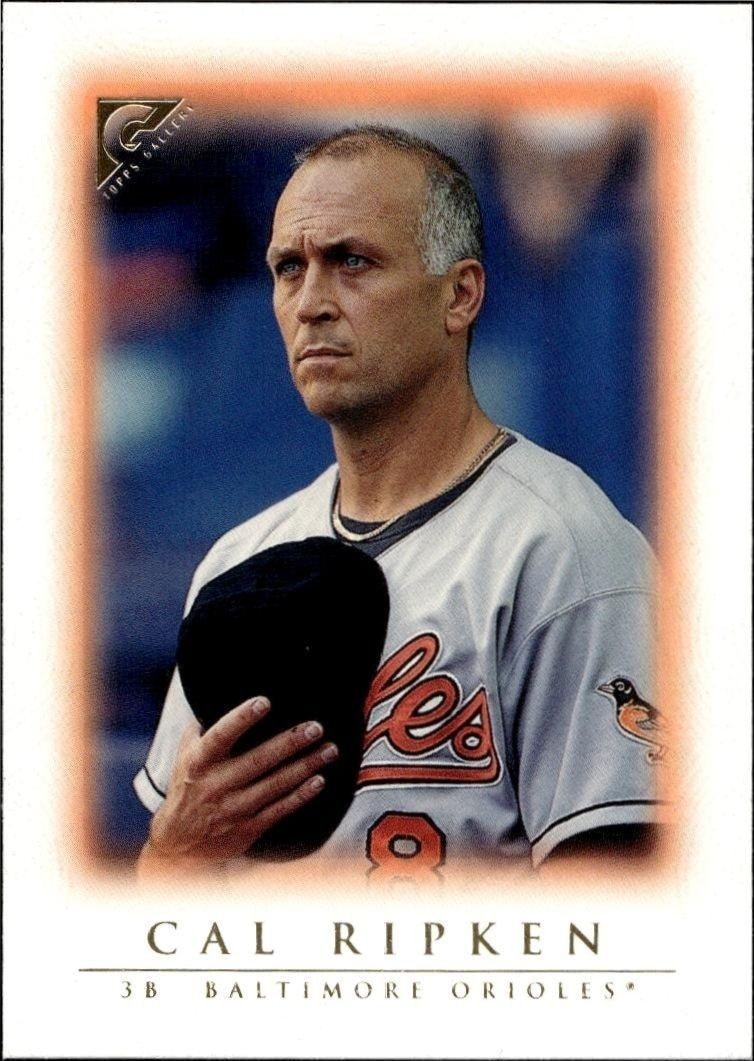

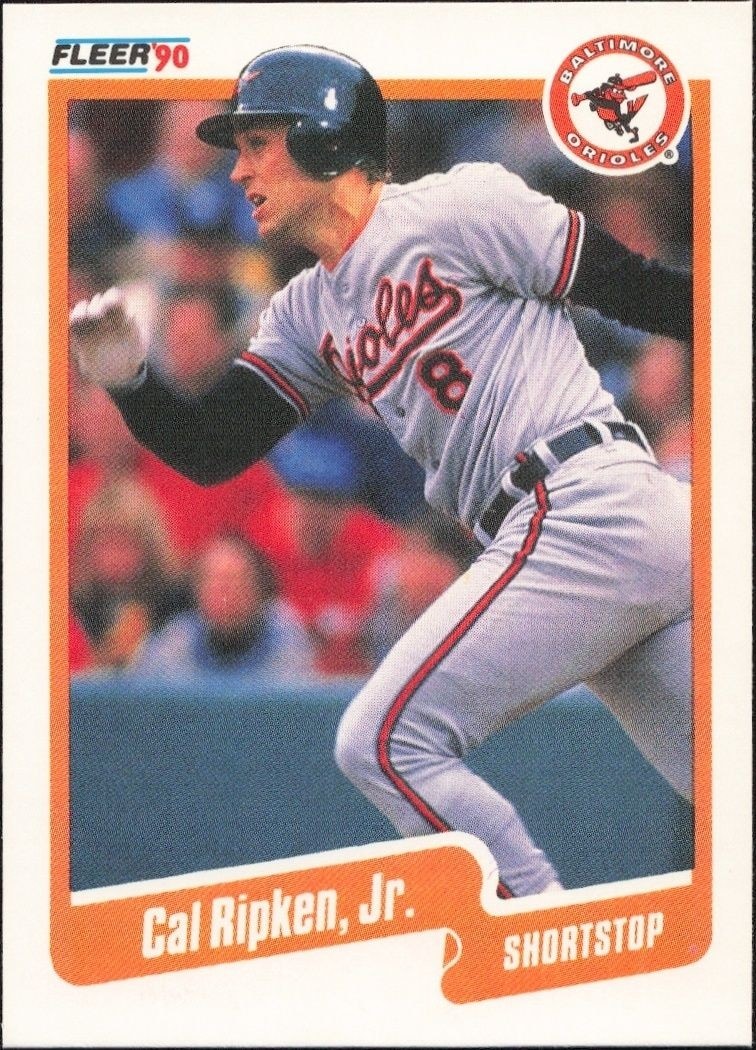
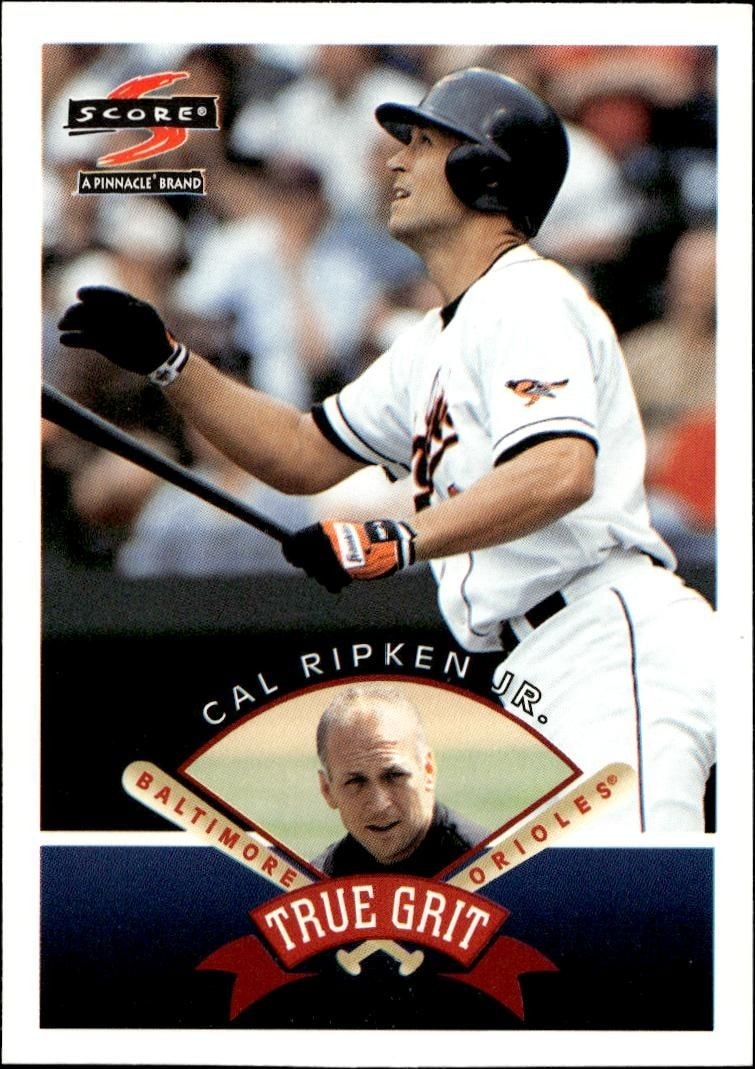
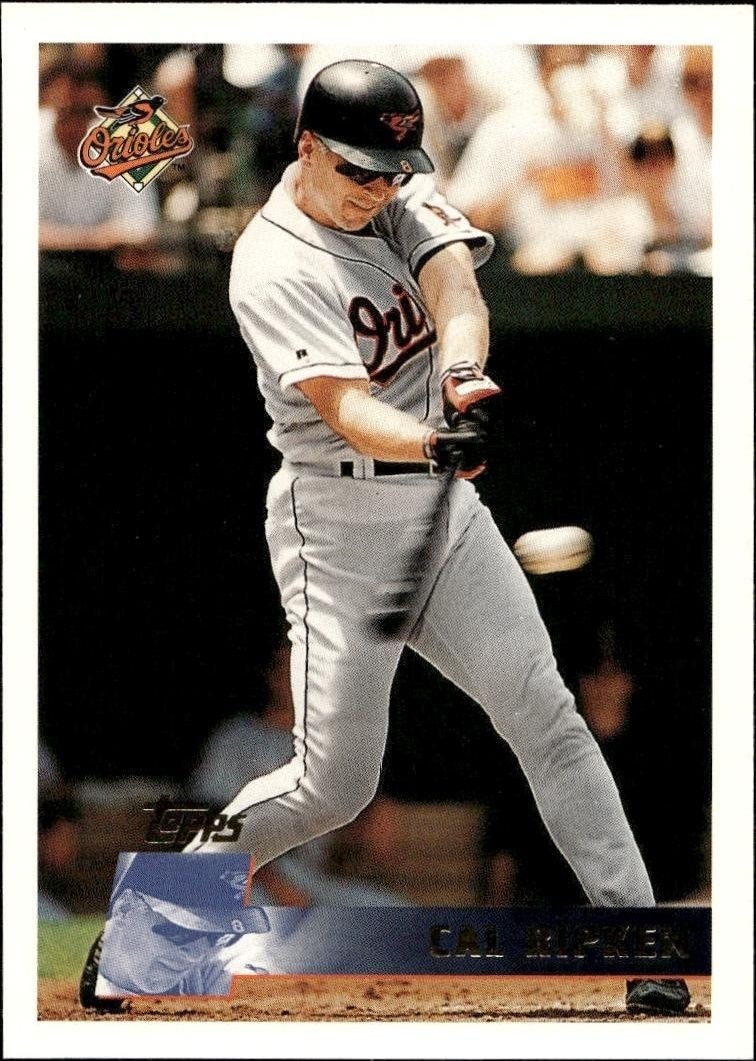
The 1992 Upper Deck Cal Ripken Jr. #165 baseball card features the Baltimore Orioles legend in this foundational Upper Deck release.
1992 • Upper Deck • Low Number
Major League Baseball • Baltimore Orioles
Near Mint
165
New
Shipping Calculated at Checkout
Arrives in 4-6 daysEstimated delivery November 13, 2026 - November 15, 2026
30-day Returns| Condition | Value | Source | Trend | Price Details |
|---|---|---|---|---|
$0.99 | Guide Estimate | -19.5% | ||
$9.00 | Guide Estimate | 0% | ||
$11.31 | Guide Estimate | -0.7% | ||
$12.00 | Guide Estimate | -7.7% | ||
$24.00 | Guide Estimate | 0% | ||
$32.00 | Guide Estimate | 0% | ||
$10.00 | Guide Estimate | -33.3% | ||
$24.99 | Guide Estimate | 0% | ||
$15.41 | Guide Estimate | -35.1% | ||
Raw / Ungraded
PriceCharting Price Guide · Guide Estimate evidence · captured Nov 1, 2026
The 1992 Upper Deck Cal Ripken Jr. #165 baseball card represents a significant entry for collectors of major league baseball history. Released during a pivotal era for the sport, this card captures Cal Ripken Jr. In his iconic Baltimore Orioles uniform, marking a time when he was firmly established as one of the game's most enduring figures. Upper Deck's debut in 1992 introduced a new era of design and production quality, and this card number is part of that foundational base set that helped redefine the collecting landscape. The #165 card spot features Ripken, whose longevity and consistency made him a staple in nearly every major set of the 1990s. For those building a comprehensive collection of Upper Deck's early output, this card serves as a necessary component of the base run. Beyond simple set completion, the 1992 Upper Deck Cal Ripken Jr. #165 appeals to investors and hobbyists interested in the broader narrative of baseball's modern history. The card stands as a tangible piece of memorabilia from a time when Ripken was not just a star, but a cultural icon in Baltimore. Whether you are focusing on Orioles history, 1990s baseball nostalgia, or the specific catalog of Upper Deck's first year, this card offers a direct connection to that period. By focusing on the identity of the card and its place within the 1992 Upper Deck series, collectors can appreciate the item for its historical context rather than just its condition. This approach ensures that the value of the card is understood within the broader scope of baseball card collecting, highlighting its role as a key identifier for fans of the sport and the player alike.
11/1/26
We'll pre-fill the product details from this catalog entry, so your listing lands on this exact page. Just add photos of your copy, pick its condition, and set your price.
The catalog profile below summarizes the card identity, featured subject, and notable collectible traits.
The core identity of the card within the set.
The subject, team, league, and sport context tied to this card.
Production details and format-specific attributes.
Material
Card Stock
Language
English
Compare prices, grades, photos, and shipping from approved sellers.
New
Near Mint
See how many public collections currently include this card.
0 collectors have this card
FAQ
No, this is not a rookie card. Cal Ripken Jr.'s true rookie cards appear in earlier sets from the 1980s, such as the 1981 Fleer or 1982 Topps. The 1992 Upper Deck release features him as an established veteran of the sport.
The 1992 Upper Deck set is historically significant as the first major release from the Upper Deck company, which introduced a new standard for card quality and design in the early 1990s. It is widely considered a key year for modern baseball card collecting.
Cards from this era are sought after because they capture the peak years of the Orioles franchise, particularly during Ripken's record-setting consecutive games streak. Collectors often focus on this period to document the team's legacy and the player's impact on the sport.
As a staple of 1990s baseball collecting, this Upper Deck card represents a foundational piece of Cal Ripken Jr.'s legacy during his tenure with the Baltimore Orioles. The current pricing reflects a modest tier relative to his high-end memorabilia, positioning it as an accessible entry point for collectors focused on the era's iconic figures. Its value is anchored by the player's historical significance rather than speculative hype, offering stability within the broader set context.
The 'Low Number' designation serves as the primary scarcity driver, implying a serial-numbered print run that inherently limits the available supply compared to standard base cards. This mechanical constraint on quantity creates a distinction within the set, separating it from mass-produced counterparts without relying on unknown population reports. The absence of noted parallels or short-print status suggests its rarity is derived solely from this specific numbering attribute.
Collectors often seek out numbered parallels and low-numbered variants to enhance portfolio diversity, making this card attractive for those targeting specific set completions. The combination of a legendary player and a unique numbering mechanic provides a steady demand base, though it may not exhibit the explosive growth seen in rookie cards. Long-term value is likely tied to the sustained interest in Orioles history and the enduring appeal of Ripken Jr.'s career achievements.