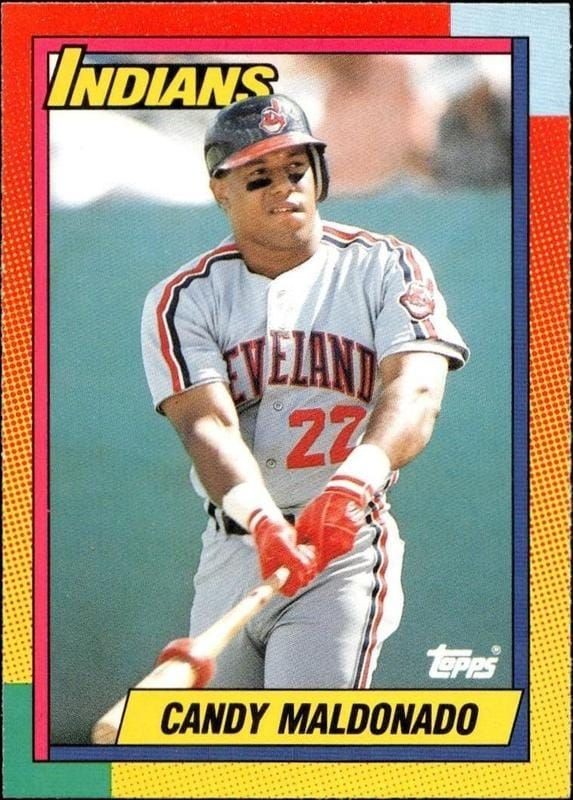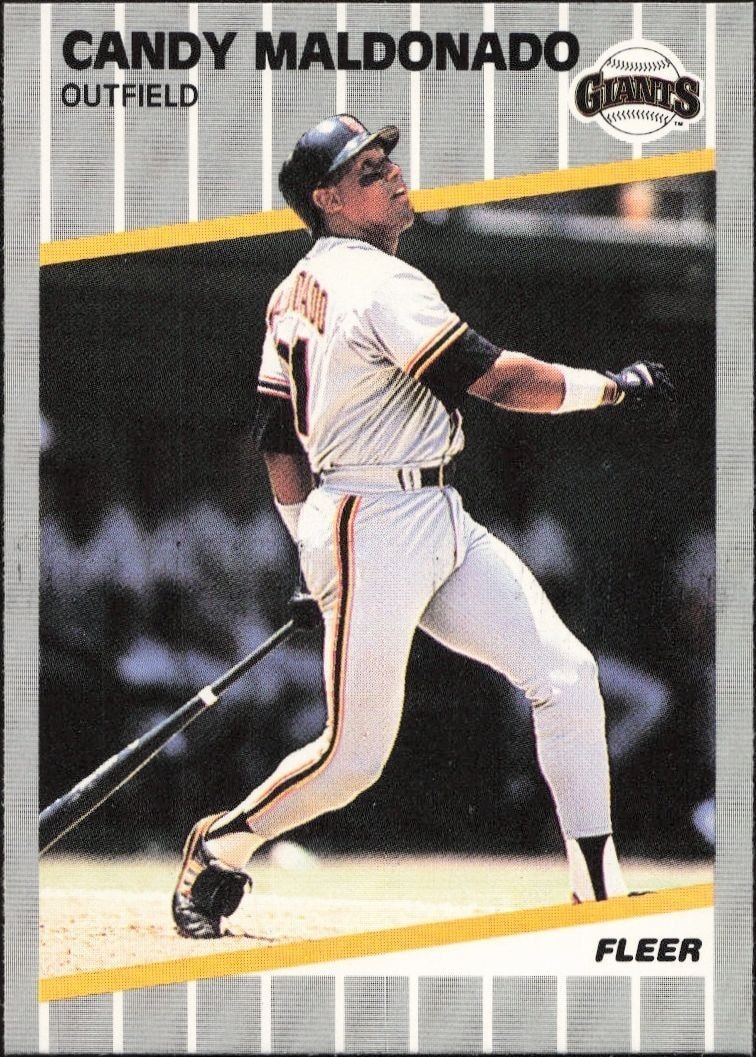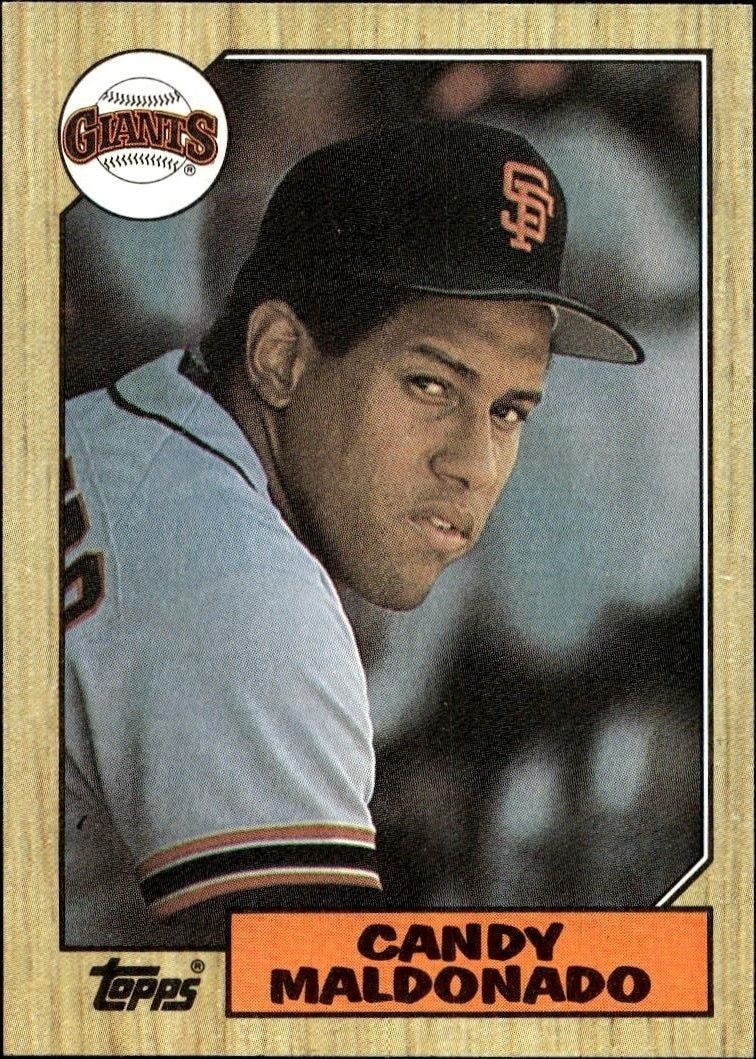




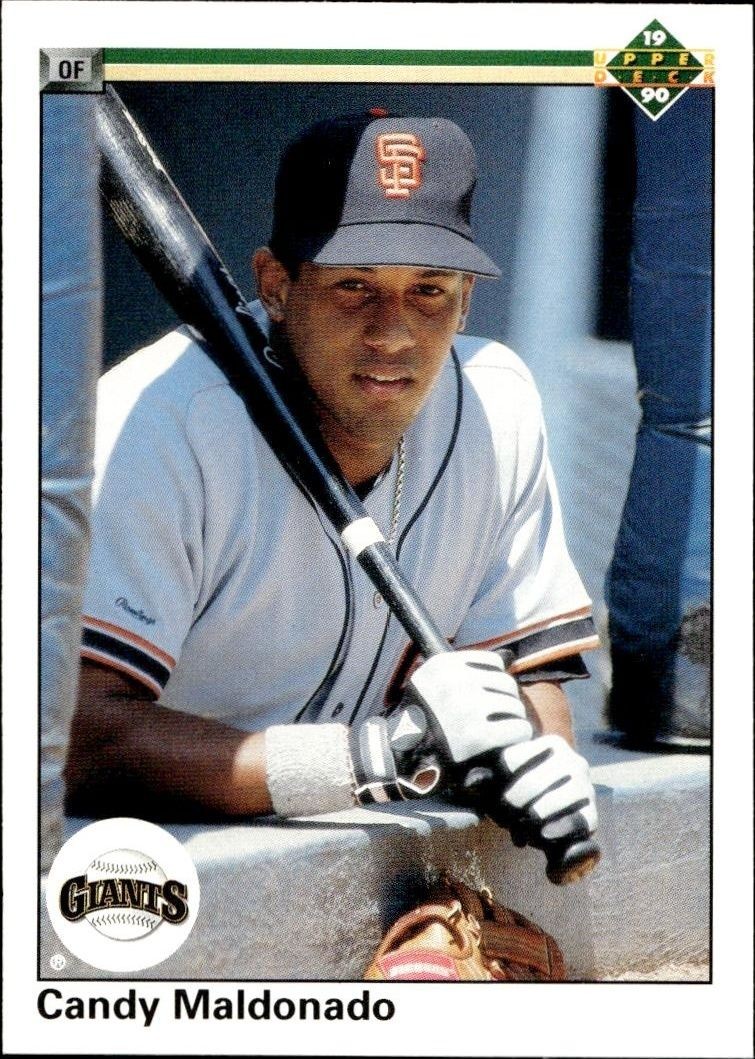

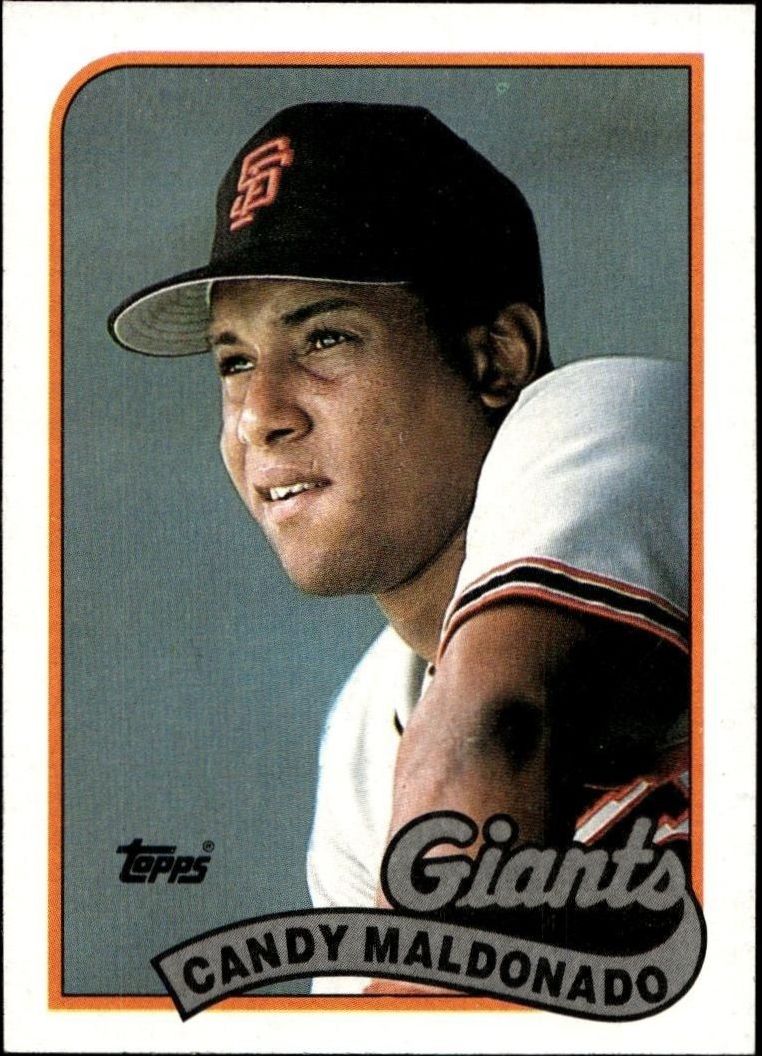

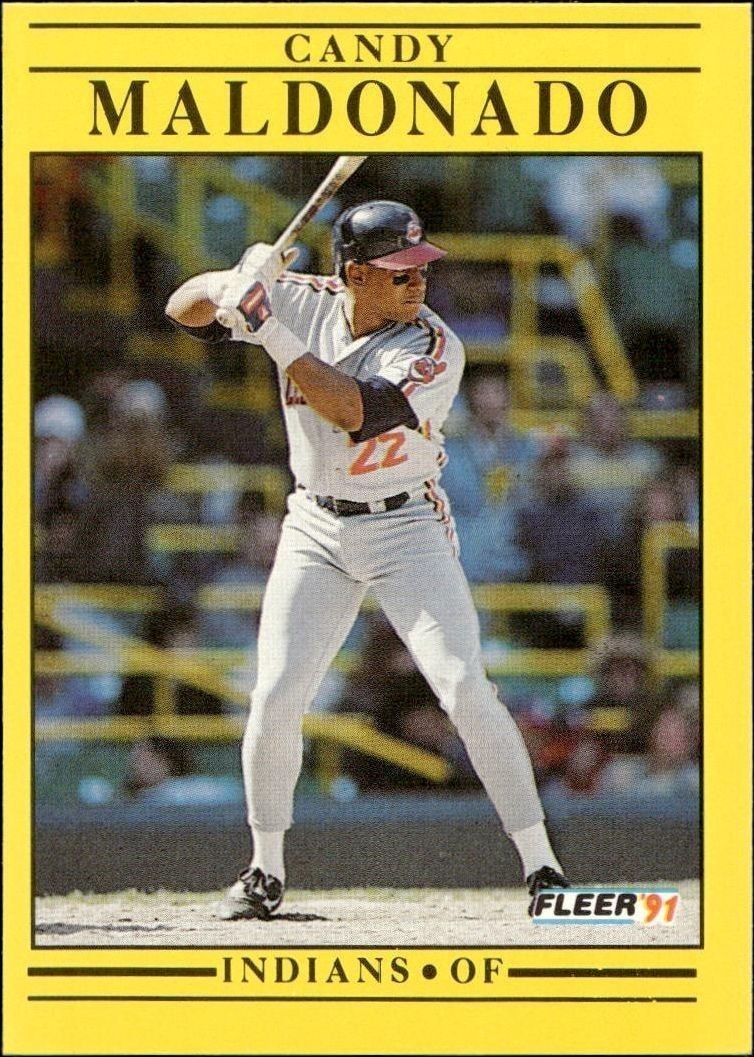

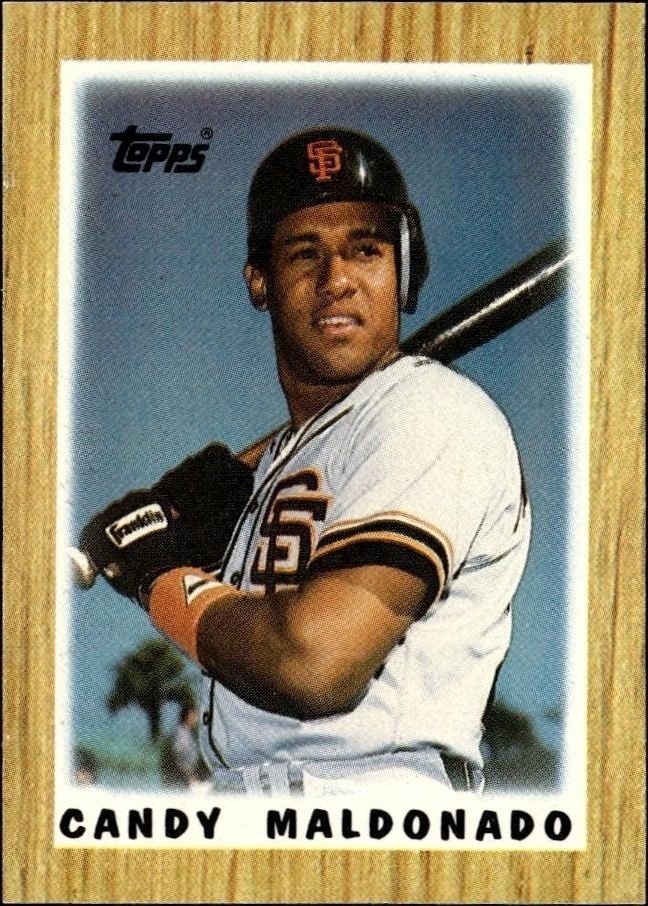
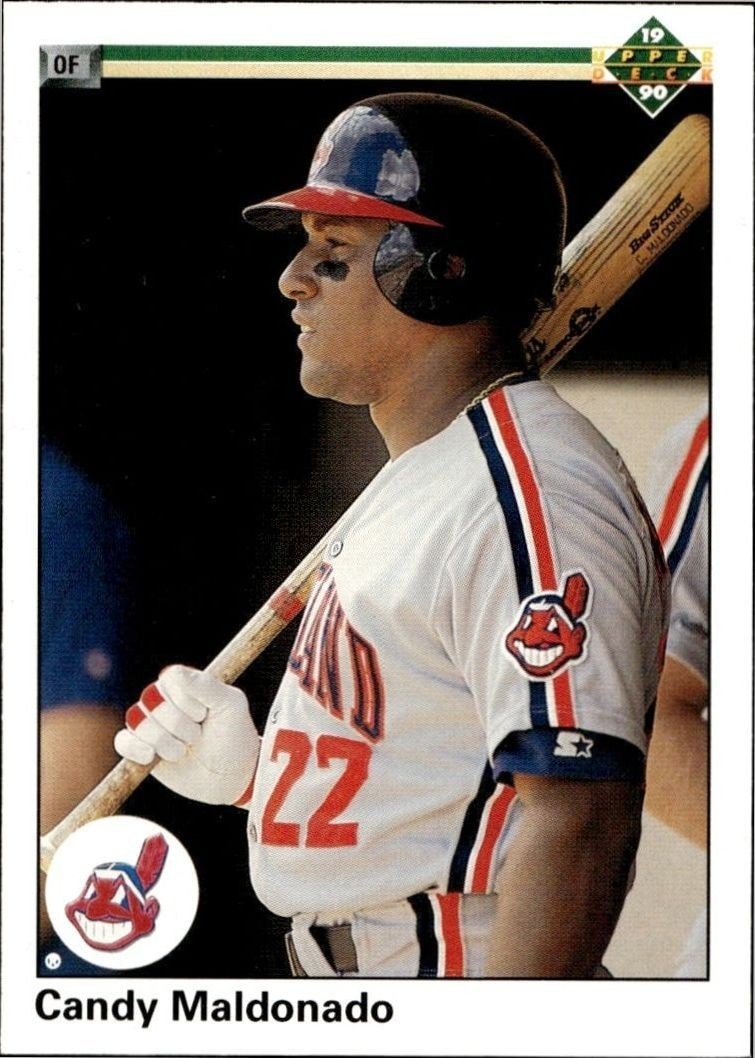
The 1992 Upper Deck Candy Maldonado #393 captures the Toronto Blue Jays infielder during the franchise's dominant early-90s era.
1992 • Upper Deck • Low Number
Major League Baseball • Toronto Blue Jays
Near Mint
393
New
Shipping Calculated at Checkout
Arrives in 5-7 daysEstimated delivery October 23, 2026 - October 25, 2026
Seller returns October 19, 2026.30-day Returns| Condition | Value | Source | Trend | Price Details |
|---|---|---|---|---|
$1.00As of 10/4/2026 | Guide Estimate | |||
Raw / Ungraded
PriceCharting Price Guide · Guide Estimate evidence · captured Oct 4, 2026
History is building. At least two days of matching observations are needed to show a trend.
Each point is the last stored observation that day for this printing, condition, grader, autograph status and source. Gaps mean no observation; guide estimates and asking prices are not completed sales.The 1992 Upper Deck Candy Maldonado #393 represents a tangible piece of Toronto Blue Jays history from the early 1990s. Released during a period when the franchise was establishing itself as a perennial contender, this sports card features the infielder in standard Upper Deck presentation. As a numbered card in the base set, it offers a straightforward collecting experience for enthusiasts looking to build comprehensive collections of 1990s MLB memorabilia. The Blue Jays were a central force in Major League Baseball during this time, and owning cards from this roster provides a direct connection to that competitive landscape. For investors and hobbyists alike, vintage Upper Deck issues remain a foundational category in the sports card market, valued for their accessibility and historical significance. Completing a set of 1992 Upper Deck cards allows collectors to trace the careers of numerous players who went on to shape the modern game. This card of Candy Maldonado serves as an excellent entry point for those new to vintage collecting or as a necessary addition for seasoned hunters aiming to fill gaps in their 1990s baseball inventory. Whether used for personal enjoyment, set completion, or long-term holding, the card embodies the classic trading card experience that has defined the hobby for decades. The enduring appeal of Upper Deck products from this period lies in their consistency and the clear, high-quality printing standards that have aged well over thirty years. The 1992 Upper Deck Candy Maldonado #393 stands as a reliable and recognizable component of that broader collection context.
1 day ago
We'll pre-fill the product details from this catalog entry, so your listing lands on this exact page. Just add photos of your copy, pick its condition, and set your price.
The catalog profile below summarizes the card identity, featured subject, and notable collectible traits.
The core identity of the card within the set.
The subject, team, league, and sport context tied to this card.
Production details and format-specific attributes.
Material
Card Stock
Language
English
Compare prices, grades, photos, and shipping from approved sellers.
New
Near Mint
See how many public collections currently include this card.
0 collectors have this card
This 1992 Upper Deck Candy Maldonado card represents a niche entry point for Toronto Blue Jays memorabilia collectors, currently trading at a modest valuation relative to star players. The absence of special attributes suggests it sits in the lower tier of the Low Number set, likely commanding prices consistent with standard base issues of that era. Condition remains the primary driver for any value appreciation above this baseline level.
As a standard card within the Upper Deck Low Number set, this item relies on the general scarcity of early 1990s production rather than specific limited-edition mechanics. There are no serial numbers, short-print designations, or unique parallels noted that would artificially constrain supply. Consequently, its rarity is defined by the overall print run of the 1992 Upper Deck release rather than individual card exclusivity.
Demand for this card is primarily driven by specific team collectors and those focused on the 1992 World Series championship roster rather than broad market speculation. The lack of rookie status or special parallel designation limits its potential for significant premium growth compared to high-demand parallels. Investors should view this as a complementary piece for a complete set rather than a standalone high-growth asset.