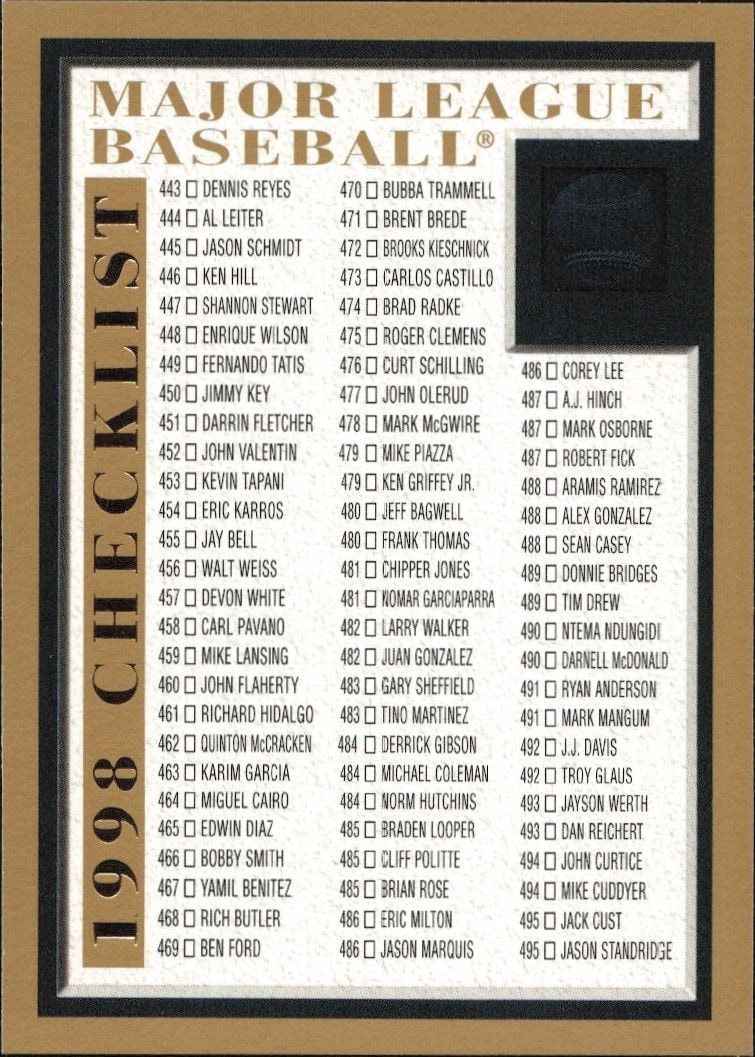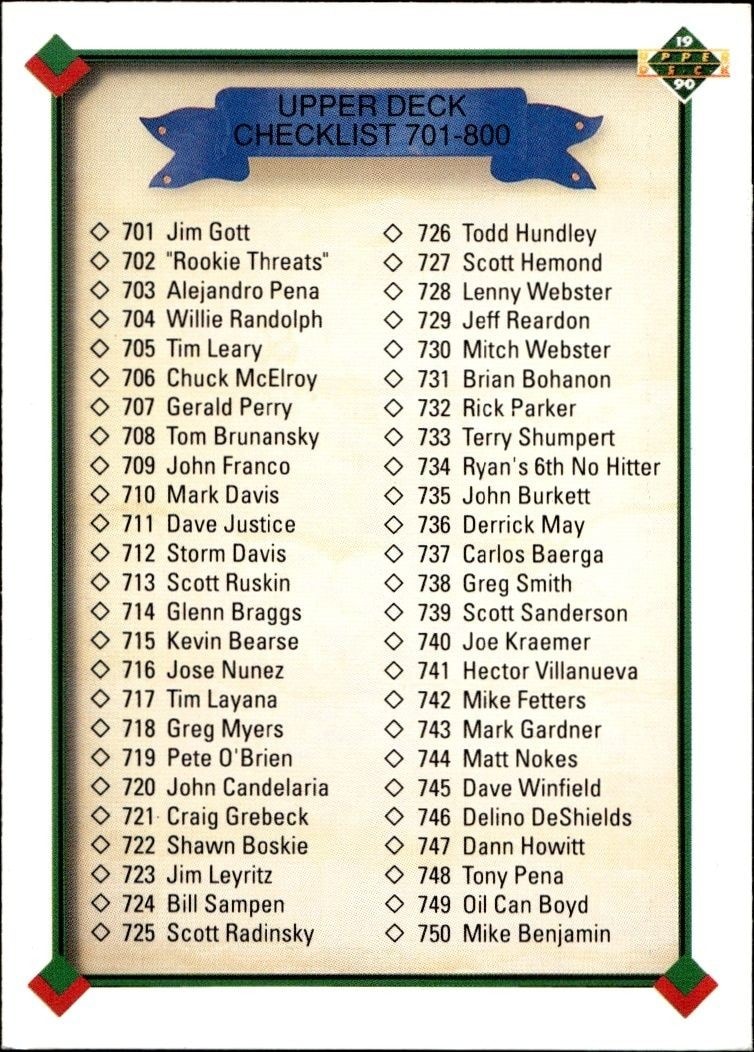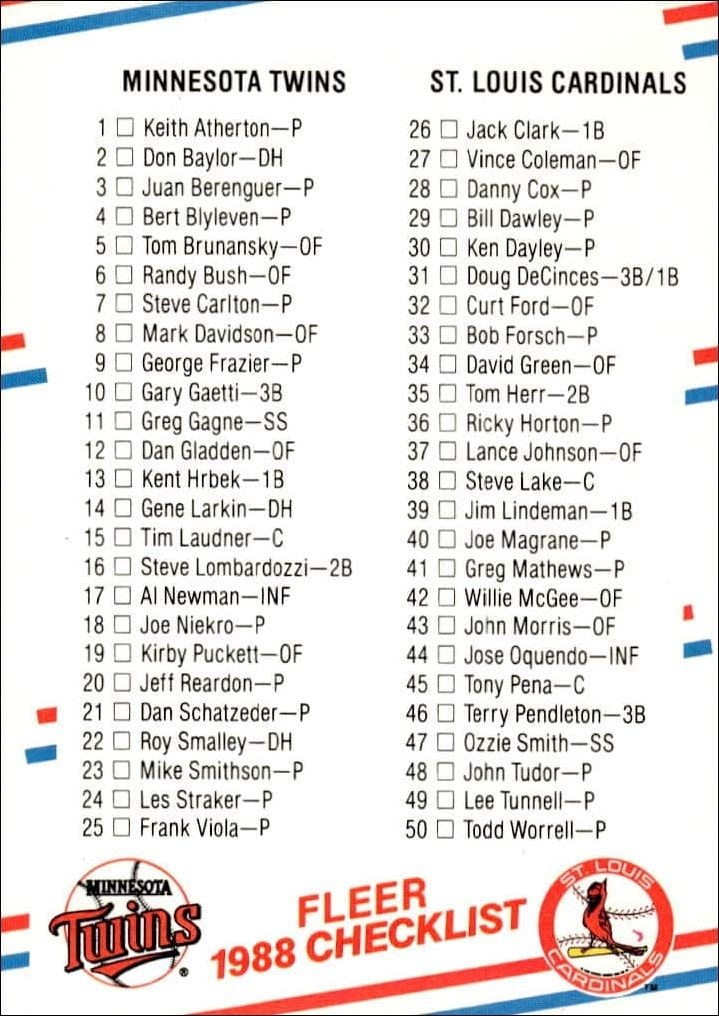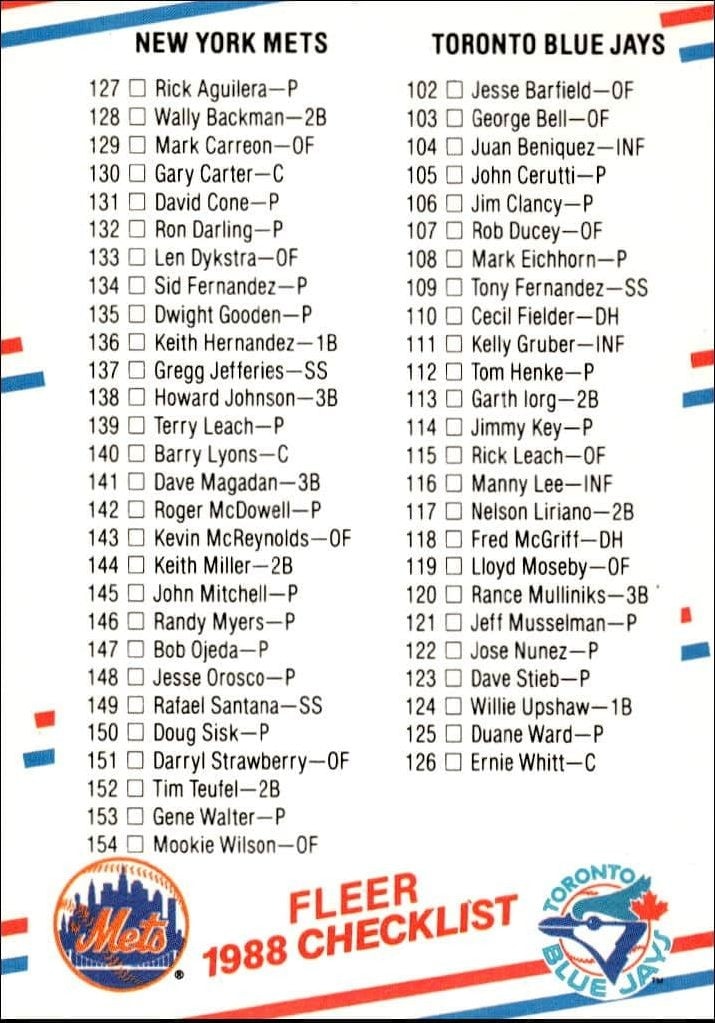

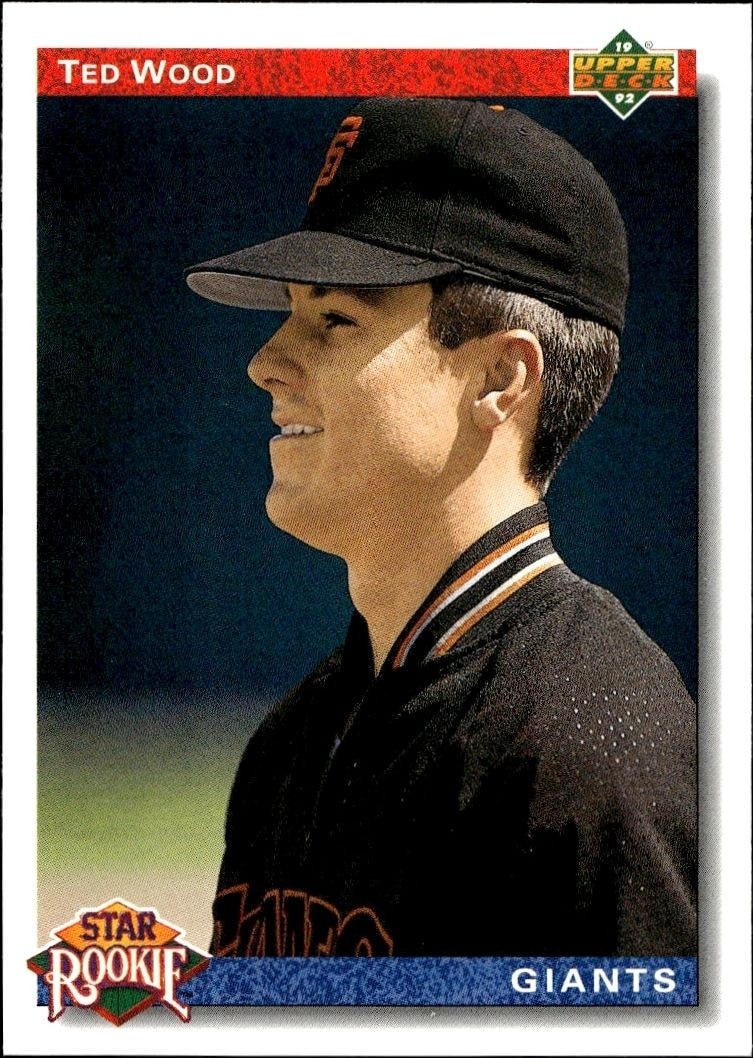
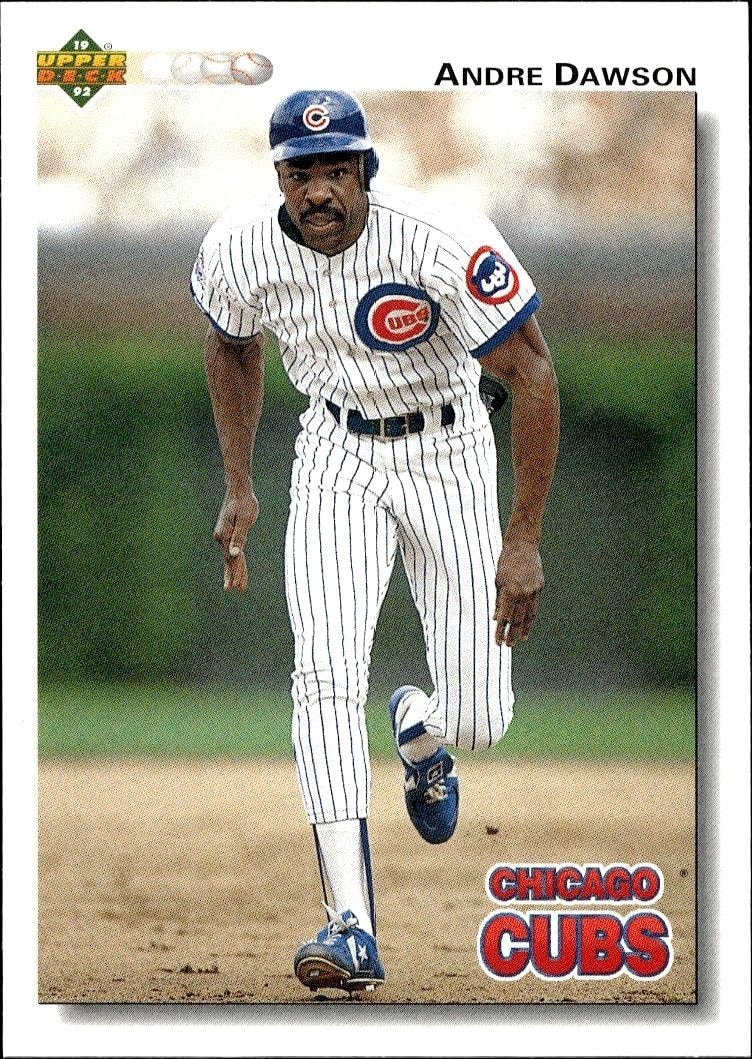
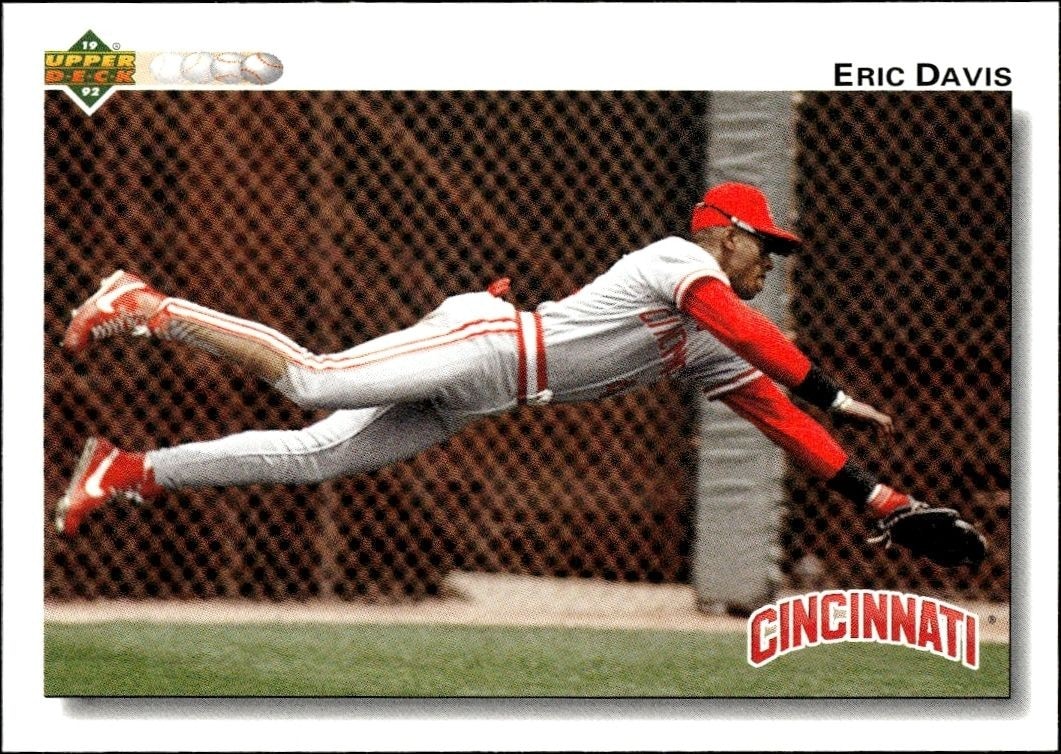

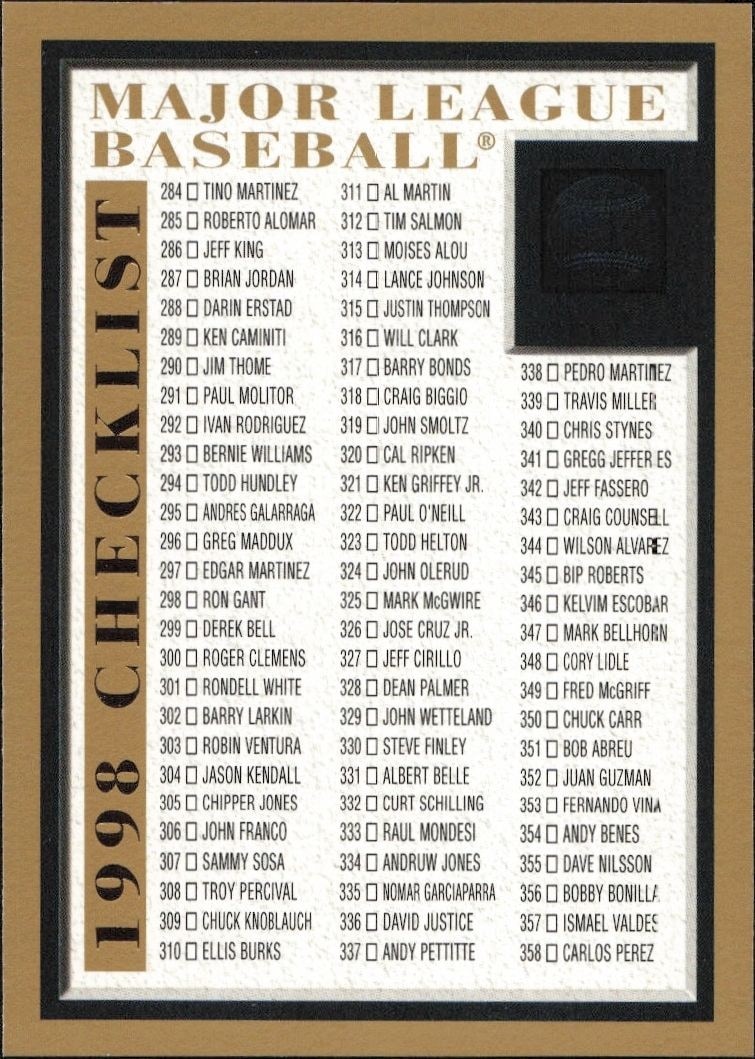
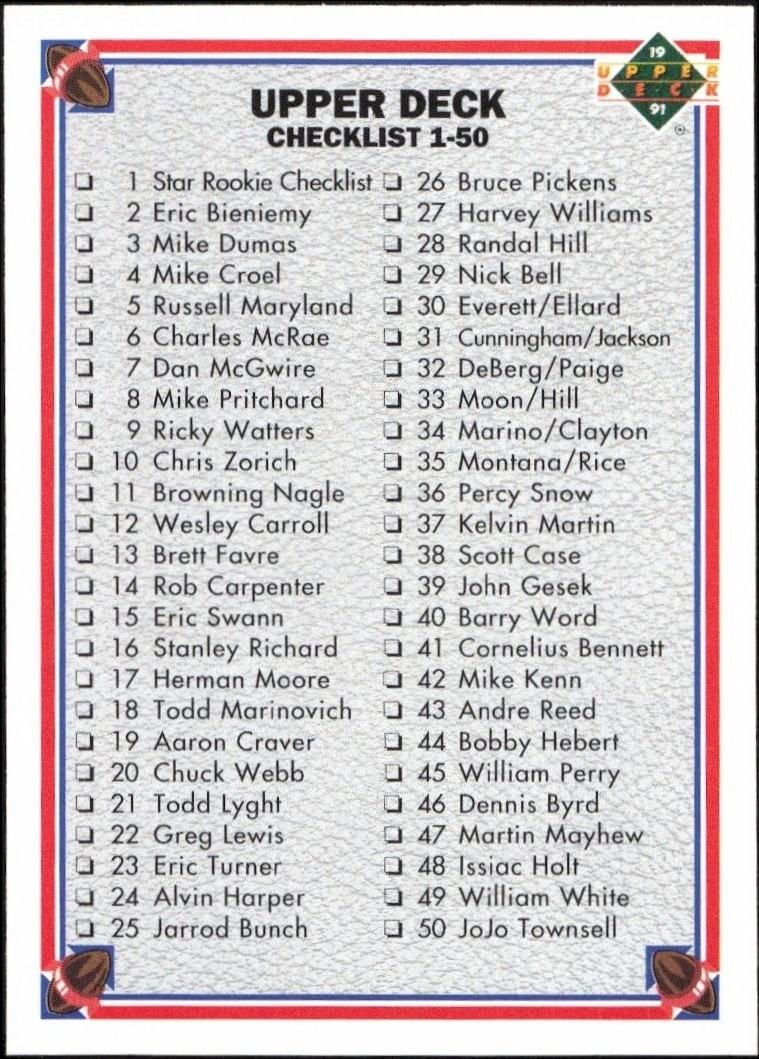


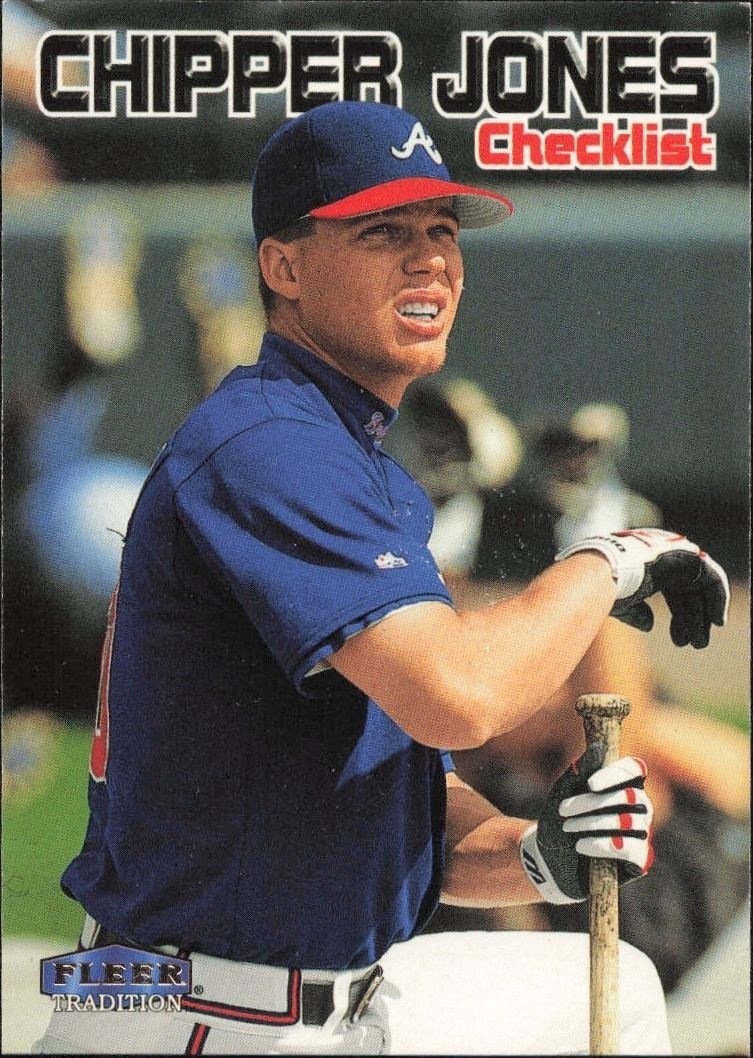
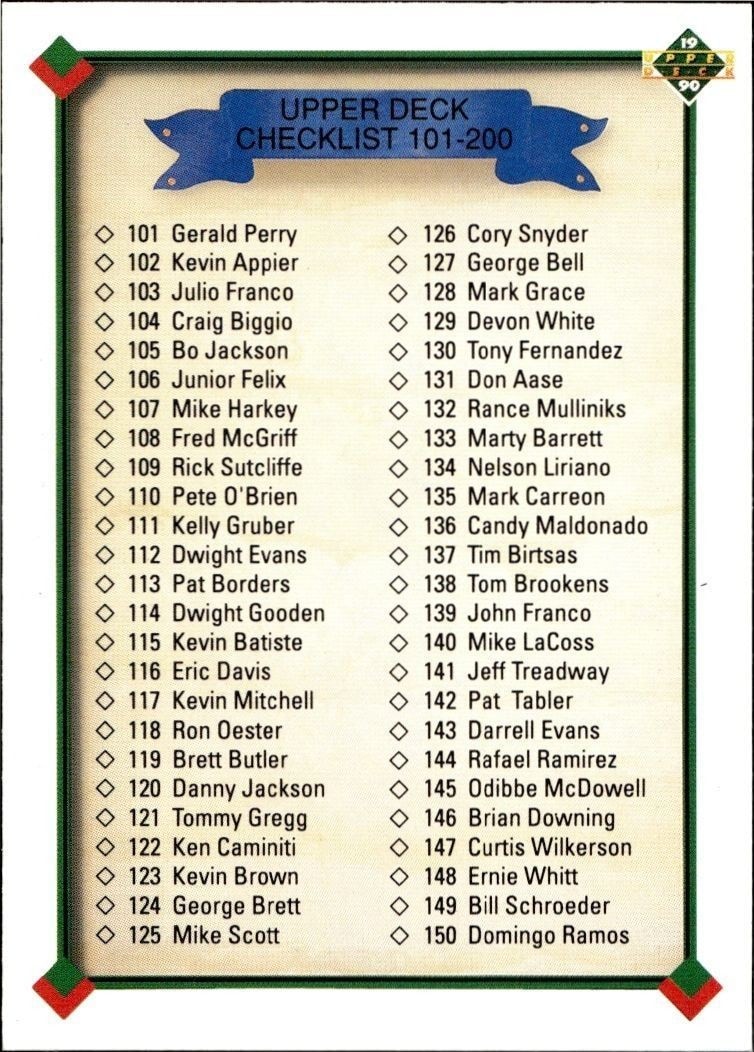
The 1992 Upper Deck Checklist 500 serves as a foundational catalog card for the MLB series, essential for verifying set completion and tracking player rosters from that era.
1992 • Upper Deck • Low Number
Major League Baseball
Near Mint
500
New
Shipping Calculated at Checkout
Arrives in 5-7 daysEstimated delivery October 23, 2026 - October 25, 2026
Seller returns October 19, 2026.30-day Returns| Condition | Value | Source | Trend | Price Details |
|---|---|---|---|---|
$1.99 | Guide Estimate | |||
Raw / Ungraded
PriceCharting Price Guide · Guide Estimate evidence · captured Oct 5, 2026
History is building. At least two days of matching observations are needed to show a trend.
Each point is the last stored observation that day for this printing, condition, grader, autograph status and source. Gaps mean no observation; guide estimates and asking prices are not completed sales.The 1992 Upper Deck Checklist 500 stands as a critical component for serious baseball card collectors, functioning as the primary verification tool for the entire base set. Released by Upper Deck, this checklist card is designed to help enthusiasts track which players are included in the main series, making it an indispensable reference piece for organizing collections. Unlike standard player cards, this product focuses on the structural integrity of the set, listing the roster of athletes featured in the 1992 release. For collectors focusing on the 1992 Upper Deck set, owning the checklist card is often considered a mandatory step in achieving a complete run. It provides a quick reference to ensure no key rookie or veteran card is missed during the assembly process. The card’s utility extends beyond simple organization; it serves as a historical record of the MLB rosters and player associations present during that specific season. This makes the 1992 Upper Deck Checklist 500 valuable not just for set builders, but for those interested in the archival aspects of sports trading card history. Whether you are just starting to build a collection of 1990s Upper Deck cards or are a seasoned investor looking to round out a complete set, this checklist card provides the necessary context to understand the full scope of the product. Its role in verifying authenticity and completeness makes it a sought-after item for those who demand precision in their collecting endeavors. By acquiring this card, collectors secure the final piece needed to validate their possession of the entire 1992 Upper Deck baseball set. ## Sources - 1992 Upper Deck Checklist Card Guide —.com/1992-updeck-checklist
21 hours ago
We'll pre-fill the product details from this catalog entry, so your listing lands on this exact page. Just add photos of your copy, pick its condition, and set your price.
The catalog profile below summarizes the card identity, featured subject, and notable collectible traits.
The core identity of the card within the set.
The subject, team, league, and sport context tied to this card.
Production details and format-specific attributes.
Material
Card Stock
Language
English
Notable collectible traits associated with this card profile.
Compare prices, grades, photos, and shipping from approved sellers.
New
Near Mint
See how many public collections currently include this card.
0 collectors have this card
This checklist card trades at a modest entry-level price point, reflecting its status as a non-parallel insert within the 1992 Upper Deck Low Number set. While it lacks the individual player focus that typically drives significant premium valuation, it remains accessible for collectors seeking to complete specific set subsets. The current pricing suggests a stable but low-demand tier relative to the more sought-after numbered parallels in this era.
As a checklist card, the supply is determined by the print run of the base set rather than unique serialization or short-print mechanics. It does not carry the scarcity benefits of serial numbering or limited edition parallels, making it functionally more common than the numbered counterparts in the same set. The absence of special attributes indicates it is a standard component of the set distribution.
Investment potential is limited as checklist cards generally do not appreciate independently of their set's overall popularity or specific player parallels. Demand is primarily driven by completists rather than speculative collectors, resulting in steady but slow-moving liquidity. Focus on this item is best suited for completion purposes rather than capital appreciation strategies.