1 / 2
About This Card
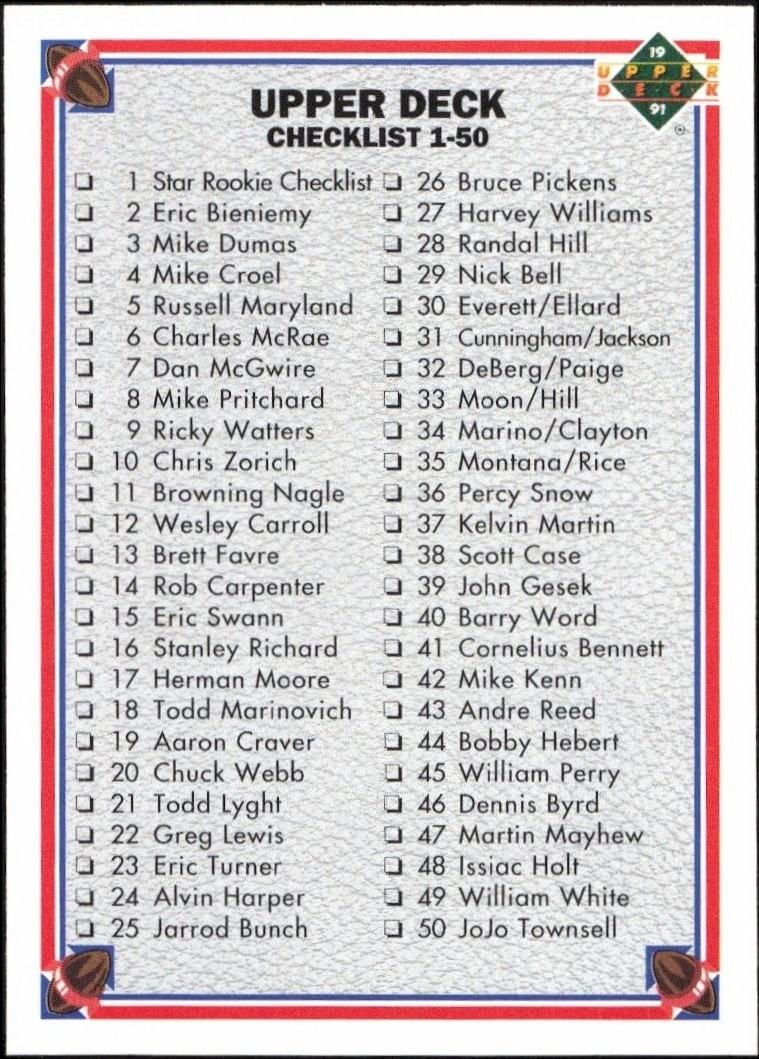
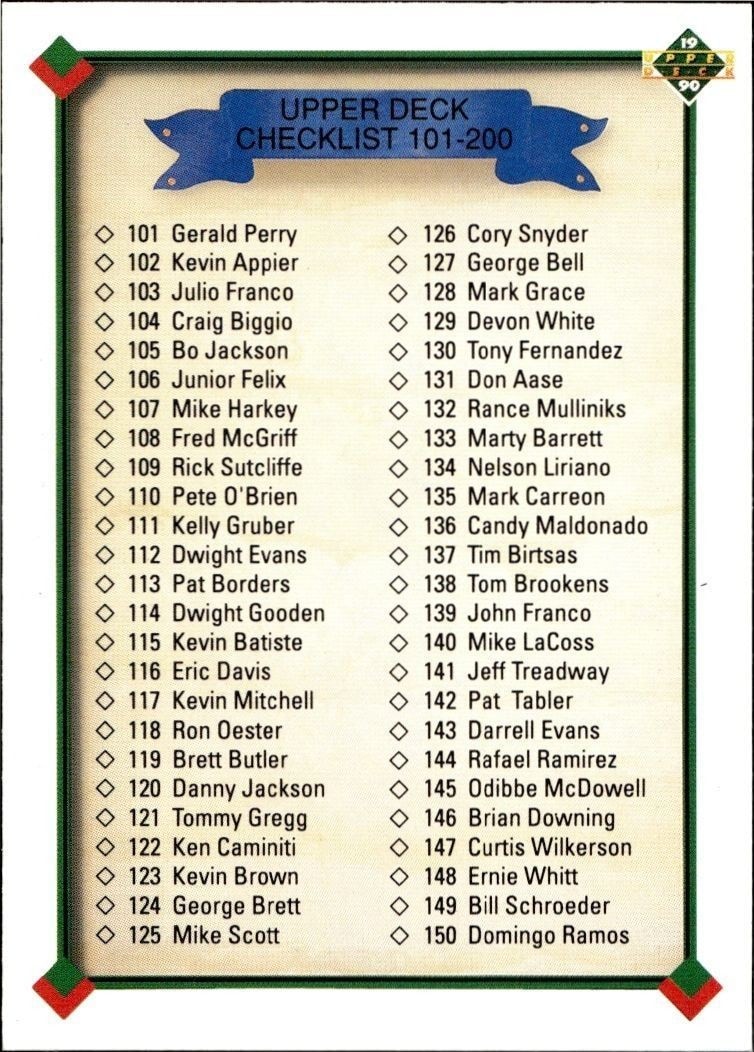
This 1992 Upper Deck Checklist card completes the Low Number subset, serving as a essential reference for collectors of this historic baseball set.
Checklist
1992 • Upper Deck • Low Number
Major League Baseball
Seller Offer
1 available$2.99
Raw/Ungraded Market: $1.09
Stale · as of 8/9/2026Condition
Near Mint
Card Number
99
Loading express checkout
Primary Seller
New
Shipping Calculated at Checkout
Arrives in 5-7 daysEstimated delivery November 19, 2026 - November 21, 2026
30-day ReturnsMarket & Price History
| Condition | Value | Source | Trend | Price Details |
|---|---|---|---|---|
$1.09As of 8/9/2026 | Guide Estimate | |||
- $1.09As of 8/9/2026
- Source
- Guide Estimate
- Trend
- Price Details
30-day Price History
Raw / Ungraded
PriceCharting Price Guide · Guide Estimate evidence · captured Aug 9, 2026
History is building. At least two days of matching observations are needed to show a trend.
Each point is the last stored observation that day for this printing, condition, grader, autograph status and source. Gaps mean no observation; guide estimates and asking prices are not completed sales.Product Overview
Description
The 1992 Upper Deck Checklist card, designated as Low Number 99, serves as a critical component for collectors building the complete set. As the inaugural release from Upper Deck in baseball, this 1992 product line introduced a new standard in design and production quality that shifted collector habits for decades. The checklist card itself functions as a vital reference tool, helping enthusiasts track their progress through the diverse roster of players featured in the base set. Collectors often seek this card not only for its utility but for its place in the broader narrative of sports card history. The 1992 Upper Deck brand is widely recognized for its innovative approach to player photography and card layout, setting a tone that influenced subsequent releases across the industry. For those dedicated to completing the Low Number subset, card 99 represents the final piece of that specific grouping, offering a sense of closure to the collection. The appeal of this product extends beyond simple completionism. It acts as a tangible link to the early 1990s boom in sports memorabilia, a period defined by intense market activity and growing mainstream interest in baseball trading cards. Owning the checklist card allows collectors to appreciate the full scope of the 1992 Upper Deck baseball set, which included a wide array of stars and rookies that defined the era. Whether you are a long-time investor in vintage cards or a new hobbyist exploring the foundations of the game, this card provides context and completeness to your holdings. It is a staple for anyone who values the structural integrity of their set, ensuring that no part of the 1992 Upper Deck experience is left unfinished. This product remains a respected entry in the catalog of vintage baseball cards, representing a pivotal moment in the evolution of the hobby.
Last Listing Activity
11/1/26
Seller Action
Have one of these to sell?
We'll pre-fill the product details from this catalog entry, so your listing lands on this exact page. Just add photos of your copy, pick its condition, and set your price.
Product Specs
Card Details
The catalog profile below summarizes the card identity, featured subject, and notable collectible traits.
Catalog Profile
The core identity of the card within the set.
Featured Subject
The subject, team, league, and sport context tied to this card.
Print Details
Production details and format-specific attributes.
Material
Card Stock
Language
English
Collector Highlights
Notable collectible traits associated with this card profile.
Checklist
Available Offers
Available Offer for This Card (1)
Compare prices, grades, photos, and shipping from approved sellers.
Featured Offer
New
Condition
Near Mint
Seller PriceShipping Extra
$2.99
Arrives in 5-7 days
Estimated delivery November 19, 2026 - November 21, 2026Collector Ownership
Owned by Collectors
See how many public collections currently include this card.
0 collectors have this card
SuperCatch Expert Analysis
Market Value Insight
This checklist card trades at a modest entry-level tier within the 1992 Upper Deck Low Number set, reflecting its status as a non-featured insert rather than a core player card. While the current price is accessible, the scarcity of active listings suggests a tight local market that may offer slight upward pressure for immediate acquisition. It serves as a foundational component for collectors targeting specific set completions rather than commanding the premiums associated with star athlete parallels.
Rarity Breakdown
The item lacks any noted scarcity mechanics such as serial numbering, short-print designations, or one-of-one attributes, placing it in the standard base or insert category of the Low Number series. Without explicit limited edition tags or unique identifiers, the supply is determined by the total print run of the checklist subset, which typically remains higher than numbered parallels. This absence of special rarity markers means its value is driven primarily by completeness needs rather than intrinsic scarcity.
Investment Outlook
As a checklist card, this item functions best as a utility piece for completing the 1992 Upper Deck Low Number set rather than a standalone speculative asset. Demand is steady among completists seeking to finalize their collections, providing a stable but low-yield investment profile. The lack of player-specific hype or rookie card status limits its potential for significant appreciation, making it a low-risk addition for serious set builders.
AI-Generated Editorial Analysis
FAQ
Frequently Asked Questions
What is the purpose of the Checklist card in a trading card set?
The Checklist card provides a reference for collectors to track which players and cards they have acquired from the set. It is often sought after by those looking to complete their collection or verify the existence of specific entries within the release.
Why is the 1992 Upper Deck set significant in baseball card history?
The 1992 Upper Deck release is widely regarded as a landmark in the hobby because it introduced a new level of production quality and design innovation. It marked a turning point in the market, influencing how subsequent sets were manufactured and perceived by collectors.
How does the Low Number subset relate to the base set?
The Low Number subset consists of cards numbered below 100 within the 1992 Upper Deck baseball set. These cards are often collected separately or as a distinct group within the broader set, with the Checklist card serving as the final entry in this grouping.