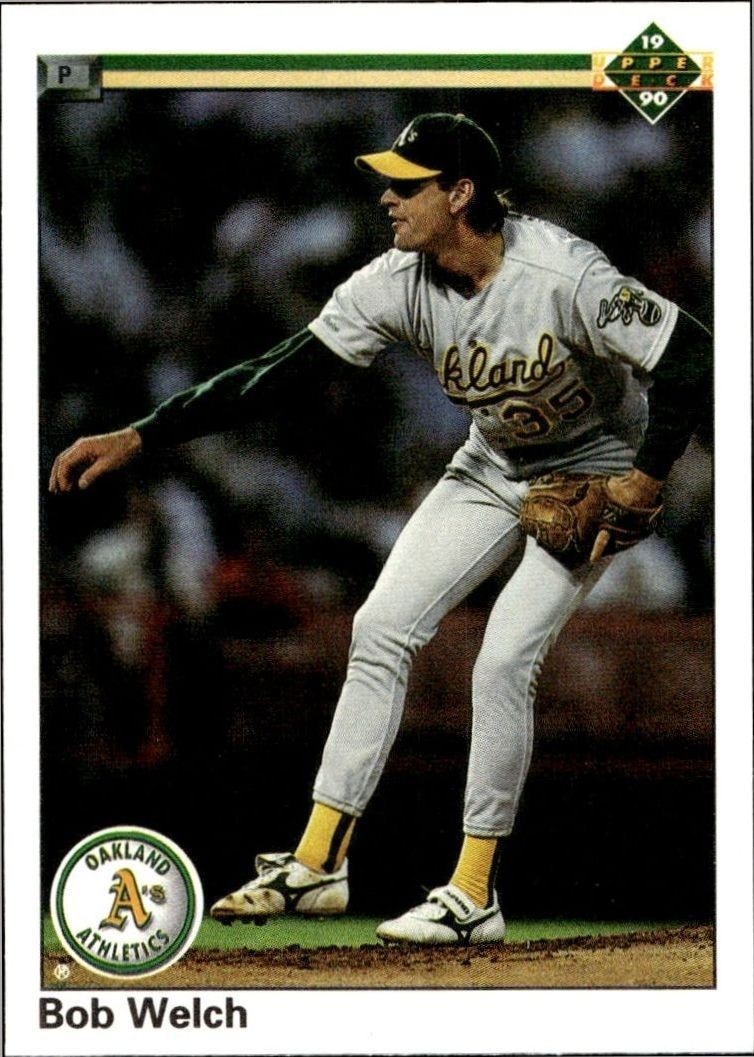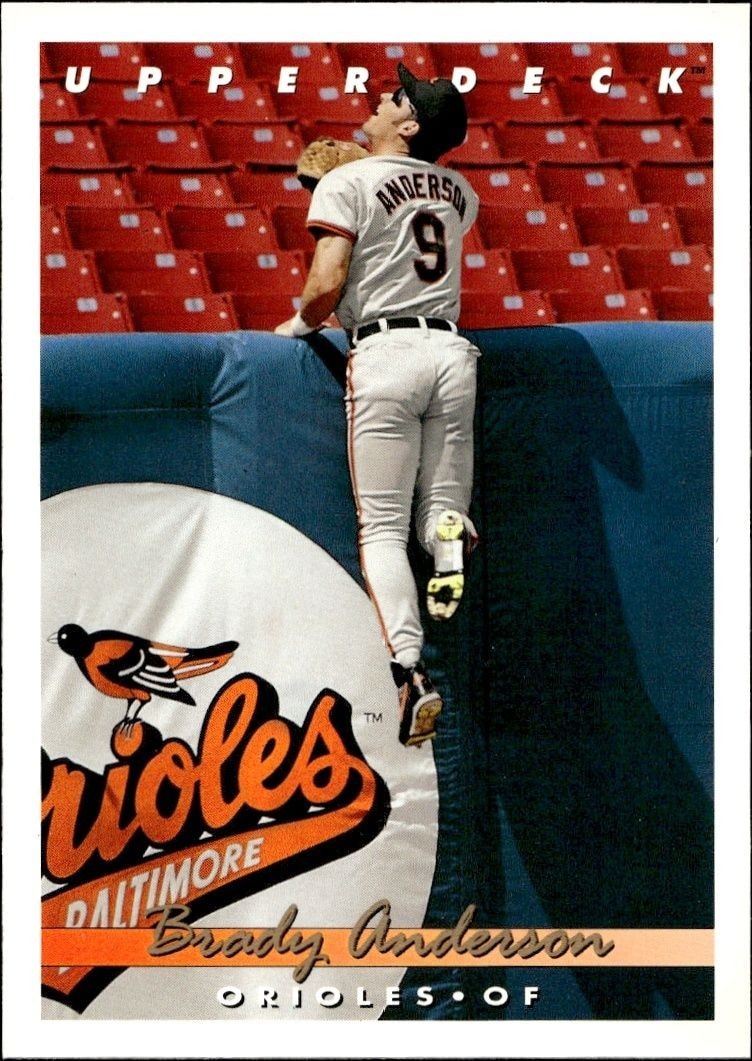

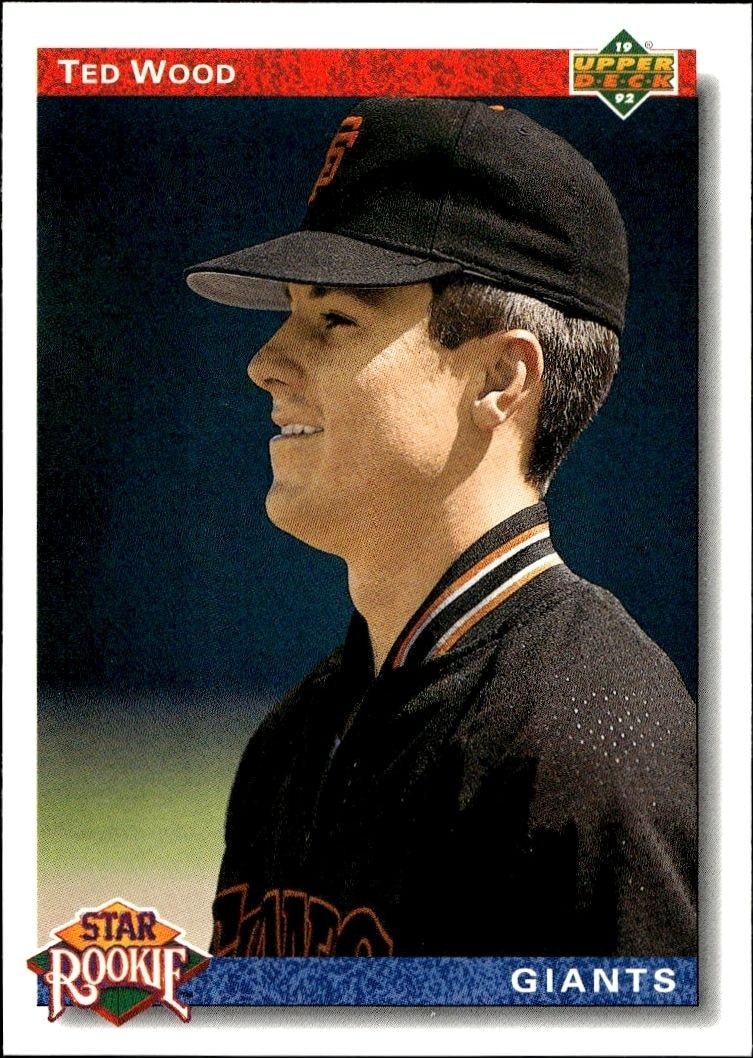
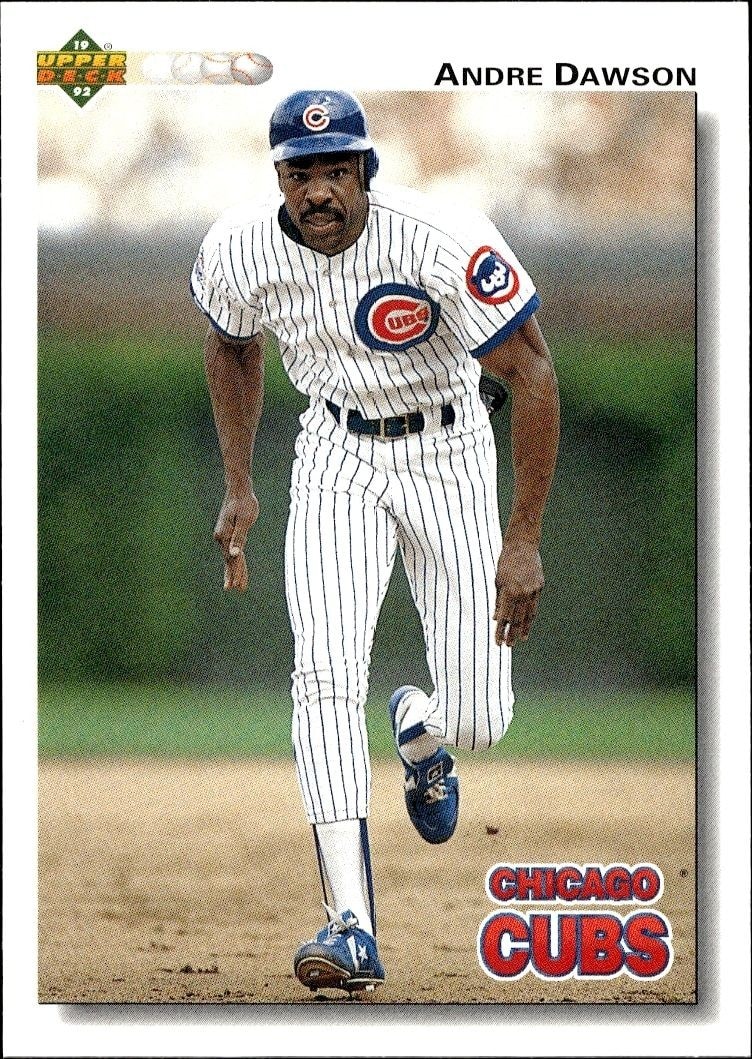

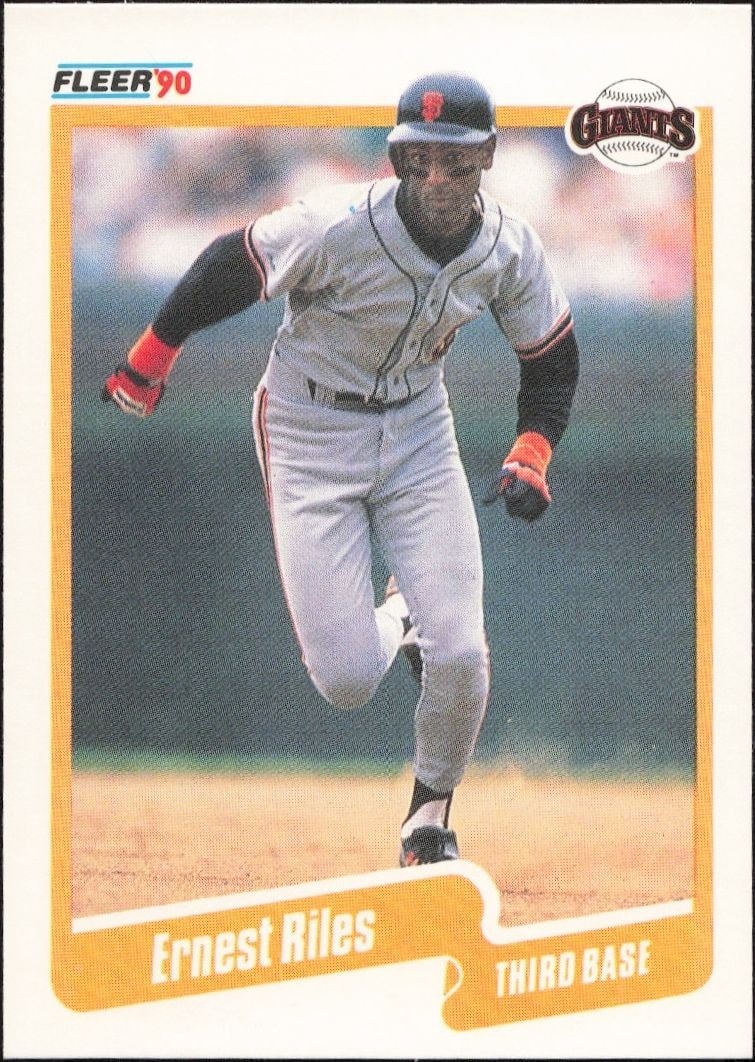

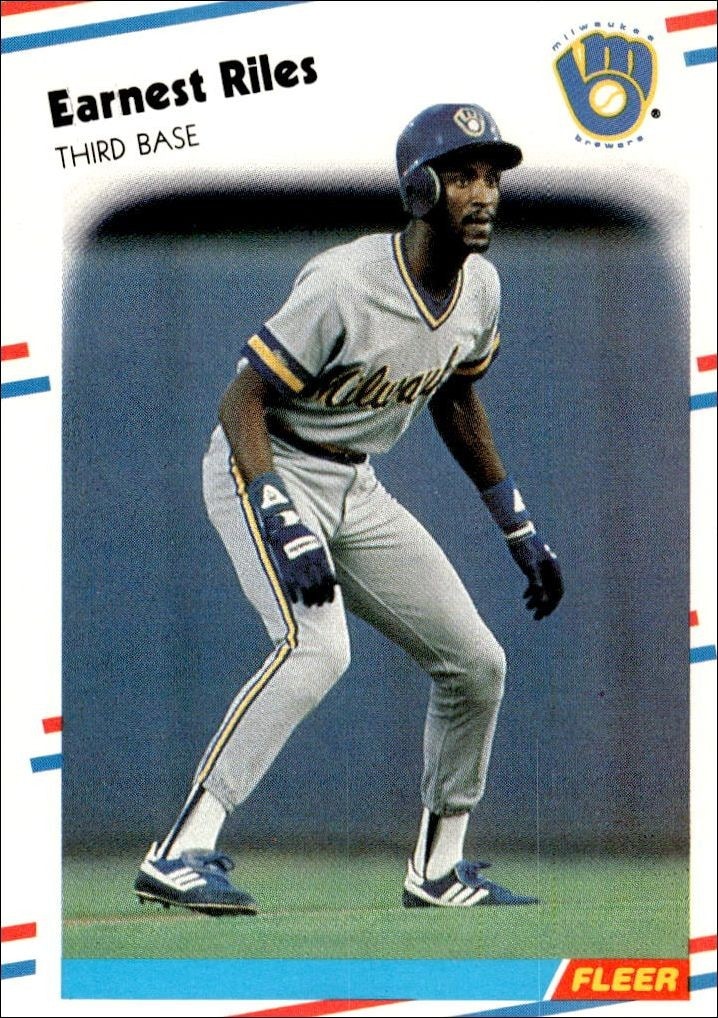
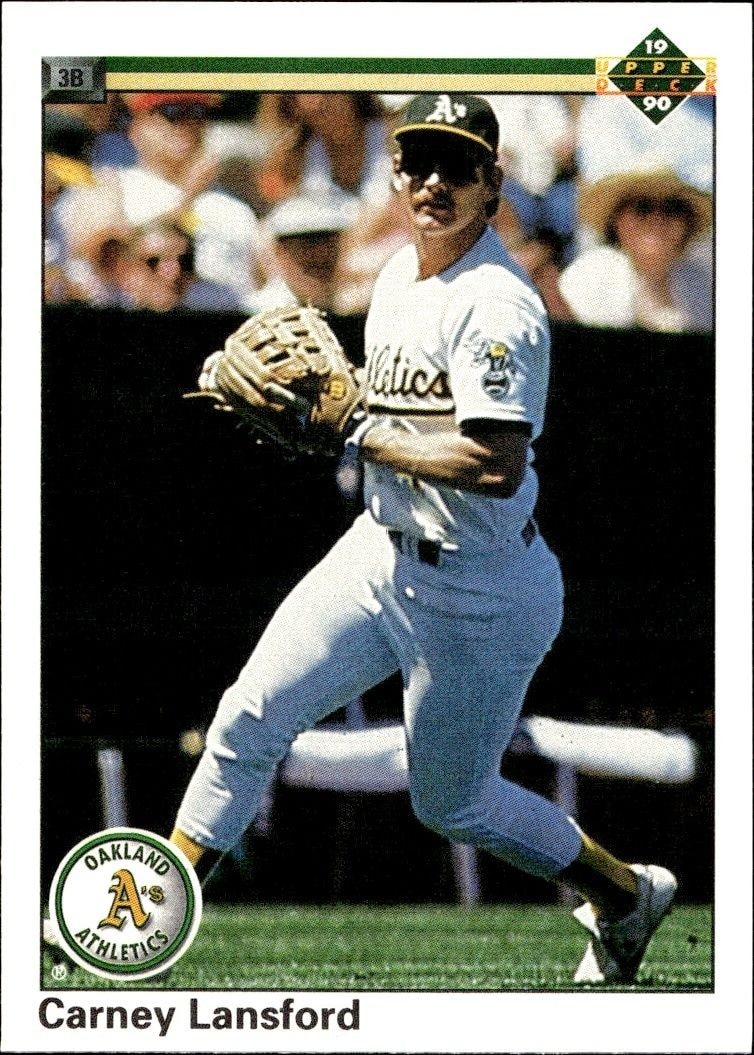
The 1992 Upper Deck Low Number series spotlights Ernest Riles with card #494, capturing his tenure with the Oakland Athletics in this essential vintage baseball release.
1992 • Upper Deck • Low Number
Major League Baseball • Oakland Athletics
Excellent
494
New
Shipping Calculated at Checkout
Arrives in 5-7 daysEstimated delivery October 23, 2026 - October 25, 2026
Seller returns October 19, 2026.30-day Returns| Condition | Value | Source | Trend | Price Details |
|---|---|---|---|---|
$0.99As of 10/2/2026 | Guide Estimate | |||
Raw / Ungraded
PriceCharting Price Guide · Guide Estimate evidence · captured Oct 2, 2026
History is building. At least two days of matching observations are needed to show a trend.
Each point is the last stored observation that day for this printing, condition, grader, autograph status and source. Gaps mean no observation; guide estimates and asking prices are not completed sales.Within this framework, the Ernest Riles #494 card serves as a specific identifier for collectors focusing on the Oakland Athletics roster during the early 1990s. This release is part of the broader 1992 Upper Deck base set, which remains a foundational reference for vintage baseball card enthusiasts. Ernest Riles, a utility infielder, appears on card #494, representing the depth of the Athletics lineup during that era. For collectors, this card offers a tangible connection to the team’s history and the specific season it was produced. The Low Number designation within the Upper Deck brand adds a layer of structural interest, as these cards were printed in a sequence that often included overlooked players alongside stars. Collecting vintage baseball cards from the early 1990s requires attention to the specific brand and series identifiers. This card, identified by its number 494, allows collectors to track the progression of the series and understand the breadth of the manufacturer’s roster documentation. Whether you are assembling a complete set of Oakland Athletics players or focusing on the 1992 Upper Deck base collection, this card represents a standard component of that pursuit. It provides insight into the rosters of the time and the manufacturing practices of one of the industry’s most influential brands. The value of such cards often lies in their historical context and their role in completing a specific chronological or team-based collection. For investors and hobbyists alike, understanding the nuances of the Low Number series helps in evaluating the significance of each entry. The 1992 release remains a staple in the hobby, offering a snapshot of a pivotal year in baseball history. Collectors can rely on the clear branding and numbering to verify authenticity and placement within the larger set structure.
1 day ago
We'll pre-fill the product details from this catalog entry, so your listing lands on this exact page. Just add photos of your copy, pick its condition, and set your price.
The catalog profile below summarizes the card identity, featured subject, and notable collectible traits.
The core identity of the card within the set.
The subject, team, league, and sport context tied to this card.
Production details and format-specific attributes.
Material
Card Stock
Language
English
Compare prices, grades, photos, and shipping from approved sellers.
New
Excellent
See how many public collections currently include this card.
0 collectors have this card
This 1992 Upper Deck card of Ernest Riles represents a low-tier entry point within the vintage baseball market, reflecting his limited mainstream recognition compared to contemporary stars. The current pricing indicates a niche collector base, with value driven primarily by nostalgia for the early 1990s Upper Deck brand rather than individual player performance metrics. It trades significantly below premium vintage issues, positioning it as an accessible acquisition for sets focusing on the Oakland Athletics or the specific Low Number series.
The card is identified as part of the 'Low Number' series, which inherently suggests a structured numbering system that may imply a capped supply relative to base parallels, though specific serial counts are not provided. Without noted special attributes such as short-print status or unique parallels, the scarcity is likely derived from its position within the set hierarchy rather than extreme individual uniqueness. The absence of explicit one-of-one or limited edition markers suggests it remains a numbered component of a larger production run.
As a non-rookie card from 1992, the item lacks the rookie-card premium that typically drives significant appreciation in vintage baseball collecting. Demand is likely sustained by completists seeking specific series fills rather than broad speculative interest, limiting upside potential for rapid value growth. Long-term stability may rely on the enduring popularity of the Upper Deck brand and the Oakland Athletics franchise, but it is not positioned as a high-growth asset compared to marquee players or rookie parallels from the same era.