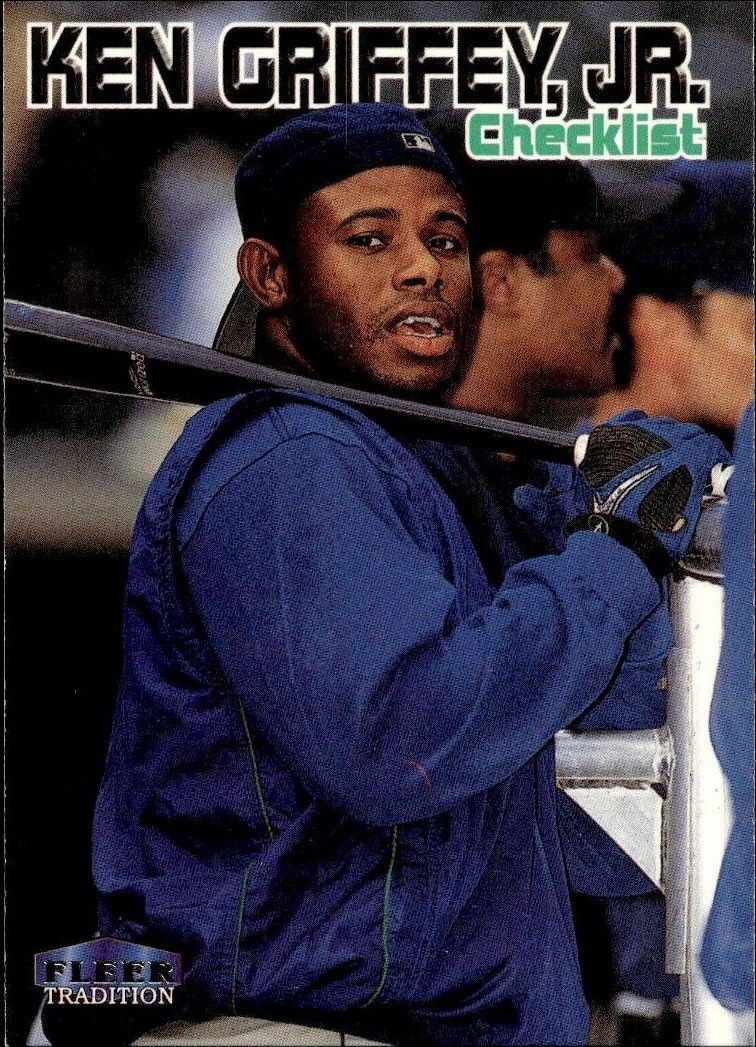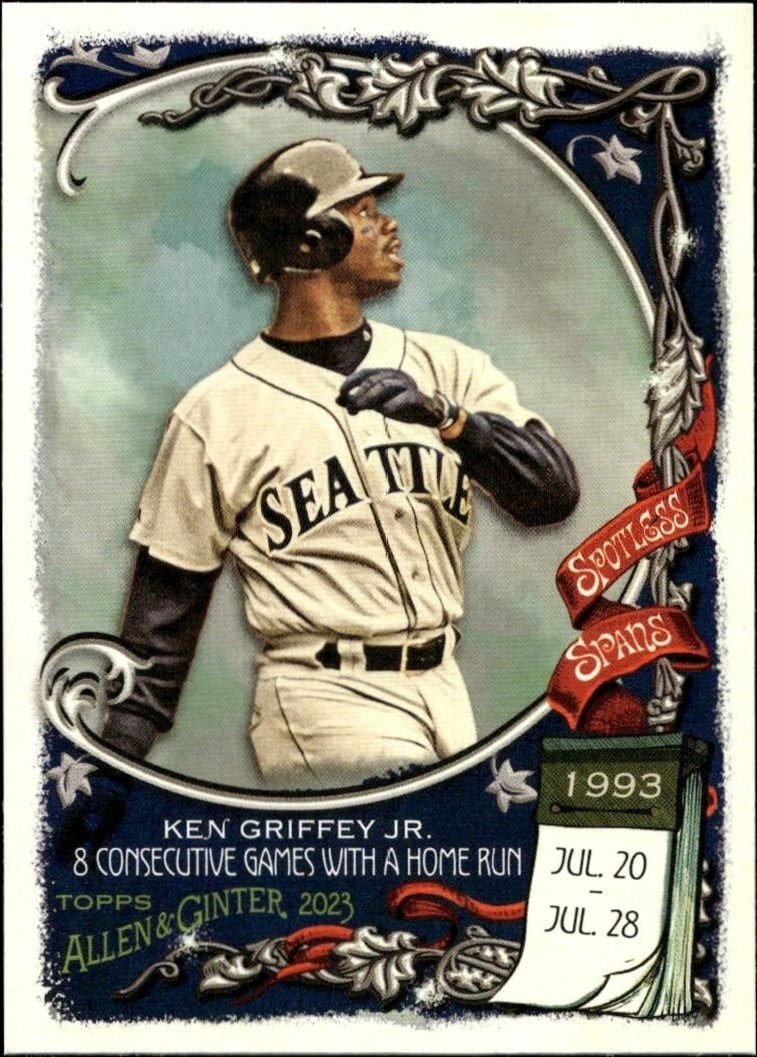





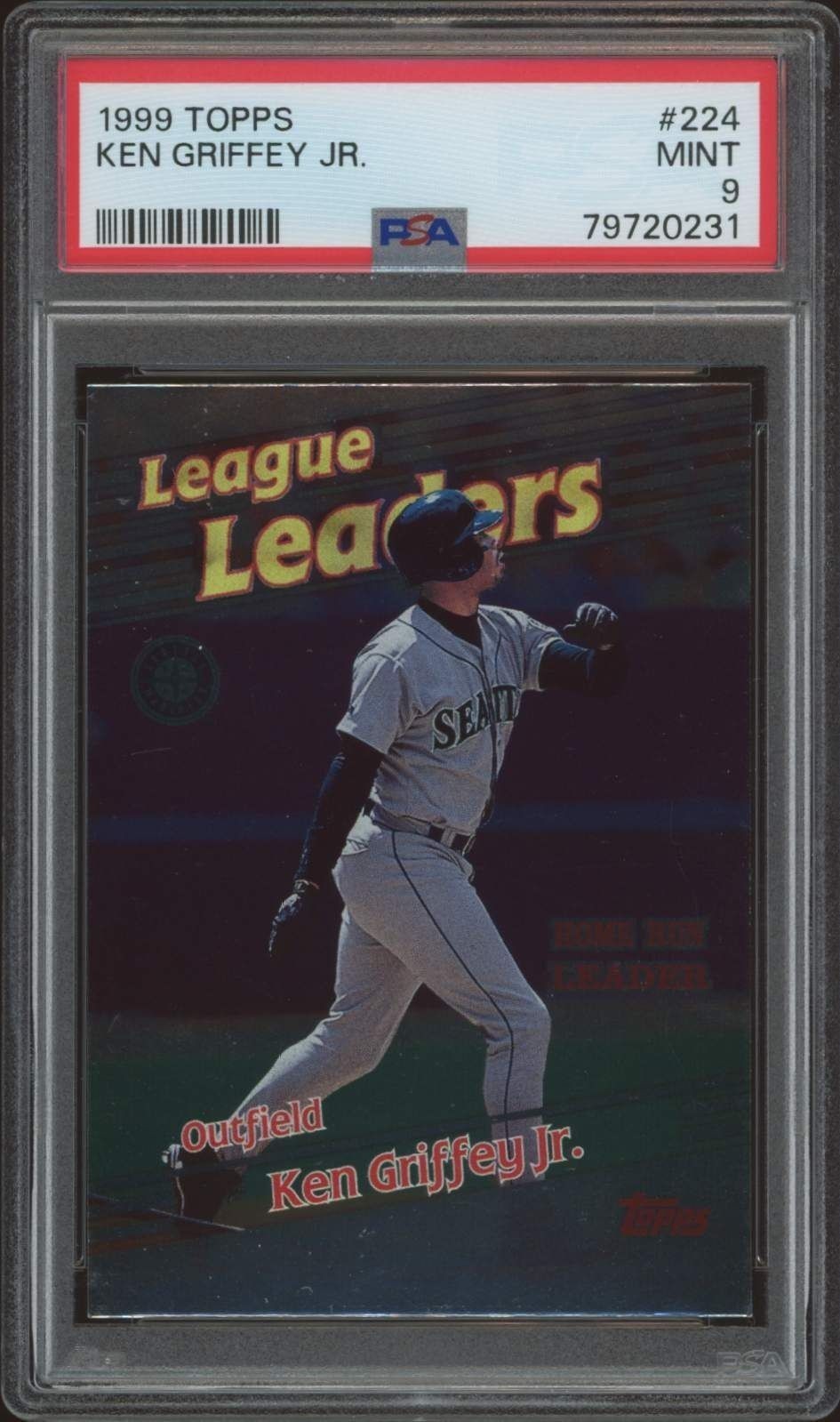
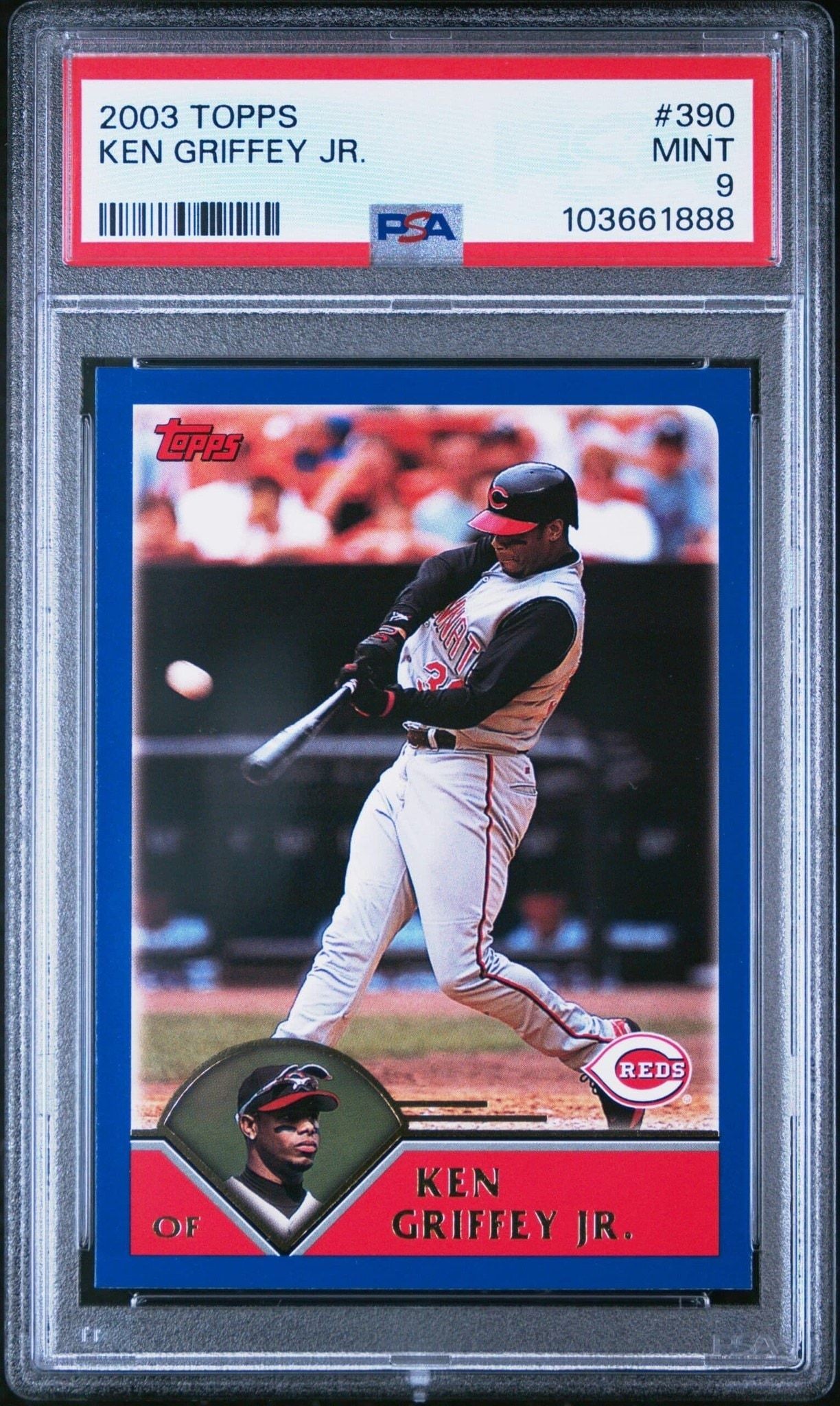
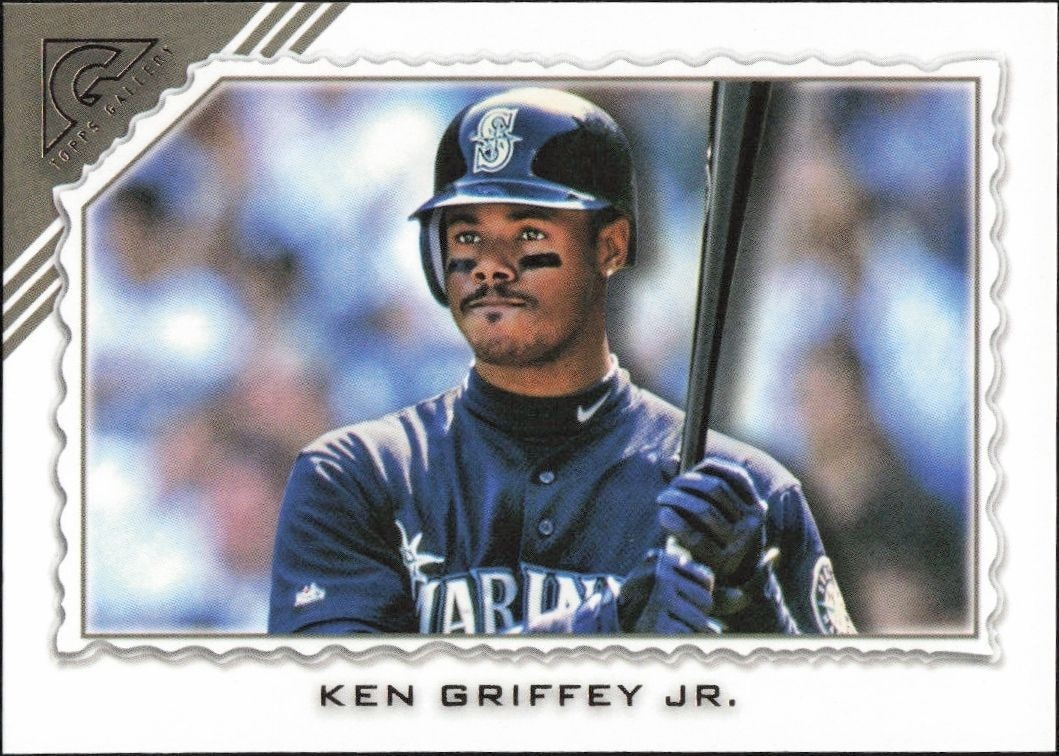
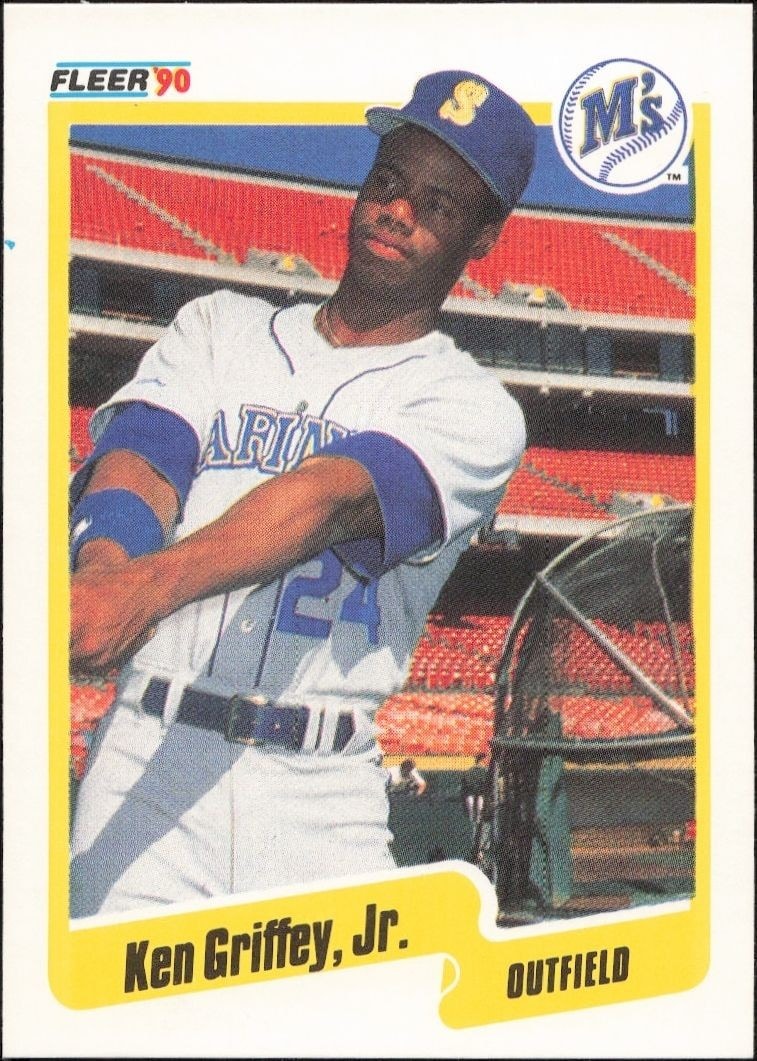
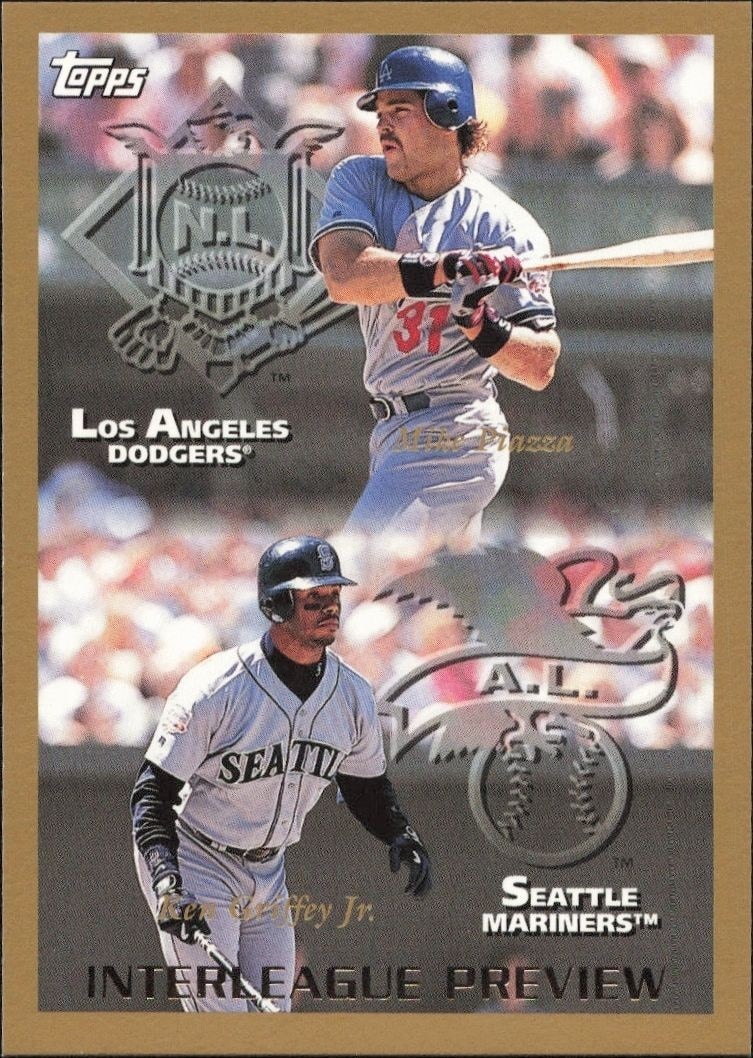
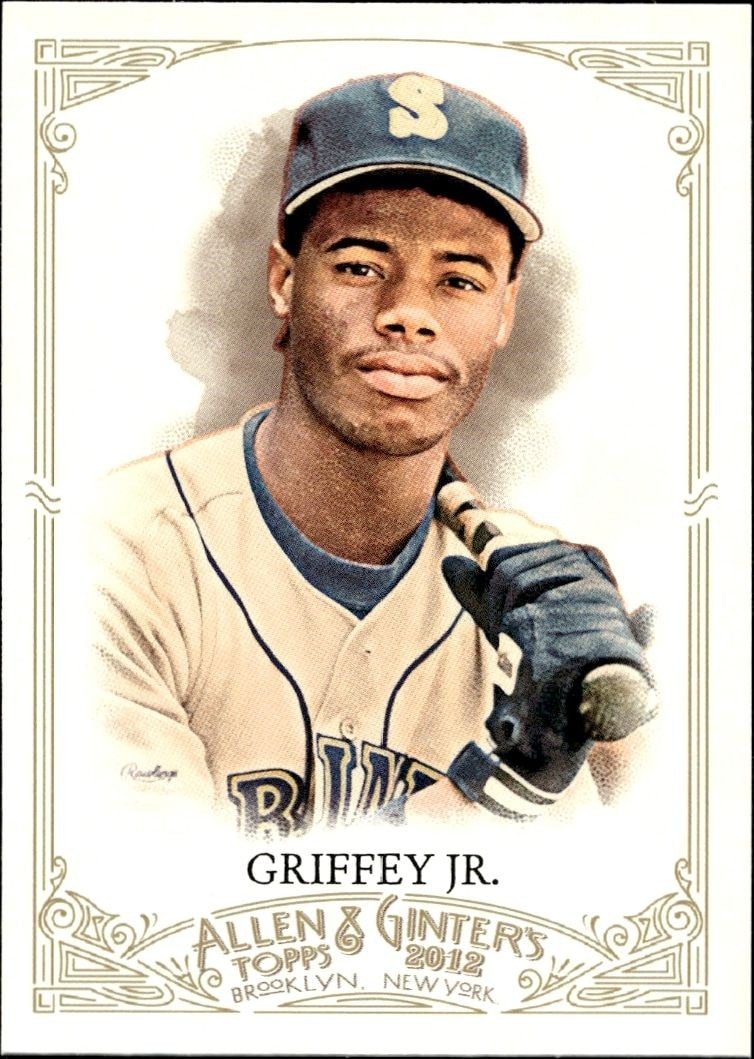
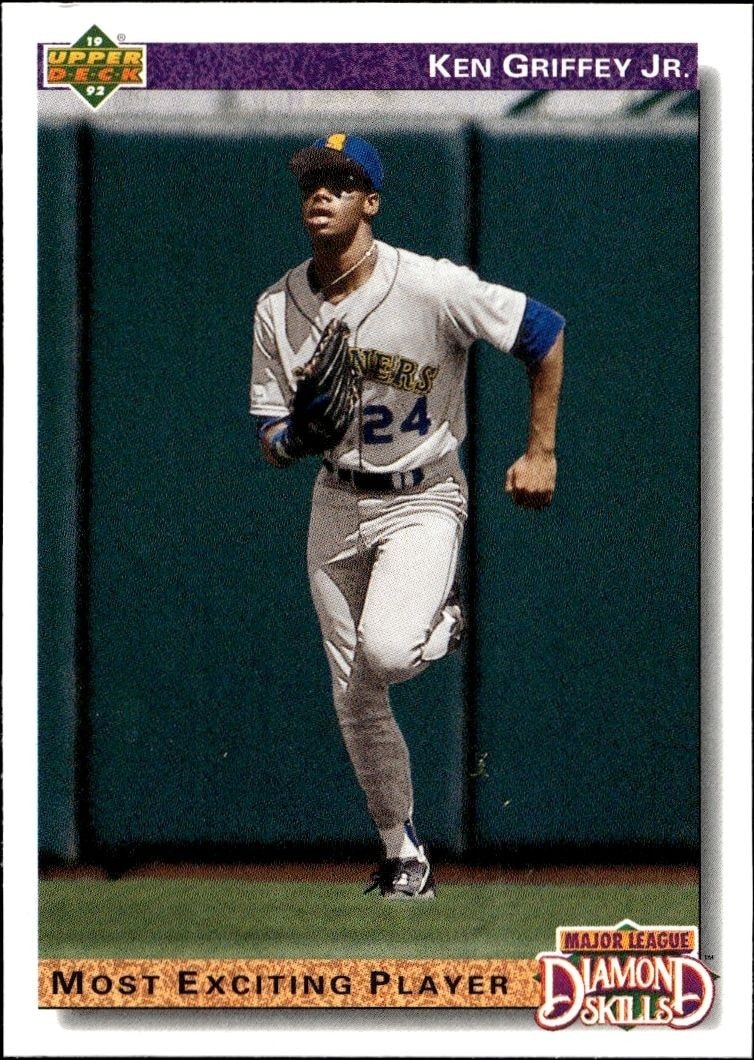

The 1992 Upper Deck Ken Griffey Jr. #424 baseball card represents a significant release for collectors of Seattle Mariners memorabilia and vintage sports trading cards.
1992 • Upper Deck • Low Number
Major League Baseball • Seattle Mariners
Near Mint
424
New
Shipping Calculated at Checkout
Arrives in 6-8 daysEstimated delivery October 23, 2026 - October 25, 2026
Seller returns October 19, 2026.30-day Returns| Condition | Value | Source | Trend | Price Details |
|---|---|---|---|---|
$1.60 | Guide Estimate | +3.2% | ||
$9.77 | Guide Estimate | 0% | ||
$11.61 | Guide Estimate | 0% | ||
$22.77 | Guide Estimate | +1.2% | ||
$26.00 | Guide Estimate | 0% | ||
$164.00 | Guide Estimate | -1.2% | ||
$25.00 | Guide Estimate | 0% | ||
$126.43 | Guide Estimate | -0.8% | ||
$55.88 | Guide Estimate | +24% | ||
Raw / Ungraded
PriceCharting Price Guide · Guide Estimate evidence · captured Oct 7, 2026
The 1992 Upper Deck Ken Griffey Jr. #424 baseball card stands as a foundational piece for collectors focusing on the Seattle Mariners franchise and early 1990s sports memorabilia. As a key entry in the 1992 Upper Deck set, this card highlights one of the most recognizable figures in modern baseball history. Collectors often seek out this card number to complete their base set or to acquire a tangible piece of the team's legacy during a pivotal period. The card's design reflects the production values and printing techniques characteristic of Upper Deck's output in 1992, offering a distinct look that differentiates it from other releases of the time. For investors and hobbyists alike, the 1992 Upper Deck series remains a benchmark for quality and historical significance in the sports card market. Whether you are looking to round out a decade-specific collection or add a high-profile player to your portfolio, this catalog entry provides access to a widely recognized item. The enduring appeal of the 1992 Upper Deck Ken Griffey Jr. #424 lies in its clear identification of the subject and its place in the broader narrative of baseball trading card history. It serves as an essential reference point for understanding the evolution of the product category and the players who shaped the game during the early 90s.
1 day ago
We'll pre-fill the product details from this catalog entry, so your listing lands on this exact page. Just add photos of your copy, pick its condition, and set your price.
The catalog profile below summarizes the card identity, featured subject, and notable collectible traits.
The core identity of the card within the set.
The subject, team, league, and sport context tied to this card.
Production details and format-specific attributes.
Material
Card Stock
Language
English
Compare prices, grades, photos, and shipping from approved sellers.
New
Near Mint
See how many public collections currently include this card.
0 collectors have this card
This 1992 Upper Deck Ken Griffey Jr. card represents a foundational piece from the peak of his early career with the Seattle Mariners, a period that established him as a generational talent. While the current market price reflects a relatively accessible entry point compared to high-grade rookie variations, the presence of only one active listing suggests tight immediate liquidity. The card's value is anchored by Griffey's iconic status, though it trades in a tier accessible to casual collectors rather than premium investors seeking graded specimens.
The card lacks any noted special attributes such as serial numbering, short-print designations, or parallel finishes, placing it squarely in the base set category. This absence of unique scarcity mechanics means the supply is determined solely by the original production volume of the 1992 Upper Deck Low Number set. Consequently, individual copies are widely available in the secondary market, preventing the kind of supply constraints seen in limited-edition parallels or autographed inserts.
As a standard base card from 1992, this item does not carry the rookie-card premium mechanics typically associated with higher-value Griffey investments. Collector demand is driven primarily by nostalgia and the desire for affordable base set completions rather than speculative growth. Long-term value appreciation is likely modest, as the market for ungraded base cards from this era is saturated and does not benefit from the exclusivity drivers found in serial-numbered or parallel variants.


1996 • Topps
#205
3 listings