



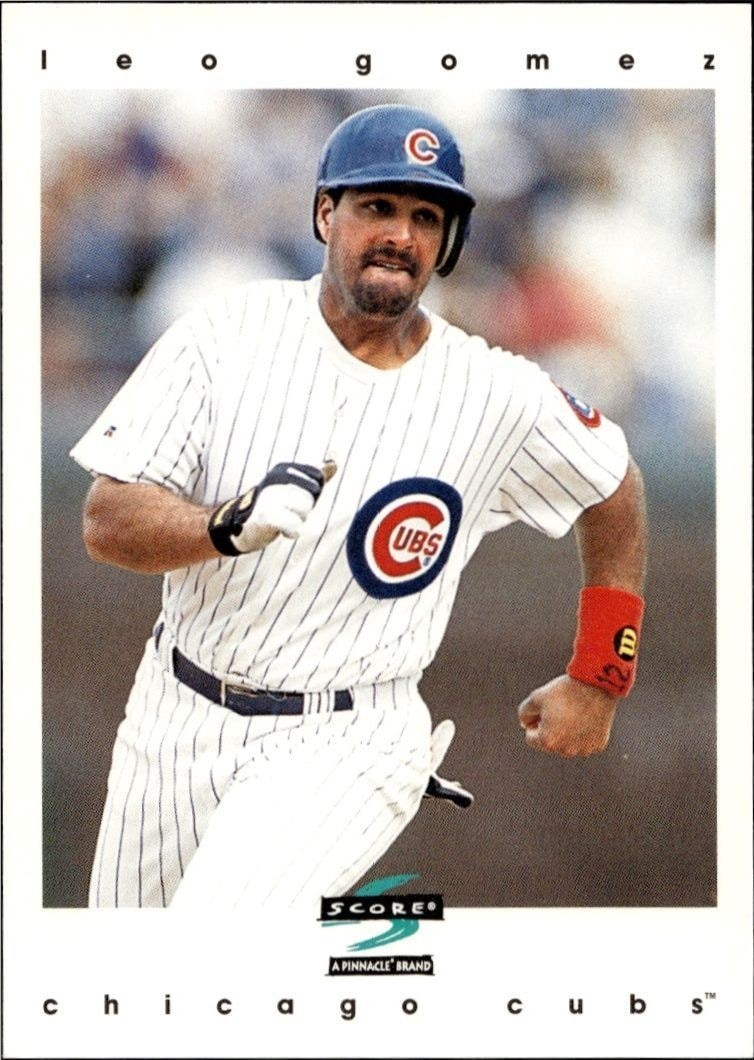
The 1992 Upper Deck Leo Gomez #161 is a low-numbered baseball card from the iconic Upper Deck series, featuring the Baltimore Orioles player.
1992 • Upper Deck • Low Number
Major League Baseball • Baltimore Orioles
Near Mint
161
New
Shipping Calculated at Checkout
Arrives in 5-7 daysEstimated delivery October 23, 2026 - October 25, 2026
Seller returns October 19, 2026.30-day Returns| Condition | Value | Source | Trend | Price Details |
|---|---|---|---|---|
$0.99 | Guide Estimate | |||
Raw / Ungraded
PriceCharting Price Guide · Guide Estimate evidence · captured Oct 7, 2026
History is building. At least two days of matching observations are needed to show a trend.
Each point is the last stored observation that day for this printing, condition, grader, autograph status and source. Gaps mean no observation; guide estimates and asking prices are not completed sales.The 1992 Upper Deck Leo Gomez #161 stands as a notable entry in the history of Upper Deck baseball cards, leveraging the brand's reputation for high-quality production and innovative design. As part of the Low Number series, this card carries a catalog number that places it within the first 161 slots of the set, a characteristic often sought after by collectors who appreciate the structural hierarchy of vintage releases. Leo Gomez, a key figure for the Baltimore Orioles during the early 1990s, is featured here, capturing a specific moment in his MLB career within the context of the 1992 season. For investors and set builders, the 1992 Upper Deck Leo Gomez #161 offers a tangible connection to this pivotal era in sports memorabilia. Its low-number status adds a layer of desirability, making it a compelling piece for those looking to complete their collection or add a distinctive vintage asset. Whether you are tracking the career of Baltimore Orioles legends or exploring the broader landscape of 1990s baseball cards, this card provides a focused and valuable addition to any portfolio. The enduring appeal of Upper Deck's early 90s releases ensures that cards like this one remain relevant and actively traded among enthusiasts.
1 day ago
We'll pre-fill the product details from this catalog entry, so your listing lands on this exact page. Just add photos of your copy, pick its condition, and set your price.
The catalog profile below summarizes the card identity, featured subject, and notable collectible traits.
The core identity of the card within the set.
The subject, team, league, and sport context tied to this card.
Production details and format-specific attributes.
Material
Card Stock
Language
English
Compare prices, grades, photos, and shipping from approved sellers.
New
Near Mint
See how many public collections currently include this card.
0 collectors have this card
Leo Gomez represents a value-tier entry point within the 1992 Upper Deck baseball market, reflecting his status as a role player rather than a marquee franchise icon. The current pricing indicates that this specific card trades well below the premium established by star athletes in the same set, offering an accessible price point for collectors focusing on team-specific completions. While it lacks the speculative volatility of top-tier prospects, it holds stable utility for those completing base Baltimore Orioles subsets from this era.
This card is identified as a base print within the 1992 Upper Deck Low Number series, meaning it does not carry the supply constraints of serial-numbered inserts or short-print parallels. The absence of special attributes like gold foil, refractor treatments, or limited edition numbering suggests a high print run relative to its premium counterparts. Consequently, the scarcity is driven primarily by the general attrition of vintage base cards rather than intentional manufacturing limits.
As a non-rookie card from a standard base set, the primary demand driver is niche team collecting rather than broad career trajectory speculation. The 1992 Upper Deck brand maintains a solid reputation among vintage collectors, providing a steady foundation for base cards of players with defined MLB tenures. Long-term value retention relies on the stability of the vintage baseball market rather than individual player accolades, making it a low-risk holding for portfolio diversification rather than high-growth speculation.