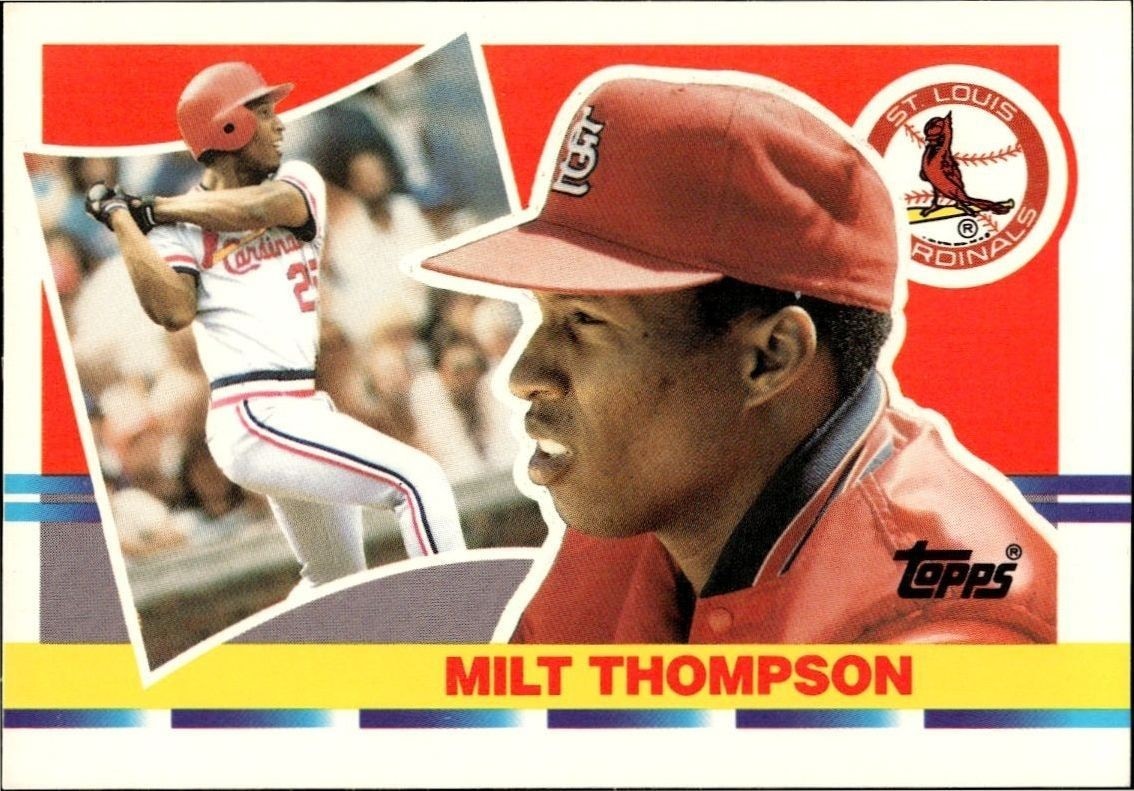


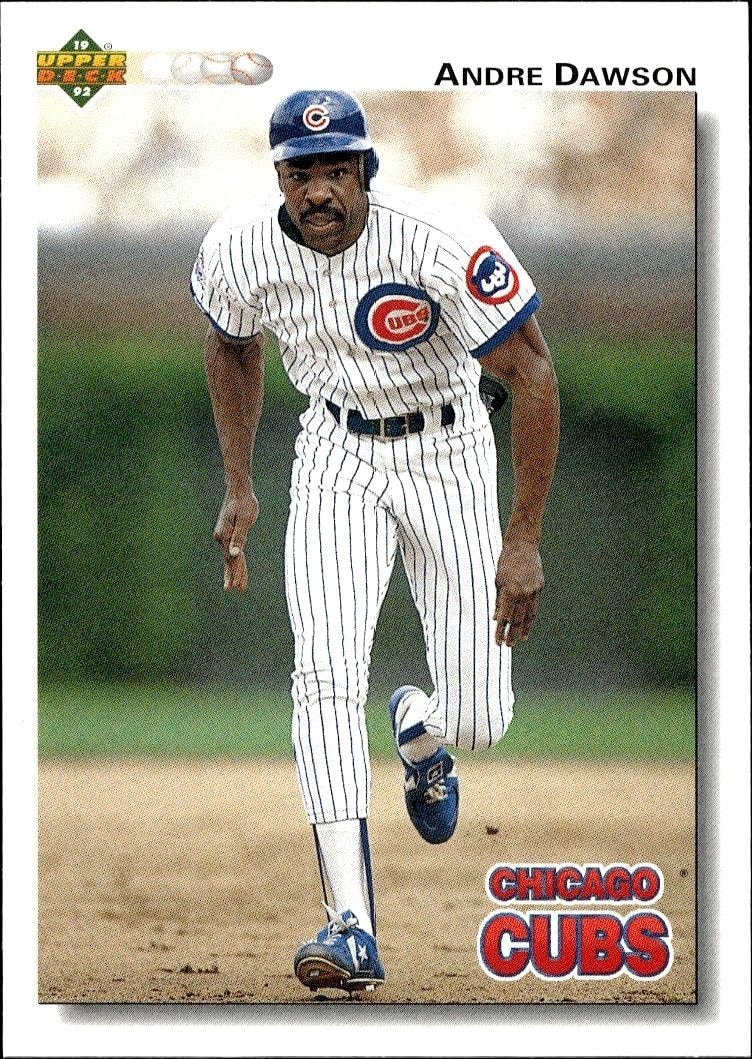





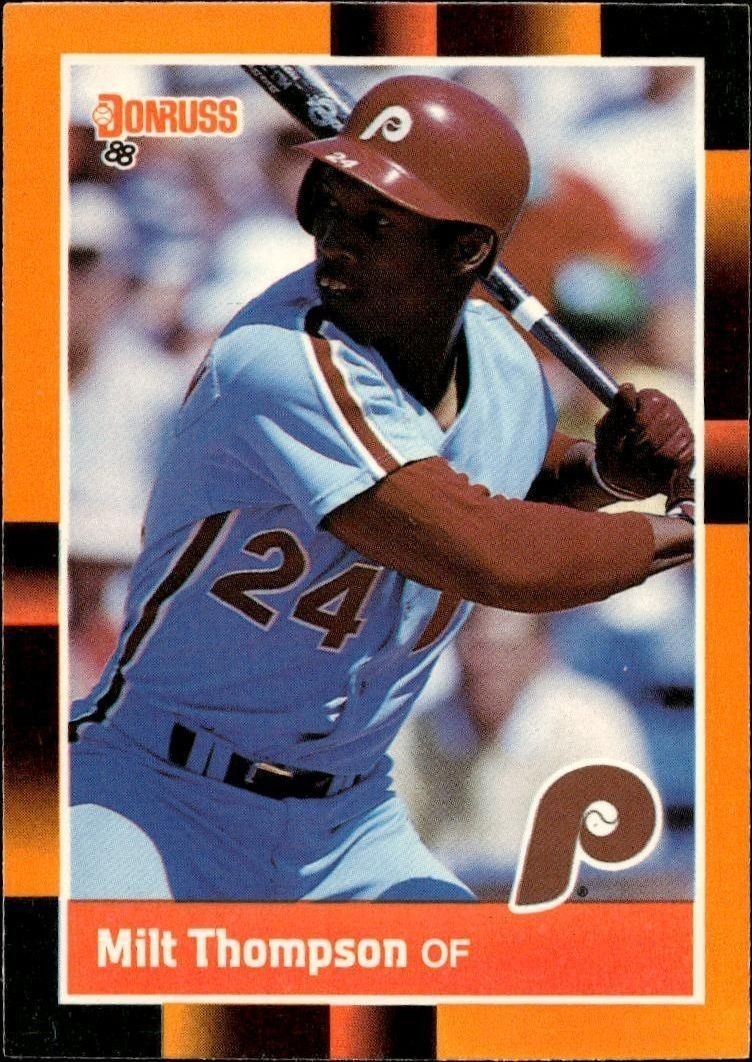
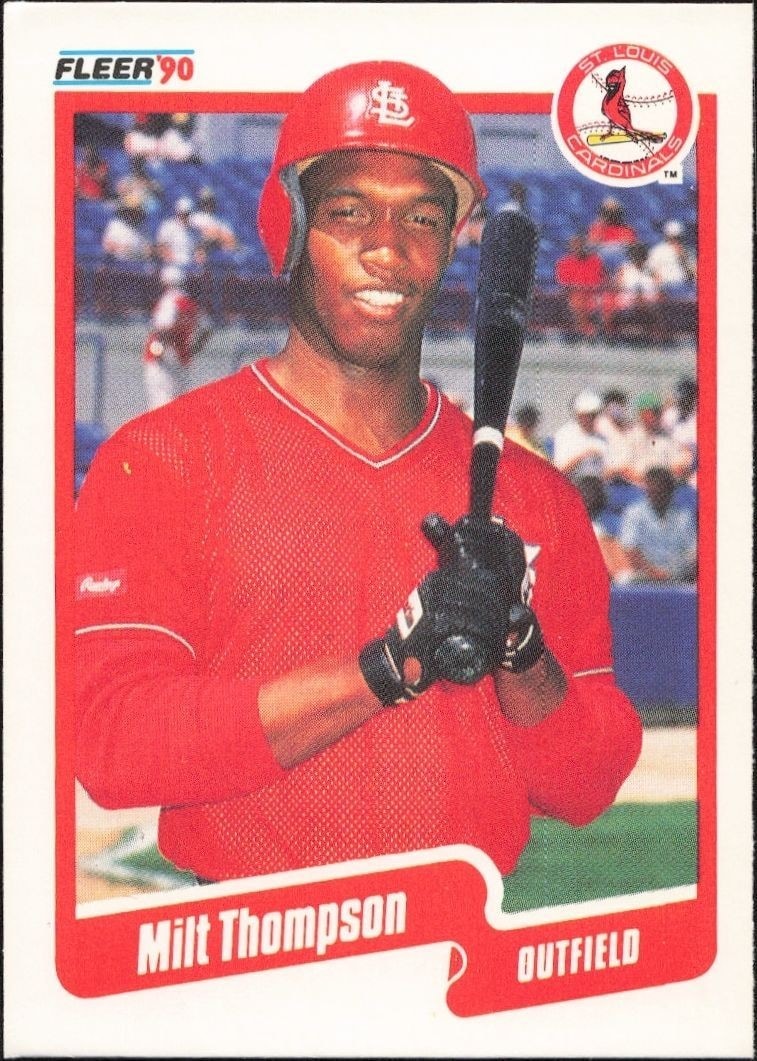
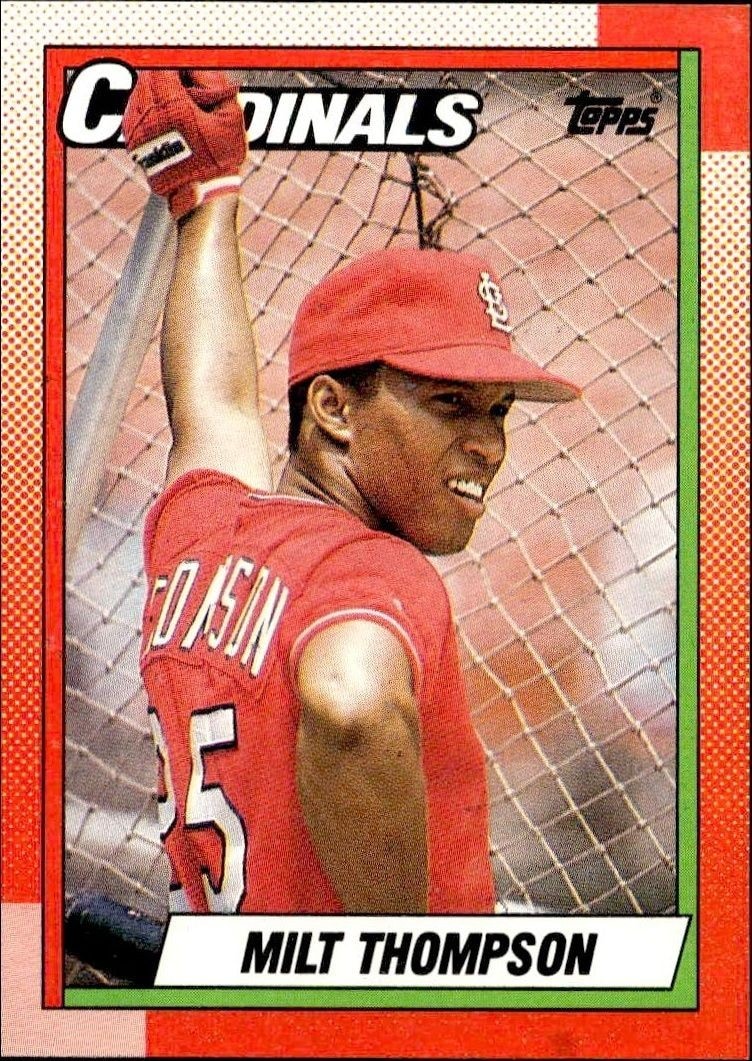


The 1992 Upper Deck Milt Thompson #397 is a distinctive baseball card from the Low Number series, featuring the St. Louis Cardinals player.
1992 • Upper Deck • Low Number
Major League Baseball • St. Louis Cardinals
Near Mint
397
New
Shipping Calculated at Checkout
Arrives in 4-6 daysEstimated delivery October 23, 2026 - October 25, 2026
30-day Returns| Condition | Value | Source | Trend | Price Details |
|---|---|---|---|---|
$1.60As of 10/4/2026 | Guide Estimate | |||
Raw / Ungraded
PriceCharting Price Guide · Guide Estimate evidence · captured Oct 4, 2026
History is building. At least two days of matching observations are needed to show a trend.
Each point is the last stored observation that day for this printing, condition, grader, autograph status and source. Gaps mean no observation; guide estimates and asking prices are not completed sales.The 1992 Upper Deck Milt Thompson #397 card represents a specific entry in the Low Number series, a unique subset of the iconic 1992 Upper Deck baseball set. As a member of the St. Louis Cardinals roster during this era, Milt Thompson’s inclusion in this catalog makes this product a relevant piece for fans tracking team history or completing the broader 1992 Upper Deck collection. The Low Number series within the 1992 Upper Deck brand offers a distinct visual and organizational appeal compared to the base set. Collectors often seek out these specific card numbers to add depth to their portfolios, whether for personal enjoyment or investment purposes. The design context of the 1992 Upper Deck release remains a staple in modern sports card collecting, providing a clear window into the early 90s aesthetic. For those focused on the St. Louis Cardinals or Milt Thompson specifically, this catalog item serves as a fundamental component of their groupings. When evaluating this product, it is important to understand its place within the 1992 Upper Deck ecosystem. The Low Number series does not rely on parallel finishes but rather on its position in the sequence, making each card number a distinct identifier. Whether you are a long-time collector or new to the hobby, understanding the significance of card numbers in the 1992 Upper Deck set enhances the collecting experience. This card is a key component for enthusiasts of the 1992 Upper Deck brand. It stands as a tangible link to the 1992 season and the St. Louis Cardinals' roster. Collectors interested in the Low Number subset will find this product essential for maintaining a complete and orderly collection. The 1992 Upper Deck set continues to be a favorite among investors and hobbyists alike for its consistent design and historical value.
1 day ago
We'll pre-fill the product details from this catalog entry, so your listing lands on this exact page. Just add photos of your copy, pick its condition, and set your price.
The catalog profile below summarizes the card identity, featured subject, and notable collectible traits.
The core identity of the card within the set.
The subject, team, league, and sport context tied to this card.
Production details and format-specific attributes.
Material
Card Stock
Language
English
Compare prices, grades, photos, and shipping from approved sellers.
New
Near Mint
See how many public collections currently include this card.
0 collectors have this card
This 1992 Upper Deck card of Milt Thompson represents a low-tier entry point within the baseball market, reflecting his role as a reserve player rather than a franchise cornerstone. The current pricing suggests a niche appeal limited to specialists in Cardinals history or specific era collections, lacking the broad demand seen with star players. Its value is anchored primarily by its status as a tangible piece of 1990s MLB memorabilia rather than significant collector hype.
The listing indicates no special attributes such as serial numbering, short-print status, or parallel variants, meaning this is a standard base card from the set. Consequently, the supply is determined by the original print run of the 1992 Upper Deck Low Number set, which typically produced high volumes for non-star players. Without limited edition markers, the card relies on general condition scarcity rather than intentional manufacturing constraints.
As a non-rookie card from a mid-tier brand, this item lacks the premium mechanics associated with rookie debuts or high-demand rookie parallels. Investment potential is modest, driven mainly by the stability of the vintage sports card market for 1990s baseball rather than explosive growth. Collectors seeking affordable additions to 90s base sets may find utility in this card, but it is unlikely to appreciate significantly without broader market shifts.