





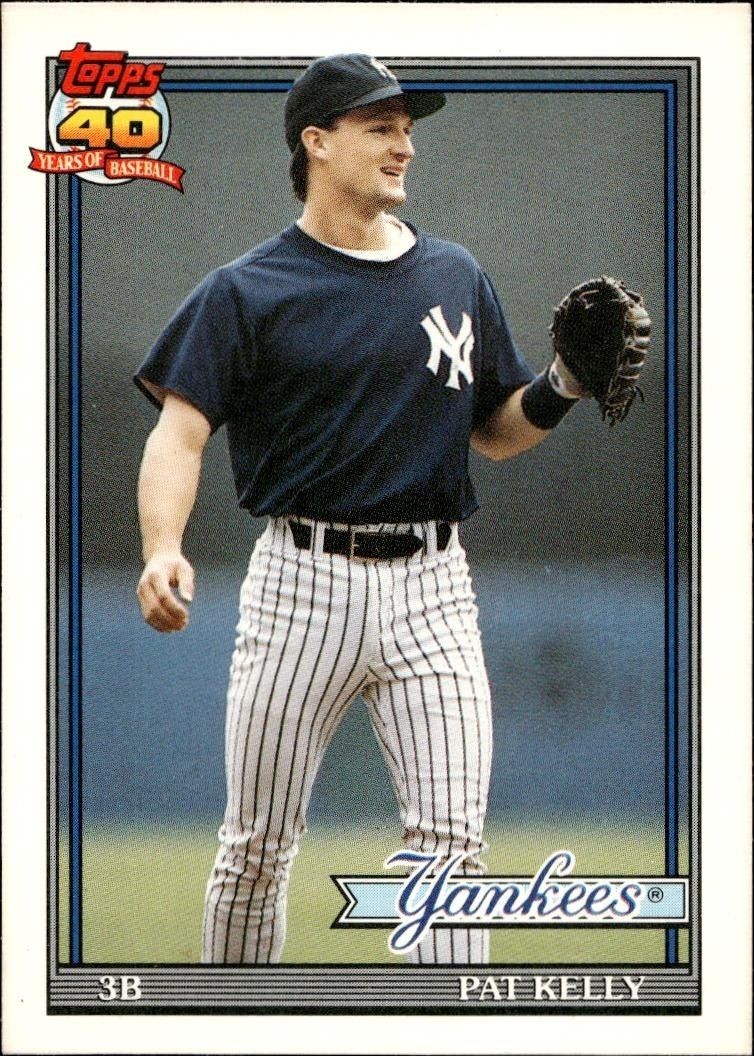


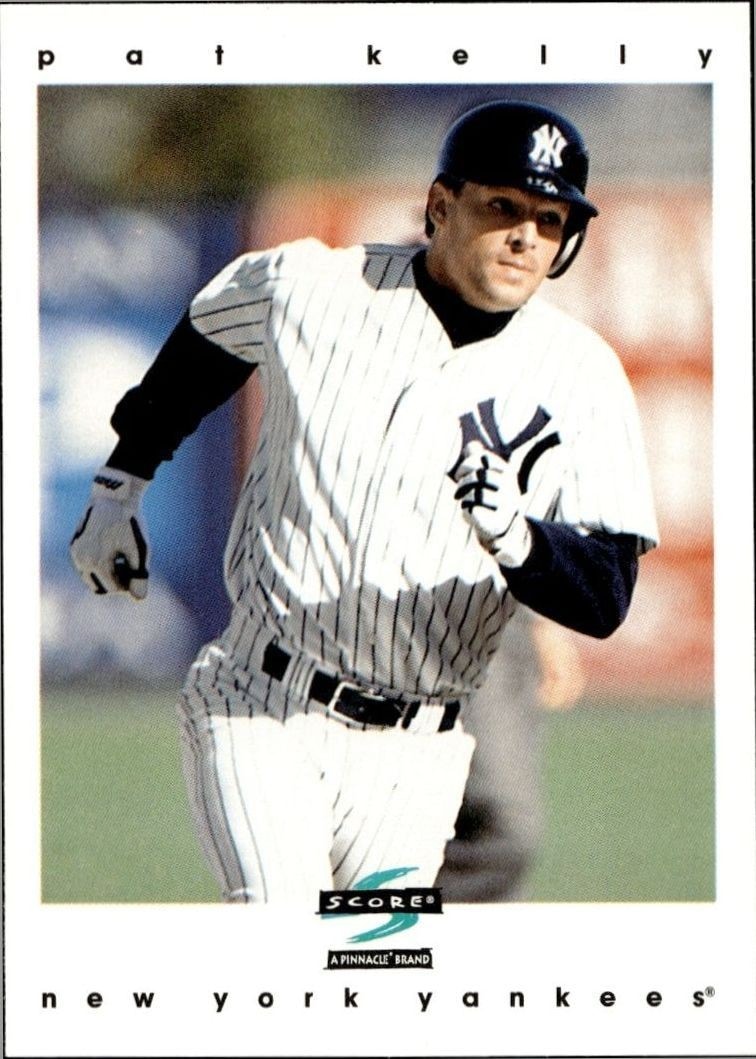
Explore the 1992 Upper Deck Pat Kelly #435 baseball card from the Low Number series. This catalog entry represents a sought-after piece from the classic 1992 Upper Deck release.
1992 • Upper Deck • Low Number
Major League Baseball • New York Yankees
Near Mint
435
New
Shipping Calculated at Checkout
Arrives in 5-7 daysEstimated delivery October 23, 2026 - October 25, 2026
Seller returns October 19, 2026.30-day Returns| Condition | Value | Source | Trend | Price Details |
|---|---|---|---|---|
$1.42 | Guide Estimate | +1.4% | ||
$9.09 | Guide Estimate | +0.8% | ||
$19.01 | Guide Estimate | +0.8% | ||
$34.85 | Guide Estimate | +0.8% | ||
$111.00 | Guide Estimate | +1.8% | ||
$51.00 | Guide Estimate | +2% | ||
$85.02 | Guide Estimate | +1.2% | ||
$51.00 | Guide Estimate | +2% | ||
Raw / Ungraded
PriceCharting Price Guide · Guide Estimate evidence · captured Oct 17, 2026
The 1992 Upper Deck Pat Kelly #435 baseball card represents a distinct entry within the Low Number series, offering collectors a tangible connection to early 1990s MLB trading card culture. As part of the broader 1992 Upper Deck release, this product carries the visual and historical weight of a pivotal era in sports memorabilia collecting. Pat Kelly, featured on card number 435, is identified within the catalog as a New York Yankees player in the context of this product. For those building a comprehensive collection of Yankees history or 1992 Upper Deck subsets, this card provides a specific anchor point. The Low Number series designation often appeals to collectors who appreciate the structural variety within standard base sets, as these cards frequently feature unique design treatments or numbering schemes that distinguish them from the main run. Collectors often seek out cards from this period not just for the player depiction, but for the nostalgic value of the brand itself. Upper Deck’s 1992 set is widely regarded as a cornerstone of modern card design, making any card from this release, including the Low Number variants, a relevant item for investment or personal collection growth. Whether you are looking to complete a team set or add a vintage piece to your portfolio, this card offers a specific piece of baseball history. The combination of the player, the team affiliation, and the specific set year creates a unique profile for this product. By focusing on the catalog identity—the 1992 year, the Upper Deck brand, and the Low Number series—collectors can assess the card's place in the broader market of vintage baseball memorabilia. This approach ensures that the value of the card is understood through its historical context and set participation, rather than transient market fluctuations.
22 hours ago
We'll pre-fill the product details from this catalog entry, so your listing lands on this exact page. Just add photos of your copy, pick its condition, and set your price.
The catalog profile below summarizes the card identity, featured subject, and notable collectible traits.
The core identity of the card within the set.
The subject, team, league, and sport context tied to this card.
Production details and format-specific attributes.
Material
Card Stock
Language
English
Compare prices, grades, photos, and shipping from approved sellers.
New
Near Mint
See how many public collections currently include this card.
0 collectors have this card
As a 1992 Upper Deck card of Pat Kelly, this item sits in a lower tier relative to premier Yankees stars or rookie cards from the same era. The absence of special attributes suggests it trades near the baseline value for standard base cards from this specific year, reflecting its status as a common non-premium issue rather than a high-demand centerpiece.
The card lacks any noted special attributes such as serial numbering, short-print designation, or parallel finishes, indicating it is a standard base card within the set. This lack of unique scarcity mechanics means supply is relatively abundant compared to limited-edition variants, resulting in no inherent rarity premium.
With no rookie card designation or special set positioning, demand drivers are minimal, relying primarily on general interest in Yankees history rather than specific card scarcity. The straightforward nature of this base card limits its potential for significant appreciation, making it a stable but low-growth asset for collectors seeking roster completeness.
