




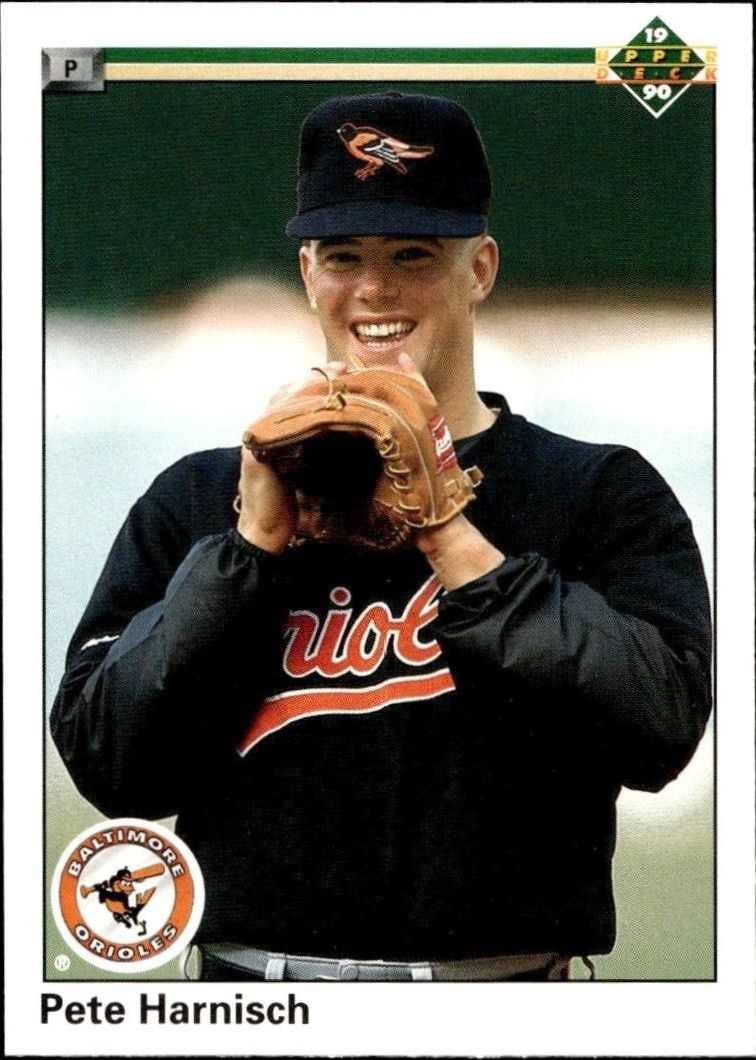
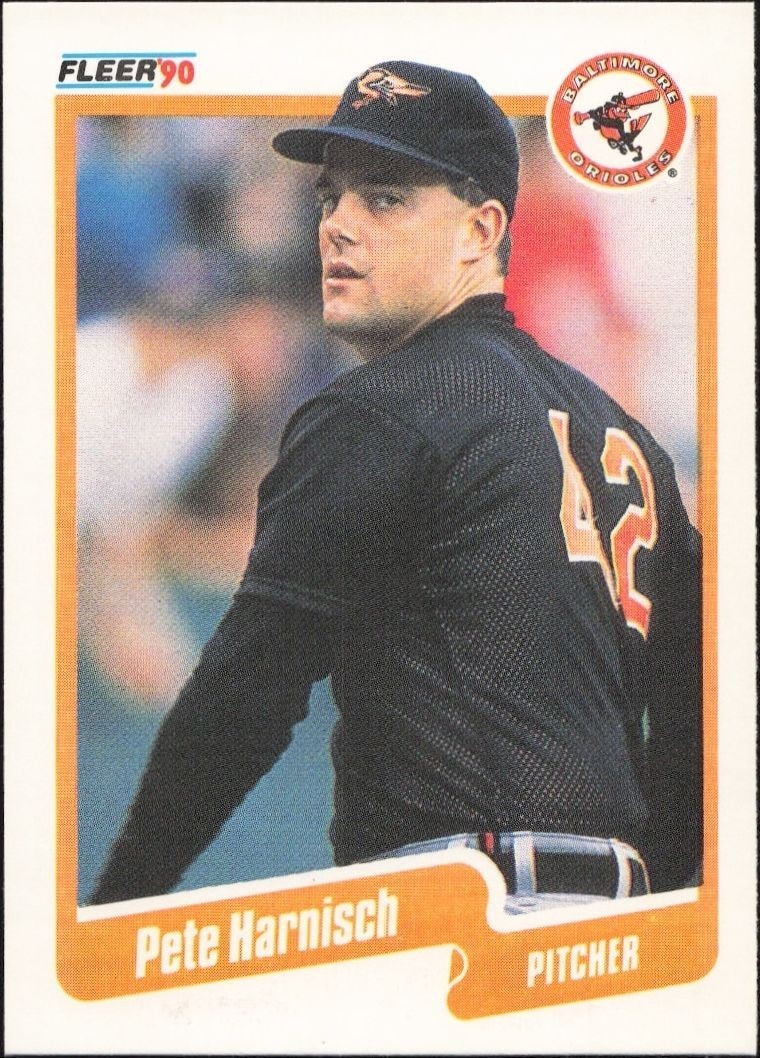
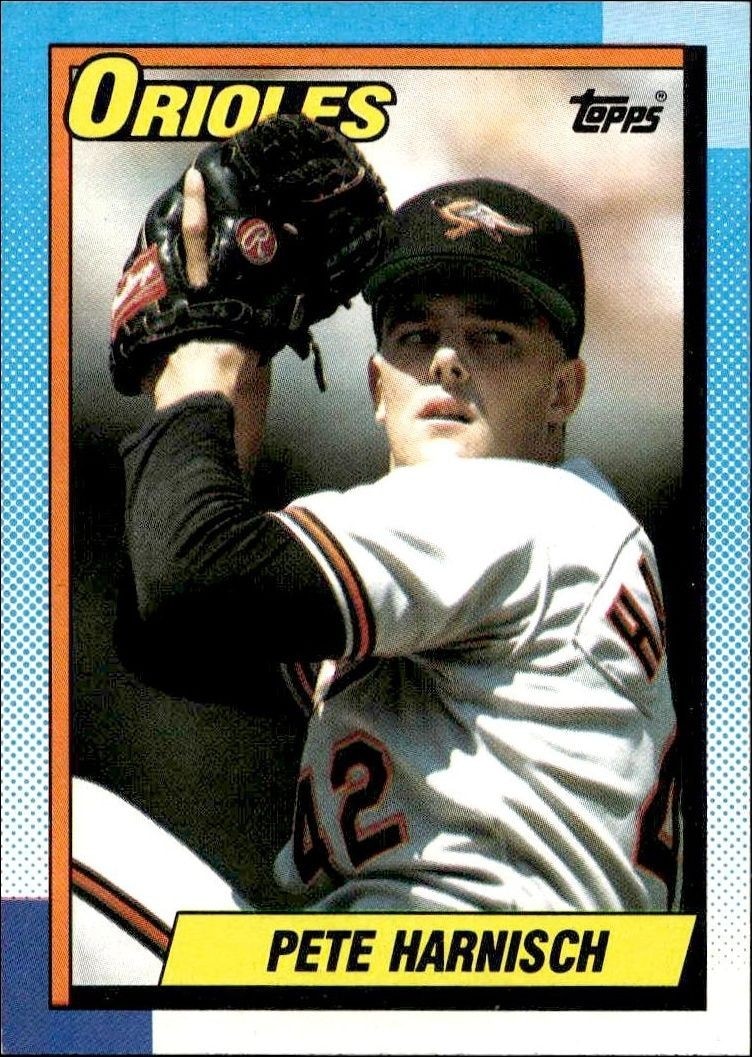


The 1992 Upper Deck Pete Harnisch #635 card represents a specific entry in the historic 1992 baseball card landscape.
1992 • Upper Deck • Low Number
Major League Baseball • Houston Astros
Near Mint
635
New
Shipping Calculated at Checkout
Arrives in 5-7 daysEstimated delivery October 14, 2026 - October 16, 2026
30-day Returns| Condition | Value | Source | Trend | Price Details |
|---|---|---|---|---|
$0.57 | Guide Estimate | |||
Raw / Ungraded
PriceCharting Price Guide · Guide Estimate evidence · captured Oct 2, 2026
History is building. At least two days of matching observations are needed to show a trend.
Each point is the last stored observation that day for this printing, condition, grader, autograph status and source. Gaps mean no observation; guide estimates and asking prices are not completed sales.The 1992 Upper Deck Pete Harnisch #635 card stands as a distinct artifact from one of the most recognizable sets in modern hobby history. Released during a pivotal era for baseball memorabilia, this card features the Houston Astros pitcher within the Upper Deck brand framework. Collectors often seek out specific card numbers from this era to complete their foundational sets, making #635 a targeted acquisition for those focused on the 1992 Upper Deck checklist. Pete Harnisch’s tenure with the Houston Astros during this period provides the contextual backdrop for this collectible. The card’s design and production values reflect the high standards Upper Deck established in the early 1990s, which helped elevate the perceived value of standard baseball cards. For investors and hobbyists alike, understanding the set’s place in the market is essential, as 1992 Upper Deck remains a benchmark for pre-1993 production quality. Acquiring this card allows collectors to anchor their 1992 collections with a verified piece of sports history. The interplay between the manufacturer’s branding and the player’s team affiliation creates a unique identifier that distinguishes it from other years and brands. Whether you are building a career set for a specific athlete or focusing on a complete year of Upper Deck releases, this card serves as a critical component. Its status as a standard base card from a major set ensures its continued relevance among serious enthusiasts who value historical accuracy and set completeness in their holdings.
3 days ago
We'll pre-fill the product details from this catalog entry, so your listing lands on this exact page. Just add photos of your copy, pick its condition, and set your price.
The catalog profile below summarizes the card identity, featured subject, and notable collectible traits.
The core identity of the card within the set.
The subject, team, league, and sport context tied to this card.
Production details and format-specific attributes.
Material
Card Stock
Language
English
Compare prices, grades, photos, and shipping from approved sellers.
New
Near Mint
See how many public collections currently include this card.
0 collectors have this card
This 1992 Upper Deck Pete Harnisch card sits at a very accessible entry-level price point, reflecting its status as a standard base card from a mass-produced set. While it lacks the premium associated with rookie issues or high-grade examples, it remains an affordable option for collectors seeking to complete a basic Houston Astros or 1992 Upper Deck set. The current market positioning suggests it trades below the typical premium commanded by graded or special parallel versions of the same player.
The card is identified as a base issue within the 1992 Upper Deck set, meaning it does not carry specific scarcity mechanics such as serial numbering, short-print status, or unique parallel finishes. Its supply is determined by the original print run of the base set, which was generally high to meet broad collector demand at the time. Without special attributes like low numbering or exclusive finishes, the physical scarcity is comparable to the standard population of non-premium cards from that era.
As a non-rookie card from a mainstream brand, this item lacks the primary demand drivers that typically fuel significant appreciation in the sports card market. Collector interest is likely limited to those specifically building team or year-based collections rather than speculative investors seeking value growth. Long-term outlook depends on the broader nostalgia for early 1990s baseball cards and the preservation of condition, rather than inherent rarity or career accolades.
