
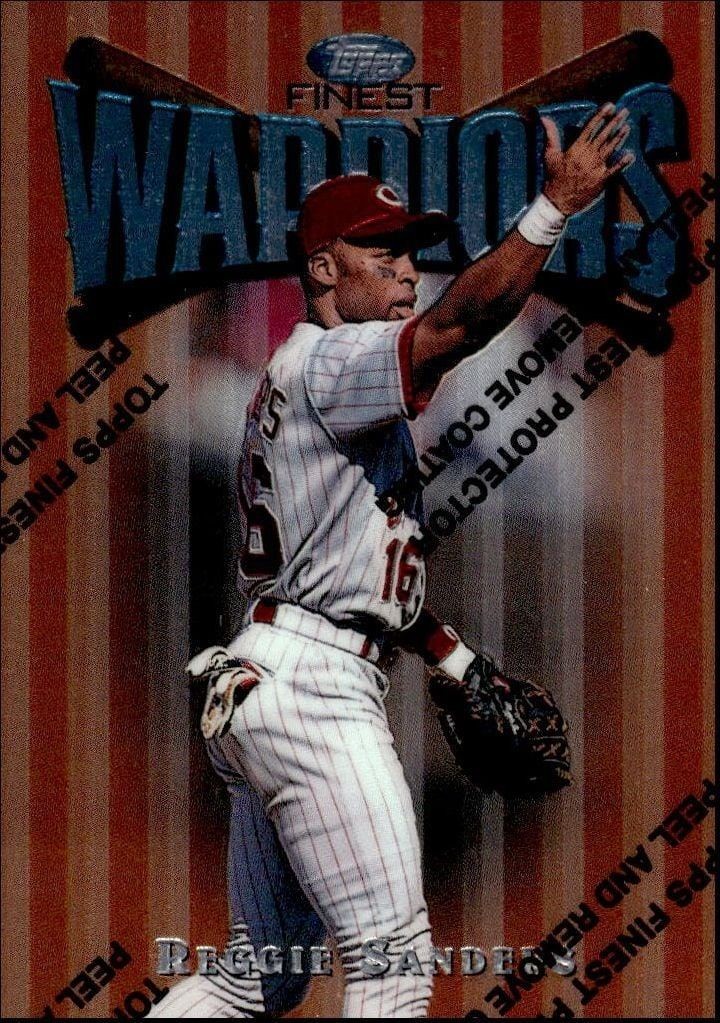
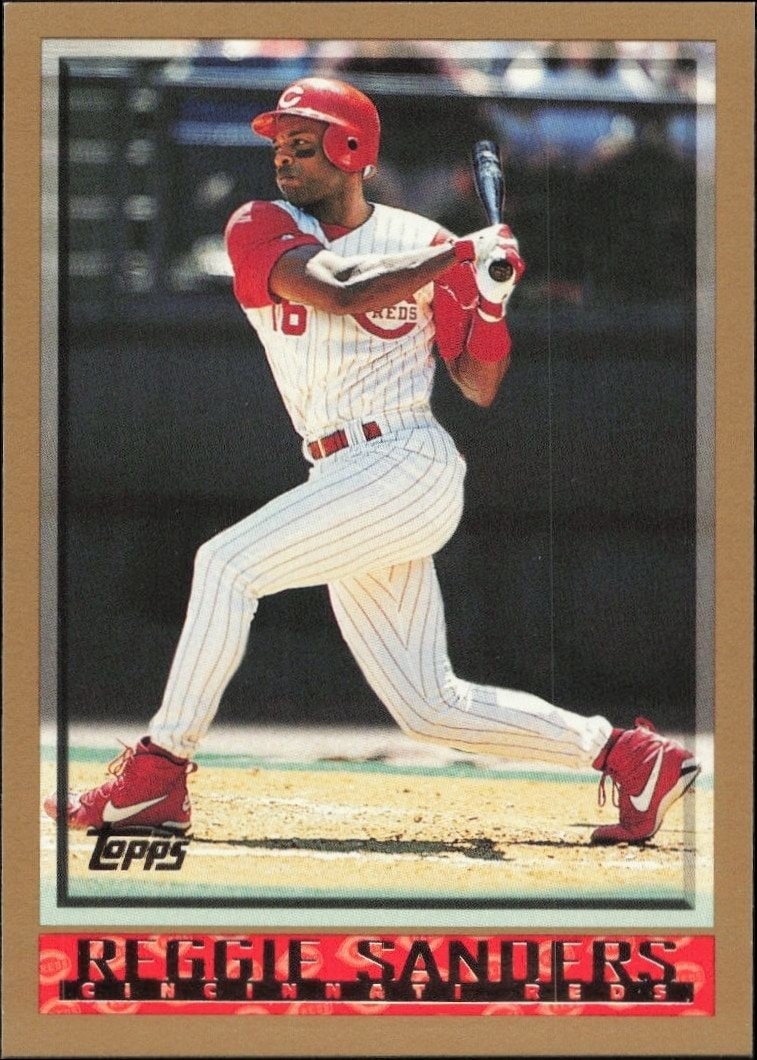

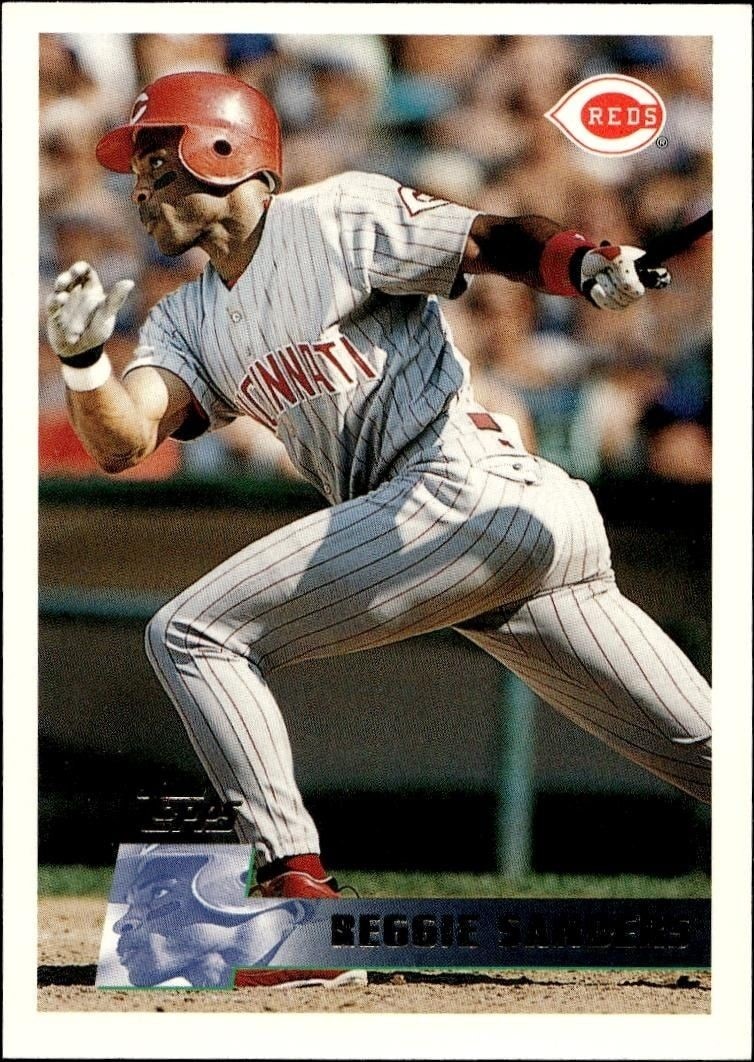


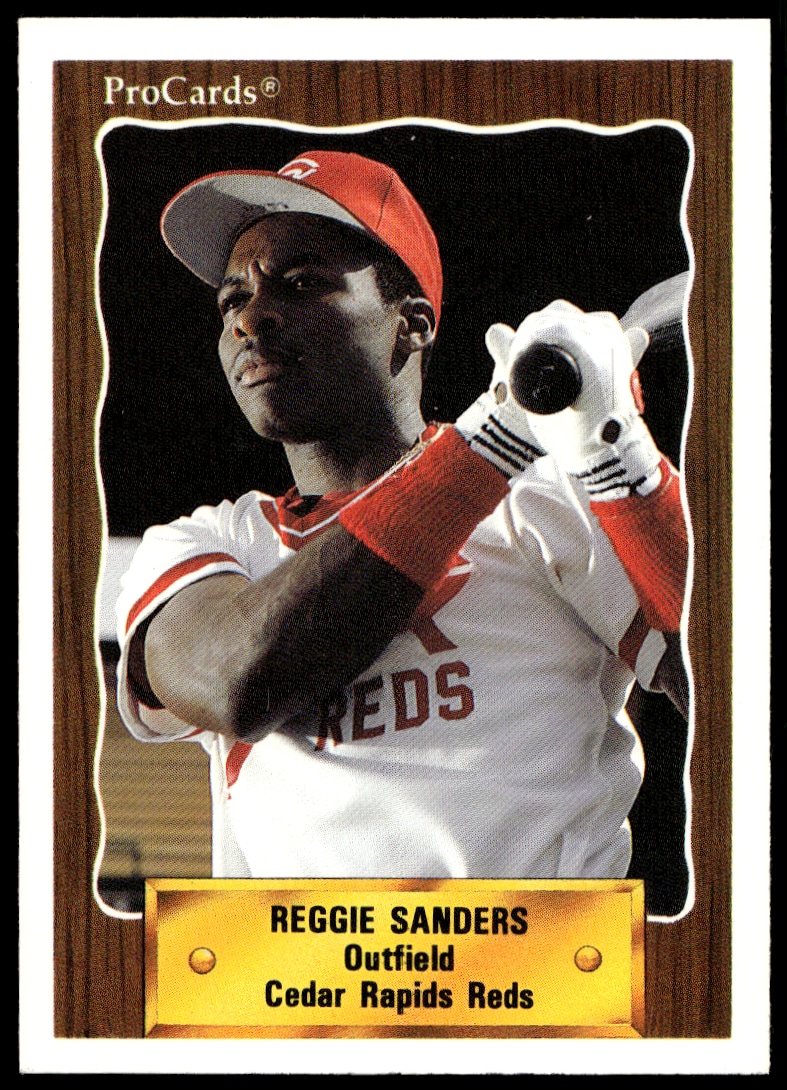
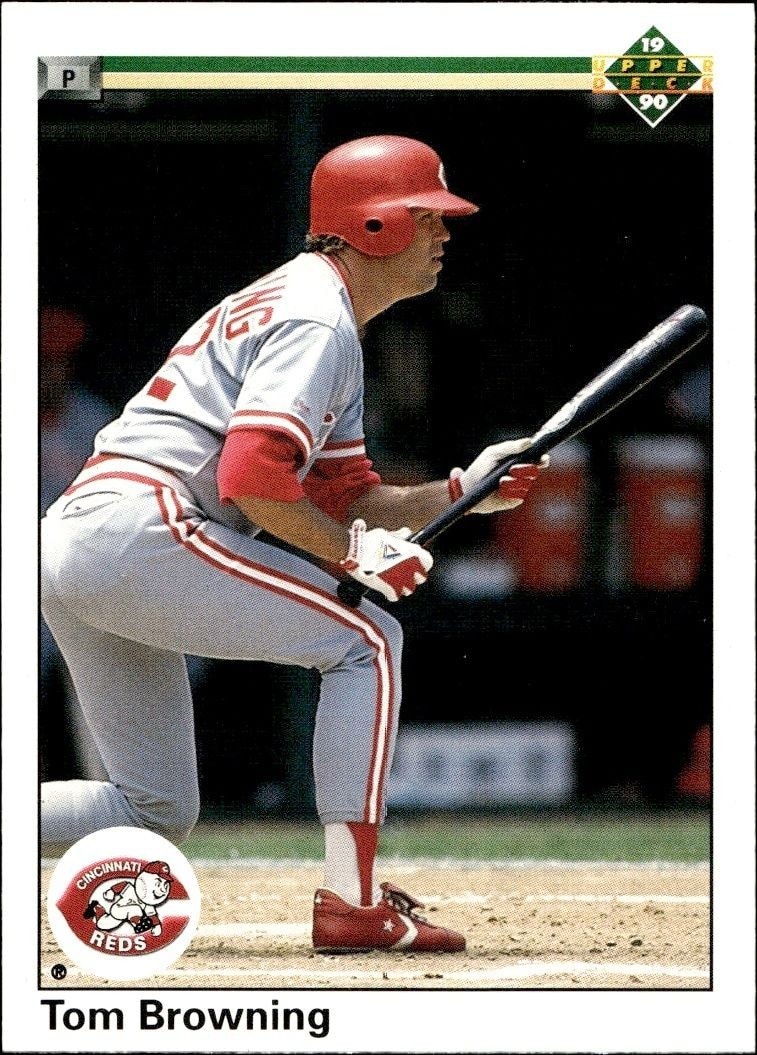
Explore the 1992 Upper Deck Low Number Reggie Sanders baseball card, a distinctive release from one of the most significant years in sports card history.
1992 • Upper Deck • Low Number
Major League Baseball • Cincinnati Reds
Near Mint
27
New
Shipping Calculated at Checkout
Arrives in 4-6 daysEstimated delivery October 24, 2026 - October 26, 2026
30-day Returns| Condition | Value | Source | Trend | Price Details |
|---|---|---|---|---|
$1.18 | Guide Estimate | 0% | ||
$7.00 | Guide Estimate | 0% | ||
$8.00 | Guide Estimate | 0% | ||
$32.44 | Guide Estimate | +0.2% | ||
$99.00 | Guide Estimate | 0% | ||
$46.00 | Guide Estimate | 0% | ||
$76.10 | Guide Estimate | +0.3% | ||
$46.00 | Guide Estimate | 0% | ||
Raw / Ungraded
PriceCharting Price Guide · Guide Estimate evidence · captured Oct 16, 2026
The 1992 Upper Deck Low Number Reggie Sanders baseball card, designated as number 27, represents a specific entry within the legendary 1992 Upper Deck base set. This release is part of the Low Number subset, which features cards with single-digit or low-value serial numbers printed on the front, making it a unique variant for those who appreciate the structural diversity of the brand's original run. Collectors often target this card number when building complete sets or seeking out the distinct design elements that defined the early 1990s trading card era. As a piece of baseball history, this card captures Reggie Sanders during his tenure with the Cincinnati Reds. The Low Number designation adds a layer of collectibility, as these cards were printed in smaller quantities than the main base set. For investors and hobbyists alike, the 1992 Upper Deck Low Number Reggie Sanders card offers a tangible connection to the sport's past, allowing enthusiasts to own a verified piece of vintage memorabilia that stands the test of time. Whether you are looking to complete a set of 1992 Upper Deck cards or add a notable Cincinnati Reds player to your collection, this card remains a sought-after item. Its status within the Low Number series ensures it holds a special place among vintage baseball cards, appealing to those who value both the player's career and the historical context of the release.
4 hours ago
We'll pre-fill the product details from this catalog entry, so your listing lands on this exact page. Just add photos of your copy, pick its condition, and set your price.
The catalog profile below summarizes the card identity, featured subject, and notable collectible traits.
The core identity of the card within the set.
The subject, team, league, and sport context tied to this card.
Production details and format-specific attributes.
Material
Card Stock
Language
English
Compare prices, grades, photos, and shipping from approved sellers.
New
Near Mint
See how many public collections currently include this card.
0 collectors have this card
This 1992 Upper Deck card of Reggie Sanders is currently positioned in the entry-level tier of his collectible market, reflecting its status as a common base card rather than a premium insert. The absence of special attributes or grading indicators suggests it trades at the lower end of the spectrum relative to his more sought-after rookie or limited-edition counterparts. Its value is primarily driven by the nostalgic appeal of the early 1990s Upper Deck brand rather than singular rarity or condition premiums.
The card lacks any specific scarcity mechanics such as serial numbering, short-print status, or parallel variations, placing it squarely within the standard base set distribution. This means the supply is determined solely by the original print run of the 1992 Upper Deck set, which was produced in high volumes for mass-market distribution. Consequently, the item does not benefit from the supply constraints that typically elevate value in the secondary market.
As a non-rookie base card from a major early-90s set, the demand drivers are limited to general collector interest in the Cincinnati Reds or Sanders' career tenure rather than speculative growth. The lack of unique identifiers or rookie status significantly caps its potential for appreciation compared to other cards in his portfolio. Investors should view this as a low-risk acquisition for completion purposes rather than a vehicle for capital growth.