




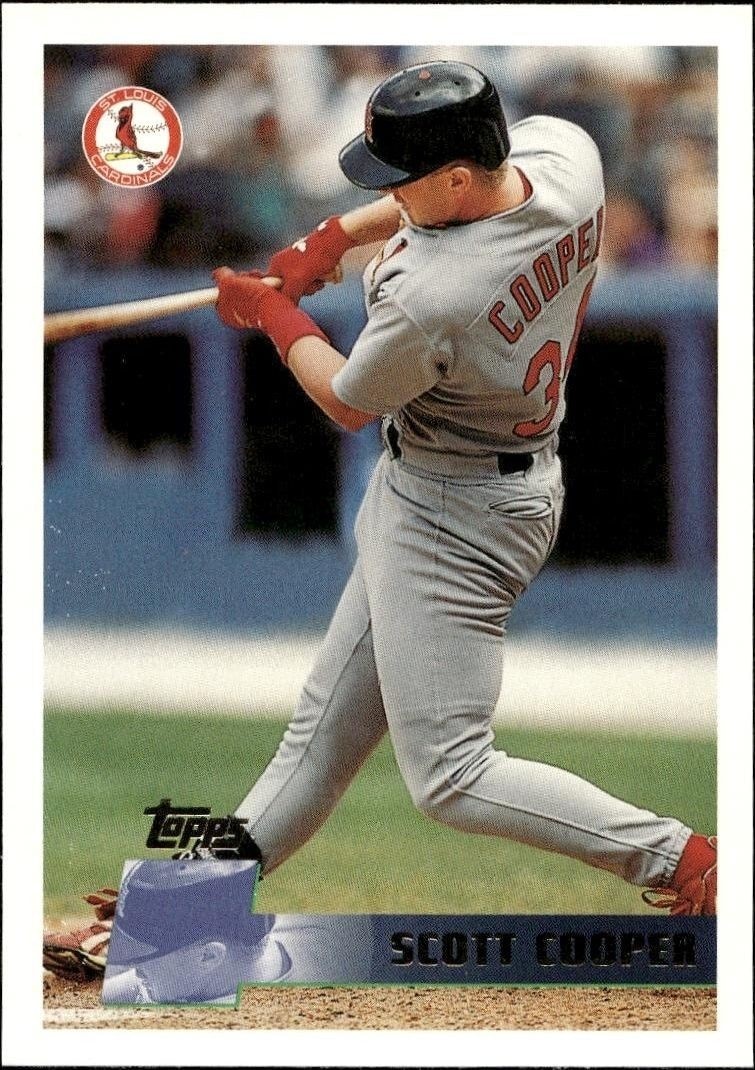

The 1992 Upper Deck Scott Cooper #541 sports card is a notable entry in the first release of the iconic Upper Deck baseball series.
1992 • Upper Deck • Low Number
Major League Baseball • Boston Red Sox
Near Mint
541
New
Shipping Calculated at Checkout
Arrives in 5-7 daysEstimated delivery October 23, 2026 - October 25, 2026
Seller returns October 19, 2026.30-day Returns| Condition | Value | Source | Trend | Price Details |
|---|---|---|---|---|
$0.99 | Guide Estimate | |||
Raw / Ungraded
PriceCharting Price Guide · Guide Estimate evidence · captured Oct 16, 2026
History is building. At least two days of matching observations are needed to show a trend.
Each point is the last stored observation that day for this printing, condition, grader, autograph status and source. Gaps mean no observation; guide estimates and asking prices are not completed sales.The 1992 Upper Deck Scott Cooper #541 baseball card marks a significant moment in collectible history as part of the very first release from the Upper Deck brand. This set revolutionized the trading card industry by introducing a larger, premium card stock and high-gloss finish that became the new standard for major league baseball products. Collectors often seek out this card number to complete their base set collections or to acquire a piece of the brand's foundational lineup. Scott Cooper, who played as a utility infielder for the Boston Red Sox during this era, is featured prominently on card number 541 in the Low Number series. The Low Number subset is particularly valued by enthusiasts for its distinct design elements and its place in the chronological release of the 1992 product. For investors and hobbyists alike, cards from this inaugural run hold a unique position in the hobby, representing the start of a new era in sports card manufacturing. The 1992 Upper Deck set remains a cornerstone for those studying the evolution of baseball card design and production quality. Whether you are a dedicated collector of Boston Red Sox memorabilia or a fan of vintage Upper Deck releases, this card offers a tangible connection to the sport's history. The product's enduring appeal lies in its historical context and its role in shaping modern card collecting. As the market for vintage sports cards continues to grow, the 1992 Upper Deck series remains a top choice for those looking to build a timeless collection. This catalog entry highlights the card's identity within the broader 1992 Upper Deck framework, emphasizing its status as a classic piece of baseball history.
23 hours ago
We'll pre-fill the product details from this catalog entry, so your listing lands on this exact page. Just add photos of your copy, pick its condition, and set your price.
The catalog profile below summarizes the card identity, featured subject, and notable collectible traits.
The core identity of the card within the set.
The subject, team, league, and sport context tied to this card.
Production details and format-specific attributes.
Material
Card Stock
Language
English
Compare prices, grades, photos, and shipping from approved sellers.
New
Near Mint
See how many public collections currently include this card.
0 collectors have this card
This 1992 Upper Deck card of Scott Cooper sits in a modest entry-level tier, reflecting his status as a peripheral roster player rather than a franchise cornerstone. The current market positioning suggests it trades at a baseline value typical for standard issues from this era, lacking the premium associated with star power or exceptional condition. While it holds nostalgic value for Red Sox collectors from the early 90s, it does not command significant price appreciation relative to the broader set.
The card is identified as part of the 'Low Number' series, which inherently introduces a scarcity mechanic through serial numbering that constrains supply compared to base inserts. However, with no specific serial number provided, the exact rarity tier remains undefined, preventing a precise assessment of its scarcity relative to higher-numbered counterparts. This lack of specific identifying data means the card's rarity is general to the series rather than exceptional.
As a non-rookie card from a mid-tier set, the investment potential is limited by the absence of rookie-card premiums or unique parallel attributes that typically drive collector demand. The 'Low Number' series designation offers a modest scarcity edge, but without a specific low serial number, the upside for significant appreciation is constrained. Collectors are more likely to target this item for set completion or team-specific needs rather than as a high-growth asset.