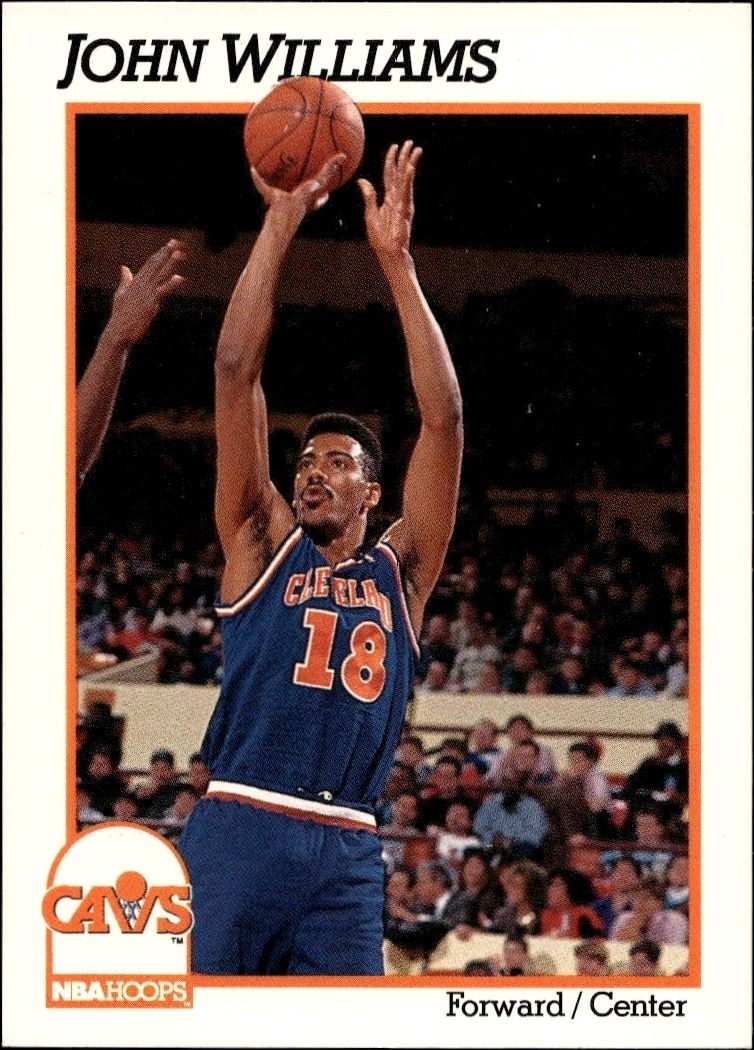



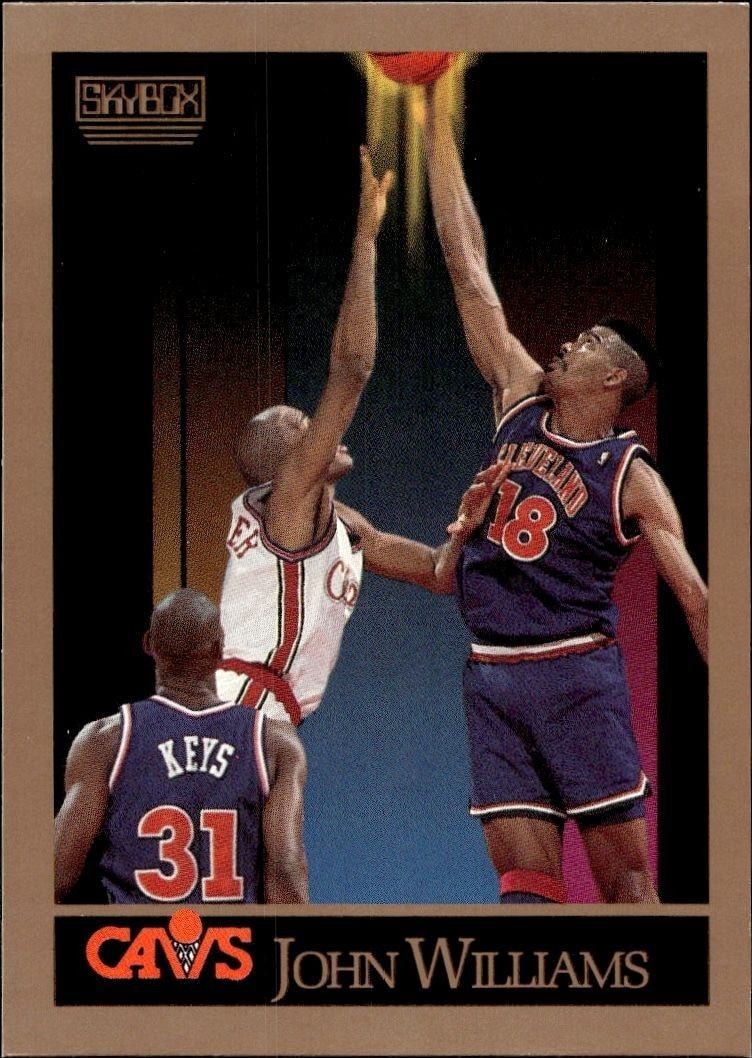


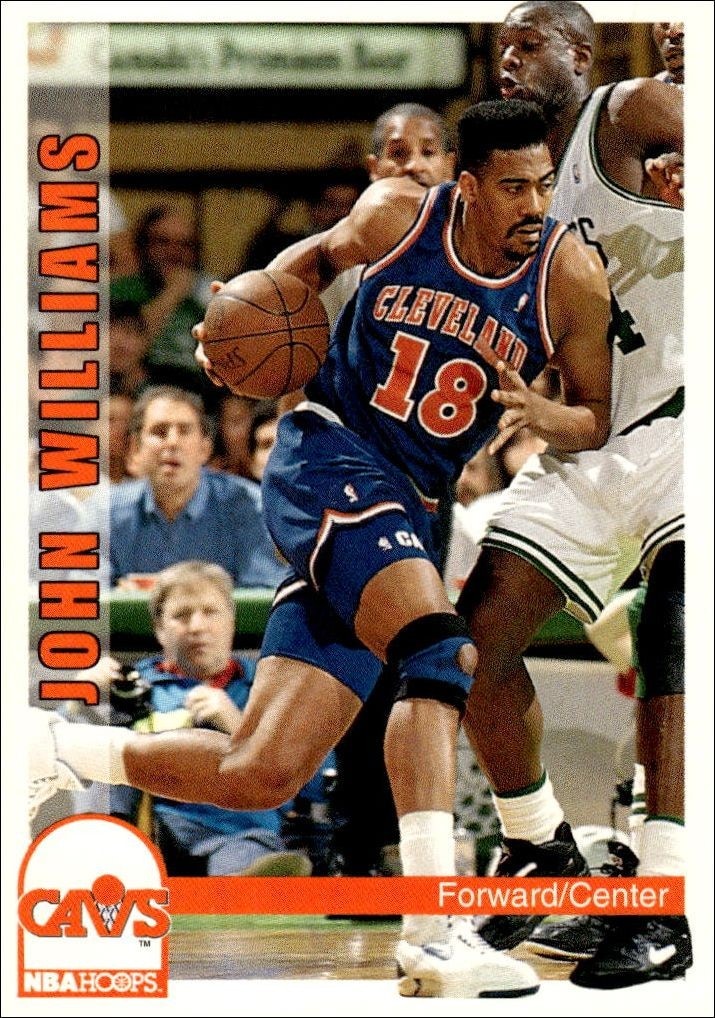

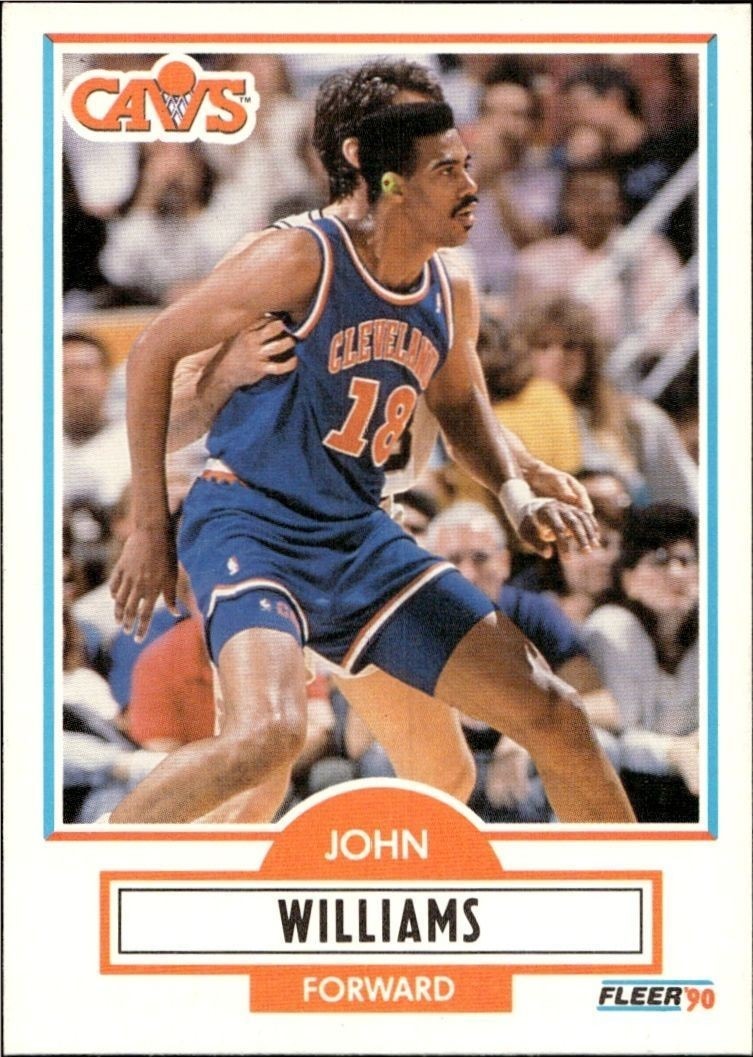


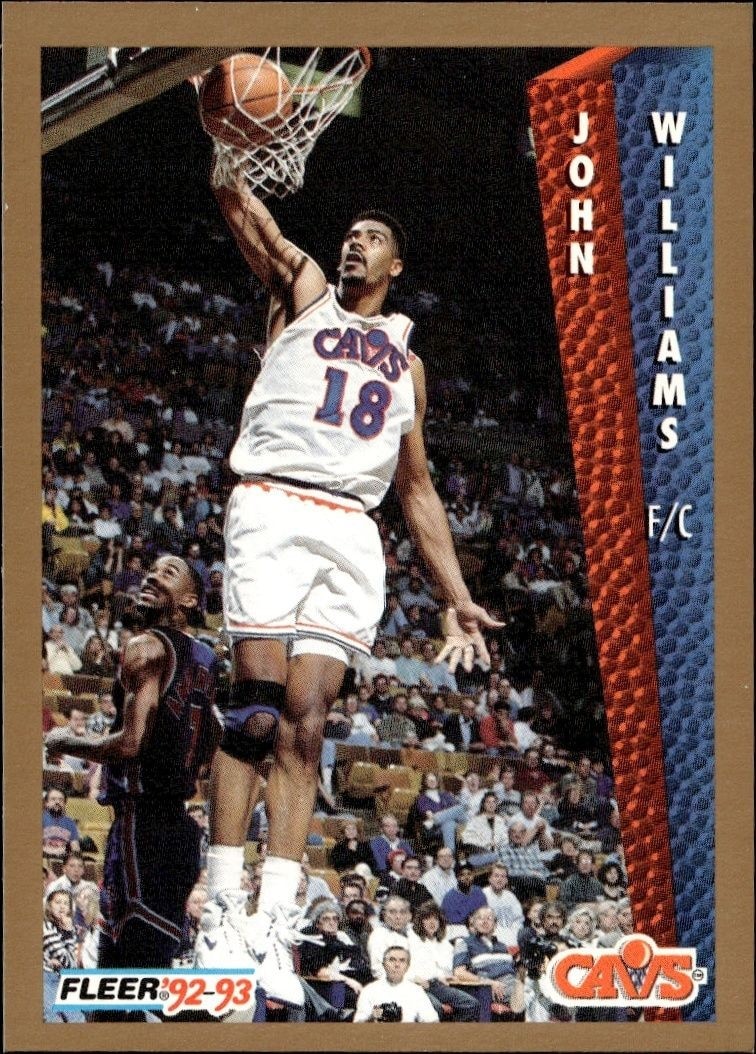
Explore the 1993-94 Fleer John Williams #42 basketball trading card, a classic NBA collectible representing his tenure with the Cleveland Cavaliers.
1993-94 • Fleer
National Basketball Association • Cleveland Cavaliers
Near Mint
42
New
Shipping Calculated at Checkout
Arrives in 5-7 daysEstimated delivery October 23, 2026 - October 25, 2026
Seller returns October 19, 2026.30-day Returns| Condition | Value | Source | Trend | Price Details |
|---|---|---|---|---|
$1.49 | Asking Prices | 0% | ||
Raw / Ungraded
eBay Active Listings · Asking Prices evidence · captured Oct 9, 2026
The 1993-94 Fleer John Williams #42 basketball trading card captures a specific moment in NBA history, featuring the Cleveland Cavaliers guard during his time with the franchise. Released in the mid-90s, this card is part of the broader Fleer basketball series, a staple for collectors tracking the evolution of sports card design and player rosters. Williams appeared in 47 games for the Cavaliers that season, contributing 2.4 points and 1.0 assist per game before moving on to other teams later in his career. For hobbyists focusing on Cleveland Cavaliers history, the 1993-94 Fleer John Williams #42 card provides a tangible connection to the team's active roster during a transitional period. The card's catalog number, 42, places it within the standard base set, making it a straightforward addition for those building complete sets of Fleer basketball releases from the 1990s. The design reflects the era's aesthetic, prioritizing clear player identification and team association. Collecting this card appeals to a variety of enthusiasts. Set builders appreciate it as a necessary piece to complete their 1993-94 Fleer collection, while Cavaliers fans may seek it out to document the team's lineup during Williams' tenure. Additionally, investors and long-term collectors often look to mid-90s Fleer releases as foundational elements in their broader sports card portfolios, valuing the era's distinct production quality and historical context. Whether you are assembling a focused team collection or exploring the wider landscape of 1990s basketball memorabilia, this card offers a clear entry point into that specific slice of NBA lore. The 1993-94 Fleer John Williams #42 card remains a recognizable item for those who follow the sport's history and the players who shaped it.
15 hours ago
We'll pre-fill the product details from this catalog entry, so your listing lands on this exact page. Just add photos of your copy, pick its condition, and set your price.
The catalog profile below summarizes the card identity, featured subject, and notable collectible traits.
The subject, team, league, and sport context tied to this card.
Production details and format-specific attributes.
Material
Card Stock
Language
English
Compare prices, grades, photos, and shipping from approved sellers.
New
Near Mint
See how many public collections currently include this card.
0 collectors have this card
This card sits at the lower end of the market value spectrum for John Williams, reflecting its status as a base issue from the mid-90s era rather than a premium insert or parallel. While active listings are scarce, the current pricing indicates a stable but modest valuation typical of common rookie or early-career cards from this brand. It trades significantly below high-tier parallels or special editions that often command a premium due to enhanced visual features or limited distribution.
As a standard base card without noted special attributes, this item relies on its original production volume rather than artificial scarcity mechanisms like serial numbering or short prints. The supply is effectively determined by the total print run of the 1993-94 Fleer set, meaning availability is driven by general market circulation rather than constrained editions. Collectors seeking specific base cards often find them more accessible, though condition-sensitive examples may retain slight value due to survivorship bias.
The investment potential is moderate, anchored by the historical significance of being from a recognizable brand during the NBA's peak popularity era. Collector demand is primarily driven by nostalgia and the desire to complete base sets rather than speculative growth, as it lacks the rookie-card premium or unique parallel attributes that typically drive appreciation. Long-term value stability depends on the broader market for 1990s basketball cards rather than individual player performance metrics or grading submissions.