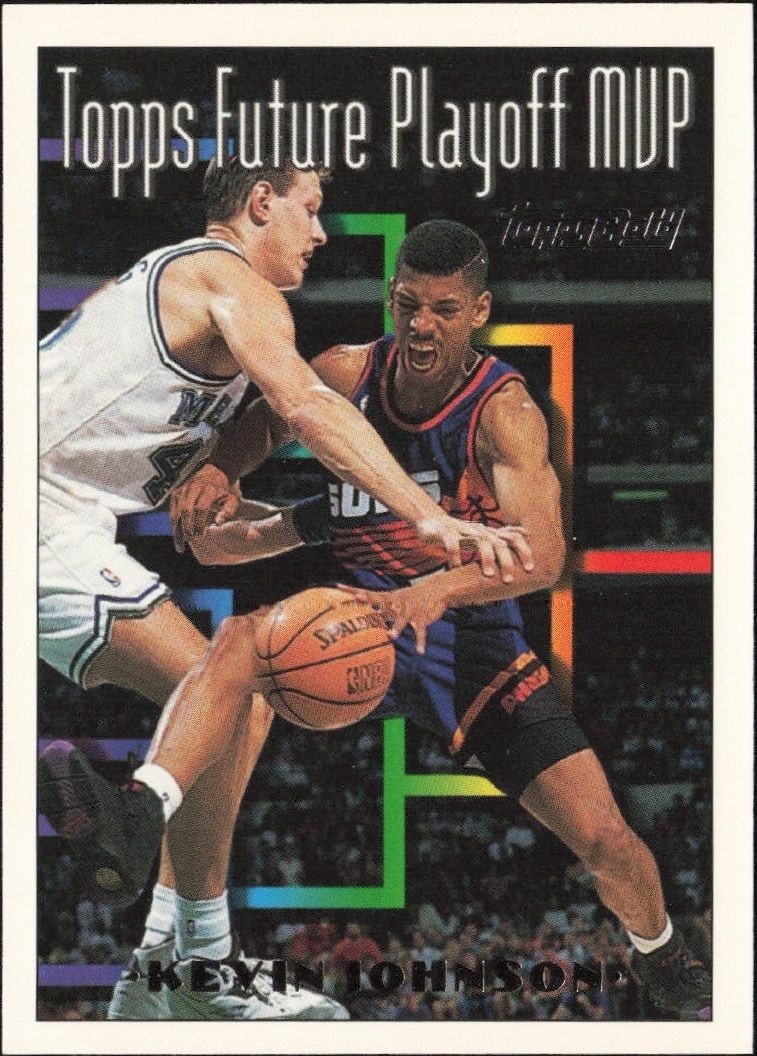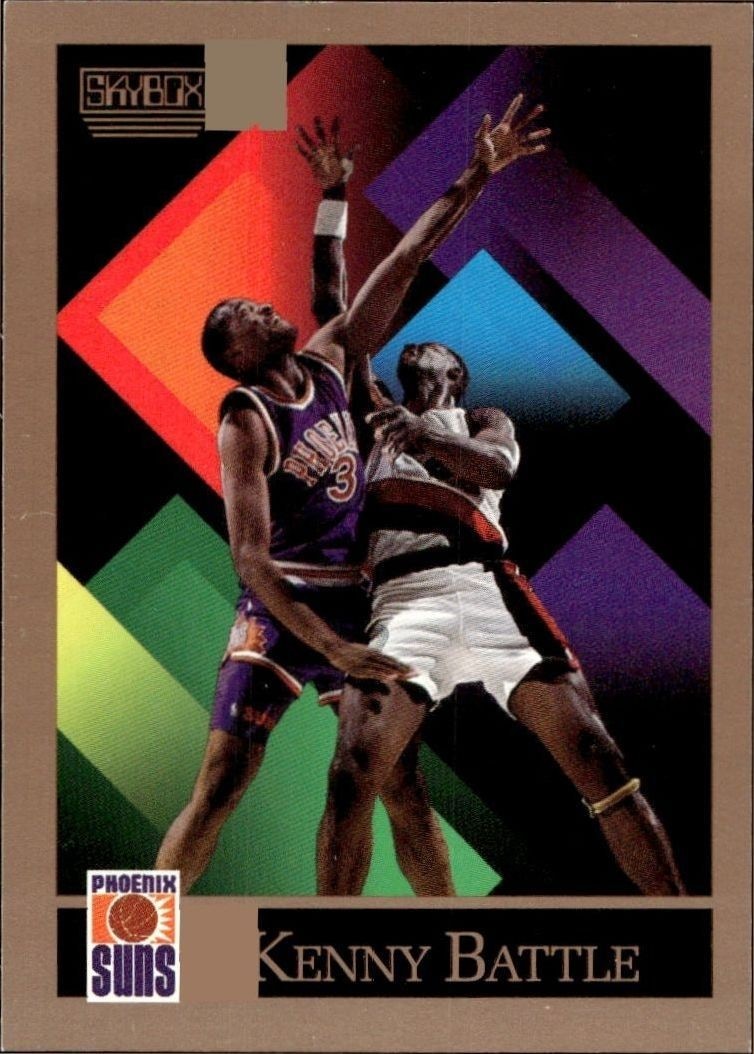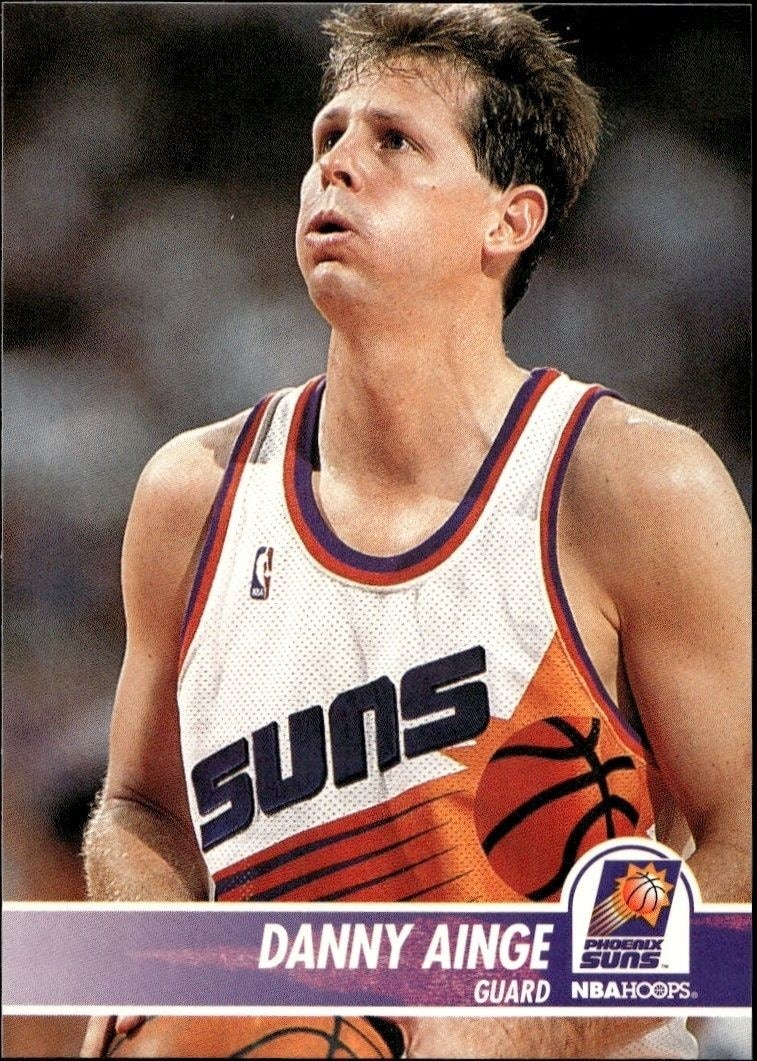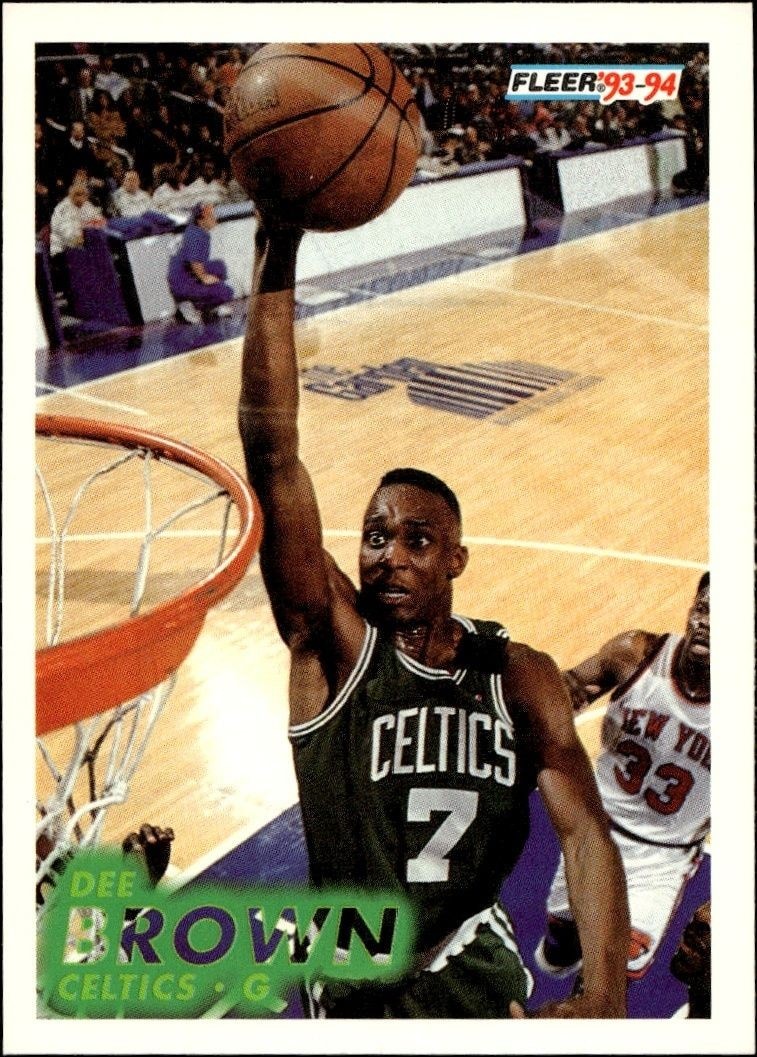



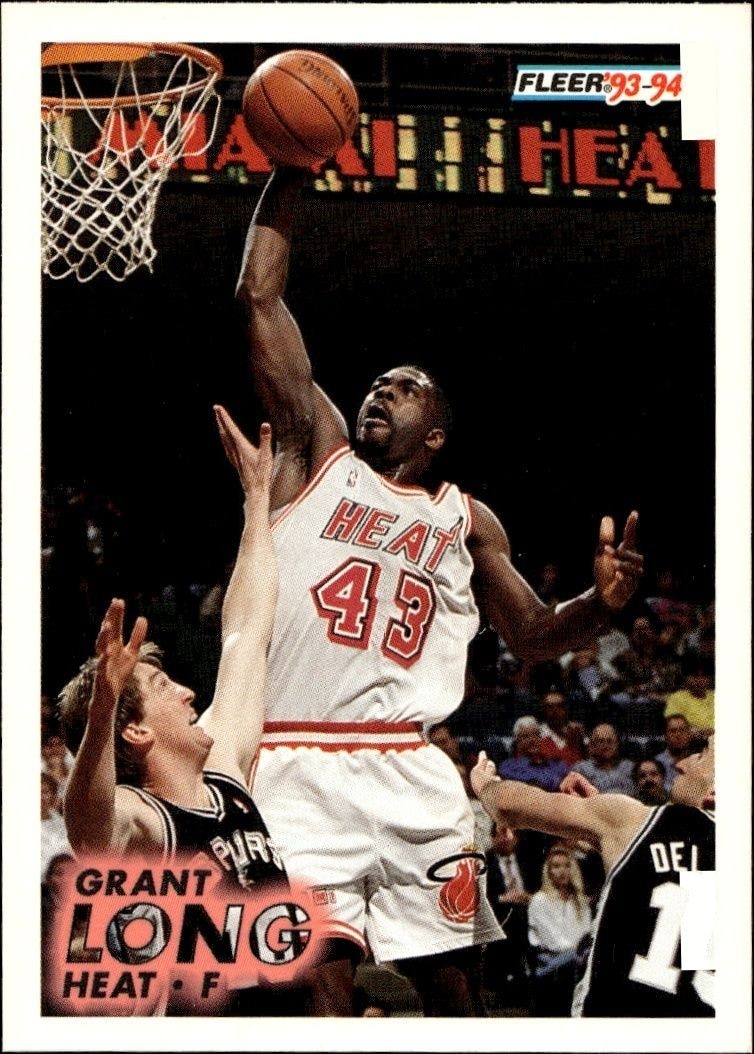

The 1993-94 Fleer Richard Dumas #166 basketball card captures the Phoenix Suns forward during a pivotal era of the NBA. This classic trading card is a staple for collectors building vintage Fleer sets.
1993-94 • Fleer
National Basketball Association • Phoenix Suns
Near Mint
166
New
Shipping Calculated at Checkout
Arrives in 4-6 daysEstimated delivery November 13, 2026 - November 15, 2026
30-day Returns| Condition | Value | Source | Trend | Price Details |
|---|---|---|---|---|
$0.89 | Guide Estimate | +43.5% | ||
Raw / Ungraded
PriceCharting Price Guide · Guide Estimate evidence · captured Oct 26, 2026
The 1993-94 Fleer Richard Dumas #166 basketball card represents a tangible piece of NBA history, featuring the Phoenix Suns forward during a significant period of his career. As part of the renowned Fleer brand, this card reflects the design aesthetics and production quality that defined basketball trading cards in the mid-1990s. Fleer has long been a cornerstone in the sports card industry, and the 1993-94 set continues to hold a special place in the memories of hobbyists who grew up collecting during that decade. The card itself, numbered 166, offers a clean and accessible entry point for those looking to expand their vintage basketball collections. Whether you are a dedicated set builder aiming to complete the entire 1993-94 Fleer base set or a fan of the Phoenix Suns looking to honor Dumas's contributions to the team, this card serves as an essential component of any well-curated collection. The enduring appeal of Fleer cards from this era lies in their nostalgic value and the historical context they provide. Richard Dumas played a key role for the Suns during this time, and his image on card #166 preserves that legacy for future generations. For investors and casual collectors alike, the 1993-94 Fleer Richard Dumas #166 basketball card offers a chance to own a piece of sports history that remains relevant and sought after in the modern marketplace. Its status as a standard base card makes it a versatile addition to any portfolio, bridging the gap between casual fandom and serious collecting.
11/1/26
We'll pre-fill the product details from this catalog entry, so your listing lands on this exact page. Just add photos of your copy, pick its condition, and set your price.
The catalog profile below summarizes the card identity, featured subject, and notable collectible traits.
The subject, team, league, and sport context tied to this card.
Production details and format-specific attributes.
Material
Card Stock
Language
English
Compare prices, grades, photos, and shipping from approved sellers.
New
Near Mint
See how many public collections currently include this card.
0 collectors have this card
FAQ
No, this card is not a rookie card. Richard Dumas's rookie card was issued in the 1992-93 Fleer set. The 1993-94 release is considered a later career card, capturing his performance during the Suns' tenure in the NBA.
Richard Dumas is featured as a member of the Phoenix Suns on the 1993-94 Fleer #166 basketball card. This set highlights his time with the franchise during the mid-1990s NBA season.
Collectors often seek out complete base sets or specific star players like Richard Dumas to build comprehensive vintage collections.
This 1993-94 Fleer card of Richard Dumas is positioned at the lower end of the market value spectrum, reflecting its status as a base card from a crowded mid-90s set. While Dumas had a notable collegiate career, his relatively brief NBA tenure with the Phoenix Suns limits the premium this specific issue commands compared to star players from the same era. The lack of special attributes suggests it trades at a baseline price point typical for non-holofractor, non-serial-numbered entries from this product line.
The card carries no scarcity attributes such as serial numbering, short-print status, or parallel variations, meaning it represents the standard base stock of the 1993-94 Fleer set. As a common issue, its supply is determined by the original mass production run rather than limited edition mechanics or unique design features. Collectors seeking this specific player from this era typically encounter this version as the most widely available option in the secondary market.
As a non-rookie card from the 1990s, this item does not benefit from rookie-card premium mechanics that often drive long-term value appreciation in basketball collectibles. The general market for base cards from the early 90s is saturated, resulting in steady but modest demand primarily from players completing specific set breaks rather than speculative investors. Future value potential remains tied to general nostalgia trends for the era rather than individual player accolades or card rarity.