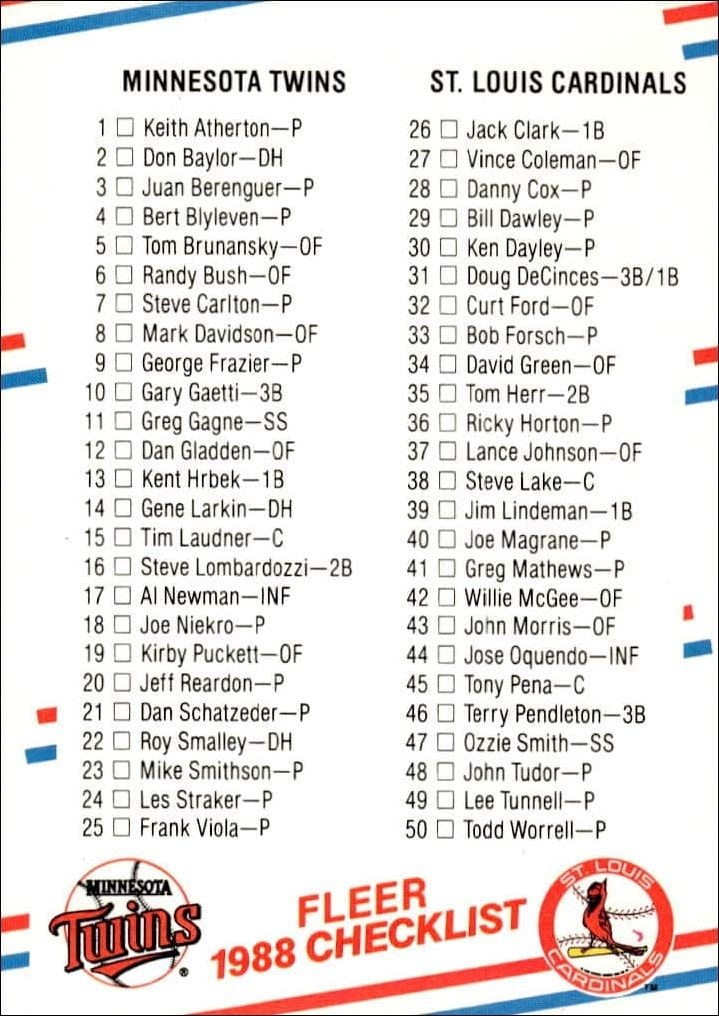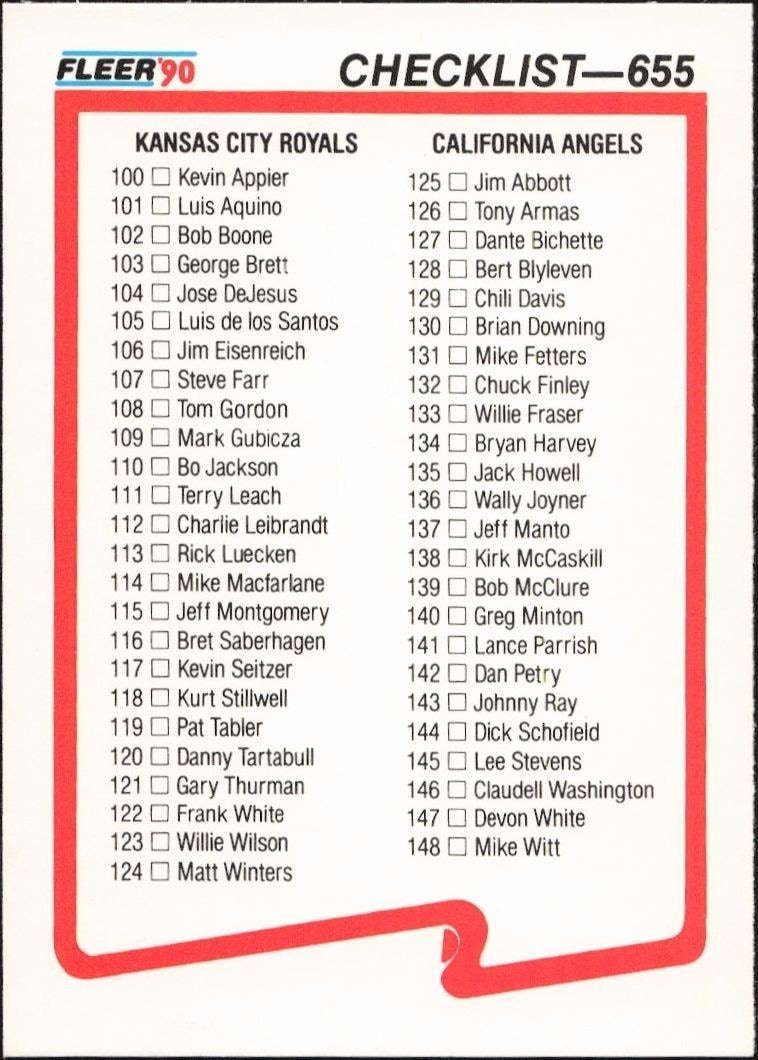
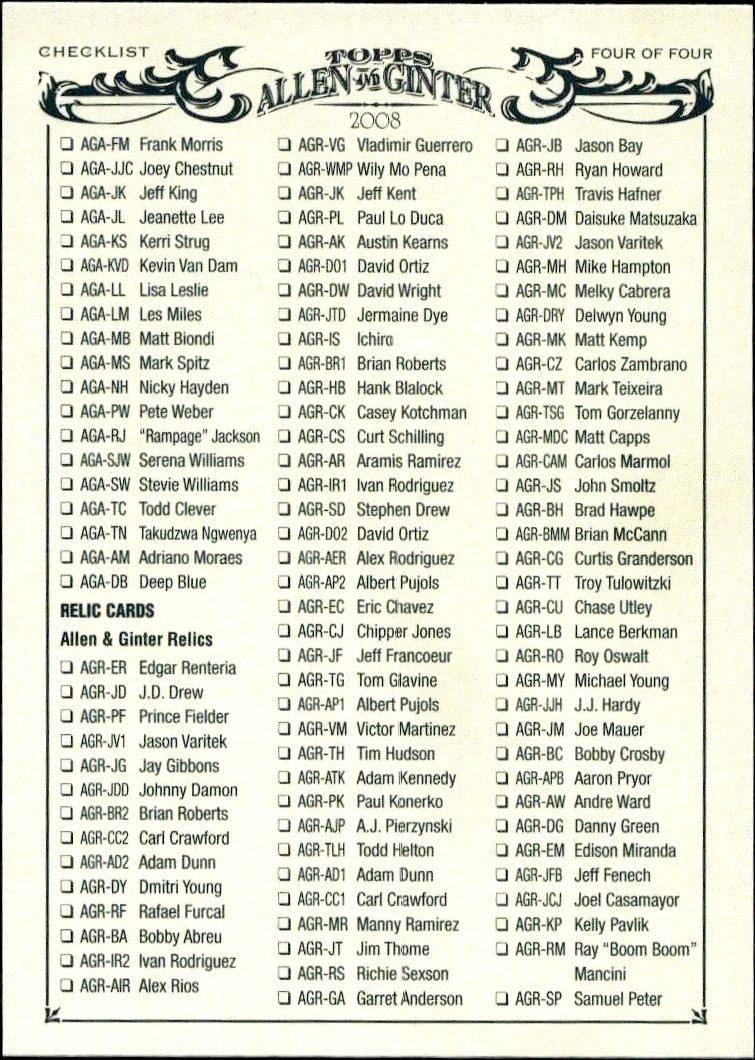
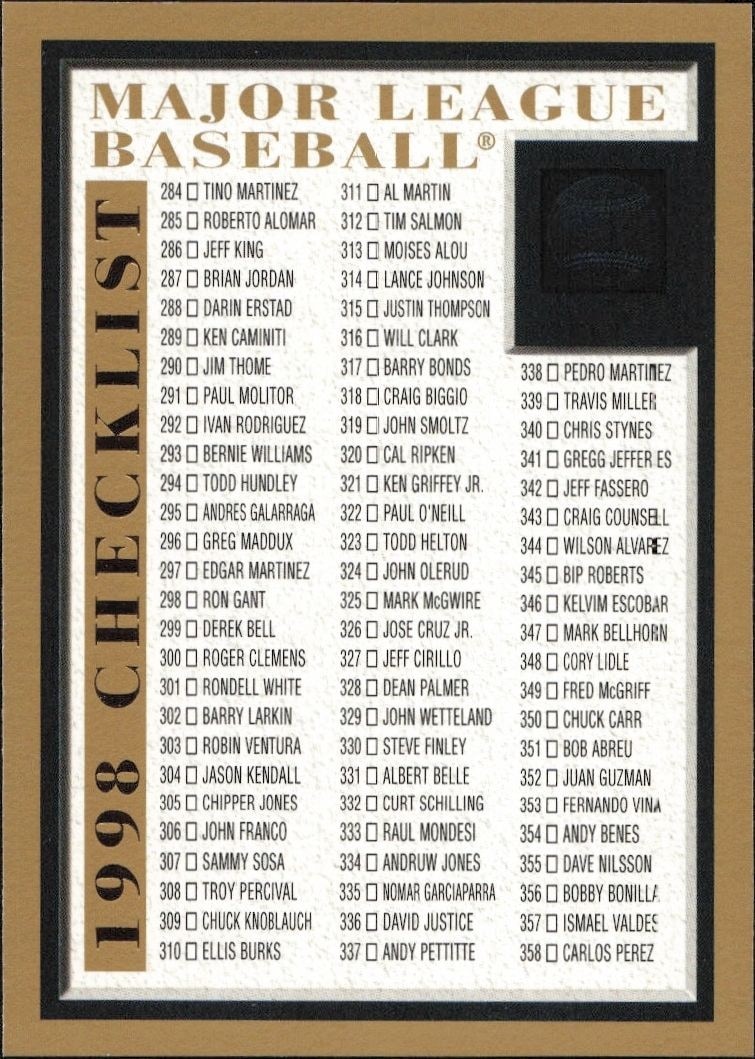
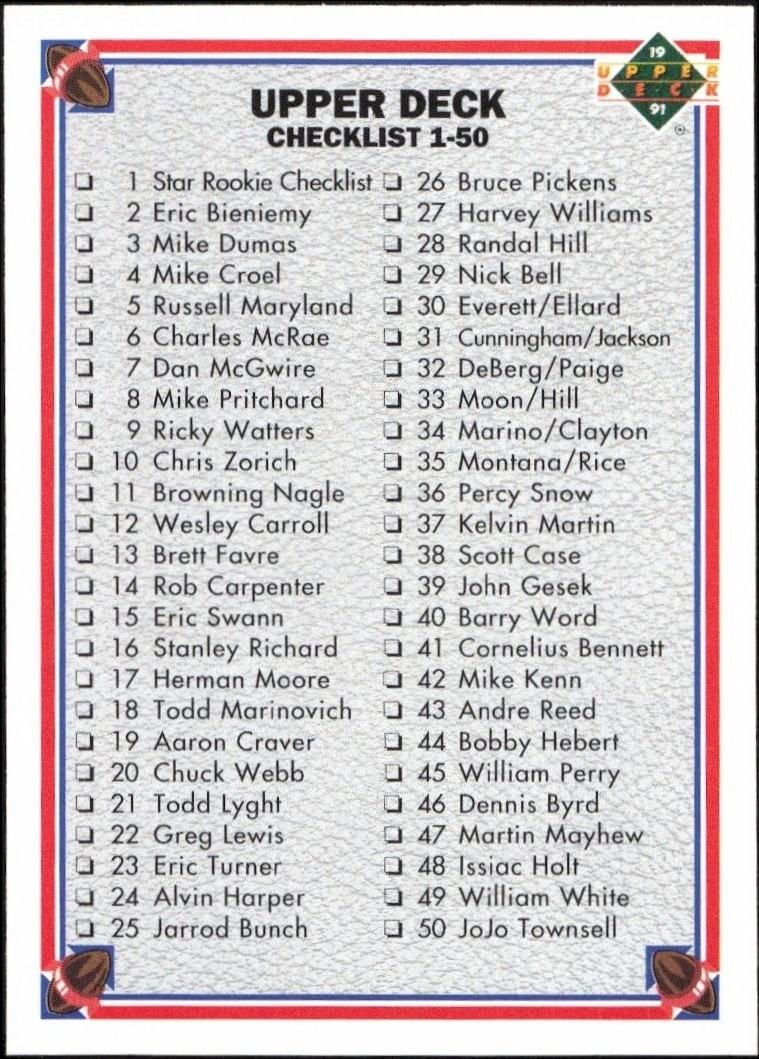
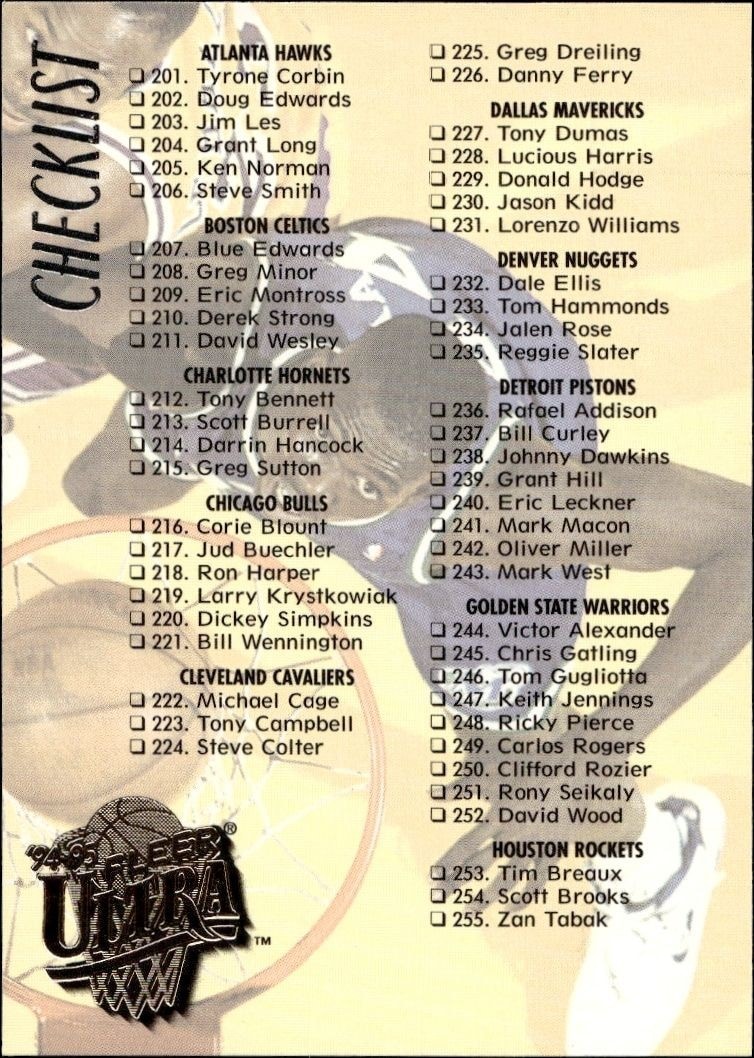
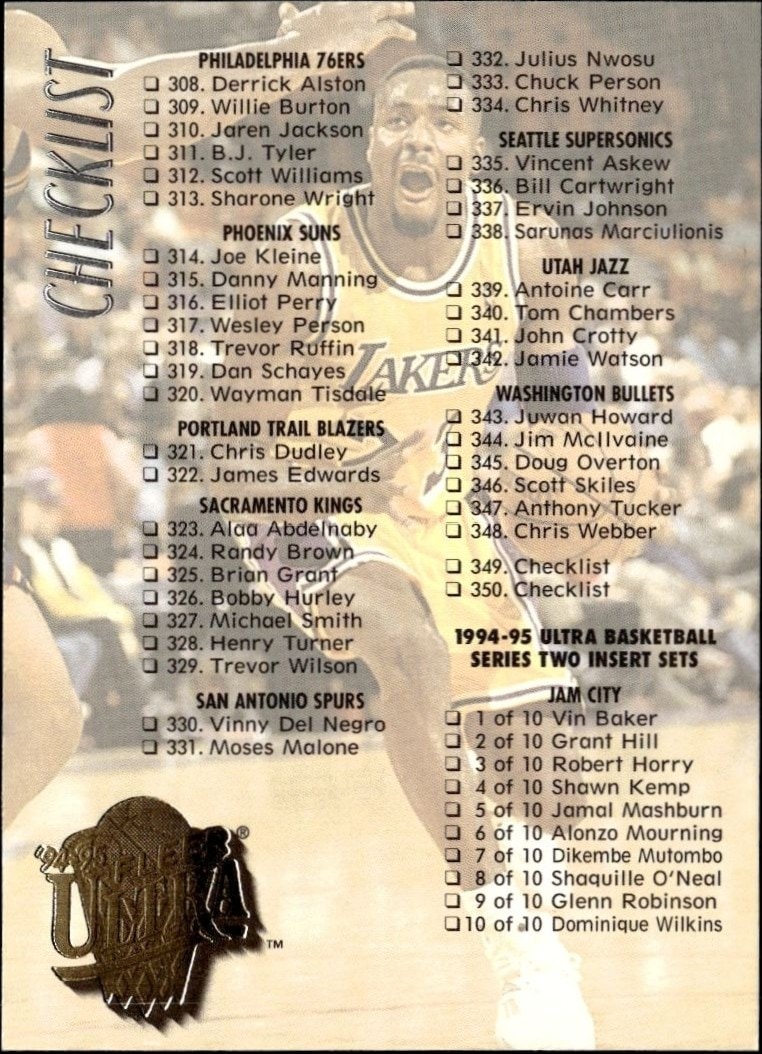

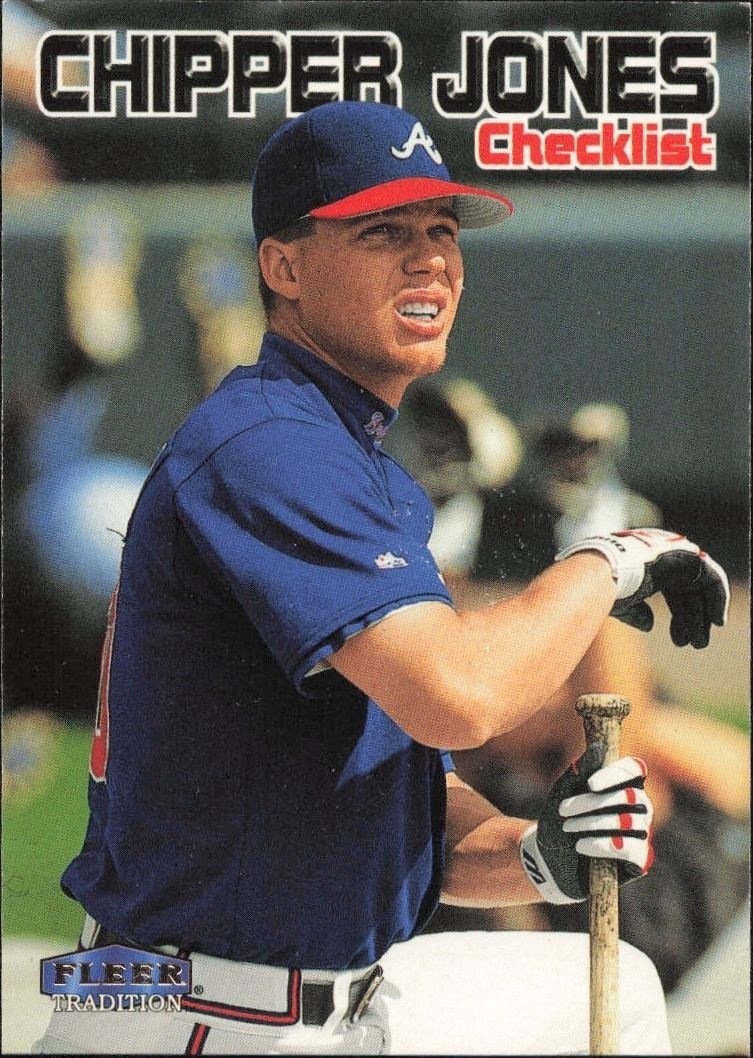

The 1993 Topps Traded Checklist card 132T serves as a vital reference point for collectors navigating the extensive 1993 Topps Traded baseball set.
1993 • Topps • Traded
Major League Baseball
Near Mint
132T
New
Shipping Calculated at Checkout
Arrives in 4-6 daysEstimated delivery October 30, 2026 - November 1, 2026
30-day Returns| Condition | Value | Source | Trend | Price Details |
|---|---|---|---|---|
$1.69As of 9/14/2026 | Guide Estimate | |||
Raw / Ungraded
PriceCharting Price Guide · Guide Estimate evidence · captured Sep 14, 2026
History is building. At least two days of matching observations are needed to show a trend.
Each point is the last stored observation that day for this printing, condition, grader, autograph status and source. Gaps mean no observation; guide estimates and asking prices are not completed sales.The 1993 Topps Traded Checklist 132T occupies a unique space within the broader 1993 Topps Traded baseball release. Unlike standard base cards that feature player photography and statistics, this card number functions as a navigational aid for the entire subset. It lists the cards contained within the Traded series, helping collectors identify rookies, rookies of the year, and key insert cards introduced in the mid-season release. For dedicated collectors of the 1993 Topps Traded set, checklist cards are essential components of a complete collection. They provide context for the other 131 cards in the series, linking the subset to the main Topps base set. The 132T designation marks its position as the final checklist in the 1993 Topps Traded product line. These cards are highly valued by set builders who seek to preserve the historical integrity of the release. The 1993 Topps Traded Checklist 132T is a foundational item for anyone studying the design and structure of early 1990s sports card manufacturing. It represents the transitional period in the baseball card industry when traded releases became a staple of the hobby. Collecting this card allows enthusiasts to appreciate the organizational framework behind one of the most popular subsets of the decade. Whether you are focusing on the 1993 Topps Traded series or the broader 1993 Topps universe, this checklist card provides necessary context for the players and parallel variants featured in the set. Its presence ensures that the story of the 1993 Topps Traded release is fully documented for future generations of collectors.
6 days ago
We'll pre-fill the product details from this catalog entry, so your listing lands on this exact page. Just add photos of your copy, pick its condition, and set your price.
The catalog profile below summarizes the card identity, featured subject, and notable collectible traits.
The core identity of the card within the set.
The subject, team, league, and sport context tied to this card.
Production details and format-specific attributes.
Material
Card Stock
Language
English
Notable collectible traits associated with this card profile.
Compare prices, grades, photos, and shipping from approved sellers.
New
Near Mint
See how many public collections currently include this card.
0 collectors have this card
This 1993 Topps Traded checklist card occupies a niche price tier, trading significantly below standard player cards due to its functional rather than portrait-based nature. While the 1993 Topps Traded set is historically significant for capturing mid-year roster changes, checklist cards generally command lower premiums than featured athlete cards unless they are rare parallels. The current market positioning reflects its status as a utility item rather than a primary collectible asset.
The card carries no special scarcity attributes such as serial numbering, short prints, or parallel finishes, placing it in the base category of the set. Supply is determined solely by the original print run of the checklist insert, which was produced in relatively high quantities compared to hit cards. Consequently, the scarcity mechanic is standard, with availability driven by the total number of checklist cards originally printed rather than limited production tiers.
As a non-rookie, non-parallel checklist item, this card lacks the specific collector demand drivers that typically fuel appreciation in the vintage baseball market. Investment potential is limited by the absence of a player subject, meaning value is tied to the set's overall completeness rather than individual athlete performance or legacy. Collectors primarily acquire this for set completion, resulting in stable but modest demand compared to player-centric counterparts.