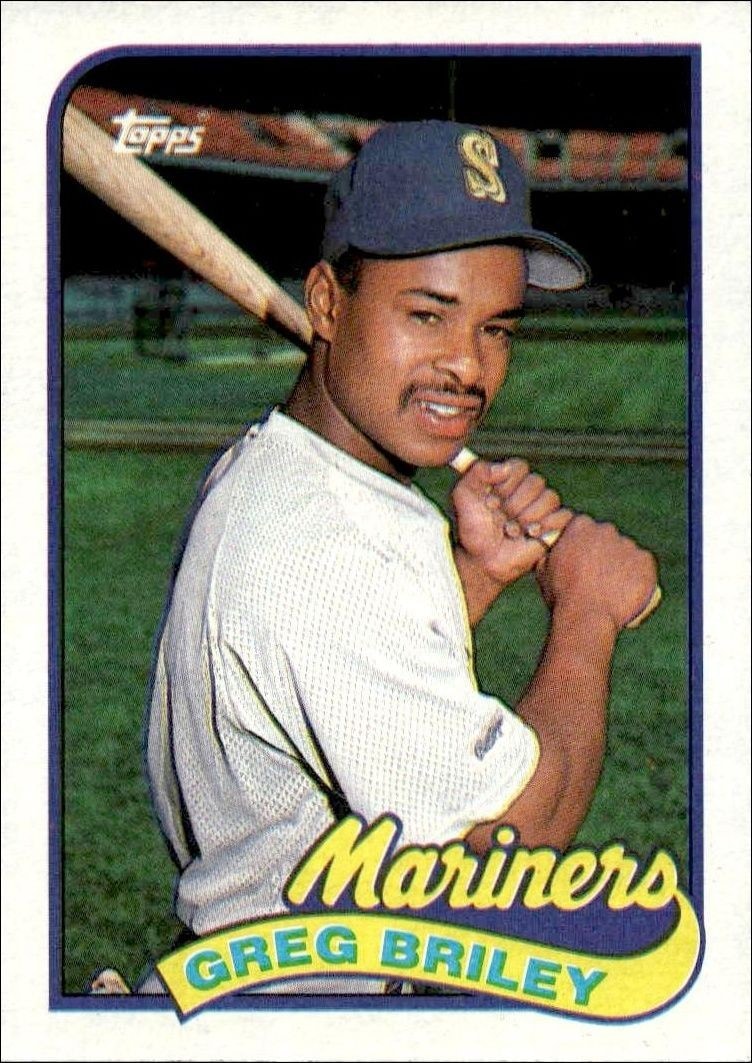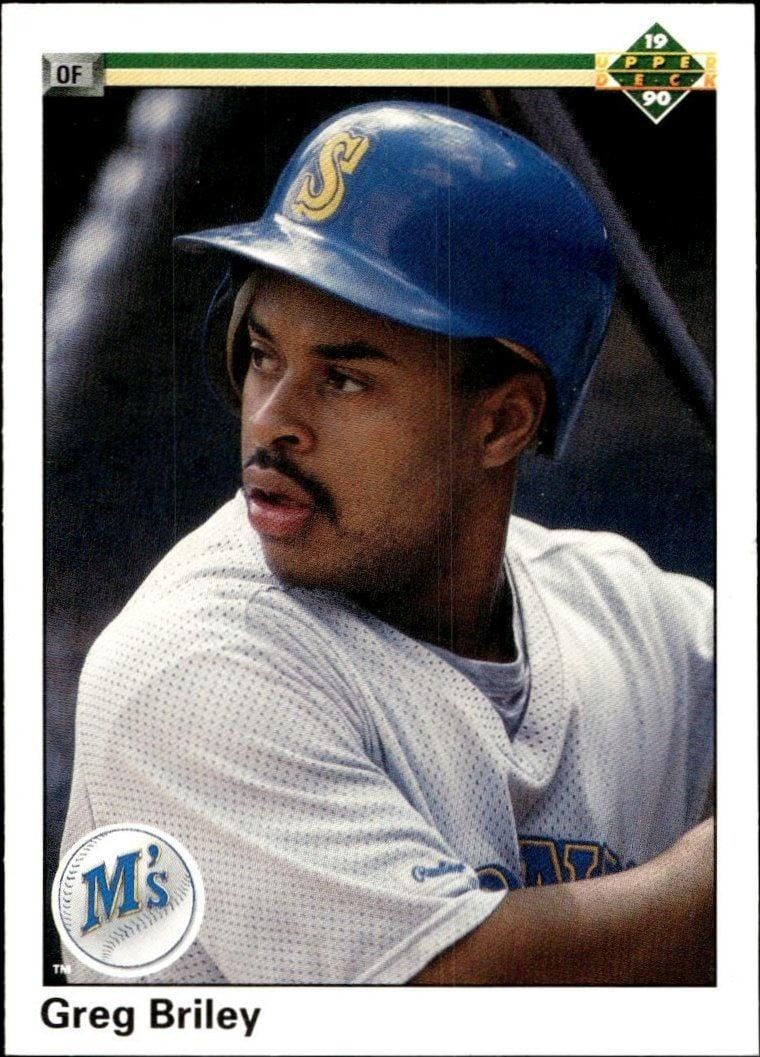
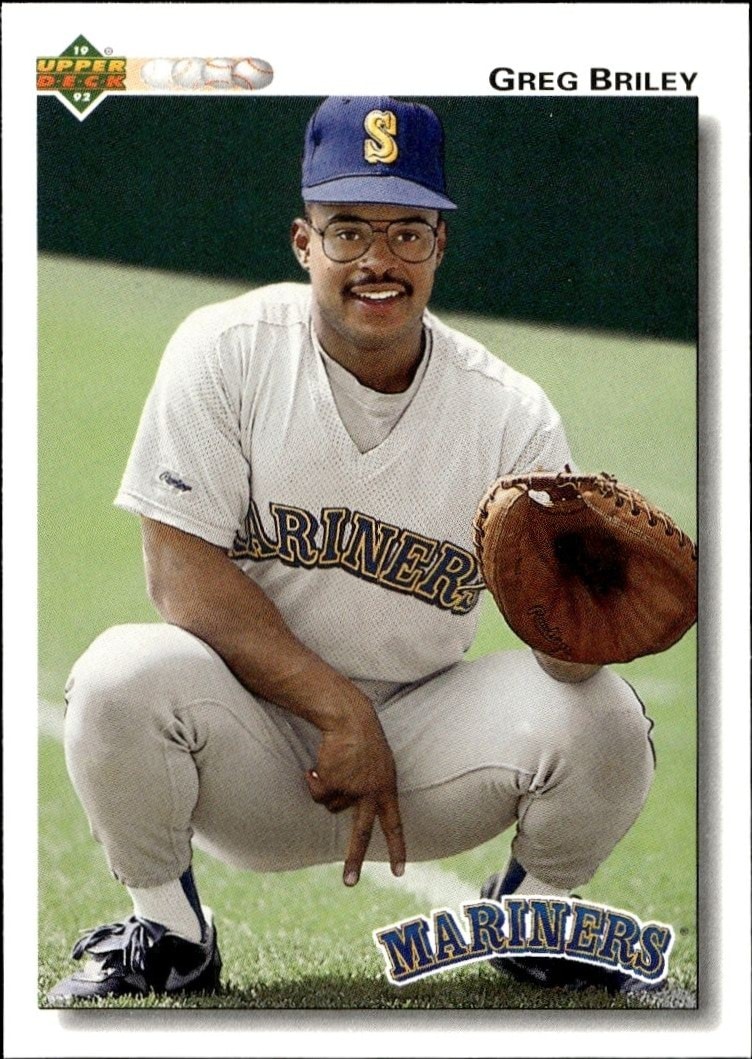
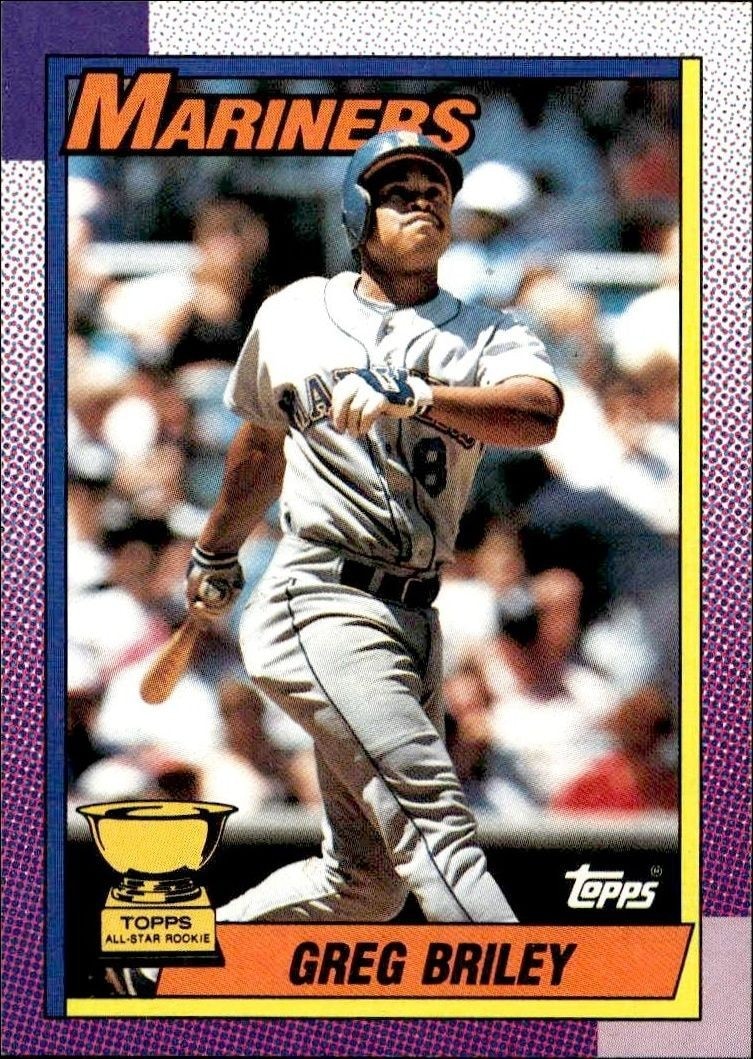
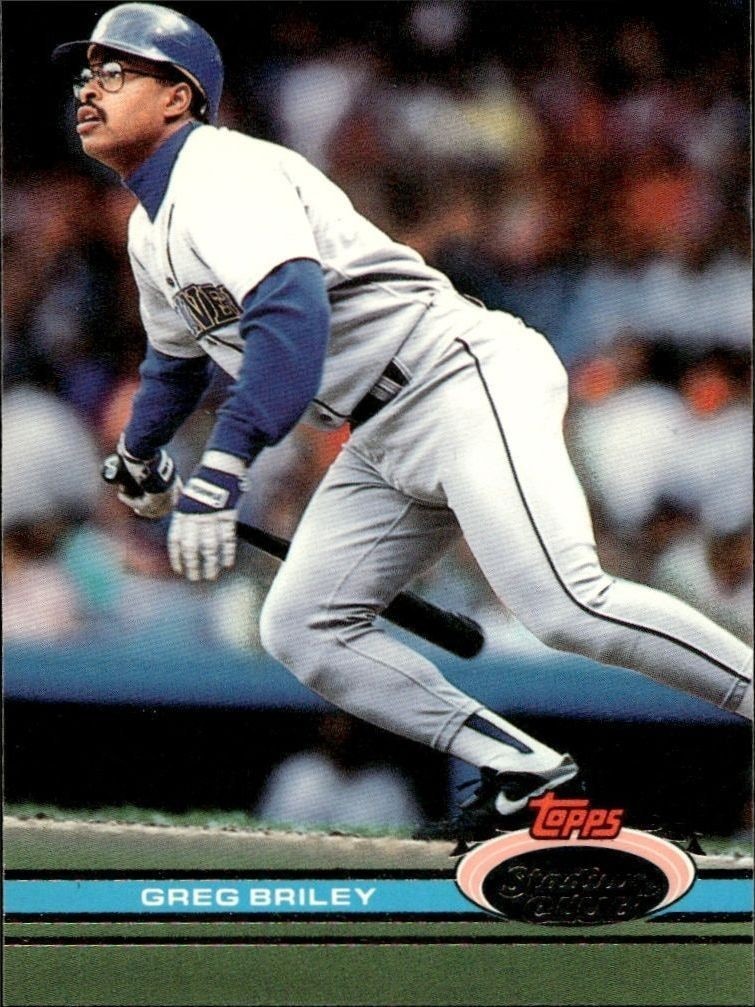

The 1993 Topps Traded Greg Briley #35T captures the Florida Marlins' early roster in the Traded series. This vintage baseball card is a sought-after piece for collectors building 90s MLB sets.
1993 • Topps • Traded
Major League Baseball • Florida Marlins
Near Mint
35T
New
Shipping Calculated at Checkout
This seller is away until 10/19/2026 — orders are still accepted and ship after they return.30-day Returns| Condition | Value | Source | Trend | Price Details |
|---|---|---|---|---|
$0.70As of 10/2/2026 | Asking Prices | |||
Raw / Ungraded
eBay Active Listings · Asking Prices evidence · captured Oct 2, 2026
History is building. At least two days of matching observations are needed to show a trend.
Each point is the last stored observation that day for this printing, condition, grader, autograph status and source. Gaps mean no observation; guide estimates and asking prices are not completed sales.Greg Briley appeared as a utility infielder during the 1993 season, making this 1993 Topps Traded #35T card a relevant snapshot of his career with the Florida Marlins. For collectors focusing on the early expansion era of Major League Baseball, this release provides a tangible connection to the league's growth in the 1990s. The card features Briley in his Marlins uniform, reflecting the team's identity during its inaugural seasons. While not a rookie card, it documents a player who contributed to the franchise during a pivotal time in its history. Collectors often target the 1993 Topps Traded set to complete their 90s baseball collections. Greg Briley's presence on this card offers a specific data point for those tracking player movements and team rosters from that year. Whether you are a historian of the sport or a dedicated set builder, this card serves as an important component of the broader Topps catalog. It represents a specific moment in time, preserving the visual record of a player who was part of the expanding MLB landscape. For those interested in the evolution of baseball card design, the Traded series offers a unique perspective on how Topps handled player updates mid-season.
5 hours ago
We'll pre-fill the product details from this catalog entry, so your listing lands on this exact page. Just add photos of your copy, pick its condition, and set your price.
The catalog profile below summarizes the card identity, featured subject, and notable collectible traits.
The core identity of the card within the set.
The subject, team, league, and sport context tied to this card.
Production details and format-specific attributes.
Material
Card Stock
Language
English
Compare prices, grades, photos, and shipping from approved sellers.
New
Near Mint
See how many public collections currently include this card.
0 collectors have this card
As a backup player for the expansion Florida Marlins during their inaugural season, this 1993 Topps Traded card occupies a low-tier price bracket relative to star players of the era. The absence of special attributes or premium parallels indicates it trades at base market value, reflecting its status as a common insert in a highly produced set. While it holds historical significance for Marlins fans, its financial appeal is limited by the player's limited starting role and the set's massive distribution.
This card is a standard base issue within the 1993 Topps Traded set, meaning it lacks serial numbering, short-print designations, or parallel variations that typically drive scarcity. The supply is effectively infinite relative to collector demand, as these were mass-produced without any limiting factors. Consequently, the card relies entirely on its condition and centering for any marginal differentiation in value among ungraded examples.
Investment potential is minimal for this specific item, as it does not benefit from rookie-card premiums or the high-demand star power associated with the Marlins' early roster. Collector interest is likely restricted to niche completists or regional fans rather than speculative investors seeking appreciation. Long-term value retention will likely track with general inflation for common sports cards rather than outperforming the broader market.