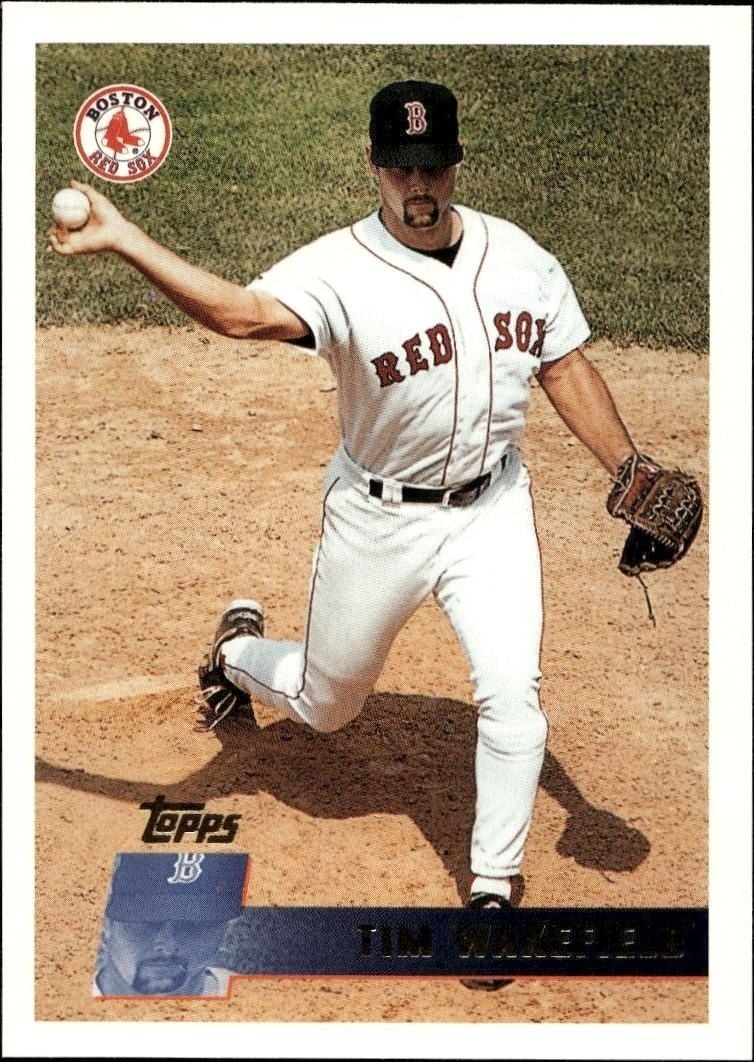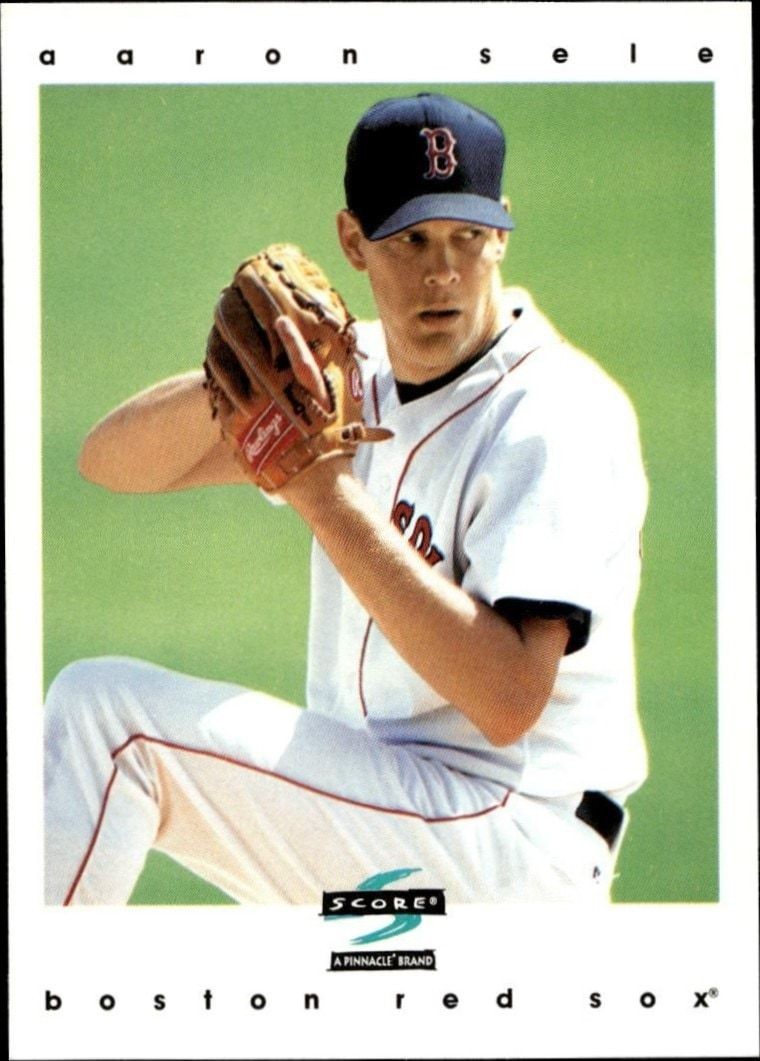


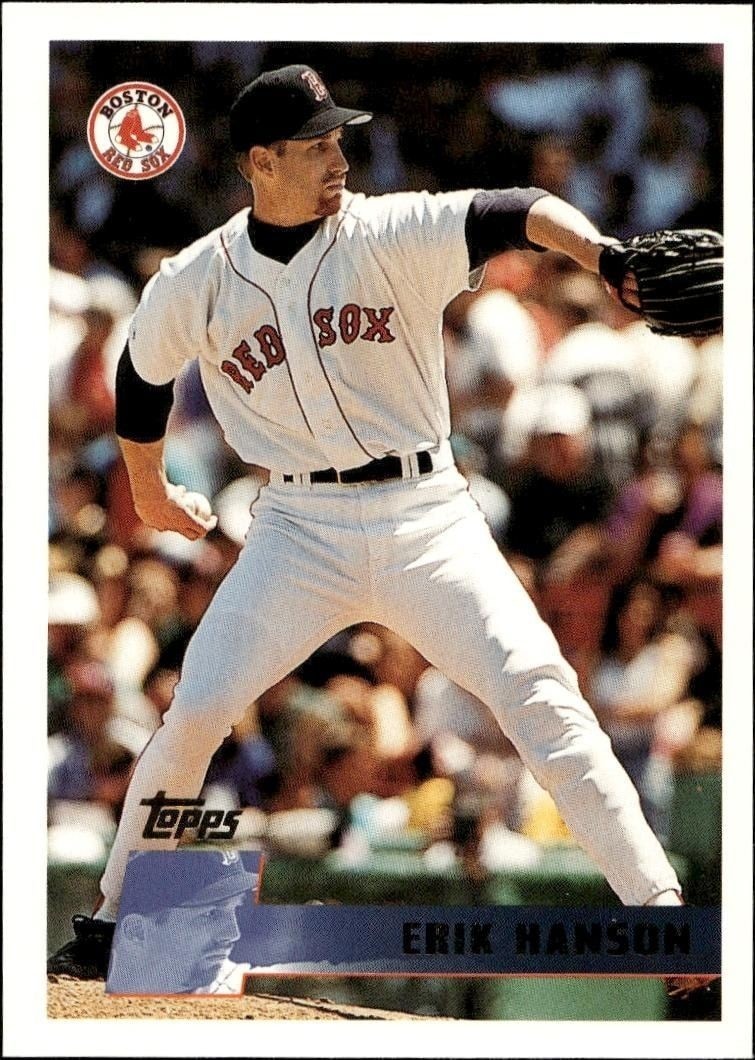
The 1996 Topps Aaron Sele #332 baseball card features the Boston Red Sox pitcher in one of his most active seasons. Explore this classic Topps release for your collection.
1996 • Topps
Major League Baseball • Boston Red Sox
Near Mint
332
New
Shipping Calculated at Checkout
Arrives in 4-6 daysEstimated delivery October 23, 2026 - October 25, 2026
30-day Returns| Condition | Value | Source | Trend | Price Details |
|---|---|---|---|---|
$1.00As of 10/3/2026 | Asking Prices | |||
Raw / Ungraded
eBay Active Listings · Asking Prices evidence · captured Oct 3, 2026
History is building. At least two days of matching observations are needed to show a trend.
Each point is the last stored observation that day for this printing, condition, grader, autograph status and source. Gaps mean no observation; guide estimates and asking prices are not completed sales.The 1996 Topps Aaron Sele #332 baseball card stands as a definitive piece for collectors of Boston Red Sox memorabilia from the mid-90s. Issued by the manufacturer Topps, this card is part of the iconic 1996 Topps set, which remains one of the most recognizable and widely collected bases sets in modern sports card history. The design reflects the era's standard aesthetic, focusing on clear imagery and essential statistics that define the player's profile during that specific year. Aaron Sele was a significant contributor to the Boston Red Sox rotation during this period, making this card a relevant entry for fans of the franchise and those tracking pitchers from the 1990s. As card number 332 in the base set, it occupies a specific place in the checklist, appealing to enthusiasts who build complete sets by tracking down every number. The 1996 Topps brand is synonymous with accessibility and nostalgia, offering a straightforward yet polished look at the athletes who defined the sport during that decade. Collecting this issue allows enthusiasts to hold a tangible piece of baseball history from a team with a rich legacy. Whether you are looking to complete your 1996 Topps base set or simply add a notable Red Sox pitcher to your portfolio, this card provides a solid foundation. The product represents the classic trading card format that collectors have cherished for decades, bridging the gap between past eras and modern collecting standards. For those interested in the Boston Red Sox or the broader landscape of 1990s baseball, this card offers a direct connection to the sport's past without the need for complex grading or authentication processes to appreciate its historical context. By focusing on the integrity of the product and the history it represents, we ensure that every piece, including this 1996 Topps release, is handled with the care it deserves. Explore our inventory to find this card and other essentials for your growing collection.
2 days ago
We'll pre-fill the product details from this catalog entry, so your listing lands on this exact page. Just add photos of your copy, pick its condition, and set your price.
The catalog profile below summarizes the card identity, featured subject, and notable collectible traits.
The subject, team, league, and sport context tied to this card.
Production details and format-specific attributes.
Material
Card Stock
Language
English
Compare prices, grades, photos, and shipping from approved sellers.
New
Near Mint
See how many public collections currently include this card.
0 collectors have this card
This 1996 Topps Aaron Sele card sits at the very bottom of the value tier for this player, reflecting its status as a common base card with no distinguishing features. While Sele enjoyed a notable career, this specific issue lacks the condition premiums or scarcity drivers that elevate other releases in his portfolio. It trades well below the market average for any graded or special parallel versions, serving primarily as a bulk entry point for collectors.
The card possesses no special attributes such as serial numbering, short printing, or parallel finishes, making it a standard base issue from a mass-produced set. This lack of unique scarcity mechanics means the supply is effectively unlimited relative to collector demand, as millions were printed without restriction. Consequently, it does not benefit from the supply constraints that typically drive value in vintage baseball cards.
As a non-rookie, non-premium base card from the mid-90s boom era, this item offers minimal upside for serious investors. The collector demand is driven almost entirely by nostalgia for the 1996 season rather than long-term asset appreciation, keeping liquidity high but value stagnant. It is best suited for completing base set requirements rather than serving as a store of value.