



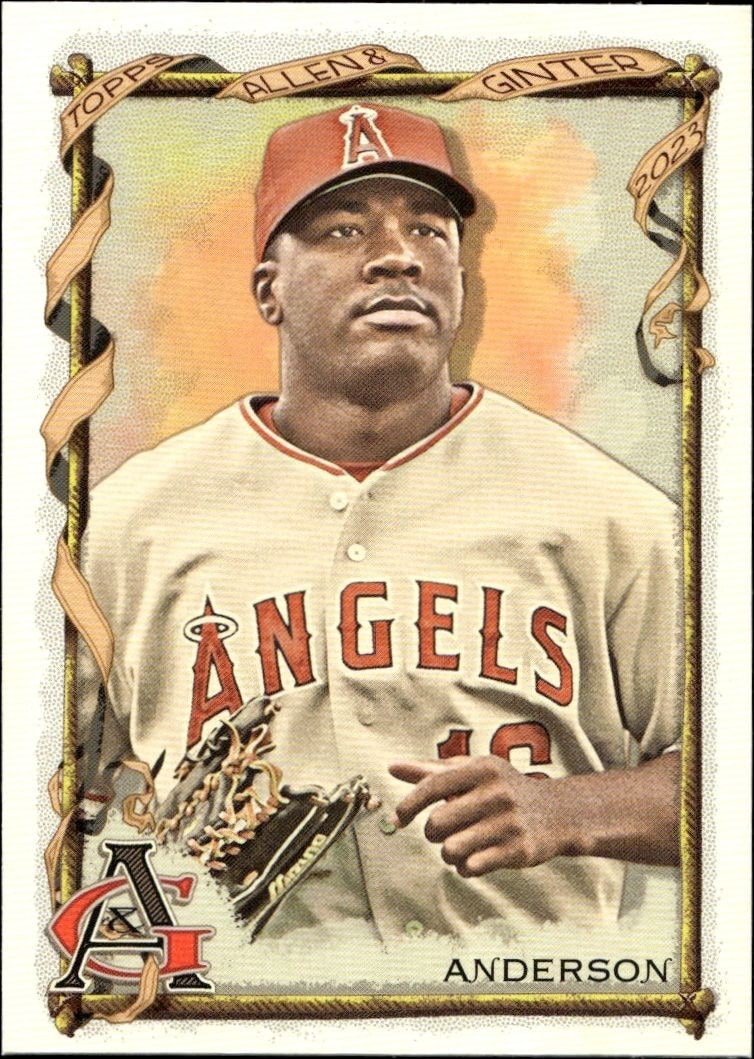
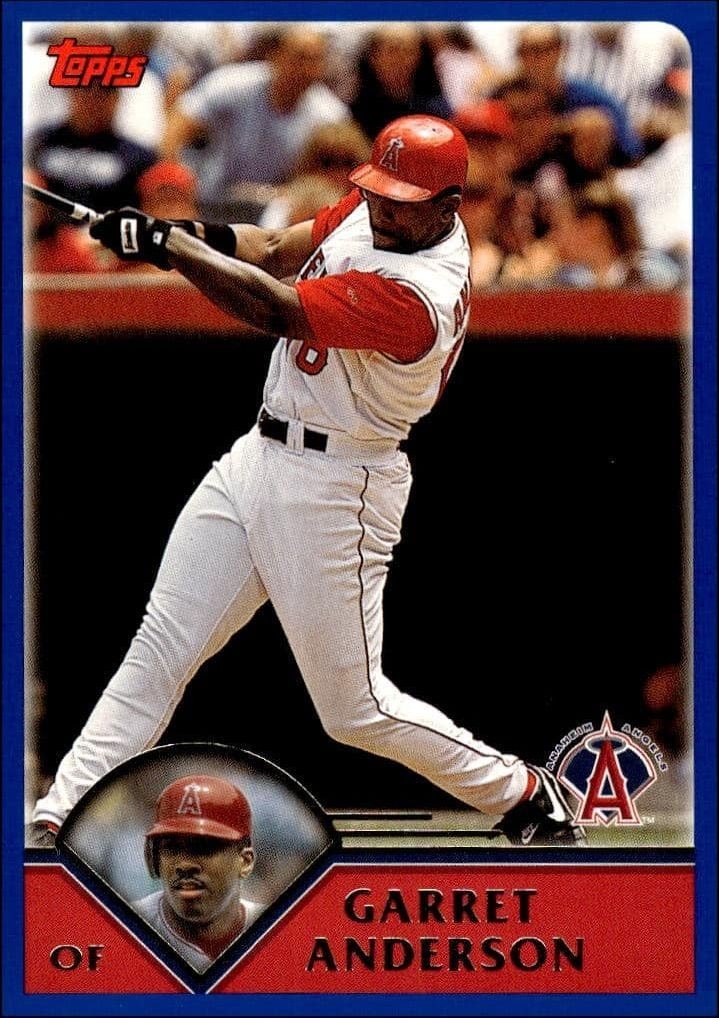

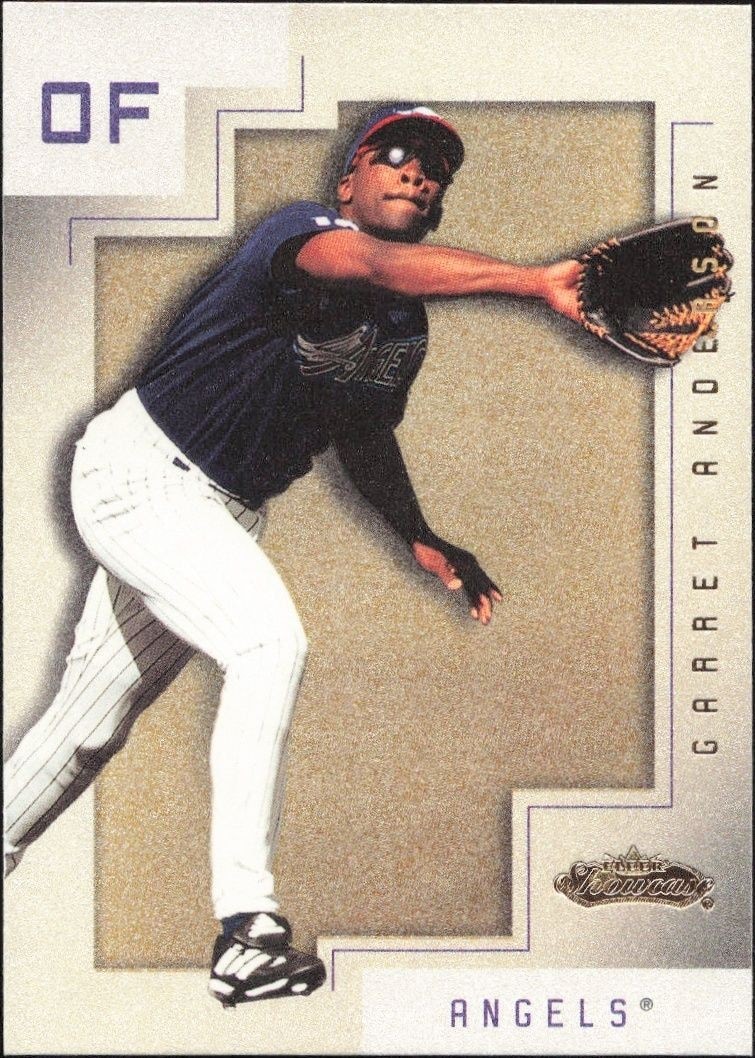

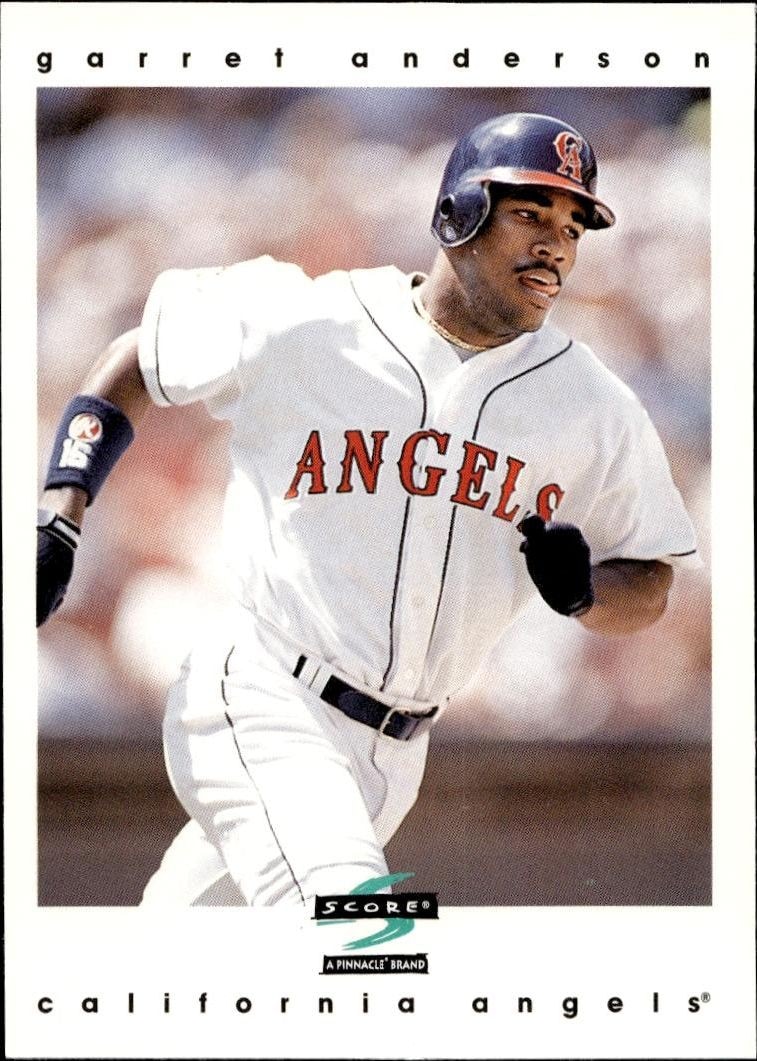
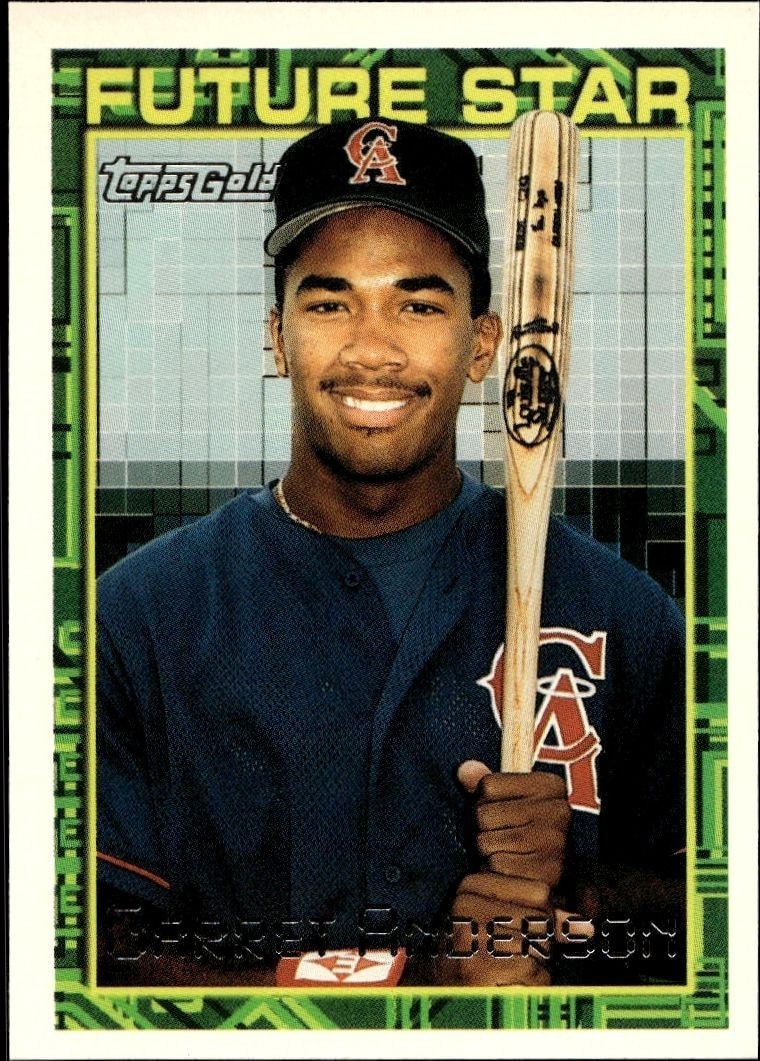


Discover the 1996 Topps Garret Anderson #132 baseball card featuring the Los Angeles Angels. This vintage 1996 Topps release captures Anderson during his established career years.
1996 • Topps
Major League Baseball • Los Angeles Angels
Near Mint
132
New
Shipping Calculated at Checkout
Arrives in 4-6 daysEstimated delivery October 26, 2026 - October 28, 2026
30-day Returns| Condition | Value | Source | Trend | Price Details |
|---|---|---|---|---|
$1.15 | Guide Estimate | -25.8% | ||
$34.00 | Guide Estimate | 0% | ||
$37.00 | Guide Estimate | 0% | ||
$41.00 | Guide Estimate | 0% | ||
$57.00 | Guide Estimate | 0% | ||
$26.00 | Guide Estimate | 0% | ||
$44.00 | Guide Estimate | 0% | ||
$26.00 | Guide Estimate | 0% | ||
Raw / Ungraded
PriceCharting Price Guide · Guide Estimate evidence · captured Oct 19, 2026
The 1996 Topps Garret Anderson #132 baseball card represents a significant piece of Los Angeles Angels history from the mid-1990s. As a core member of the Topps Baseball set, this card features Anderson during a pivotal era of his career with the Angels in Major League Baseball. Collectors interested in vintage sports cards often seek out this release to complete their 1996 Topps set or to highlight the Angels' roster from that season. Garret Anderson was a defining figure for the Angels during the 1990s, and this card serves as a tangible link to that period in franchise history. Owning the #132 card allows enthusiasts to preserve a piece of baseball heritage from one of the sport's most recognizable brands. For investors and long-term collectors, vintage cards from the 1990s continue to hold enduring appeal. The 1996 Topps Garret Anderson #132 is an essential addition for anyone building a collection focused on Angels legends or 90s baseball memorabilia. Its straightforward presentation and historical context make it a versatile item for display or investment. Whether you are looking to round out your 1996 Topps collection or simply appreciate the legacy of Garret Anderson, this card offers a meaningful connection to the past. It stands as a testament to the enduring popularity of physical trading cards and the stories they tell about the athletes who played the game.
1 day ago
We'll pre-fill the product details from this catalog entry, so your listing lands on this exact page. Just add photos of your copy, pick its condition, and set your price.
The catalog profile below summarizes the card identity, featured subject, and notable collectible traits.
The subject, team, league, and sport context tied to this card.
Production details and format-specific attributes.
Material
Card Stock
Language
English
Compare prices, grades, photos, and shipping from approved sellers.
New
Near Mint
See how many public collections currently include this card.
0 collectors have this card
This 1996 Topps Garret Anderson card represents the foundational base set entry from his early career, trading at a more accessible price tier compared to his rookie parallels or insert subsets. As a standard base card, it lacks the condition rarity premiums seen in graded examples, making it an affordable option for collectors focusing on volume or specific team history with the Los Angeles Angels. Its value is primarily driven by its status as a recognizable early-era card rather than exceptional scarcity or grading potential.
The card carries no special scarcity attributes, as it is a standard base release from the 1996 Topps product without serial numbering, short-print status, or unique parallels. Supply is effectively unlimited relative to collector demand, as this was a mass-produced item intended for widespread distribution. Consequently, the card does not benefit from the supply constraints that typically elevate value in vintage baseball collecting.
While the card offers historical significance as part of Anderson's early tenure with the Angels, it lacks the rookie-card premium mechanics associated with his 1995 debut or high-end insert sets. Collector demand is likely limited to those building specific team sets or seeking entry-level pieces from the mid-90s era. Long-term appreciation is constrained by the abundant supply of base cards, making it a stable but low-growth asset for serious investors.
