




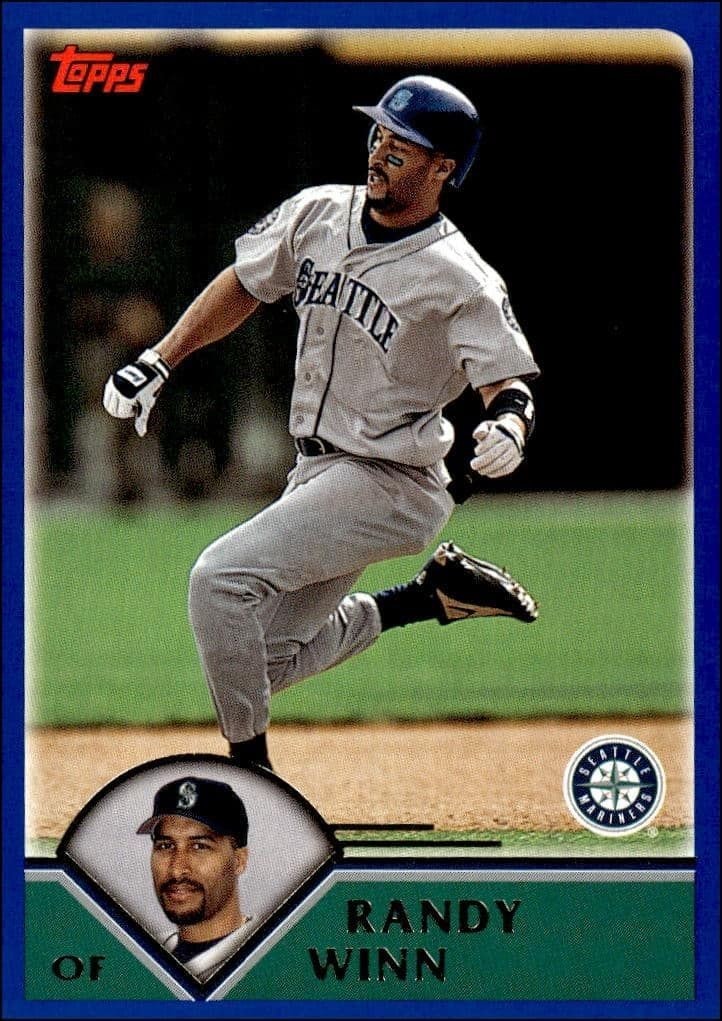

The 1996 Topps Series 2 card featuring Randy Winn, numbered 235, captures the Florida Marlins prospect during a pivotal era in baseball history.
1996 • Topps • Series 2
Major League Baseball • Florida Marlins
Near Mint
235
New
Shipping Calculated at Checkout
Arrives in 4-6 daysEstimated delivery October 23, 2026 - October 25, 2026
Seller returns October 19, 2026.30-day Returns| Condition | Value | Source | Trend | Price Details |
|---|---|---|---|---|
$1.37 | Guide Estimate | |||
$2.25 | Guide Estimate | |||
$3.26 | Guide Estimate | |||
$4.00 | Guide Estimate | |||
$40.00 | Guide Estimate | |||
$18.00 | Guide Estimate | |||
$30.47 | Guide Estimate | |||
$18.00 | Guide Estimate | |||
Raw / Ungraded
PriceCharting Price Guide · Guide Estimate evidence · captured Oct 17, 2026
History is building. At least two days of matching observations are needed to show a trend.
Each point is the last stored observation that day for this printing, condition, grader, autograph status and source. Gaps mean no observation; guide estimates and asking prices are not completed sales.Randy Winn's #235 card from the 1996 Topps Series 2 set represents a specific moment in the career of the Florida Marlins prospect. Released by Topps in 1996, this sports card is part of the brand's primary product line, which remains a cornerstone for baseball trading card collectors. The Series 2 release typically featured different designs and subsets compared to the base set, offering variety for those tracking the evolution of the product line. For collectors focused on the Florida Marlins franchise, this card documents Winn before he became a long-time starter for the team. The 1996 Topps brand is known for its classic design language, making cards from this era highly desirable for building vintage collections. The numbered sequence places it within the broader context of the 1996 Topps product, appealing to completists who seek every card in the base set. Whether you are interested in Marlins history, 90s baseball memorabilia, or Randy Winn’s career trajectory, this card serves as a tangible link to that time. The 1996 Topps product line continues to be a popular choice for investors and hobbyists due to its nostalgic value and historical significance in the trading card industry. Collecting vintage sports cards requires attention to detail and an appreciation for the era's design aesthetics. The 1996 Topps Series 2 card #235 offers a glimpse into the player development and team dynamics of the mid-90s MLB landscape. By focusing on the product's identity and the player's role during that specific year, collectors can better understand the context and appeal of this product.
1 day ago
We'll pre-fill the product details from this catalog entry, so your listing lands on this exact page. Just add photos of your copy, pick its condition, and set your price.
The catalog profile below summarizes the card identity, featured subject, and notable collectible traits.
The core identity of the card within the set.
The subject, team, league, and sport context tied to this card.
Production details and format-specific attributes.
Material
Card Stock
Language
English
Compare prices, grades, photos, and shipping from approved sellers.
New
Near Mint
See how many public collections currently include this card.
0 collectors have this card
This 1996 Topps Series 2 base card of Randy Winn sits at the lower end of the market spectrum, reflecting its status as a standard issue from a high-volume production era. While Winn enjoyed a solid MLB career, this specific unvarnished base card does not command a significant premium over other non-rookie, non-specialty parallels from the same set. The presence of active listings indicates a liquid but low-demand tier, where condition becomes the primary differentiator for value retention.
As a base card from the 1996 Topps Series 2 set, this item lacks any scarcity mechanics such as serial numbering, short-print status, or parallel foil treatments. It represents the highest possible supply tier within the product line, meaning availability is not constrained by limited edition counts or unique attributes. Consequently, its rarity is defined solely by the physical preservation of the card rather than any production limit.
Investment potential for this specific card is limited by its classification as a common base card from a pre-silver-age era, where collector interest is typically concentrated on rookie cards or high-end inserts. While the Marlins' history provides some thematic interest, the lack of rookie designation or special branding reduces its appeal to serious portfolio builders. Value stability will likely depend on broader trends in vintage baseball card collecting rather than card-specific scarcity drivers.
