
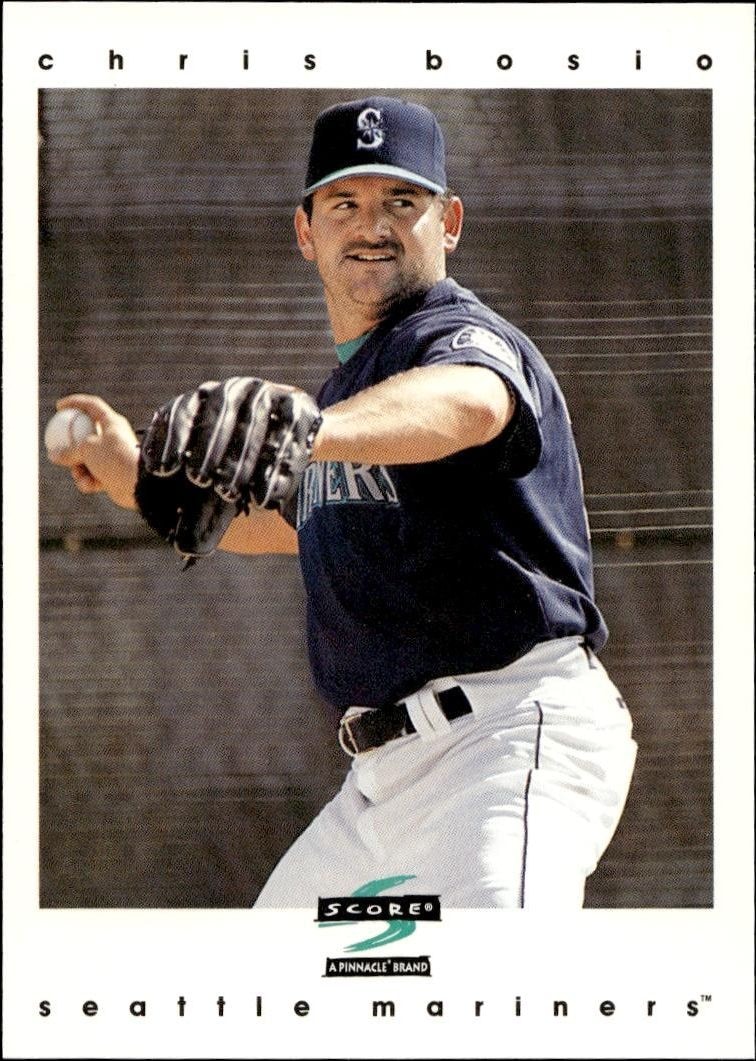

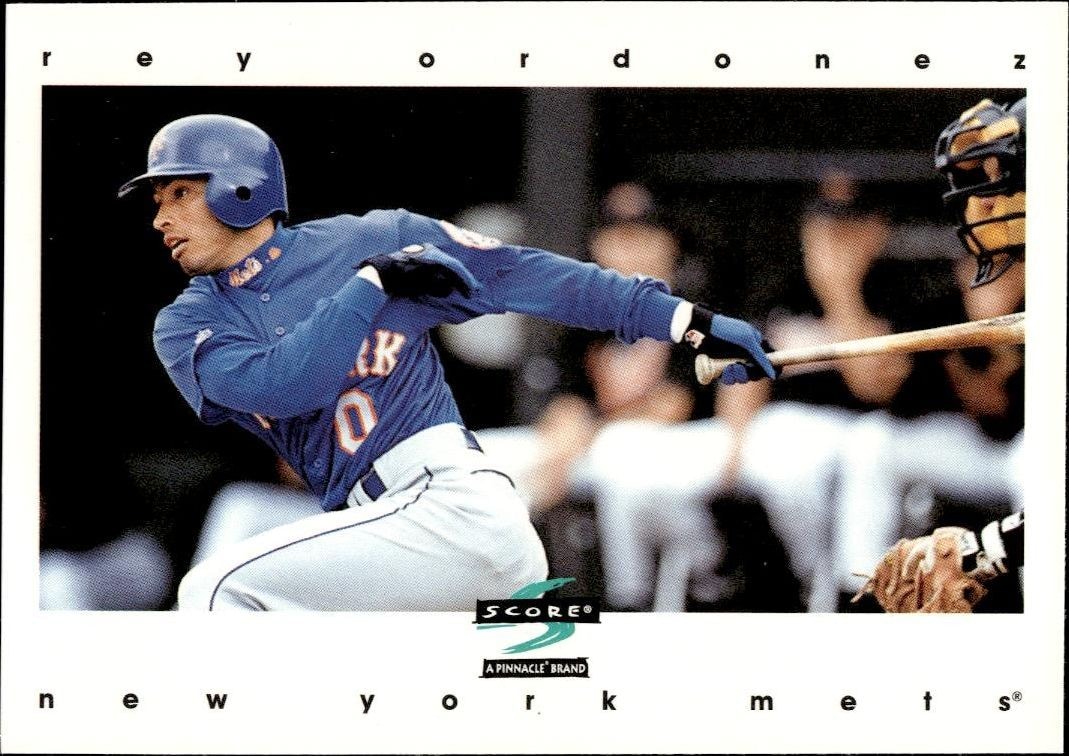
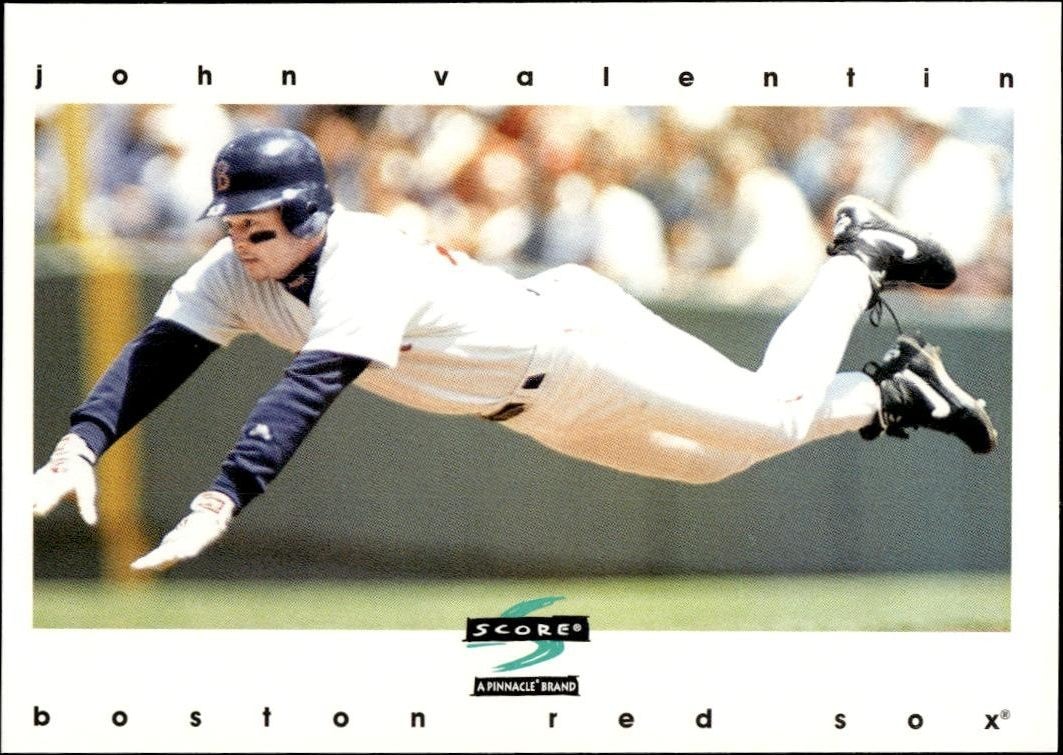


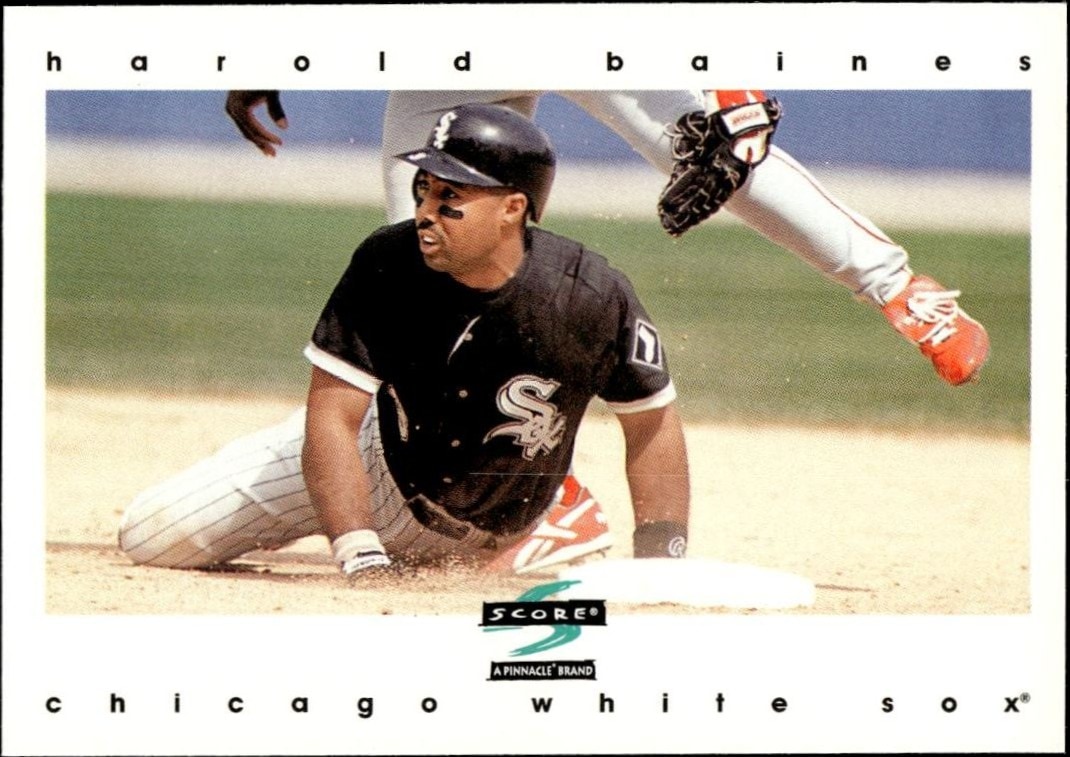
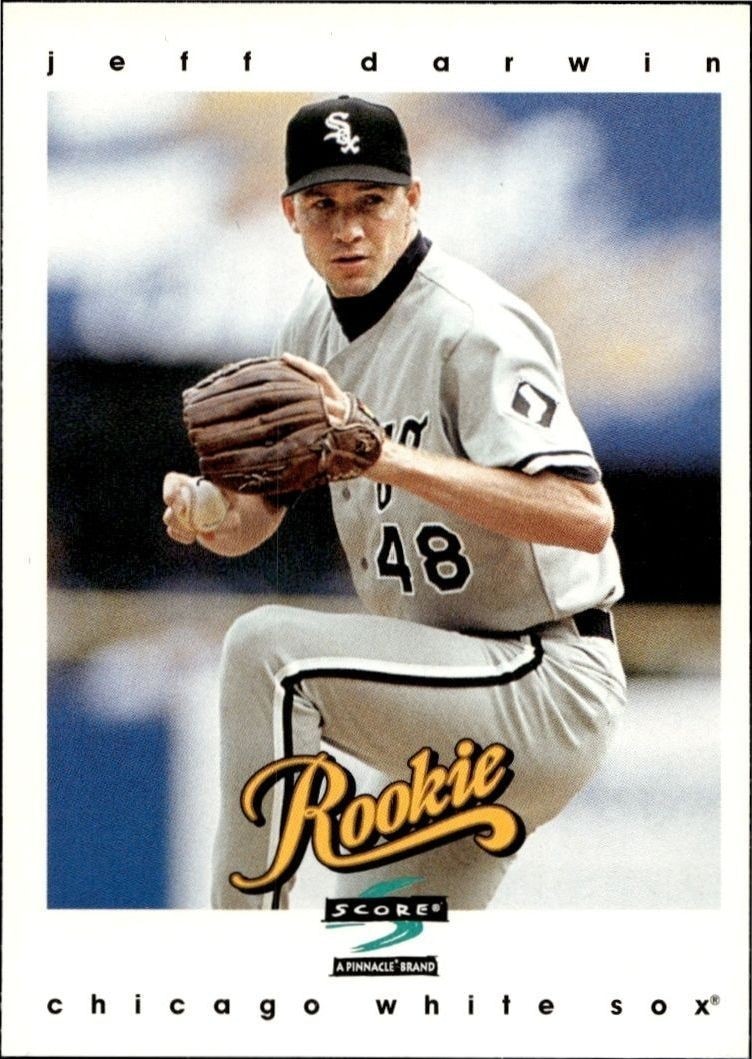
Explore the 1997 Pinnacle Score Jeff Darwin #314 baseball card, a catalog entry for collectors of Chicago White Sox memorabilia and vintage sports card sets.
1997 • Pinnacle • Score
Major League Baseball • Chicago White Sox
Near Mint
314
New
Shipping Calculated at Checkout
Arrives in 5-7 daysEstimated delivery October 23, 2026 - October 25, 2026
Seller returns October 19, 2026.30-day Returns| Condition | Value | Source | Trend | Price Details |
|---|---|---|---|---|
$1.56As of 9/22/2026 | Guide Estimate | |||
Raw / Ungraded
PriceCharting Price Guide · Guide Estimate evidence · captured Sep 23, 2026
History is building. At least two days of matching observations are needed to show a trend.
Each point is the last stored observation that day for this printing, condition, grader, autograph status and source. Gaps mean no observation; guide estimates and asking prices are not completed sales.The 1997 Pinnacle Score Jeff Darwin #314 represents a specific era in baseball card collecting, capturing the roster of the Chicago White Sox during the late 1990s. As part of the broader Pinnacle Score series, this card serves as a catalog entry for enthusiasts tracking the team's history and roster changes during that period. Collectors often seek out cards from this year to complete set builds or to document the careers of players who contributed to the franchise's lineup during the mid-to-late 90s. Jeff Darwin's appearance on card number 314 provides a tangible connection to the on-field action of that season. For fans of the Chicago White Sox, this product is a component of a larger collection of team-related memorabilia. The Score subset within the Pinnacle release offers a straightforward presentation of the player, focusing on the athlete's identity and team affiliation without additional parallel treatments or inserts. For investors and hobbyists alike, understanding the context of the 1997 Pinnacle Score set helps in appreciating the card's place in sports card history. It reflects the design trends and printing techniques of the time, offering a glimpse into how baseball players were portrayed in media during the 1990s. Whether you are building a personal collection of White Sox history or exploring the wider world of vintage baseball cards, this entry provides a foundational piece of information for your research and acquisition strategy.
13 hours ago
We'll pre-fill the product details from this catalog entry, so your listing lands on this exact page. Just add photos of your copy, pick its condition, and set your price.
The catalog profile below summarizes the card identity, featured subject, and notable collectible traits.
The core identity of the card within the set.
The subject, team, league, and sport context tied to this card.
Production details and format-specific attributes.
Material
Card Stock
Language
English
Compare prices, grades, photos, and shipping from approved sellers.
New
Near Mint
See how many public collections currently include this card.
0 collectors have this card
This 1997 Pinnacle Score card of Jeff Darwin occupies a niche tier, trading significantly below the premium valuations typically associated with franchise cornerstone players of the era. Its current positioning reflects the standard market behavior for role players from the late 1990s, where condition and scarcity play a larger role than raw name recognition. Consequently, it serves as an affordable entry point for collectors focusing on specific team subsets rather than star-driven portfolios.
The absence of noted special attributes indicates this is a standard base card within the 1997 Pinnacle Score set, meaning supply is determined primarily by the original print volume rather than artificial scarcity mechanisms. Without serial numbering, short-print designations, or parallel variations, the supply is effectively uncapped relative to collector demand. This lack of distinguishing features limits its individual rarity profile compared to numbered or special insert cards from the same set.
As a non-rookie card for a player who did not achieve sustained star status, the demand drivers are limited to specific team collectors or those completing base set runs. The card lacks the rookie-card premium or high-demand parallel attributes that typically drive significant appreciation in the secondary market. Long-term value retention relies heavily on the general stability of 1990s baseball card collecting rather than individual player trajectory.