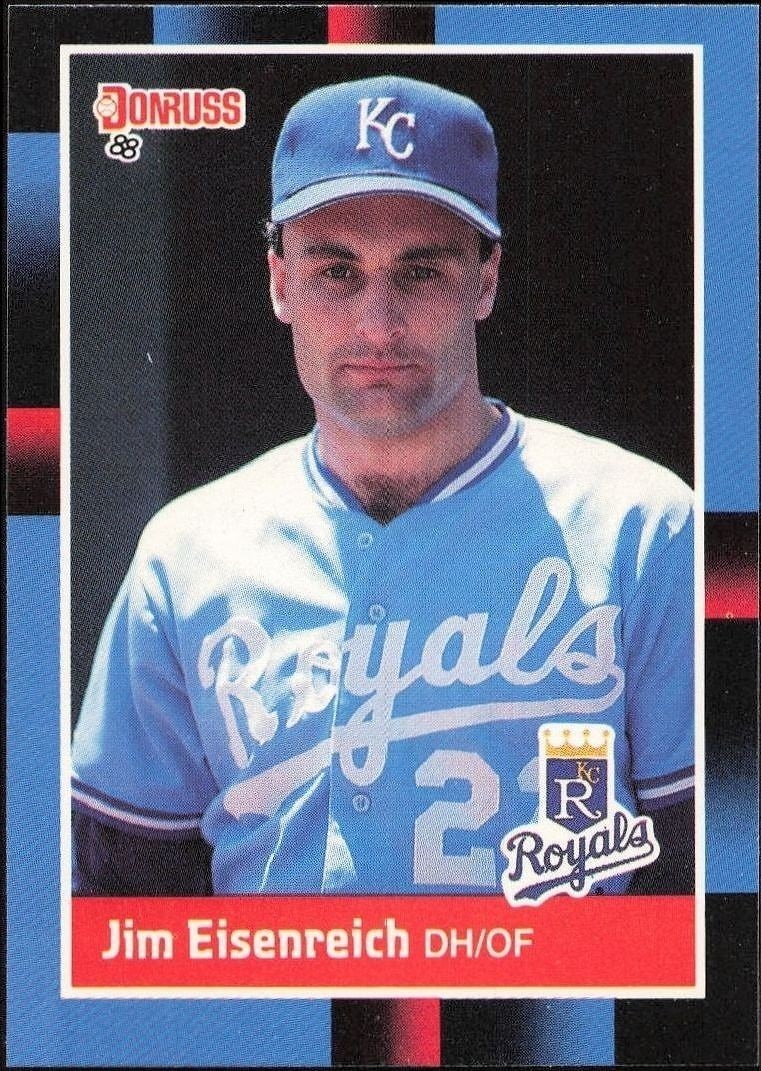
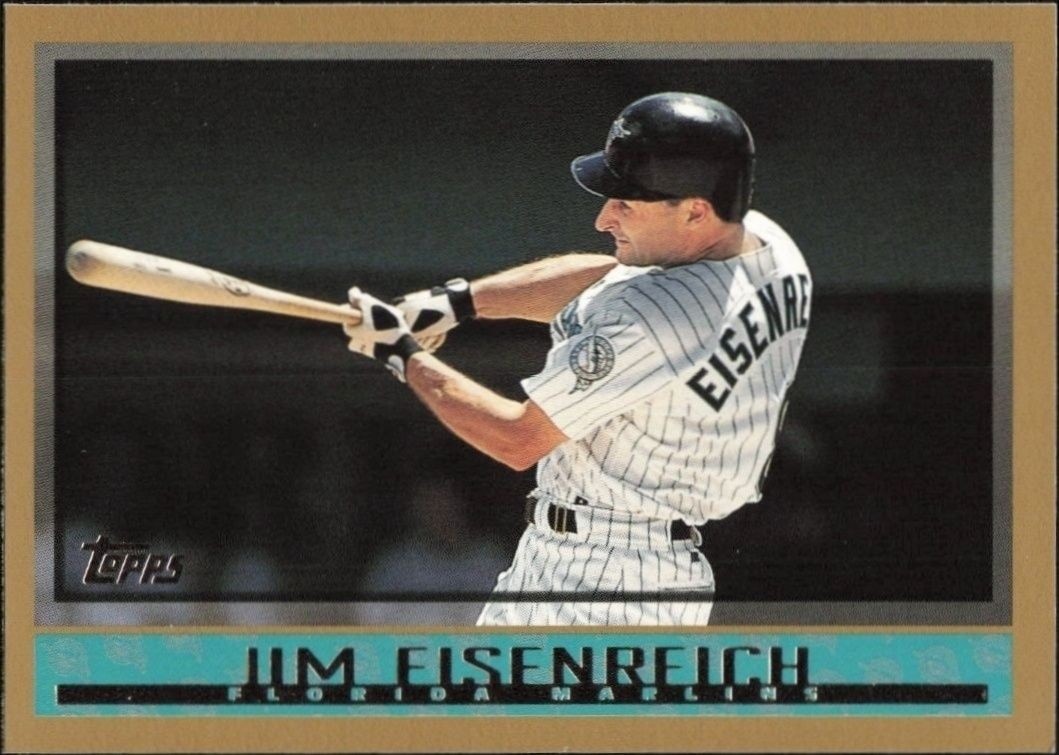
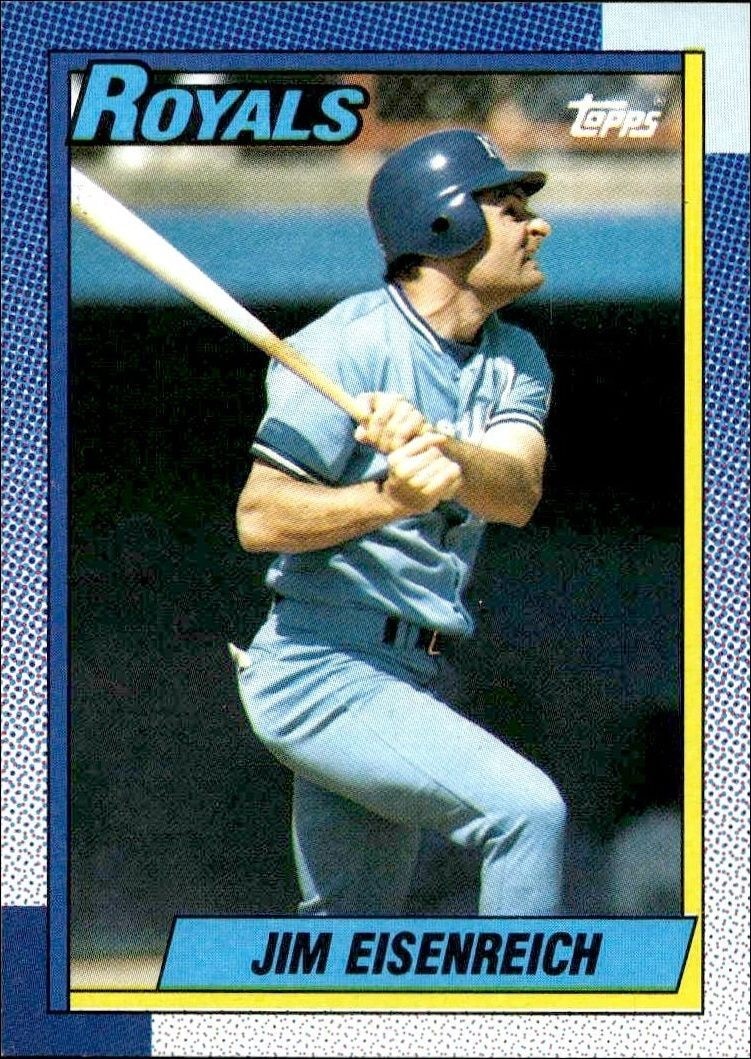
The 1997 Pinnacle Score Jim Eisenreich #452 captures the Florida Marlins outfielder during the franchise's historic championship season, offering a tangible link to that pivotal era of MLB history.
History is building. At least two days of matching observations are needed to show a trend.
Each point is the last stored observation that day for this printing, condition, grader, autograph status and source. Gaps mean no observation; guide estimates and asking prices are not completed sales.
Product Overview
Description
The 1997 Pinnacle Score Jim Eisenreich #452 holds a distinct place in baseball card collecting, representing the Florida Marlins during one of the most memorable seasons in franchise history. As a member of the historic 1997 World Series championship team, Eisenreich’s presence in this release connects collectors to a defining moment in MLB lore. For collectors focusing on team sets, this card represents the outfield depth that supported the Marlins' run to the title. Eisenreich served as a versatile veteran presence, providing experience and power off the bench during critical moments of the season. The #452 designation places it within the main base set, offering a straightforward entry point for building complete Florida Marlins collections from that era. The late 1990s marked a significant period for baseball card manufacturing, with Pinnacle Score establishing itself as a reliable source for standard issues. Collectors often seek out cards from this year to complete their archives of championship teams or to focus on players who contributed to successful franchises. The 1997 Pinnacle Score Jim Eisenreich #452 allows enthusiasts to own a piece of that specific timeline, documenting the roster that made headlines in Florida. Whether you are building a comprehensive collection of Marlins history or focusing on the 1997 season specifically, this card serves as an important component. It stands as a reminder of the team's breakthrough year and the players who helped achieve it. For investors in baseball memorabilia, cards from championship seasons often hold enduring interest due to their historical significance and the nostalgia associated with the era. By focusing on the identity and context of the product, we help enthusiasts understand the value of each piece in the broader landscape of sports card collecting.
Last Listing Activity
9/17/26
Seller Action
Have one of these to sell?
We'll pre-fill the product details from this catalog entry, so your listing lands on this exact page. Just add photos of your copy, pick its condition, and set your price.
Product Specs
Card Details
The catalog profile below summarizes the card identity, featured subject, and notable collectible traits.
Estimated delivery October 7, 2026 - October 9, 2026
Collector Ownership
Owned by Collectors
See how many public collections currently include this card.
0 collectors have this card
SuperCatch Expert Analysis
Market Value Insight
Jim Eisenreich's 1997 Pinnacle Score card is priced at a moderate tier relative to his broader career portfolio, reflecting his status as a solid contributor rather than an elite franchise cornerstone. The current valuation suggests a stable, accessible entry point for collectors focusing on his tenure with the Florida Marlins during their early expansion years. Condition and grading premiums are likely minimal given the base nature of the issue, keeping the raw market price grounded.
Rarity Breakdown
This card represents a standard base issue within the 1997 Pinnacle Score set, lacking any special parallel, short-print, or serial-numbered attributes that would artificially constrain supply. The absence of distinct rarity mechanics means the available inventory is determined primarily by total print run and survivorship rates typical for mass-produced mid-90s baseball cards. Consequently, the supply is relatively abundant compared to parallel versions or insert cards from the same set.
Investment Outlook
As a non-rookie card, this item does not carry the initial rookie premium that typically drives significant appreciation in Eisenreich's market. Demand is likely driven by specific Marlins nostalgia or set completionists rather than broad speculative interest in his career trajectory. Collectors should view this as a low-risk acquisition for portfolio diversity rather than a high-growth investment vehicle.