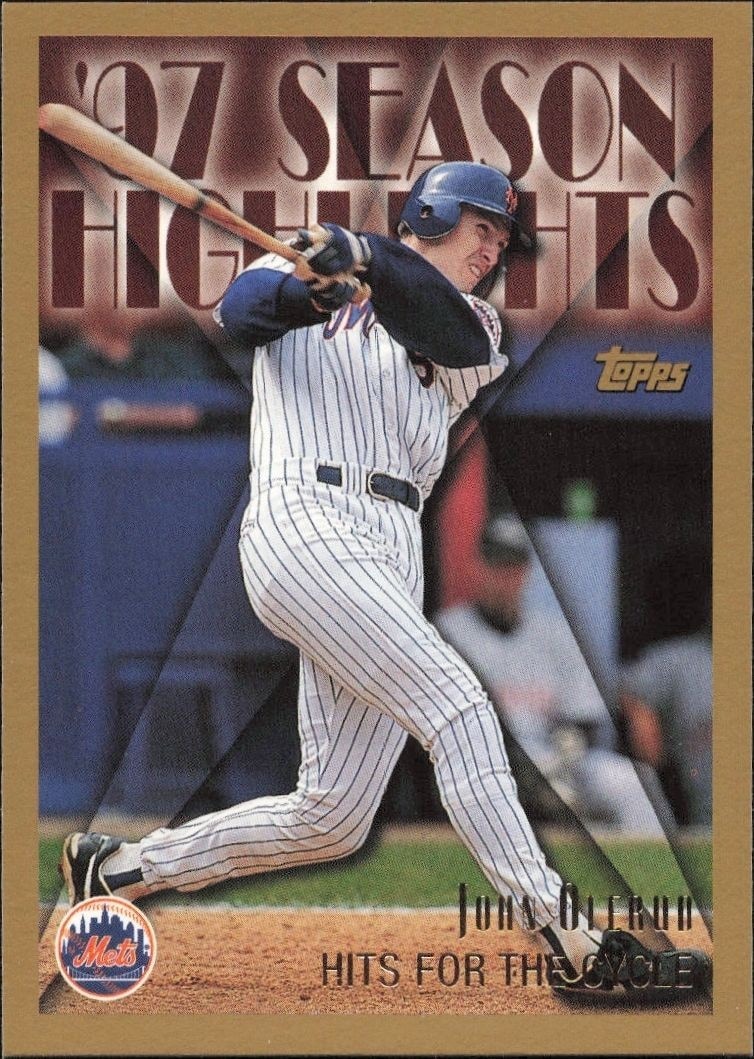
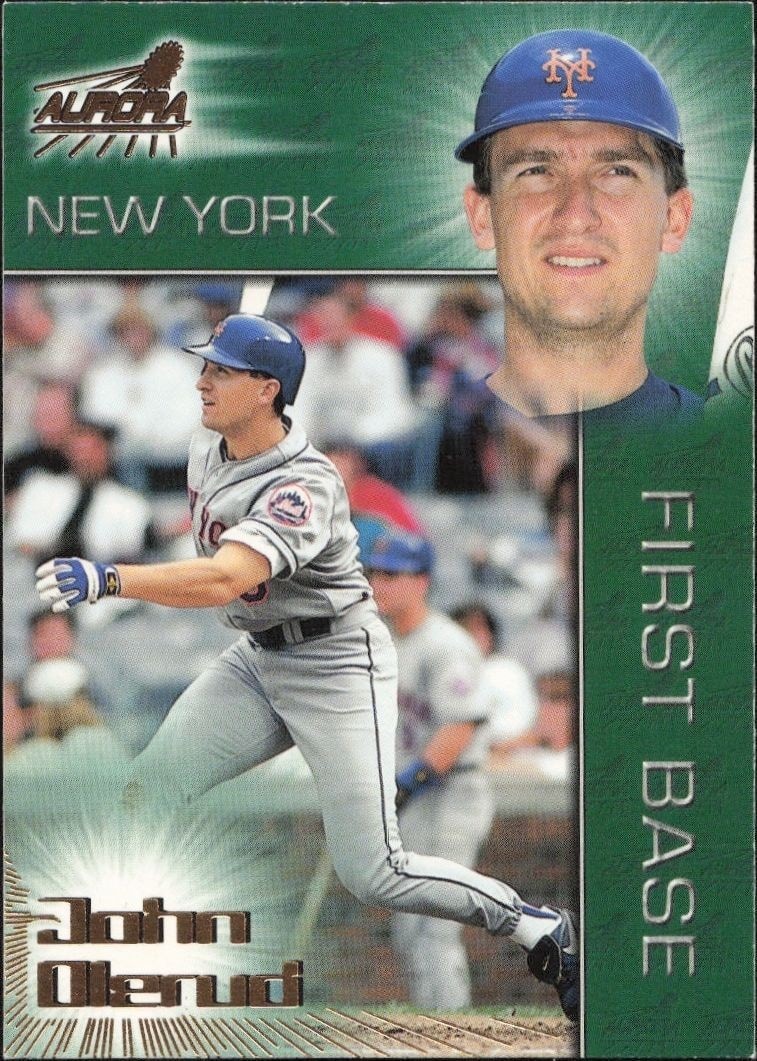
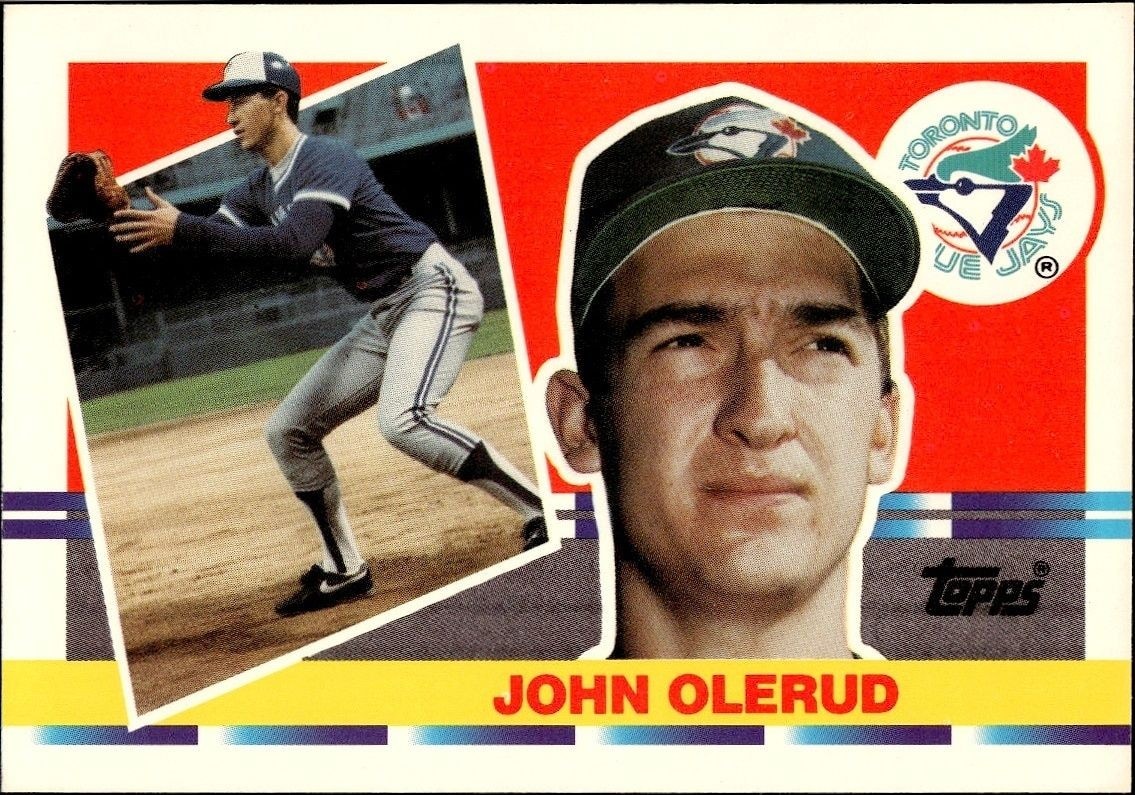
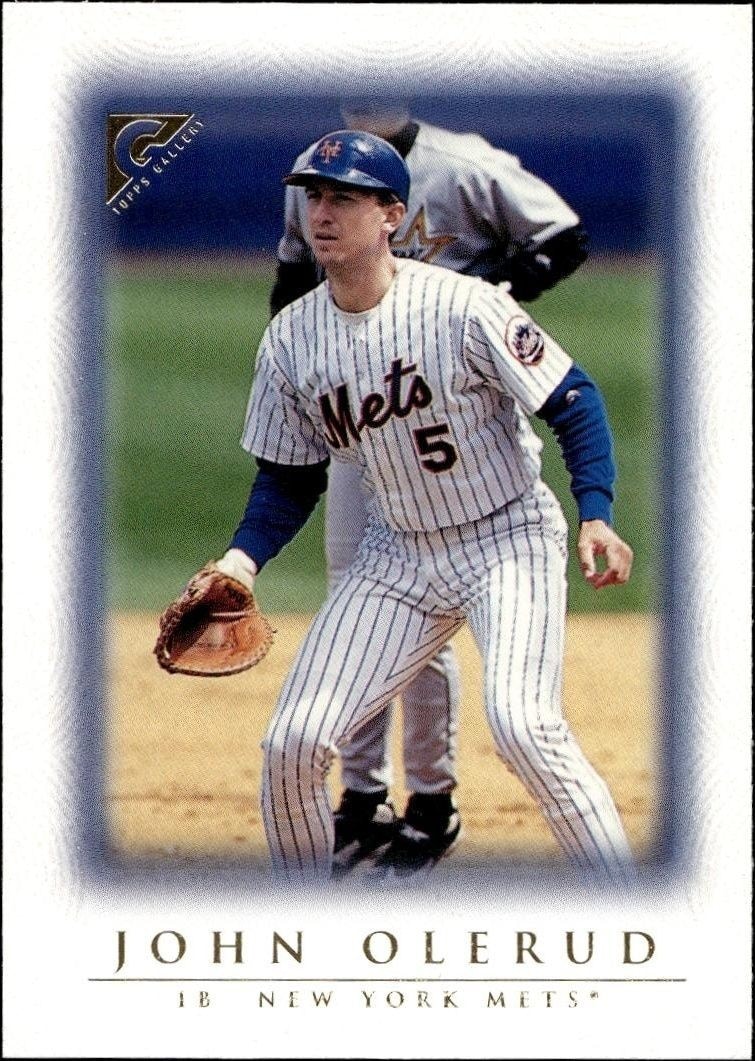
The 1997 Pinnacle Score baseball card featuring John Olerud (Card #76) captures a specific moment in Toronto Blue Jays history for vintage sports card collectors.
History is building. At least two days of matching observations are needed to show a trend.
Each point is the last stored observation that day for this printing, condition, grader, autograph status and source. Gaps mean no observation; guide estimates and asking prices are not completed sales.
Product Overview
Description
The 1997 Pinnacle Score baseball card featuring John Olerud (Card #76) represents a distinct era in sports card collecting, appealing to enthusiasts of the Toronto Blue Jays and vintage baseball memorabilia. As a product from the late 1990s, this card serves as a tangible link to that period, offering collectors a way to preserve the legacy of players who defined the game during those years. For those building collections focused on specific teams or players, this release provides a standardized entry point for cataloging. Collectors often seek out cards from this brand due to its unique design elements and production quality that distinguish it from other releases of the time. Whether you are looking to complete a team set or add a notable player to your portfolio, this card offers a straightforward and authentic addition to your archive. The focus remains on the identity of the player and the specific year, allowing collectors to appreciate the card for what it is: a piece of baseball history from 1997. This approach ensures that the value is derived from the card's place in the hobby rather than fleeting market trends. For investors and long-term holders, understanding the set and year is crucial for accurate valuation and preservation. By focusing on the core attributes—John Olerud, the Toronto Blue Jays, and the 1997 Pinnacle Score set—collectors can make informed decisions about their acquisitions. This card stands as a representative example of the hobby's depth, connecting past and present through the shared passion for baseball.
Last Listing Activity
9/17/26
Seller Action
Have one of these to sell?
We'll pre-fill the product details from this catalog entry, so your listing lands on this exact page. Just add photos of your copy, pick its condition, and set your price.
Product Specs
Card Details
The catalog profile below summarizes the card identity, featured subject, and notable collectible traits.
Estimated delivery October 7, 2026 - October 9, 2026
Collector Ownership
Owned by Collectors
See how many public collections currently include this card.
0 collectors have this card
SuperCatch Expert Analysis
Market Value Insight
This 1997 Pinnacle Score card of John Olerud sits at the entry-level price tier within the broader baseball market, reflecting its status as a standard base insert rather than a premium parallel. While Olerud holds significant career acclaim, the lack of special attributes keeps this specific specimen trading at a modest value compared to his high-end rookie or autographed counterparts. It serves as an accessible acquisition point for collectors focusing on the mid-to-late 1990s Toronto Blue Jays roster without commanding a significant grading premium.
Rarity Breakdown
As a base card from the 1997 Pinnacle Score set, this item carries no serial numbering, short-print designations, or limited edition markings that would artificially constrain supply. The scarcity is driven solely by the natural attrition of ungraded base cards from a high-volume print run, making it widely available in the secondary market. Without parallel variations or unique attributes, the supply is effectively infinite relative to collector demand, preventing any rarity-driven price inflation.
Investment Outlook
The investment potential for this card is limited by its position as a common base issue, lacking the rookie-card premium or special parallel status that typically drives long-term appreciation. Collector demand is likely steady among those completing specific set runs or focusing on the 1997 season, but the absence of unique attributes restricts its ability to outperform the general market. It is best viewed as a functional component for set completion rather than a standalone asset for capital growth.