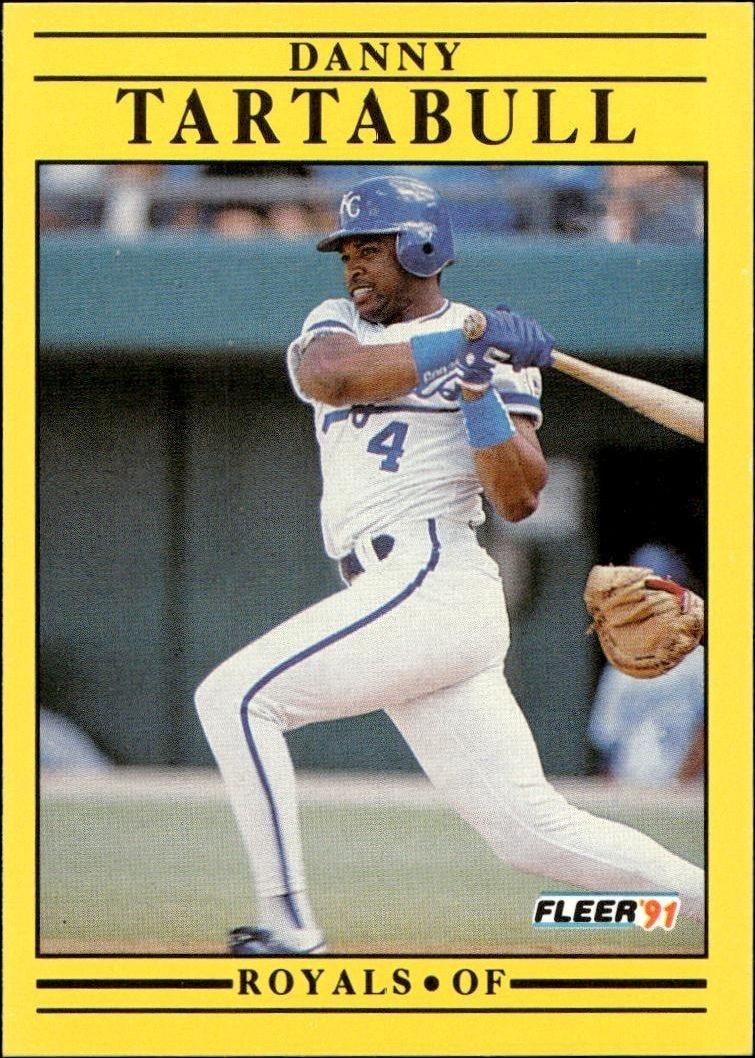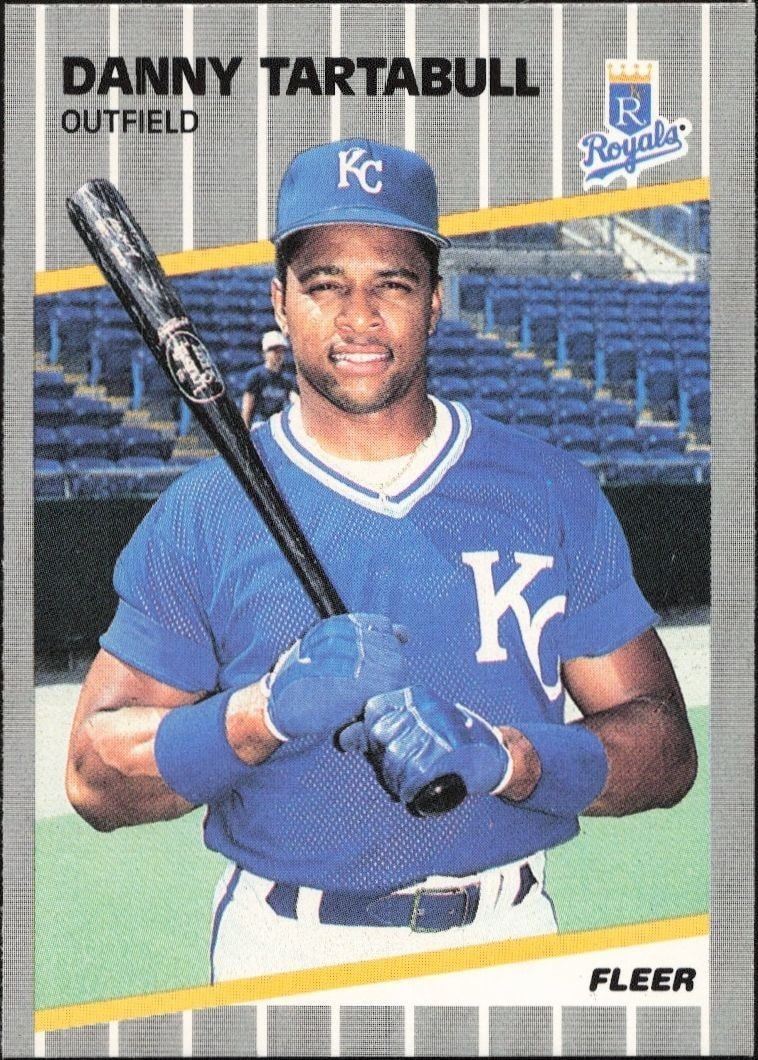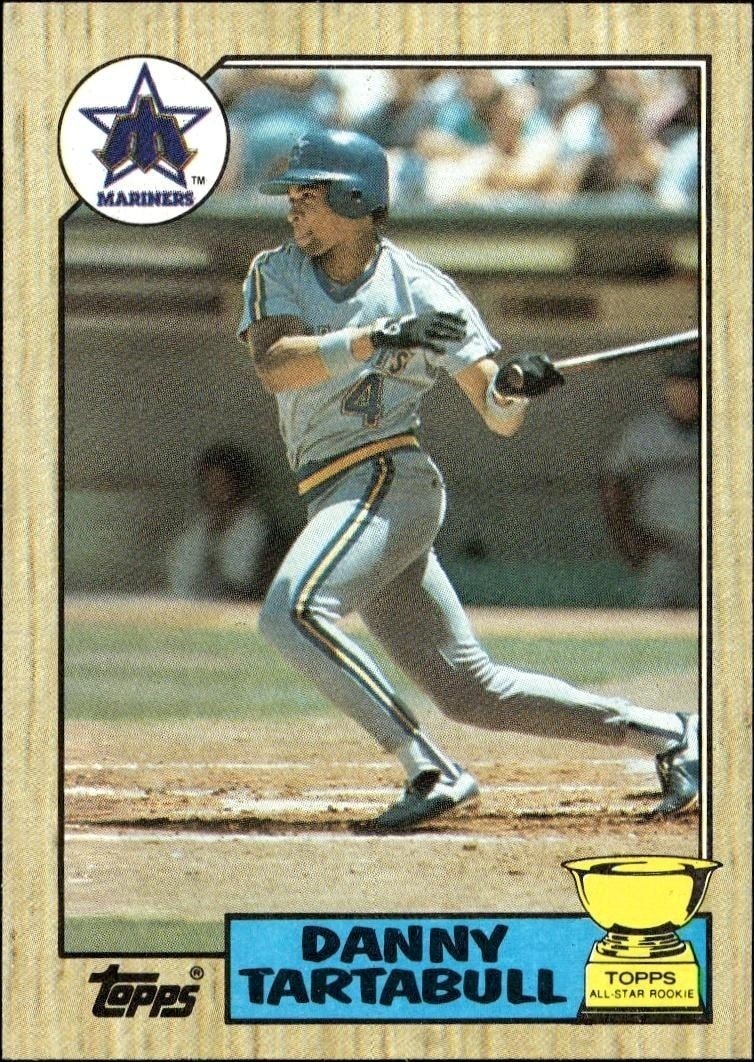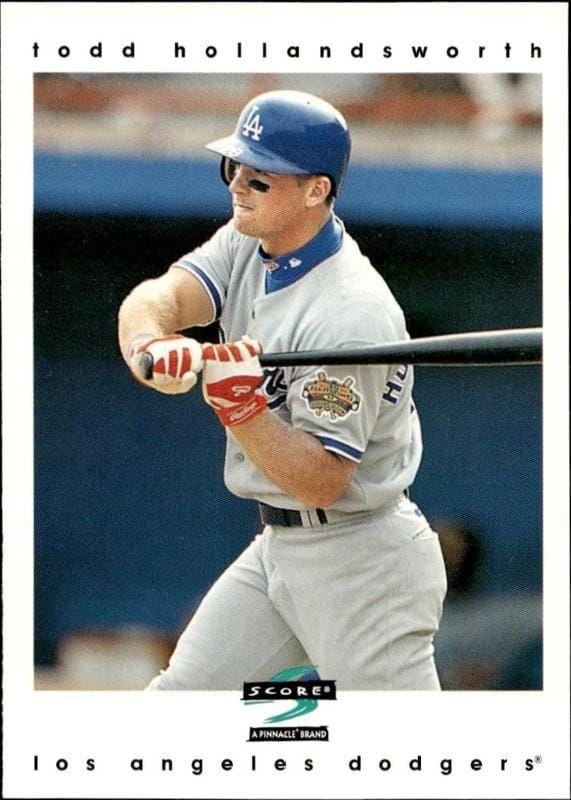






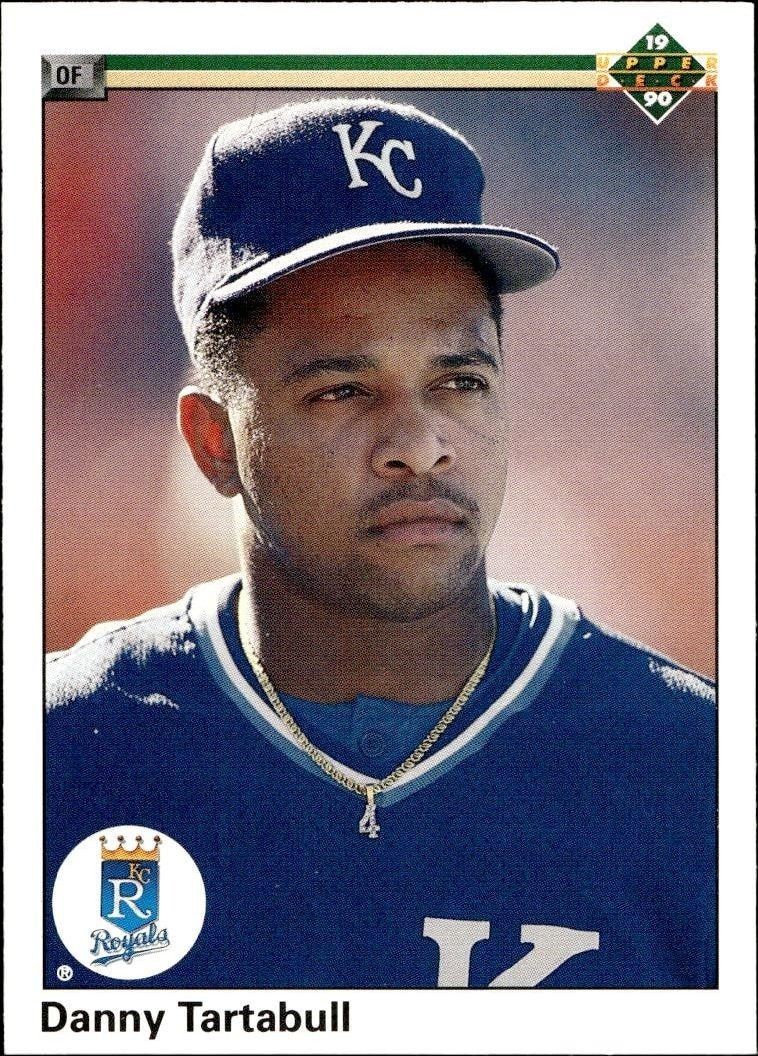

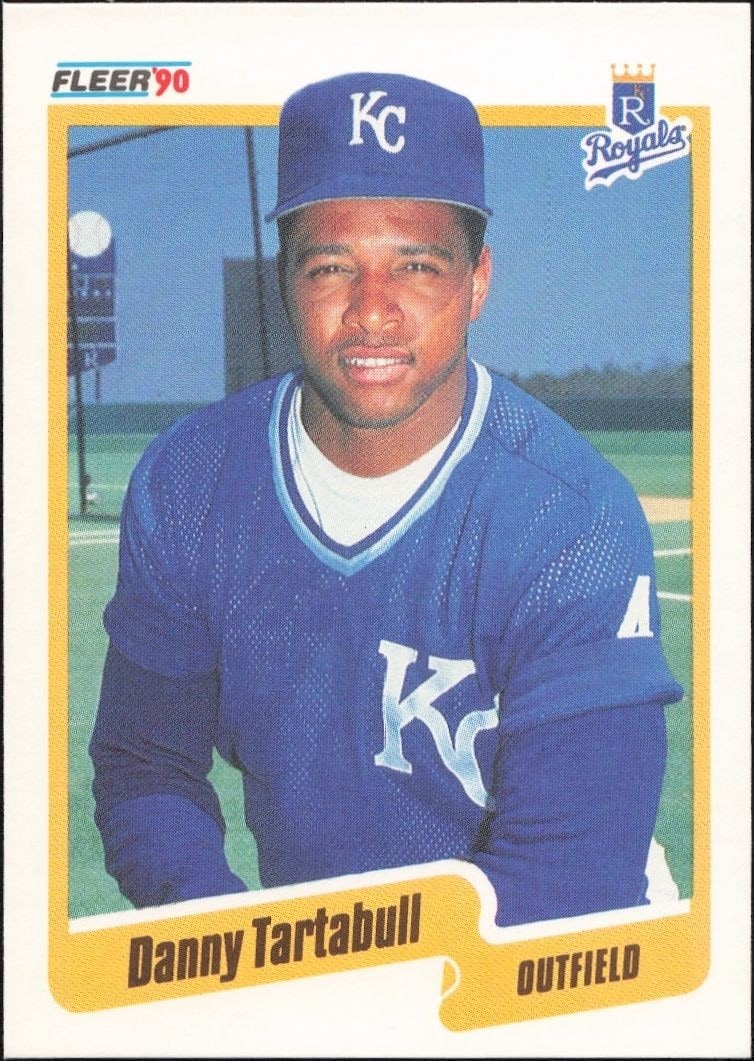
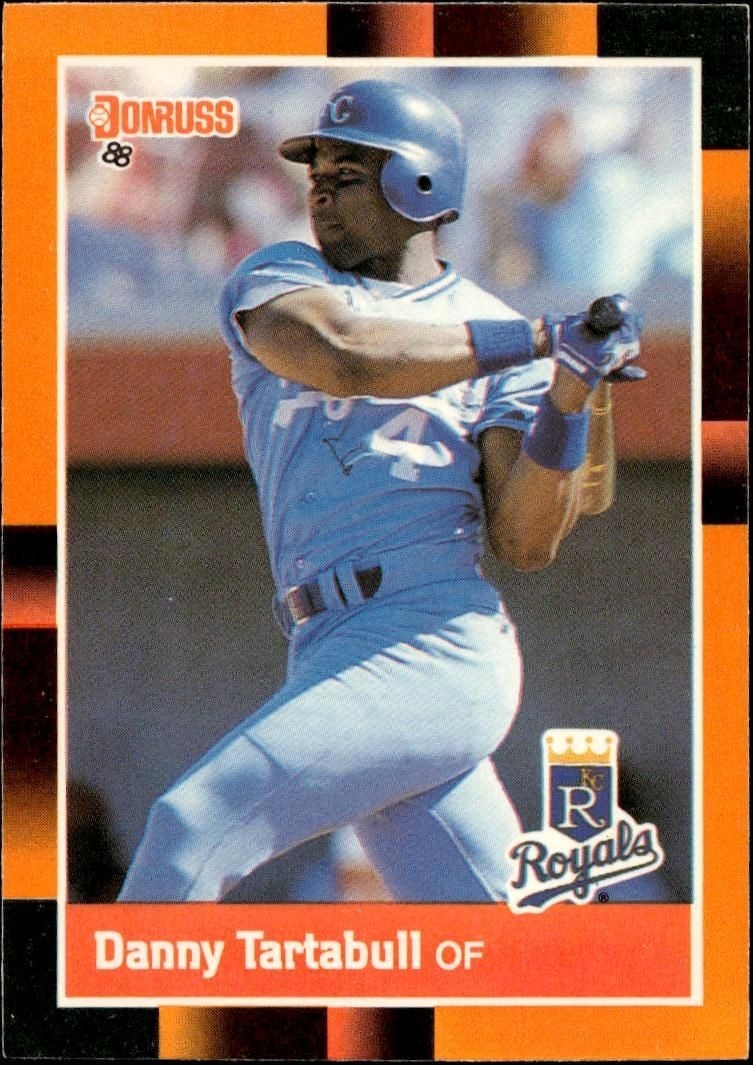


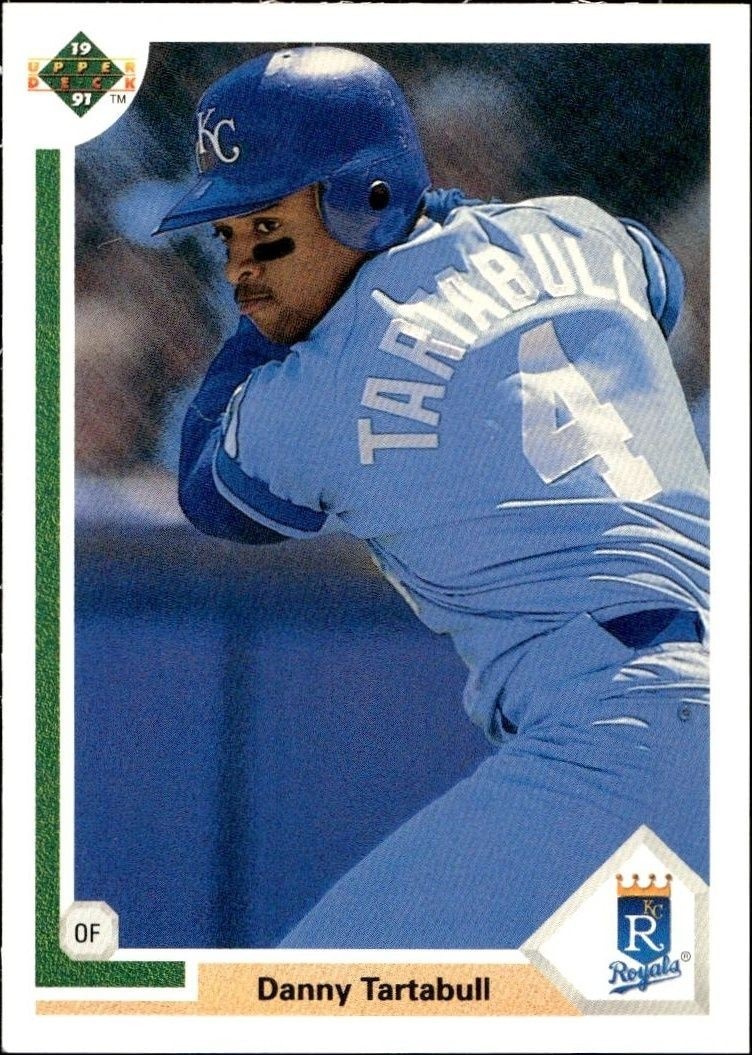

The 1997 Score #58 Danny Tartabull card captures the Chicago White Sox outfielder during his final MLB season, offering a distinct snapshot of late-90s baseball design.
1997 • Score
Major League Baseball • Chicago White Sox
Near Mint
58
New
Shipping Calculated at Checkout
30-day Returns| Condition | Value | Source | Trend | Price Details |
|---|---|---|---|---|
$1.15 | Asking Prices | 0% | ||
Raw / Ungraded
eBay Active Listings · Asking Prices evidence · captured Oct 19, 2026
The 1997 Score Danny Tartabull #58 card represents a specific moment in Major League Baseball history, documenting the outfielder's tenure with the Chicago White Sox. Collectors often seek this card to complete base set collections or to add a piece of White Sox roster history to their shelves. Danny Tartabull spent a significant portion of his career in the American League, and this card reflects his time with the White Sox during the 1997 season. For hobbyists focused on team-specific collections, this card serves as a vital component for those building comprehensive archives of Chicago White Sox players from the 1990s. The Score brand has long been a staple in the trading card industry, known for producing consistent annual releases that capture the essence of each MLB season. The #58 designation places this card within the standard numbering sequence of the 1997 set, making it easily identifiable for cataloging and trading purposes. Whether you are a long-time fan of Tartabull’s career or a dedicated collector of 1990s baseball memorabilia, this card offers a tangible connection to the era. The enduring appeal of vintage sports cards lies in their ability to preserve the visual identity of athletes who shaped the game. Finding a high-quality example of the 1997 Score Danny Tartabull card can be a rewarding pursuit for those who appreciate the simplicity and nostalgia of mid-90s design aesthetics. Investing in cards from this period allows collectors to own a piece of history that predates the modern explosion of parallel variants and autograph inserts. The Score set remains a popular choice for beginners and veterans alike due to its accessibility and widespread distribution during its release. For those interested in the Chicago White Sox franchise, Tartabull’s presence on the roster during this time adds a layer of historical context to the collection.
2 days ago
We'll pre-fill the product details from this catalog entry, so your listing lands on this exact page. Just add photos of your copy, pick its condition, and set your price.
The catalog profile below summarizes the card identity, featured subject, and notable collectible traits.
The subject, team, league, and sport context tied to this card.
Production details and format-specific attributes.
Material
Card Stock
Language
English
Compare prices, grades, photos, and shipping from approved sellers.
New
Near Mint
See how many public collections currently include this card.
0 collectors have this card
This 1997 Score card represents a baseline entry point for Danny Tartabull collectors, reflecting his status as a solid but not elite MLB hitter from that era. As a standard issue from a mainstream brand, it trades at a modest premium over raw bulk cards but lacks the valuation drivers of high-grade or specialty parallels. The current market suggests steady, low-volatility demand typical of common baseball cards from the mid-90s.
The card carries no special scarcity attributes such as serial numbering, short-print status, or one-of-one designations, placing it firmly in the base set category. This means the supply is determined by the original print run of the 1997 Score baseball set, which is generally high and widely available. Consequently, the card does not benefit from the supply constraints that drive value in limited-edition or parallel versions of the same player.
As a non-rookie card from a standard set, this item lacks the rookie-card premium mechanics that typically drive long-term appreciation for players with significant career achievements. Collector interest is likely driven by nostalgia for the 1990s baseball era and specific team affiliations, particularly with the Chicago White Sox. Investors should view this as a low-cost acquisition for portfolio diversification rather than a primary growth asset, given the absence of unique scarcity or high-grade availability constraints.