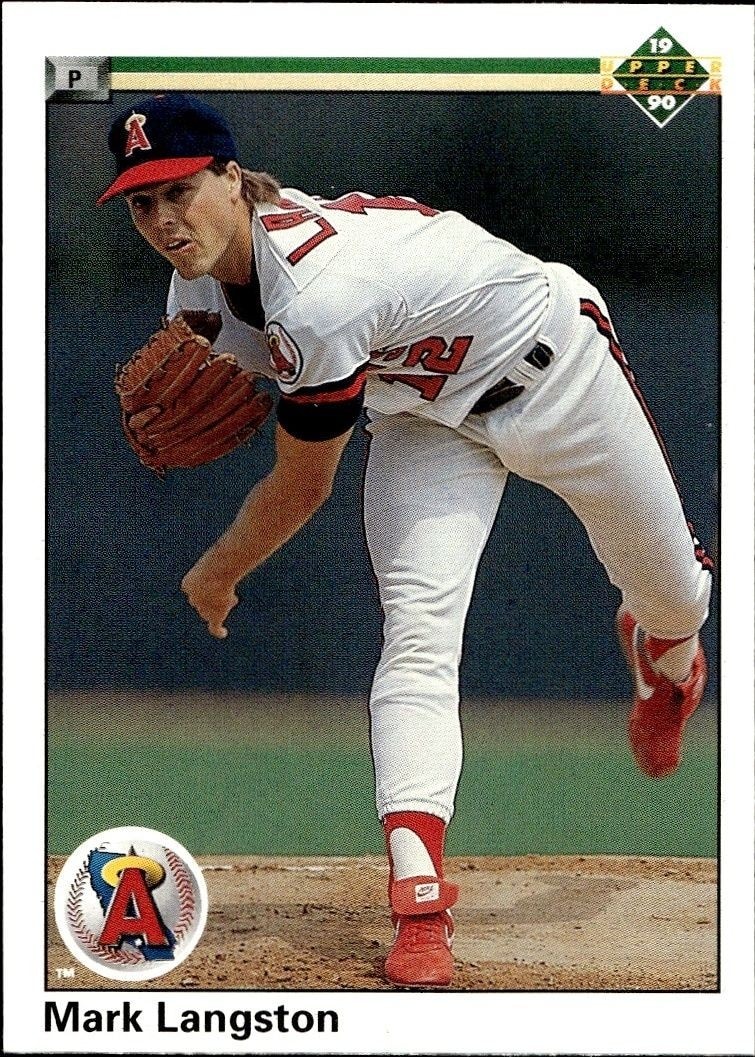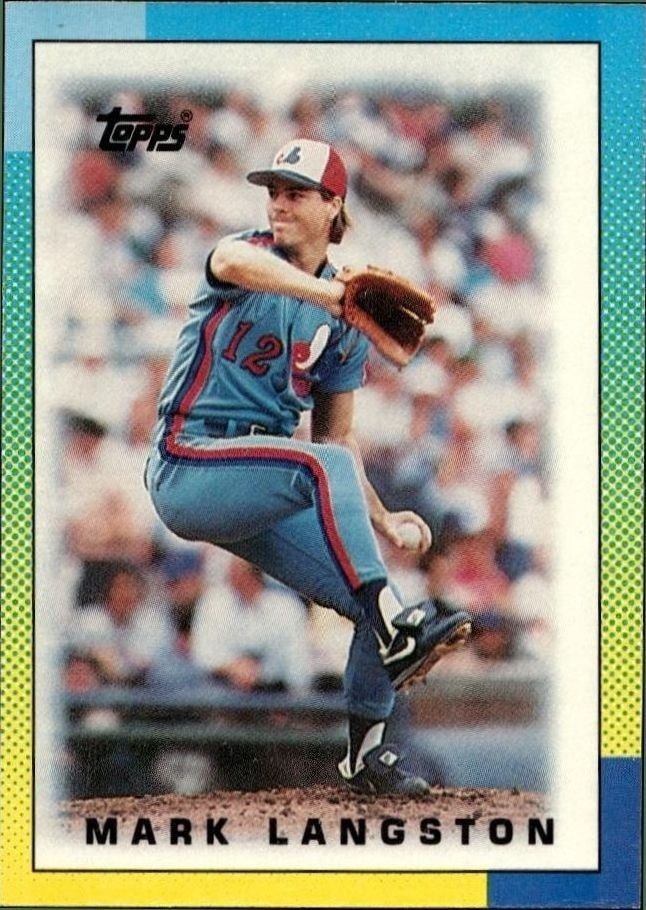


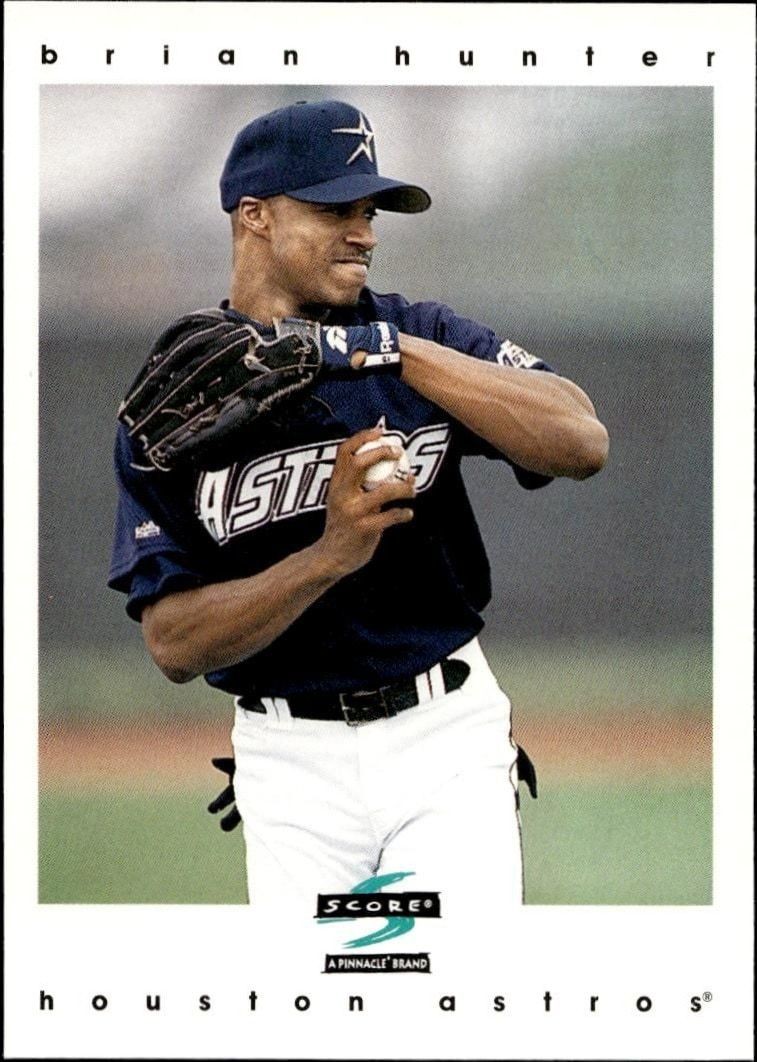

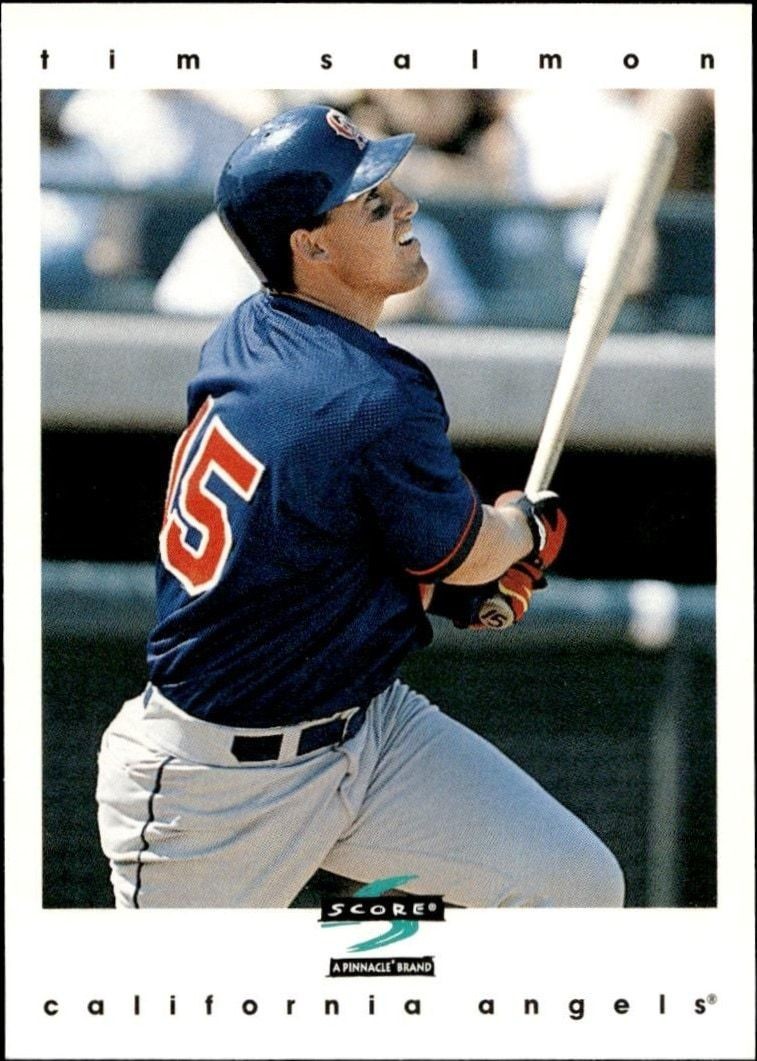

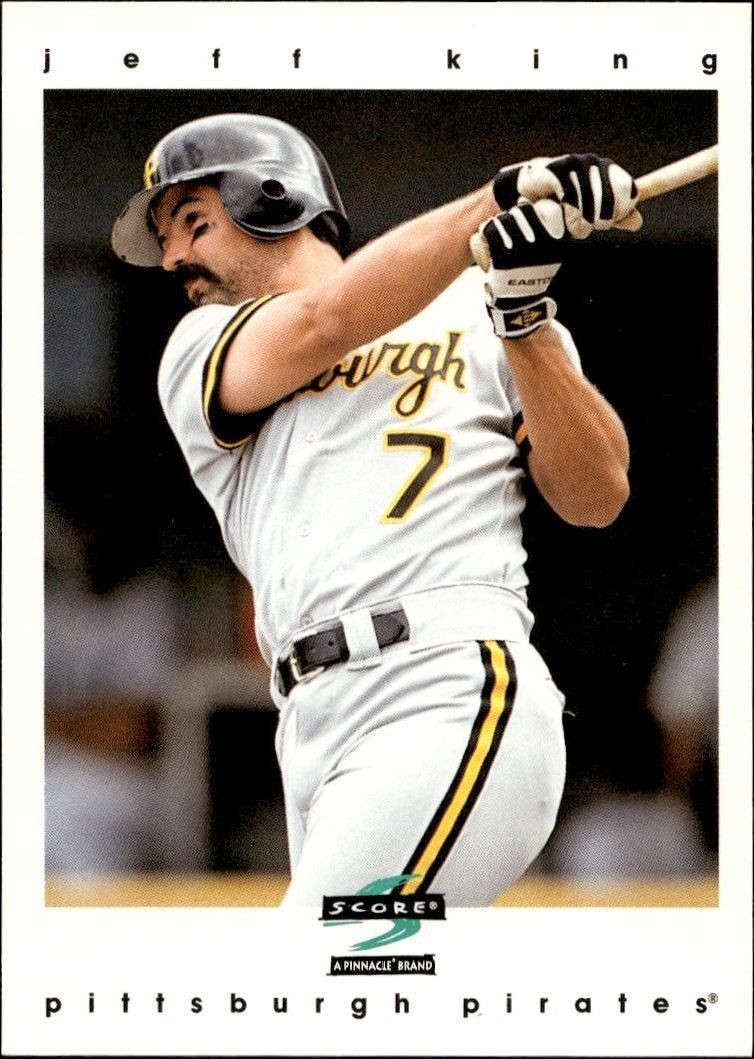


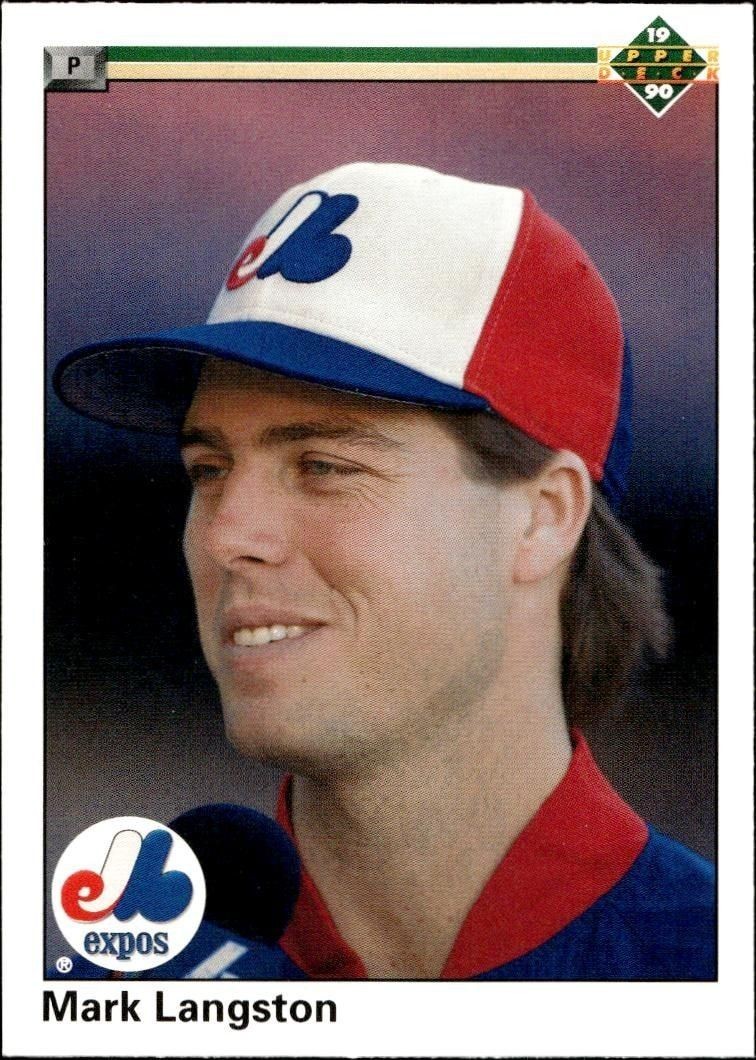
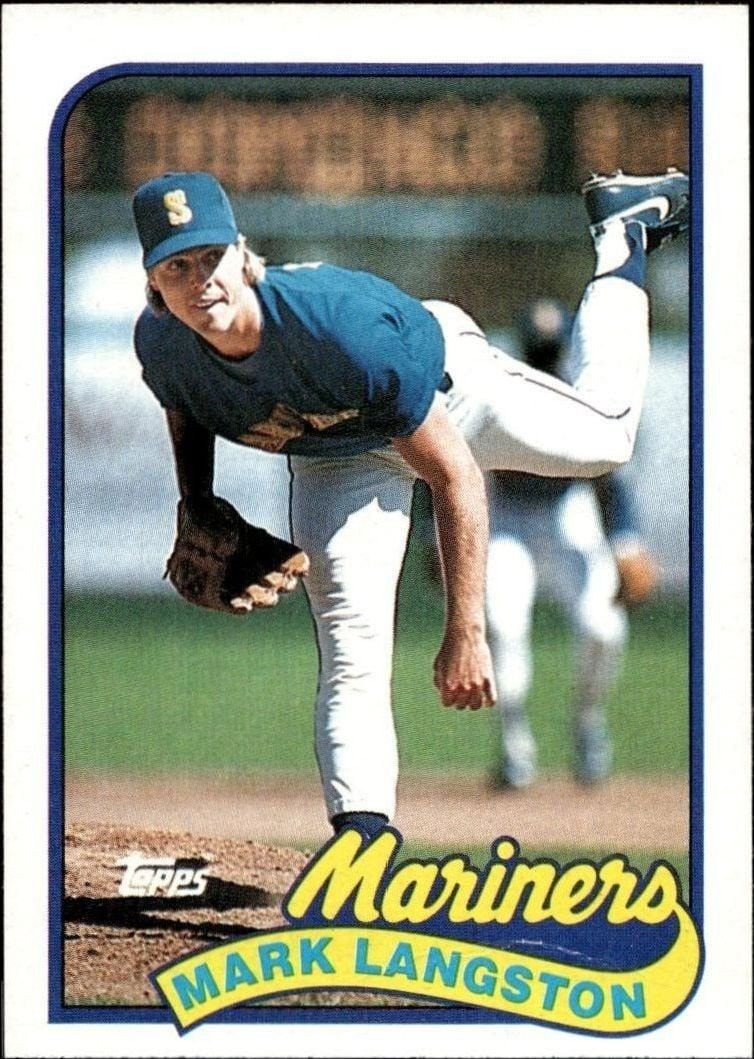
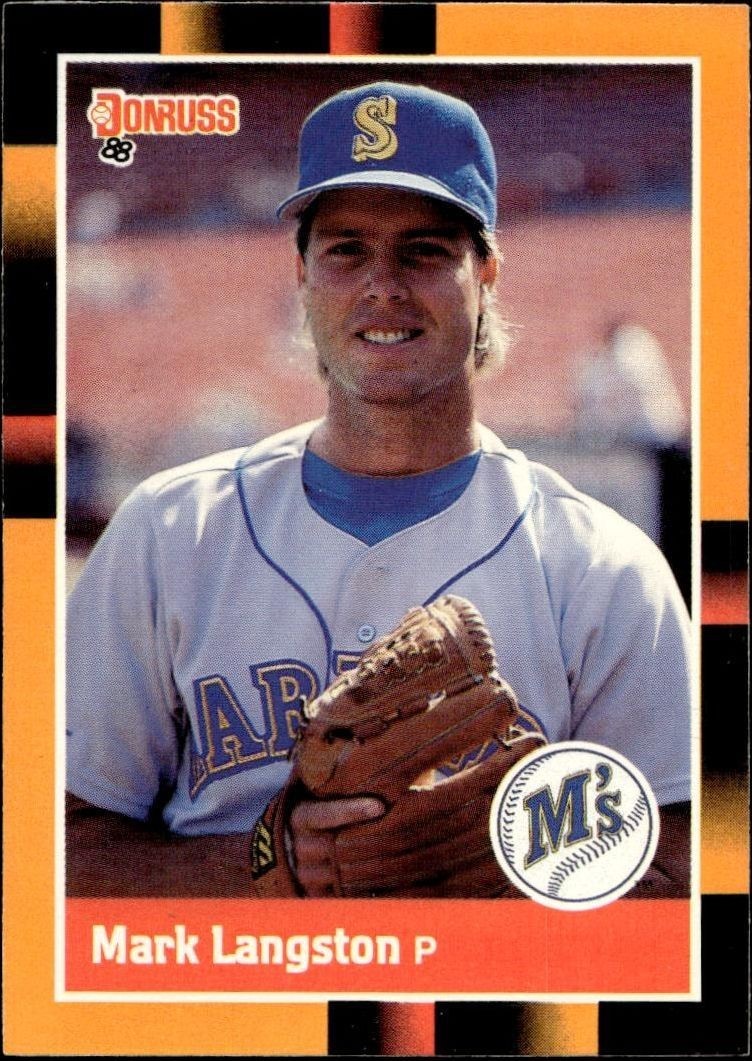
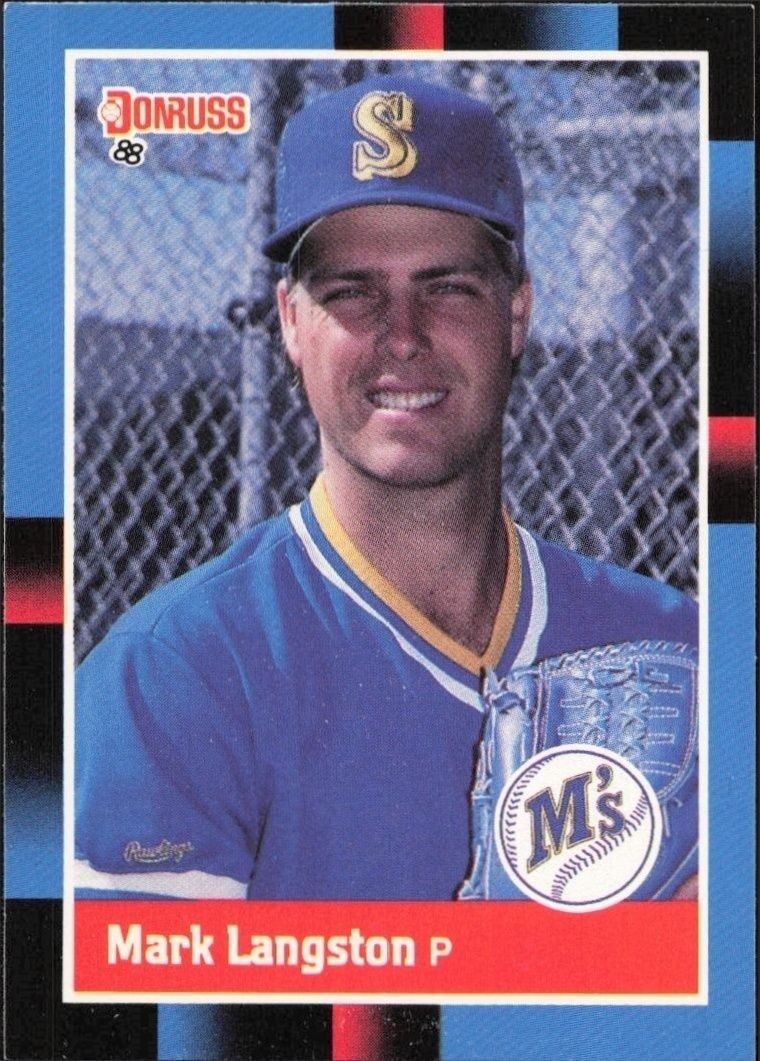
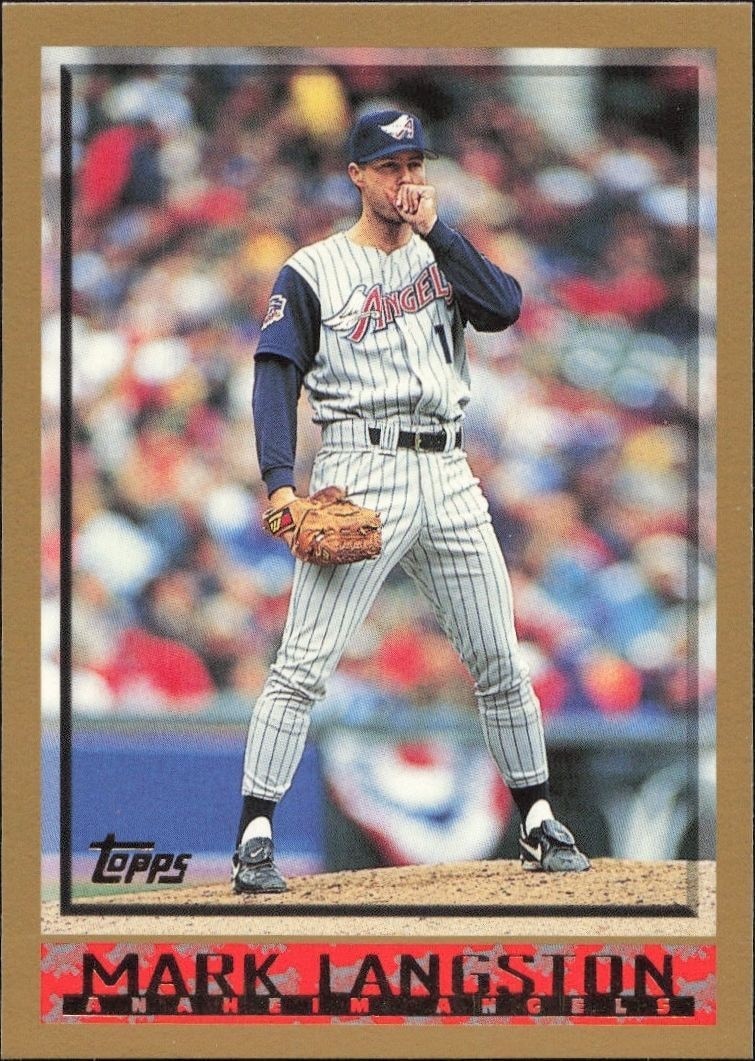
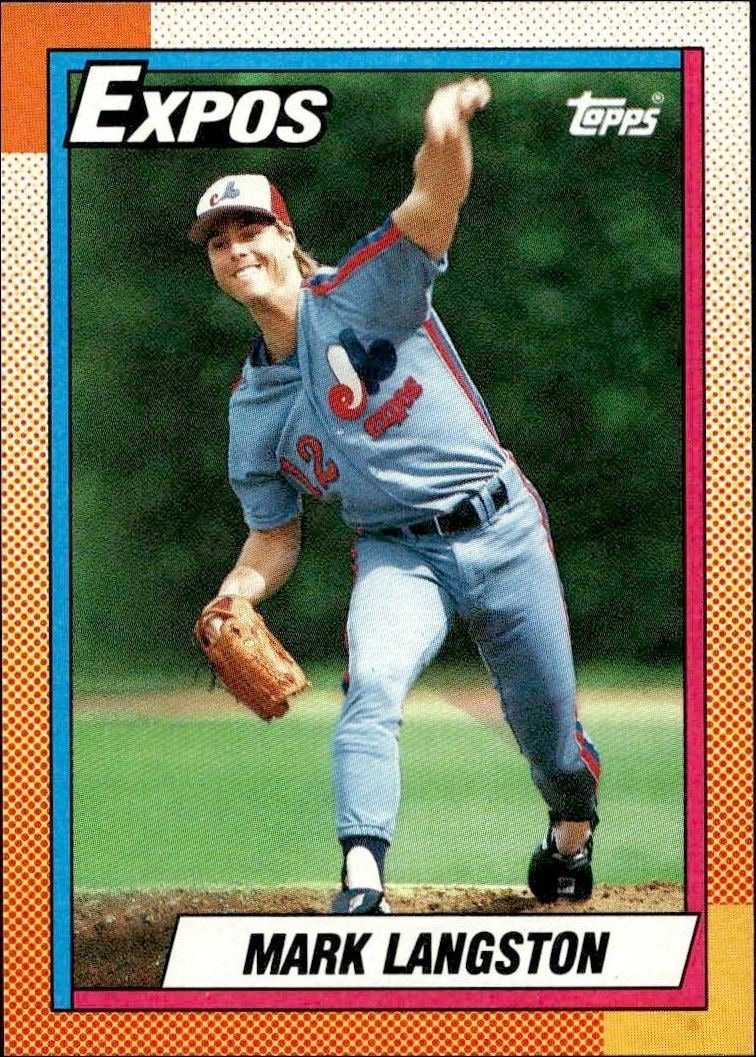

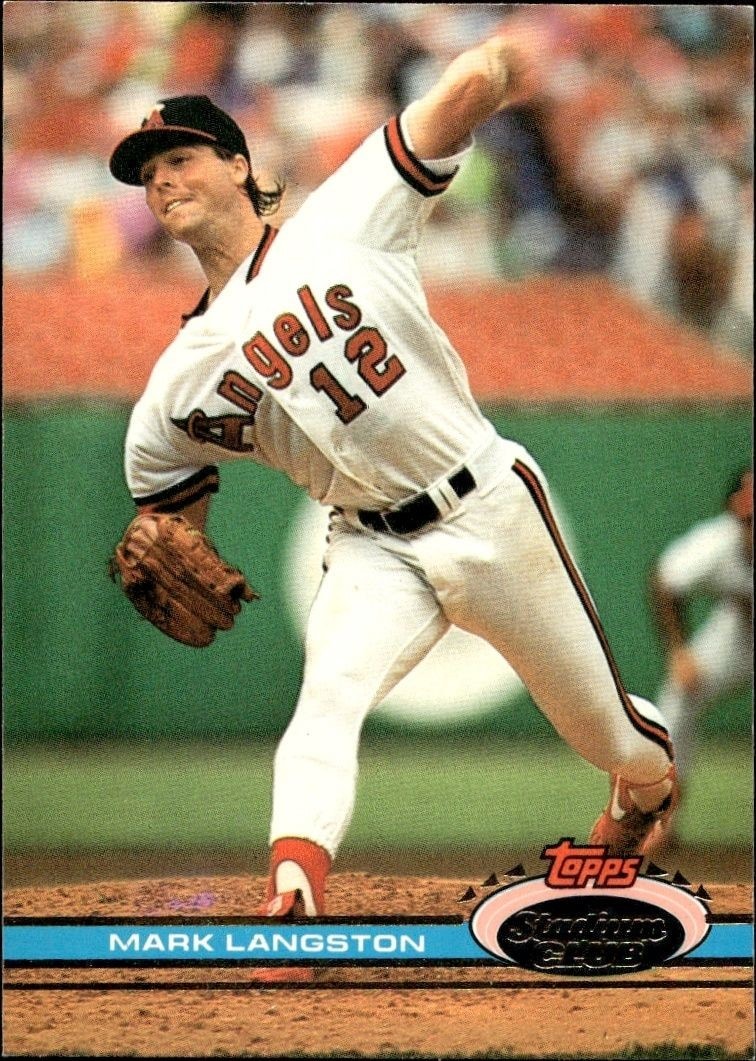
Discover the 1997 Score Mark Langston #287 baseball card, a classic release from the iconic Score brand featuring the Los Angeles Angels player.
1997 • Score
Major League Baseball • Los Angeles Angels
Near Mint
287
New
Shipping Calculated at Checkout
This seller is away until 10/19/2026 — orders are still accepted and ship after they return.30-day Returns| Condition | Value | Source | Trend | Price Details |
|---|---|---|---|---|
$0.99As of 10/1/2026 | Asking Prices | |||
Raw / Ungraded
eBay Active Listings · Asking Prices evidence · captured Oct 1, 2026
History is building. At least two days of matching observations are needed to show a trend.
Each point is the last stored observation that day for this printing, condition, grader, autograph status and source. Gaps mean no observation; guide estimates and asking prices are not completed sales.The 1997 Score Mark Langston #287 baseball card represents a distinct era in sports trading card history, capturing the visual style of the late 1990s. Collectors often seek out this card number to complete their set collections or to add a reliable piece to their personal archives of vintage baseball memorabilia. Mark Langston, featured on card #287, brings a sense of nostalgia for fans of the Los Angeles Angels. While the card itself does not claim any special parallel treatment or autograph authentication, its value lies in its place within the broader Score brand legacy. The Score brand was known for its mass-market appeal and consistent quality, making cards like this one a staple for both new and experienced hobbyists. For investors and set builders alike, the 1997 Score Mark Langston #287 offers a tangible connection to the sport's past. It serves as an accessible entry point for those looking to explore the diversity of the baseball card market without the high premiums associated with rookie cards or rare parallels. Whether you are looking to round out a decade-specific collection or simply appreciate the aesthetics of 1990s card design, this product stands as a solid addition to any catalog. When considering this card, remember that its appeal is rooted in its identity as a standard issue from a major manufacturer. It does not require special handling for autographs or game-used materials, making it a straightforward and durable component of any sports card portfolio.
9 hours ago
We'll pre-fill the product details from this catalog entry, so your listing lands on this exact page. Just add photos of your copy, pick its condition, and set your price.
The catalog profile below summarizes the card identity, featured subject, and notable collectible traits.
The subject, team, league, and sport context tied to this card.
Production details and format-specific attributes.
Material
Card Stock
Language
English
Compare prices, grades, photos, and shipping from approved sellers.
New
Near Mint
See how many public collections currently include this card.
0 collectors have this card
This 1997 Score card represents a mass-produced base issue, positioning it firmly in the lower tier of Mark Langston’s collectible market. While Langston was a prominent All-Star pitcher for the Angels, the ubiquity of this specific set and year means it commands minimal premium compared to his vintage or specialized parallels. The current valuation reflects its status as a common entry-level piece rather than a significant investment asset.
The item lacks any special attributes such as serial numbering, short-print designations, or parallel variations, indicating it is a standard base card from the 1997 Score set. This absence of scarcity mechanics results in high supply availability, which naturally suppresses individual card value. Without unique identifiers or limited edition markers, the card relies entirely on its condition for any marginal differentiation from the broader population.
As a non-rookie base card from a mid-1990s mass-market brand, this item offers limited upside for long-term appreciation. Collector demand for this specific iteration is driven primarily by low-cost portfolio filling rather than speculative growth. Investors should view this as a low-risk, low-reward asset suitable for completing basic sets rather than capitalizing on market volatility.