
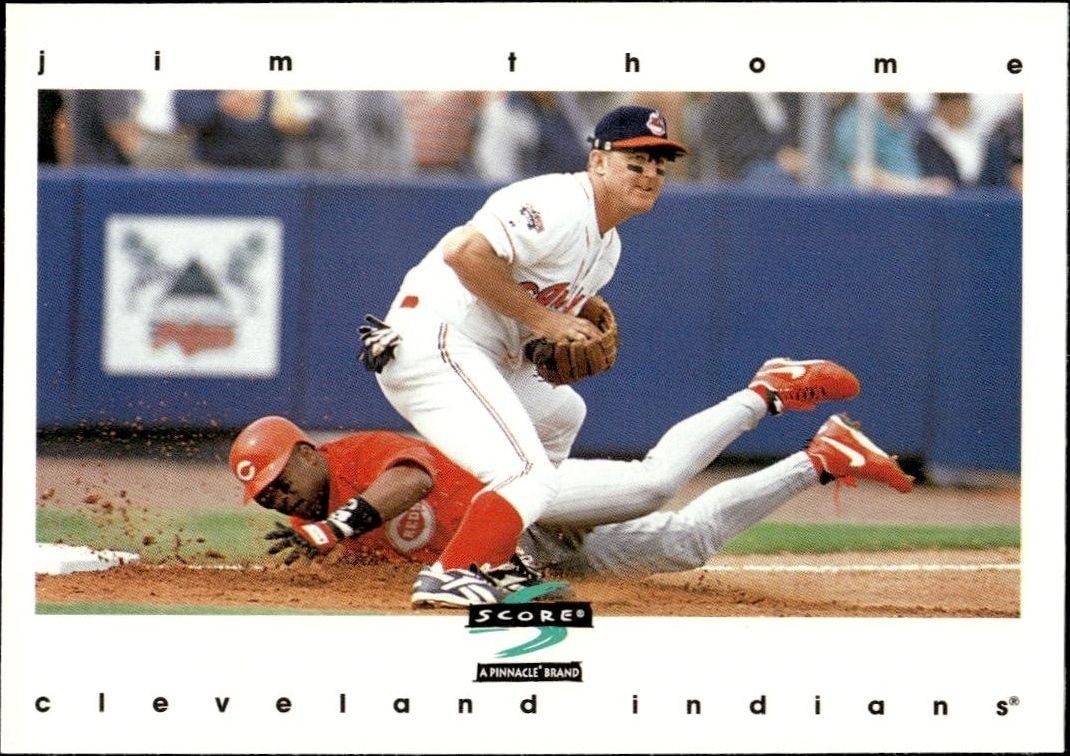


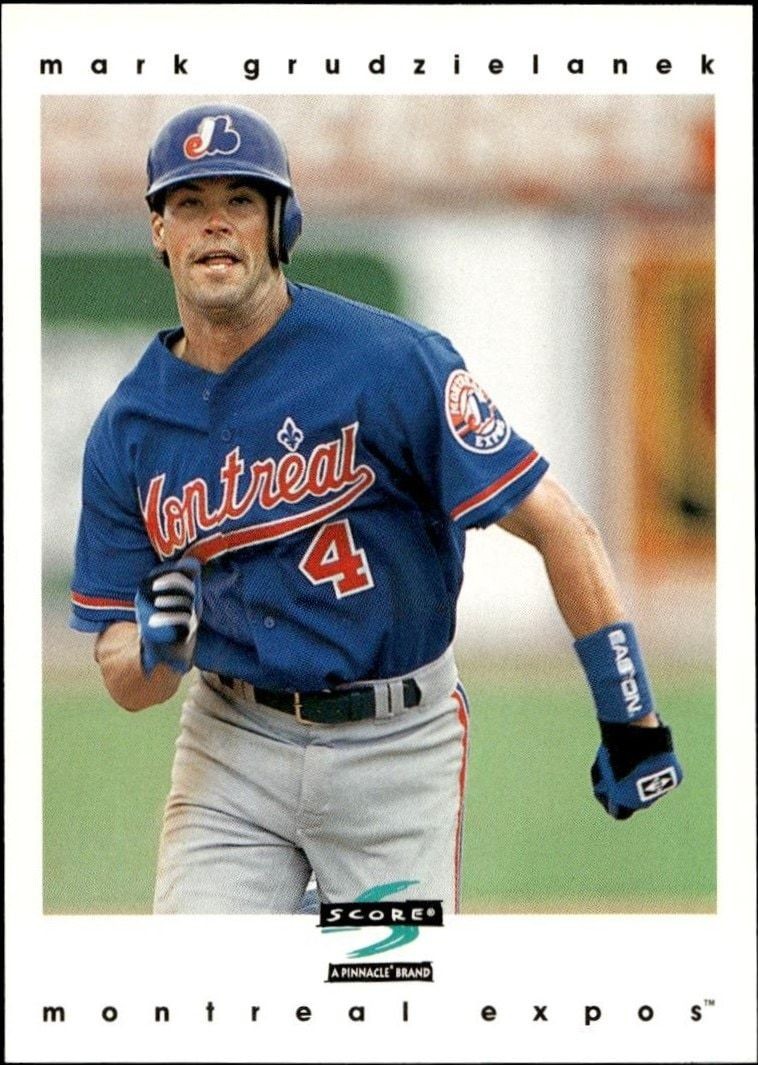
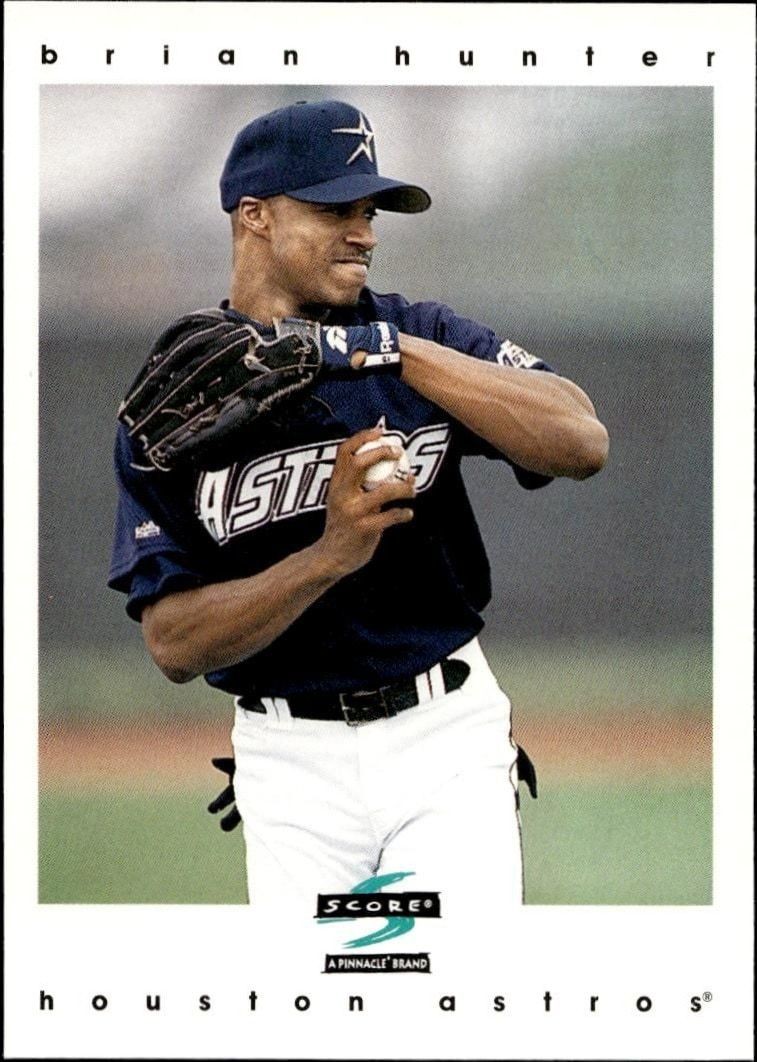

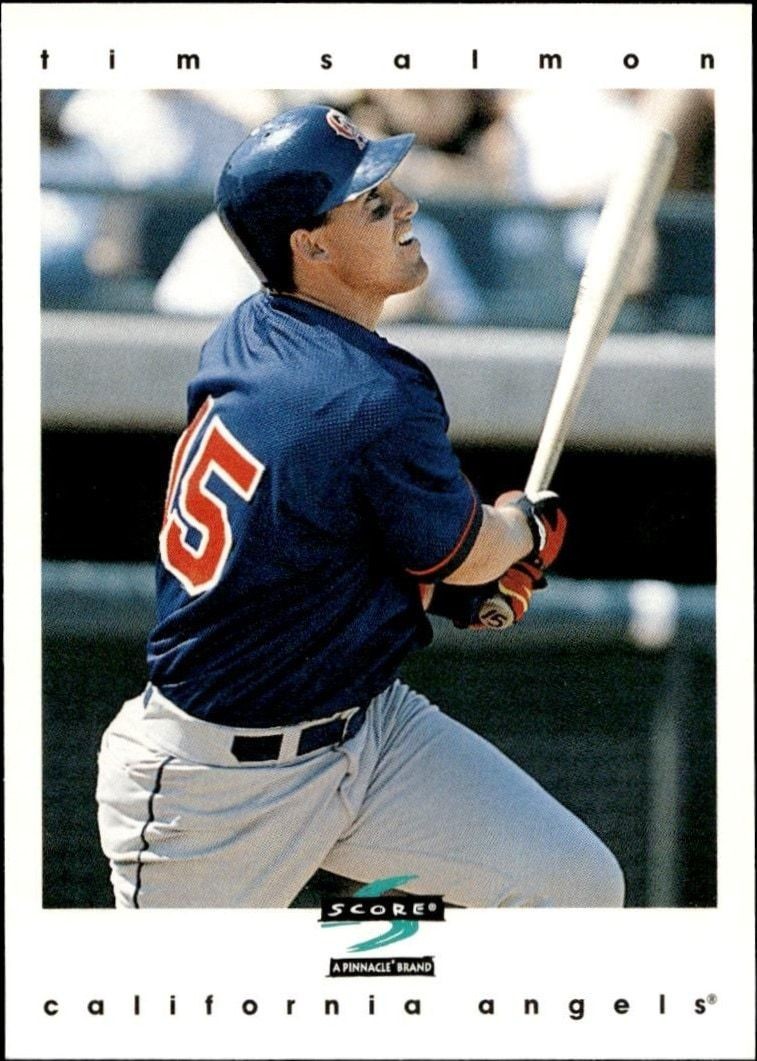

Explore the 1997 Score Mark Thompson baseball card, cataloged as number 240. This release features the Colorado Rockies player within the iconic 1997 Score brand design.
1997 • Score
Major League Baseball • Colorado Rockies
Near Mint
240
New
Shipping Calculated at Checkout
This seller is away until 10/19/2026 — orders are still accepted and ship after they return.30-day Returns| Condition | Value | Source | Trend | Price Details |
|---|---|---|---|---|
$1.67 | Guide Estimate | 0% | ||
Raw / Ungraded
PriceCharting Price Guide · Guide Estimate evidence · captured Oct 16, 2026
The 1997 Score Mark Thompson card, numbered 240, captures a specific moment in baseball history through the lens of one of the era's most recognizable brands. For collectors of vintage baseball cards, this release offers a tangible connection to the late 1990s landscape of the sport. Mark Thompson is featured prominently on card number 240, representing his time with the Colorado Rockies. The Score brand was a staple in hobby boxes during this period, producing high-quality images and consistent formatting that made completing base sets a rewarding challenge. Collectors often seek out these cards to build comprehensive collections or to add specific team representatives to their groupings. Whether you are a fan of the Colorado Rockies or simply appreciate the aesthetic of 1990s sports card design, the 1997 Score Mark Thompson #240 holds a distinct place in the hobby. The card's identity is rooted in its year, brand, and player association, making it a clear identifier for those tracking specific eras of baseball memorabilia. Collecting vintage baseball cards is about more than just owning a piece of paper; it is about preserving the history of the game and the players who shaped it. This card serves as a record of Mark Thompson's career and his contribution to the Colorado Rockies during the 1997 season. As you explore the market for this product, consider the broader context of the 1997 Score set and its significance in the trading card world. The enduring appeal of these cards lies in their ability to evoke nostalgia and provide a structured way to engage with baseball history. For those interested in building a collection that spans different decades, including this 1997 release can add depth and variety. The Score brand's reputation for quality production ensures that these cards remain a favorite among collectors who value design and historical accuracy. By focusing on the attributes of the 1997 Score Mark Thompson #240, collectors can appreciate the card on its own merits while also understanding its place within the larger narrative of baseball trading cards.
12 hours ago
We'll pre-fill the product details from this catalog entry, so your listing lands on this exact page. Just add photos of your copy, pick its condition, and set your price.
The catalog profile below summarizes the card identity, featured subject, and notable collectible traits.
The subject, team, league, and sport context tied to this card.
Production details and format-specific attributes.
Material
Card Stock
Language
English
Compare prices, grades, photos, and shipping from approved sellers.
New
Near Mint
See how many public collections currently include this card.
0 collectors have this card
This 1997 Score card of Mark Thompson represents a low-tier entry point within the broader baseball market, reflecting its status as a common base card from a mass-produced set. While the current market price indicates modest liquidity, the lack of special attributes or grading premiums keeps it firmly in the bulk-category pricing tier. It serves more as a supplemental piece for deep set completion rather than a standalone value holder compared to premium parallels or autographed variants from the same era.
As a standard base card without noted parallel finishes, serial numbering, or short-print designations, this item carries no inherent scarcity mechanics to constrain its supply. The absence of unique identifiers means it exists in high volume relative to its collector base, resulting in a straightforward supply-and-demand dynamic typical of unadorned base inserts. Consequently, the card does not benefit from the limited-edition premiums that drive value in other subsets of the 1997 Score set.
The outlook for this specific item is limited by its position as a non-premium base card, which typically experiences minimal appreciation over time unless the player achieves significant historical recognition. Collectors generally prioritize autographed, rookie, or high-numbered parallel versions of players from this era, leaving standard base cards with slower turnover and lower demand drivers. Without unique attributes to differentiate it, its long-term value retention relies entirely on the general stability of the 1990s baseball market rather than specific card merits.


