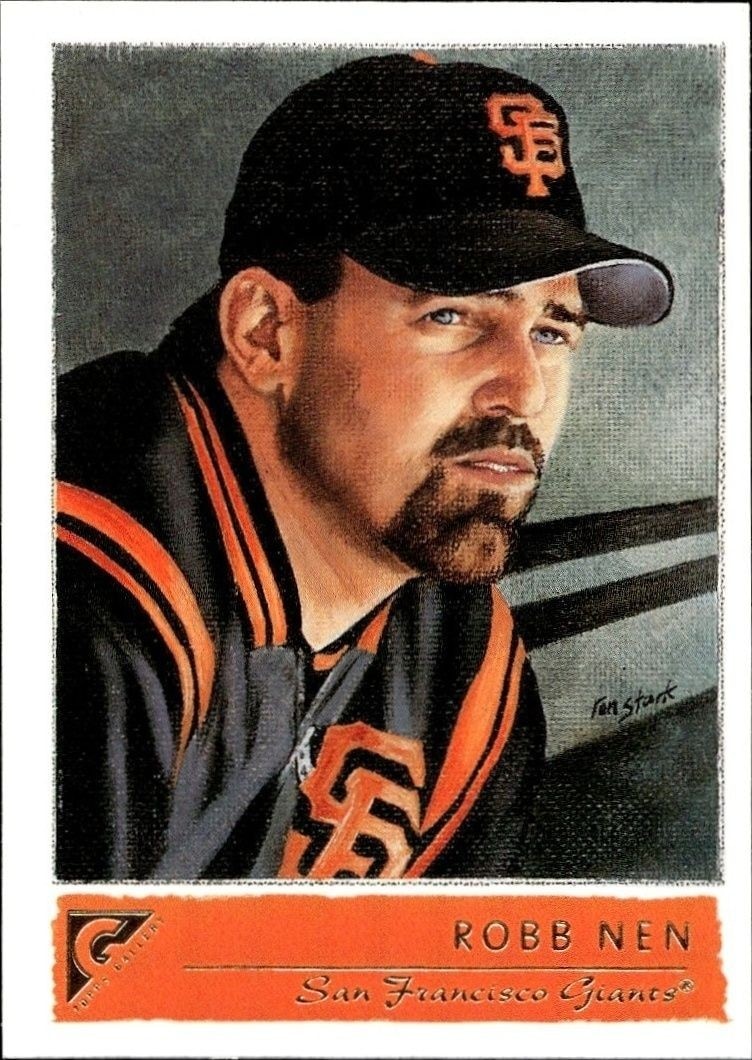




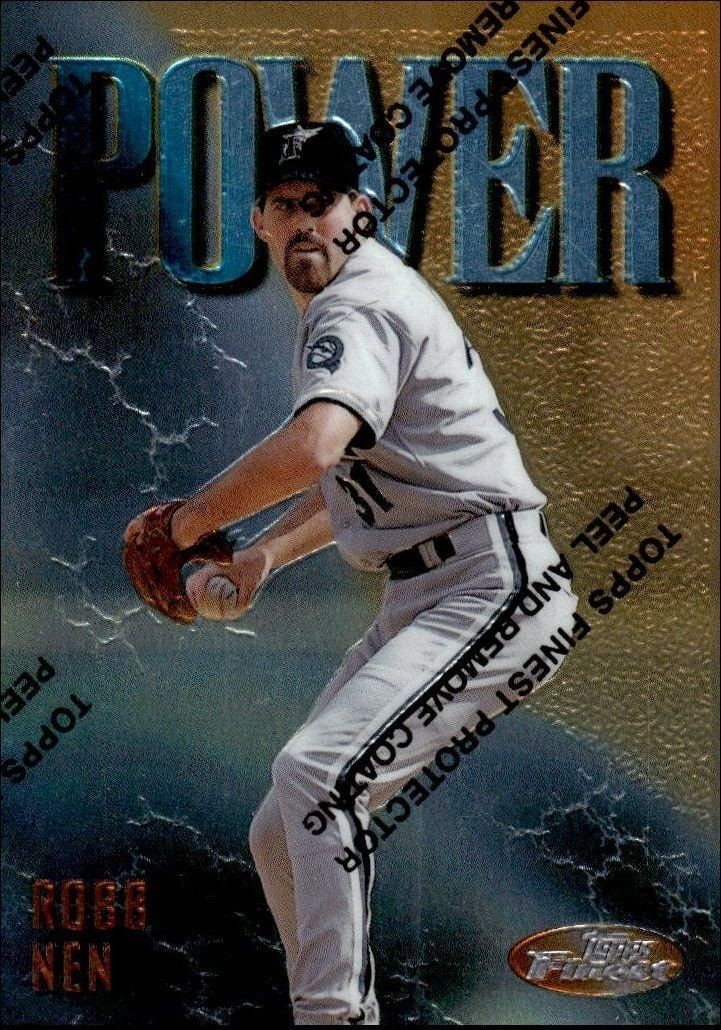


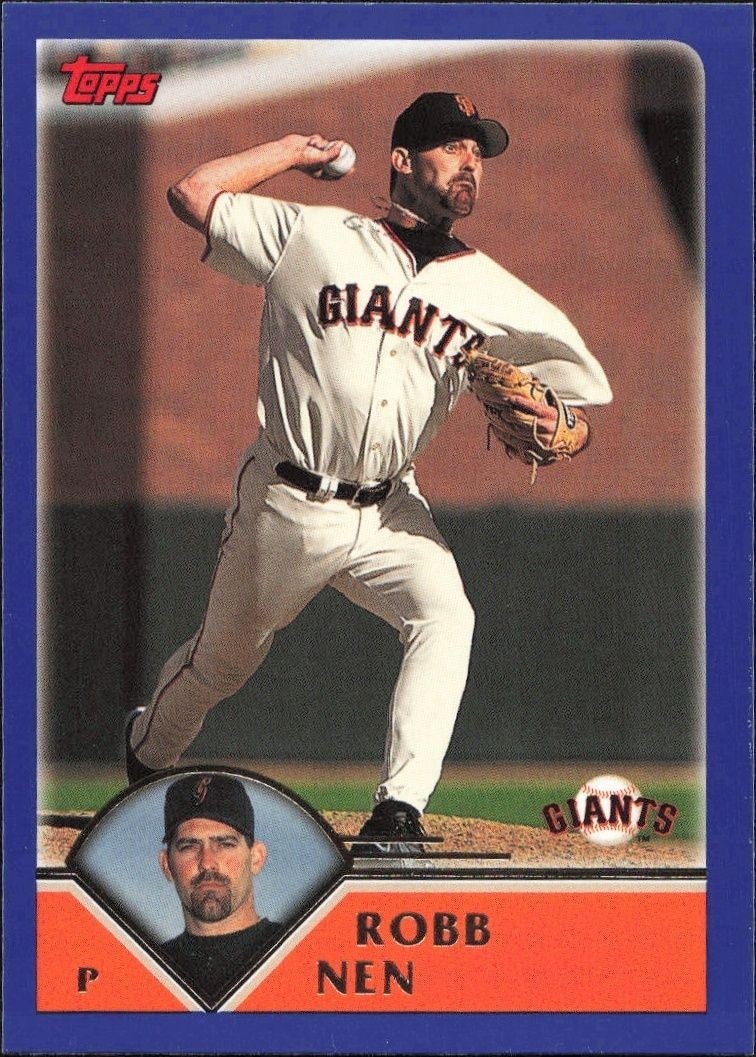
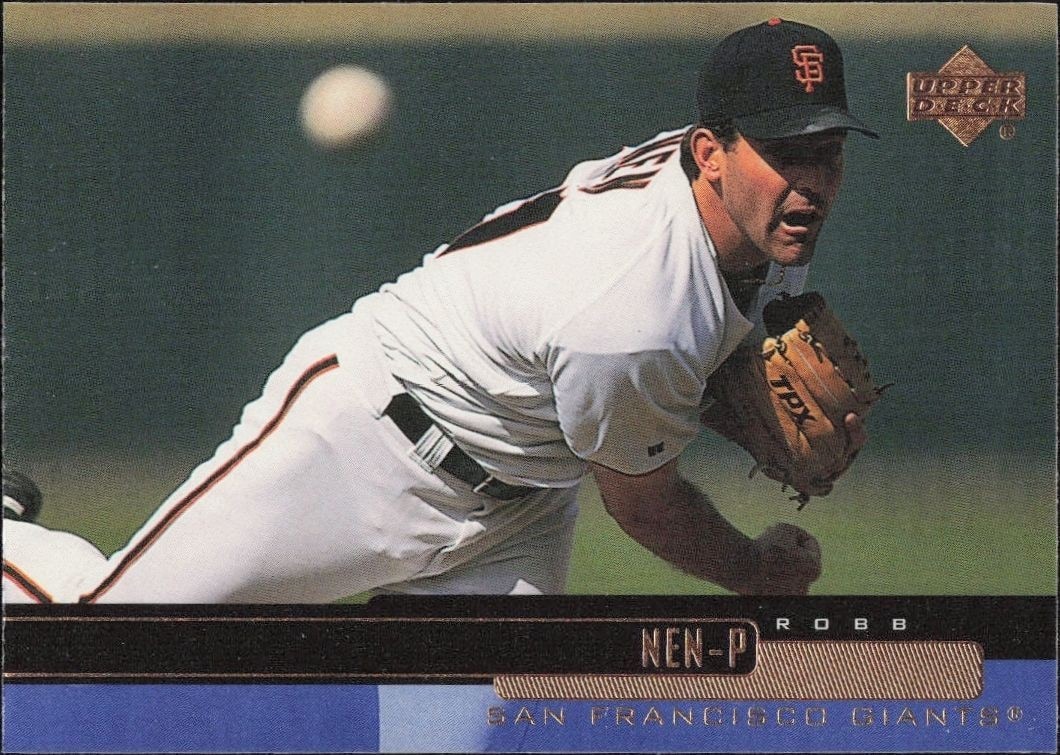
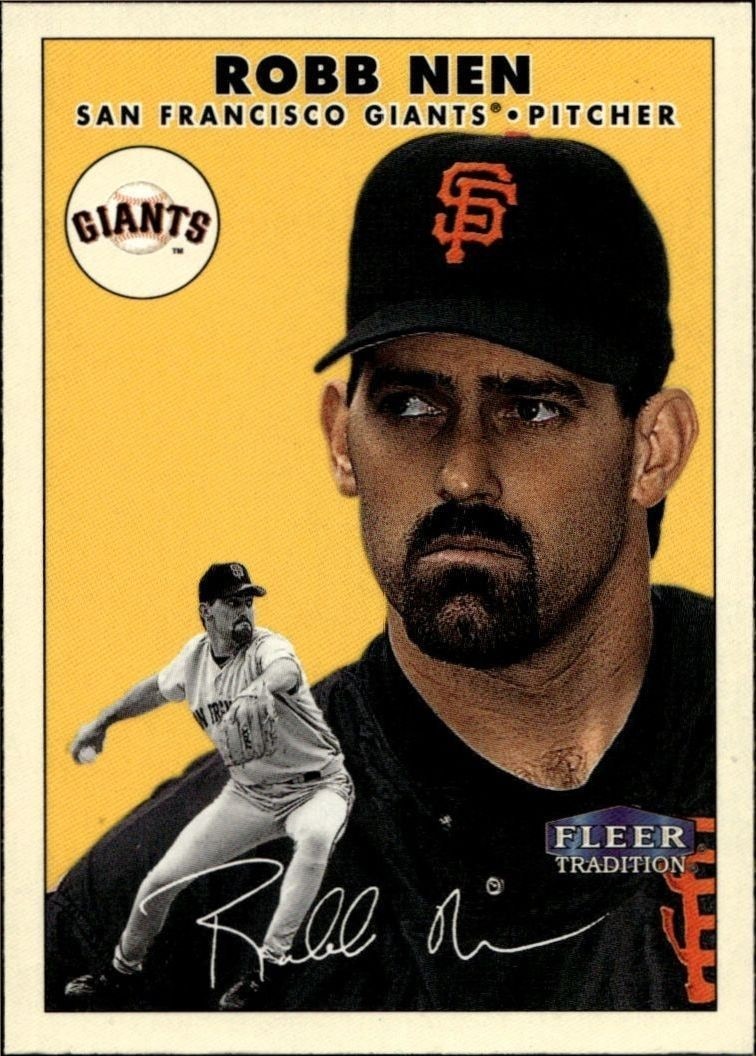
Explore the 1997 Pinnacle Score Robb Nen #266 baseball card, featuring the Florida Marlins star in this classic 1990s trading card release.
1997 • Score
Major League Baseball • Florida Marlins
Near Mint
266
New
Shipping Calculated at Checkout
Arrives in 4-6 daysEstimated delivery October 25, 2026 - October 27, 2026
30-day Returns| Condition | Value | Source | Trend | Price Details |
|---|---|---|---|---|
$0.75 | Guide Estimate | 0% | ||
Raw / Ungraded
PriceCharting Price Guide · Guide Estimate evidence · captured Oct 21, 2026
The 1997 Pinnacle Score Robb Nen #266 card captures a specific moment in baseball history featuring the Florida Marlins. Released during the 1997 season, this trading card is part of the broader Score product line that defined visual standards for sports collectibles in the late 1990s. Collectors often seek this release to complete set runs or to acquire a piece of memorabilia from a significant era for the Marlins franchise. Robb Nen appears as the central subject on card number 266, representing his tenure with Florida during a pivotal time for the organization. For investors and hobbyists alike, cards from this period offer a tangible connection to the sport's past, particularly for teams like the Marlins that were rapidly growing in prominence. When considering the 1997 Pinnacle Score Robb Nen #266, collectors should focus on the card's identity within the series. It serves as a cataloged entry for those tracking player progression or team rosters from the 1997 season. The product stands as a standard example of mass-produced sports cards from the era, valued for its historical context rather than unique design variations. As the market for vintage sports cards continues to evolve, items from 1997 remain relevant for their nostalgic appeal and documentation of the sport. Whether you are building a personal collection of Marlins history or focusing on the Score brand specifically, this card offers a straightforward addition to any portfolio. The consistent design language of the 1997 release makes it easy to identify and place within a broader collection of 1990s baseball cards.
7 hours ago
We'll pre-fill the product details from this catalog entry, so your listing lands on this exact page. Just add photos of your copy, pick its condition, and set your price.
The catalog profile below summarizes the card identity, featured subject, and notable collectible traits.
The subject, team, league, and sport context tied to this card.
Production details and format-specific attributes.
Material
Card Stock
Language
English
Compare prices, grades, photos, and shipping from approved sellers.
New
Near Mint
See how many public collections currently include this card.
0 collectors have this card
This 1997 Pinnacle Score card represents a baseline entry point for Robb Nen collectors, trading at a modest tier relative to his more sought-after rookie or premium parallels. While Nen’s tenure as the Marlins’ closer during their championship run provides inherent interest, this specific base card lacks the condition premiums or scarcity drivers that elevate other issues. Consequently, it trades in line with general market expectations for common vintage baseball cards of this era.
As a standard base card from the 1997 Pinnacle Score set, this item carries no special scarcity attributes such as serial numbering, short-print status, or parallel finishes. The supply is determined by the original print run of the base set, meaning copies are widely available compared to limited-edition variations. Without unique identifiers or restricted production methods, this card remains a common component of the hobby's secondary market inventory.
The investment profile for this card is limited by its status as a non-premium base issue, lacking the rookie-card mechanics or set-positioning that typically drive significant collector demand. While Nen’s historical significance with the Florida Marlins offers a stable, albeit modest, collector base, the absence of rarity features constrains potential appreciation. Long-term value retention is likely dependent on broader vintage baseball market trends rather than card-specific scarcity.