1 / 2
About This Card
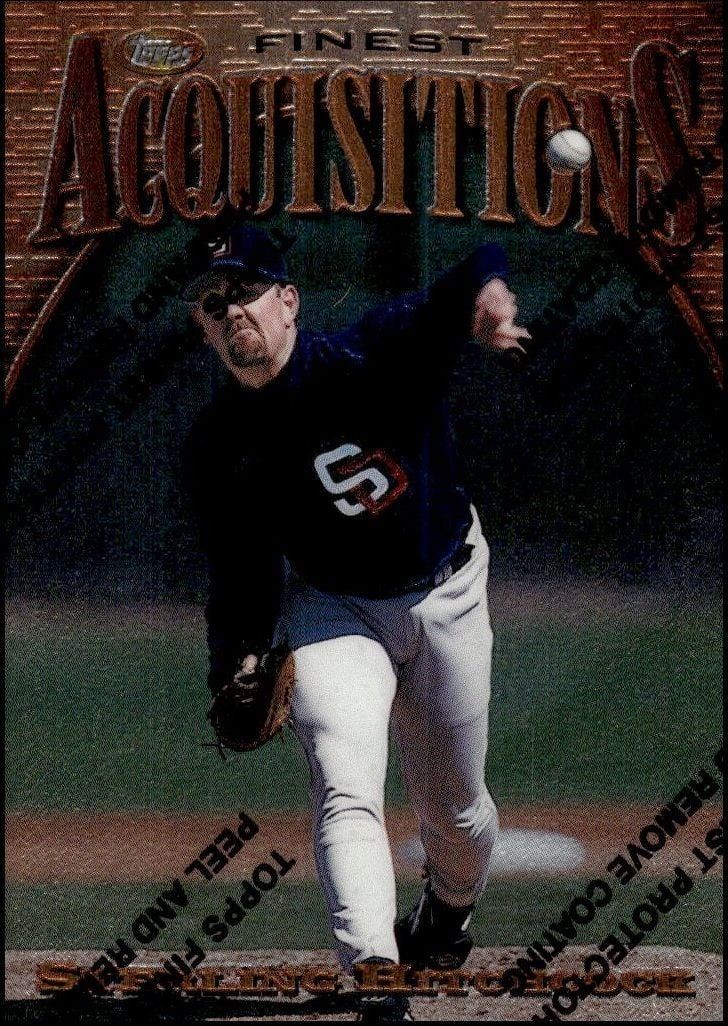
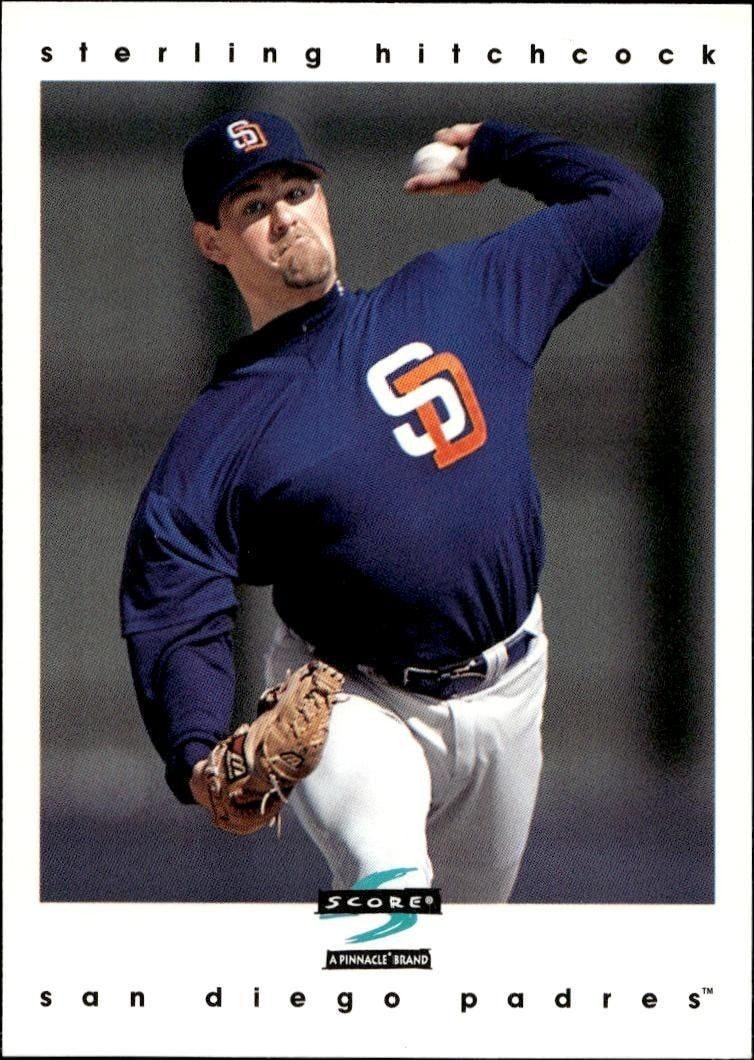
The 1997 Pinnacle Score Sterling Sterling Hitchcock #66 is a vintage baseball trading card featuring Seattle Mariners pitcher Sterling Hitchcock. This card represents a specific entry in the iconic Score set from the late 1990s.
Sterling Hitchcock
1997 • Score
Major League Baseball • Seattle Mariners
Seller Offer
1 available$2.99
Active-Listing Market: $1.49
Updated 11 days ago101% above
Condition
Near Mint
Card Number
66
Loading express checkout
Primary Seller
New
Shipping Calculated at Checkout
Arrives in 4-6 daysEstimated delivery November 14, 2026 - November 16, 2026
30-day ReturnsMarket & Price History
| Condition | Value | Source | Trend | Price Details |
|---|---|---|---|---|
$1.49 | Asking Prices | |||
- $1.49
- Source
- Asking Prices
- Trend
- Price Details
30-day Price History
Raw / Ungraded
eBay Active Listings · Asking Prices evidence · captured Oct 30, 2026
History is building. At least two days of matching observations are needed to show a trend.
Each point is the last stored observation that day for this printing, condition, grader, autograph status and source. Gaps mean no observation; guide estimates and asking prices are not completed sales.Product Overview
Description
The 1997 Pinnacle Score Sterling Sterling Hitchcock #66 baseball card captures a moment from the Seattle Mariners' tenure in Major League Baseball during the late 1990s. As a numbered entry in the 1997 Pinnacle Score set, this card offers collectors a tangible connection to a specific era of MLB history. The Score brand was renowned for its clean design and comprehensive coverage of league rosters, making it a staple for vintage sports card enthusiasts. Sterling Hitchcock's appearance on card #66 highlights his role as a pitcher for the Mariners during the 1997 season. For collectors focused on team-specific sets, this card is an essential component for those building a complete Seattle Mariners collection from the Pinnacle Score series. The card's identity is rooted in its official production by Pinnacle, a manufacturer that produced high-quality trading cards throughout the 1990s. Vintage baseball cards from the 1990s hold a distinct place in the collecting hobby, often serving as entry points for new fans or nostalgic milestones for long-time hobbyists. Owning a card from this release allows collectors to appreciate the design aesthetics and printing standards of the time. Whether you are searching for a specific player to round out your collection or looking to invest in a piece of sports memorabilia, this card provides a focused opportunity. The intersection of team loyalty, player performance, and set completeness drives the appeal of vintage baseball cards. For those interested in the history of the Seattle Mariners or the broader landscape of 1990s baseball trading cards, the 1997 Pinnacle Score Sterling Hitchcock #66 represents a verified and cataloged piece of that narrative. Collectors often seek out cards like this for their historical significance within the set. The Pinnacle Score brand continues to be respected in the hobby for its contributions to baseball card production. This card stands as a representative example of the era's output, offering a direct link to the players and teams that defined baseball in 1997.
Last Listing Activity
11/1/26
Seller Action
Have one of these to sell?
We'll pre-fill the product details from this catalog entry, so your listing lands on this exact page. Just add photos of your copy, pick its condition, and set your price.
Product Specs
Card Details
The catalog profile below summarizes the card identity, featured subject, and notable collectible traits.
Featured Subject
The subject, team, league, and sport context tied to this card.
Print Details
Production details and format-specific attributes.
Material
Card Stock
Language
English
Available Offers
Available Offer for This Card (1)
Compare prices, grades, photos, and shipping from approved sellers.
Featured Offer
New
Condition
Near Mint
Seller PriceShipping Extra
$2.99
Arrives in 4-6 days
Estimated delivery November 14, 2026 - November 16, 2026Collector Ownership
Owned by Collectors
See how many public collections currently include this card.
0 collectors have this card
SuperCatch Expert Analysis
Market Value Insight
As a 1997 Score base card for Sterling Hitchcock, this item sits in the lower tier of the player's market, reflecting its status as a standard parallel within a highly populated set. While it lacks the premium associated with rookie cards or high-grade variations, it serves as an accessible entry point for collectors focusing on the Seattle Mariners' mid-to-late 1990s roster. The absence of special attributes indicates it trades in line with the general bulk market for this era of baseball cards.
Rarity Breakdown
This card is identified as a standard base release without noted serial numbering, short-print designations, or parallel finishes, meaning it carries no inherent scarcity mechanics beyond standard production runs. Consequently, the supply is likely abundant, as base cards from the 1997 Score set were produced in large quantities to meet initial retail demand. Without unique identifiers or limited edition markers, it does not possess the constrained supply characteristics that typically drive rarity premiums in the secondary market.
Investment Outlook
Given its position as a non-rookie base card from a mass-produced set, the investment potential is limited to niche team-specific collecting rather than broad market appreciation. Demand is primarily driven by general baseball memorabilia enthusiasts or those completing specific team subsets, rather than investors seeking high-growth assets. The card's value proposition remains stable but modest, relying on the enduring interest in 1990s baseball aesthetics rather than player career milestones or card scarcity.
AI-Generated Editorial Analysis
FAQ
Frequently Asked Questions
What year was the 1997 Pinnacle Score set released?
The 1997 Pinnacle Score baseball card set was released in 1997. It is part of the long-running Score brand, which has produced trading cards for Major League Baseball for many decades.
Who is Sterling Hitchcock featured on card #66?
Sterling Hitchcock is a former Major League Baseball pitcher who played for the Seattle Mariners. The 1997 Pinnacle Score card #66 features him during his tenure with the Mariners.
Why are 1990s baseball cards popular among collectors?
Cards from the 1990s are popular due to their nostalgic value and the significant growth of the MLB during that era. Collectors often seek out vintage cards to complete team sets or to own pieces of sports history from their youth.