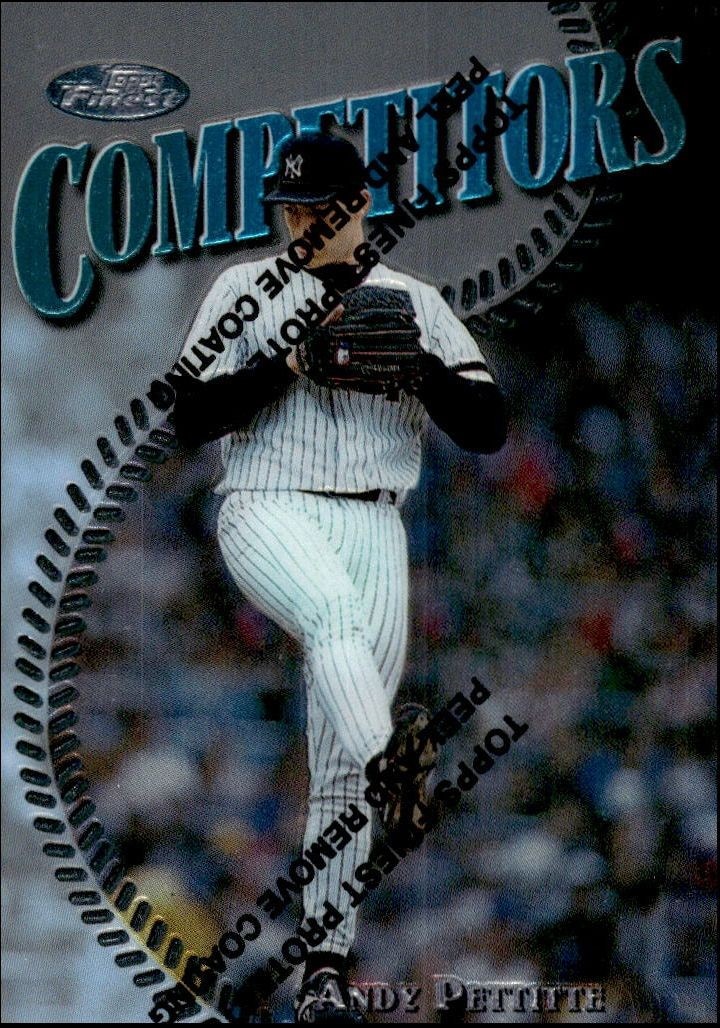


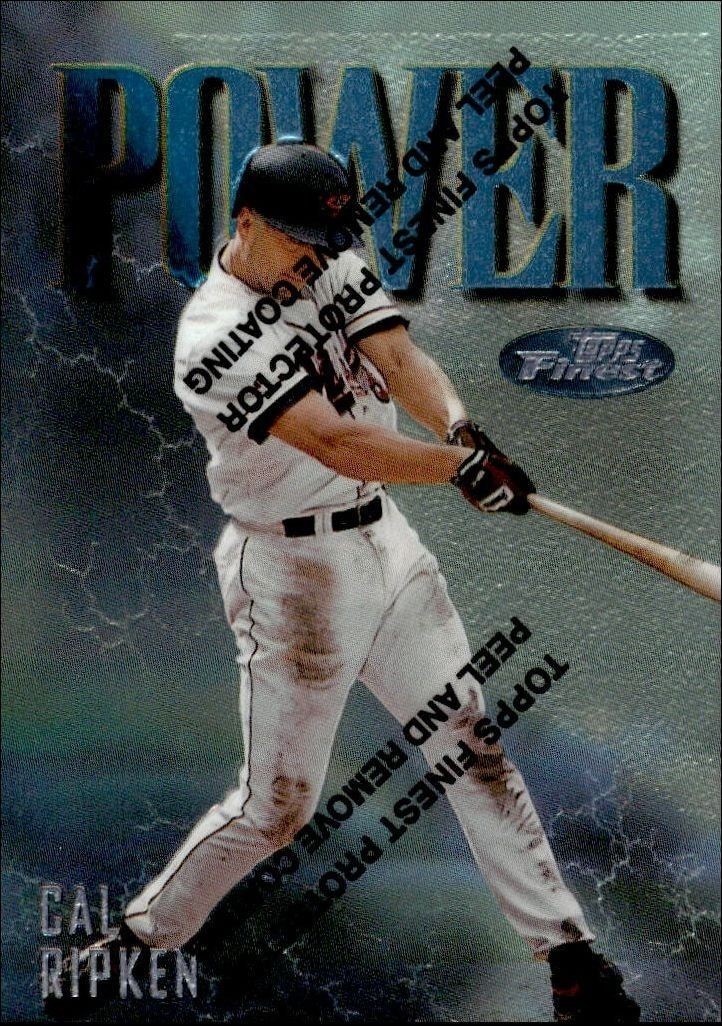
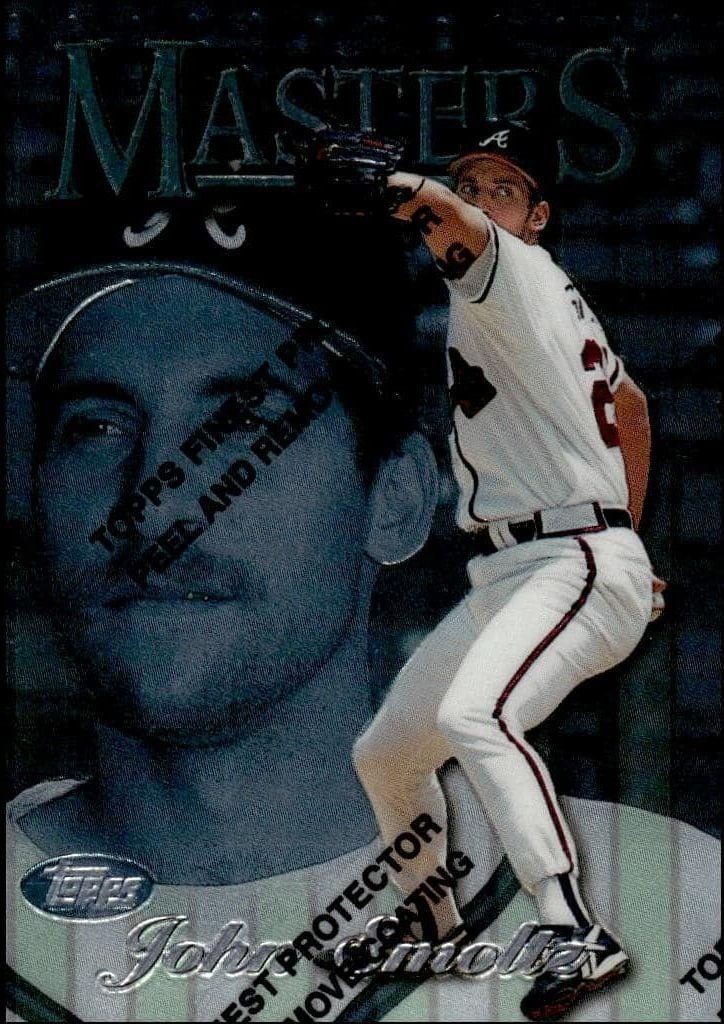
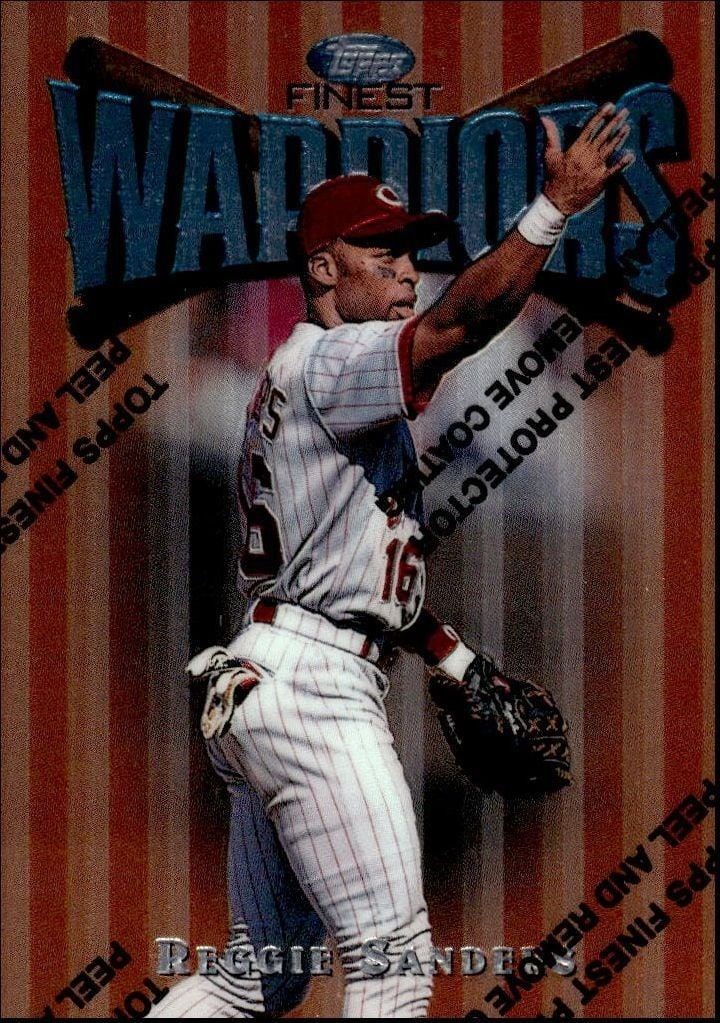
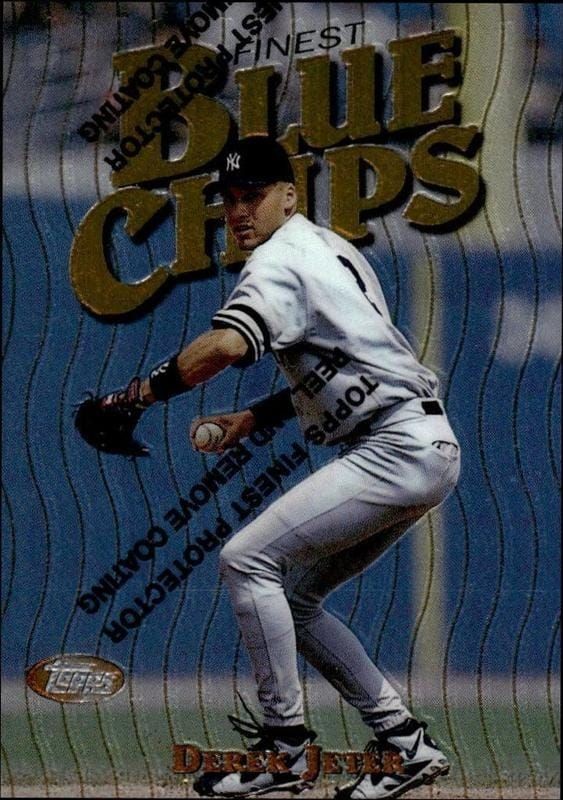


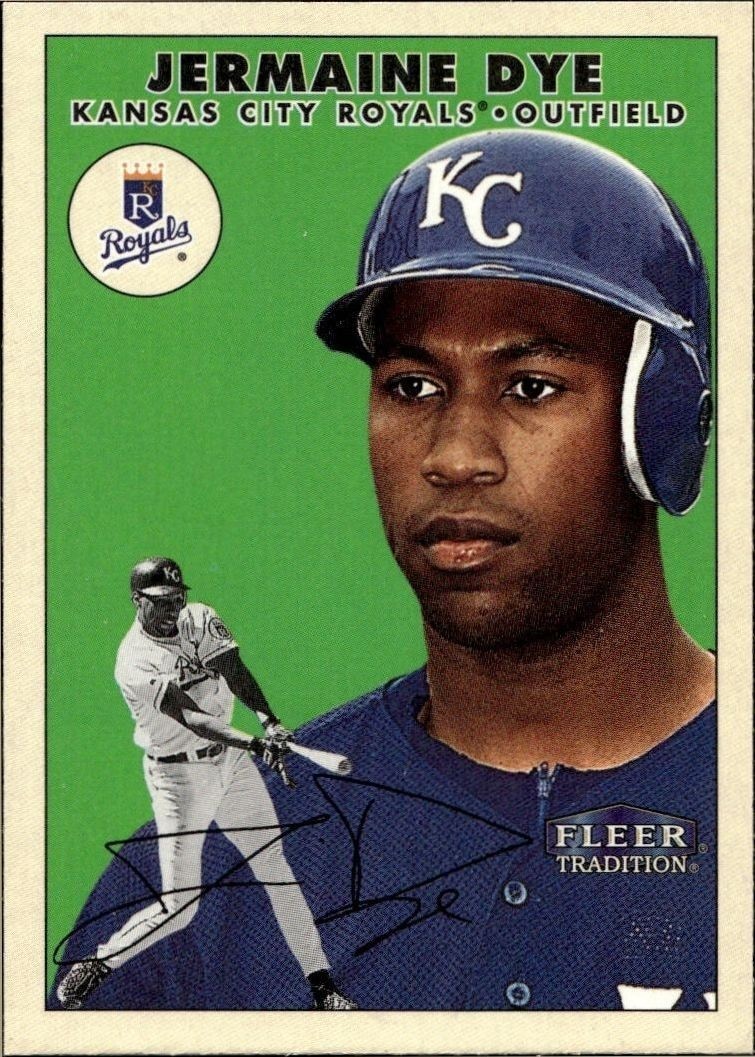
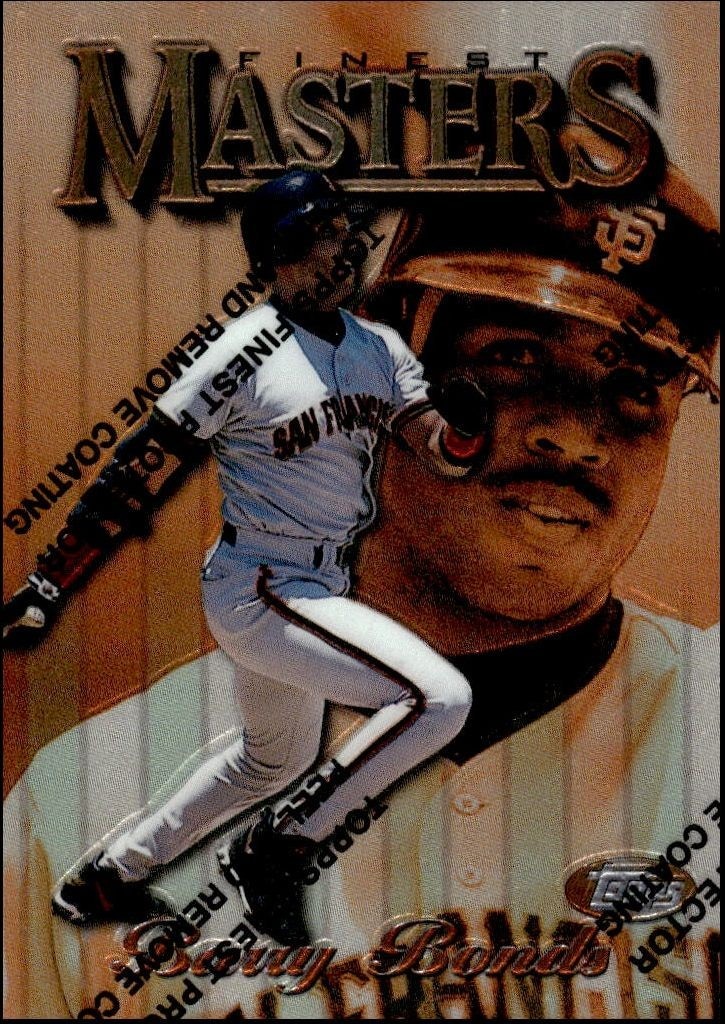
The 1997 Topps Finest Jermaine Dye #16 captures the Atlanta Braves outfielder during a pivotal era in MLB history, offering collectors a distinct piece of 90s baseball memorabilia.
1997 • Topps • Finest
Major League Baseball • Atlanta Braves
Near Mint
16
New
Shipping Calculated at Checkout
30-day Returns| Condition | Value | Source | Trend | Price Details |
|---|---|---|---|---|
$0.99As of 10/4/2026 | Guide Estimate | |||
$8.00As of 10/4/2026 | Guide Estimate | |||
$4.00As of 10/4/2026 | Guide Estimate | |||
$6.39As of 10/4/2026 | Guide Estimate | |||
$4.00As of 10/4/2026 | Guide Estimate | |||
Raw / Ungraded
PriceCharting Price Guide · Guide Estimate evidence · captured Oct 4, 2026
History is building. At least two days of matching observations are needed to show a trend.
Each point is the last stored observation that day for this printing, condition, grader, autograph status and source. Gaps mean no observation; guide estimates and asking prices are not completed sales.Jermaine Dye’s tenure with the Atlanta Braves is a notable chapter in 1990s baseball, and the 1997 Topps Finest series provides a premium context for documenting this period. Card number 16 in this release features Dye during his time in Atlanta, representing a specific moment before his later achievements with other franchises. For collectors focused on the 1990s MLB landscape, this card serves as a tangible link to the Braves' competitive years and Dye's development as a professional athlete. Collectors often seek out these cards to complete base sets or to acquire specific parallels that highlight individual players. The #16 card of Jermaine Dye fits into this broader collecting interest, appealing to those who track player progression through the late 90s. For investors and hobbyists alike, cards from this era are valued for their nostalgia and historical significance. The 1997 Topps Finest Jermaine Dye #16 is a catalog item that represents the intersection of brand prestige, player identity, and era-specific design. It is a staple for those building comprehensive collections of 90s baseball cards or focusing on the careers of prominent outfielders from that decade.
5 days ago
We'll pre-fill the product details from this catalog entry, so your listing lands on this exact page. Just add photos of your copy, pick its condition, and set your price.
The catalog profile below summarizes the card identity, featured subject, and notable collectible traits.
The core identity of the card within the set.
The subject, team, league, and sport context tied to this card.
Production details and format-specific attributes.
Material
Card Stock
Language
English
Compare prices, grades, photos, and shipping from approved sellers.
New
Near Mint
See how many public collections currently include this card.
0 collectors have this card
This 1997 Topps Finest base card of Jermaine Dye sits at the lower end of the market relative to his career output, as it lacks the scarcity drivers that typically elevate price tiers. While Dye achieved significant success later in his career, particularly with the White Sox, this early Braves issue represents a transitional phase for the player. Without special attributes, the card trades at a modest premium over raw market averages, appealing primarily to collectors seeking affordable entry points into his set.
The card carries no special rarity attributes, identifying it as a standard base issue within the 1997 Topps Finest set. This means it does not benefit from serial numbering, short-print status, or parallel variations that would constrain supply or create collector competition. Consequently, the supply remains abundant compared to the refractor or silver parallels found in the same set.
As a non-rookie base card, this item lacks the rookie-card premium mechanics that typically drive long-term value appreciation for emerging stars. The Finest series is known for its refractors and parallel variants, which tend to capture collector demand and liquidity more effectively than base cards. Investment potential is limited by the lack of unique scarcity, making it more suitable for casual collection rather than speculative holding.