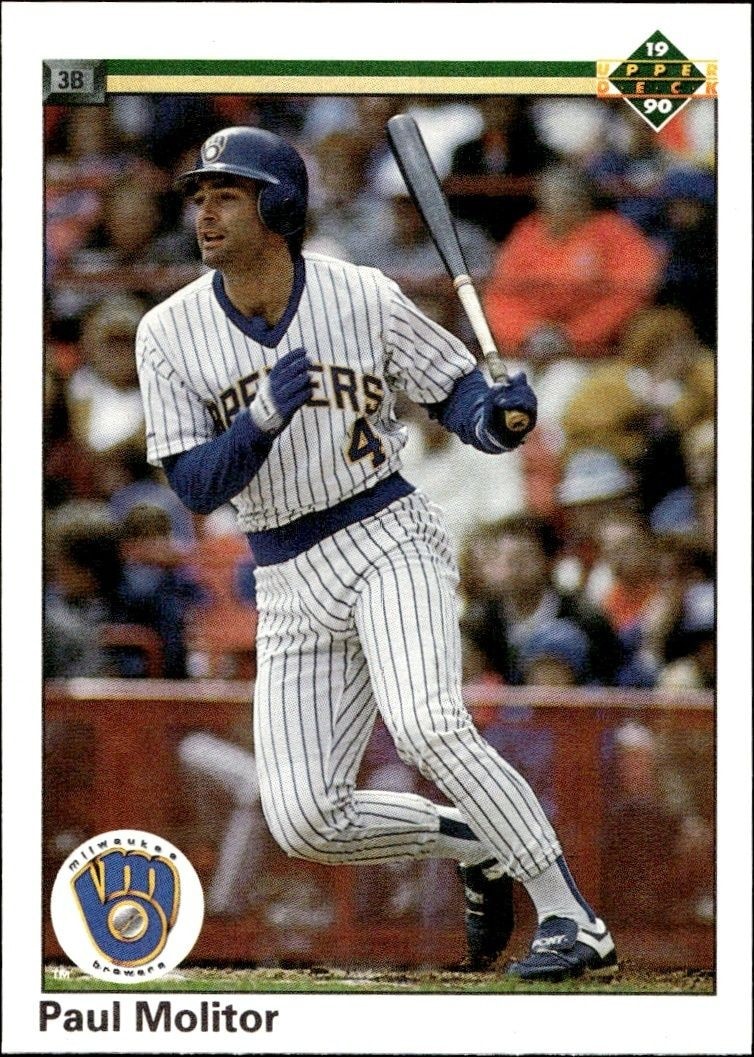




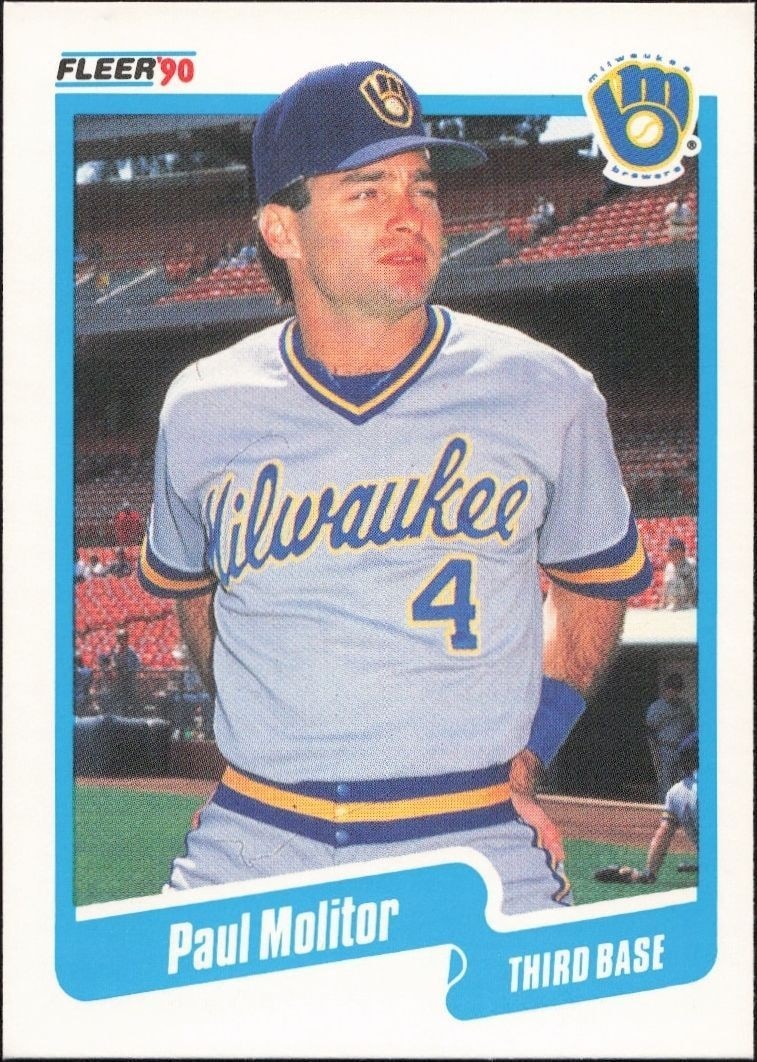
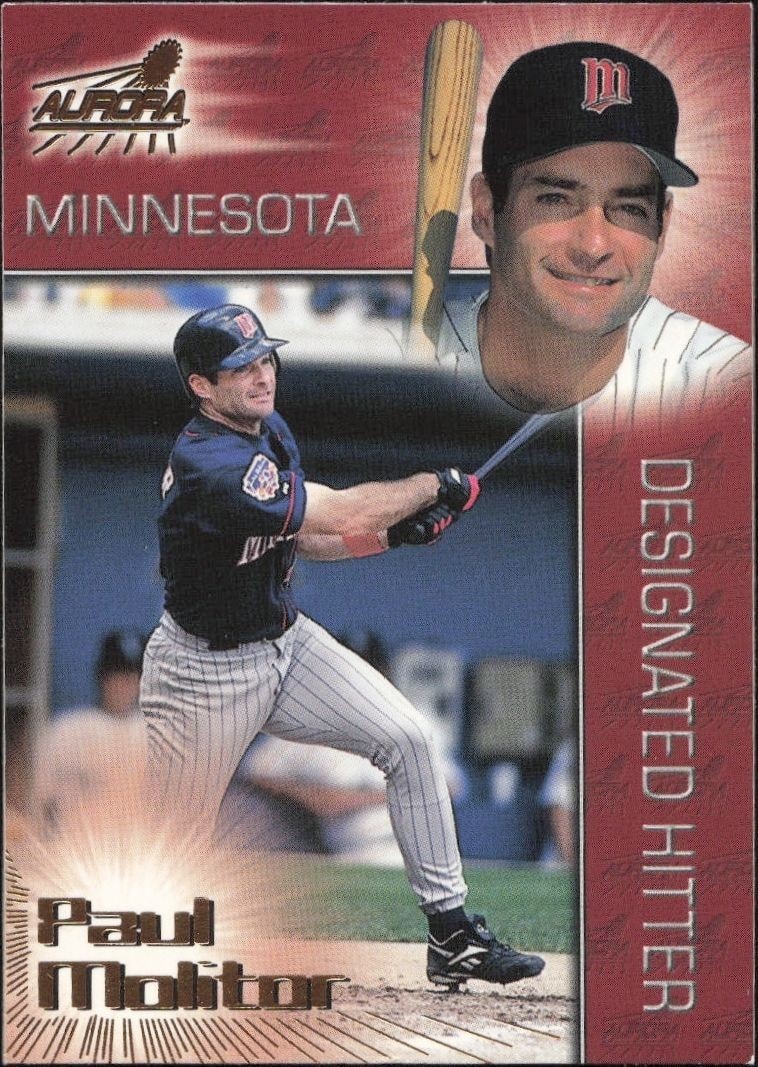


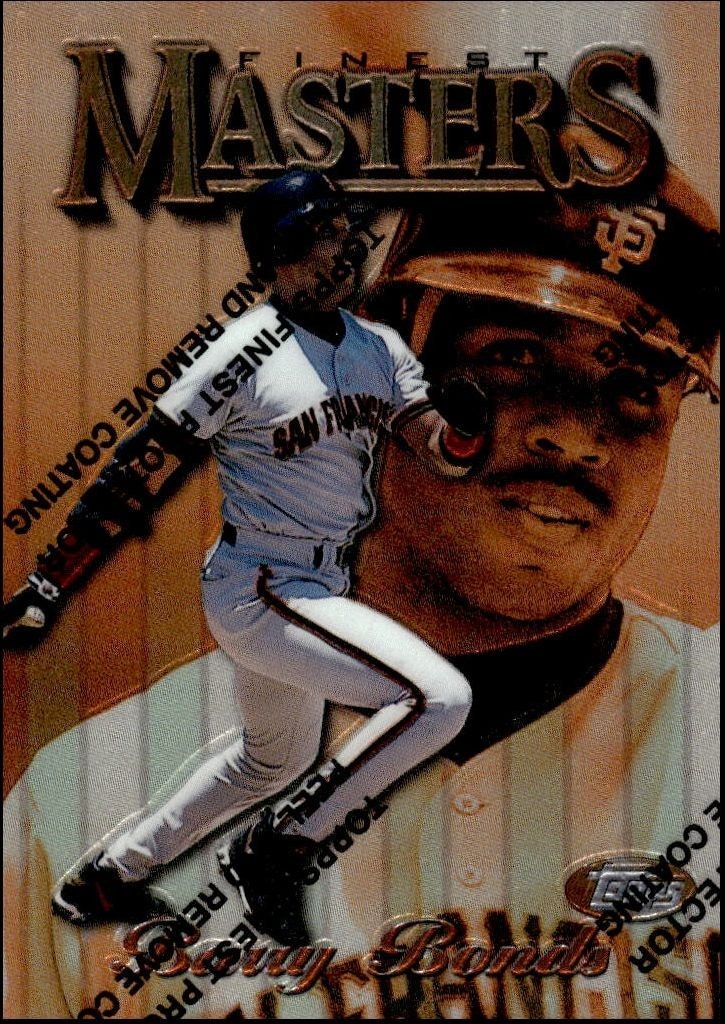
The 1997 Topps Finest Paul Molitor #181 is a notable vintage baseball card featuring the Minnesota Twins Hall of Famer. This release captures Molitor's career during his final Major League seasons with a distinctive refractor finish typical of the Finest series.
1997 • Topps • Finest
Major League Baseball • Minnesota Twins
Near Mint
181
New
Shipping Calculated at Checkout
This seller is away until 10/19/2026 — orders are still accepted and ship after they return.30-day Returns| Condition | Value | Source | Trend | Price Details |
|---|---|---|---|---|
$0.99 | Guide Estimate | 0% | ||
$2.99As of 9/15/2026 | Completed Sales | |||
$32.00 | Guide Estimate | 0% | ||
$15.00 | Guide Estimate | 0% | ||
$24.99 | Guide Estimate | 0% | ||
$15.00 | Guide Estimate | 0% | ||
Raw / Ungraded
PriceCharting Price Guide · Guide Estimate evidence · captured Oct 15, 2026
The Paul Molitor #181 card highlights the Hall of Fame third baseman during his tenure with the Minnesota Twins, a team he helped define throughout the 1990s. Molitor’s career longevity and consistency make him a perennial favorite among fans and investors alike, and this release remains a key component for those building comprehensive collections of his career. These variations are highly sought after by specialty collectors who focus on the unique visual appeal and rarity of the Finest parallels. Even the base version carries the prestige associated with the brand, serving as a foundational piece for set builders. As part of the 1997 Topps Finest collection, this card represents a significant moment in baseball history, documenting Molitor’s continued excellence on the diamond. The card’s design reflects the aesthetic trends of late 1990s sports card manufacturing, emphasizing bold graphics and high-contrast imagery. For enthusiasts of Minnesota Twins history or those tracking Molitor’s Hall of Fame trajectory, this card offers a tangible connection to his final years in the major leagues. Whether you are completing a set of the 1997 Finest series or adding a key vintage card to your portfolio, this release provides a substantial and respected addition to any collection. By focusing on the identity and historical context of cards like the 1997 Topps Finest Paul Molitor #181, collectors can make informed decisions about their acquisitions. The enduring appeal of Molitor’s career ensures that this card remains relevant in the secondary market, appealing to both nostalgic fans and serious investors in sports memorabilia.
1 day ago
We'll pre-fill the product details from this catalog entry, so your listing lands on this exact page. Just add photos of your copy, pick its condition, and set your price.
The catalog profile below summarizes the card identity, featured subject, and notable collectible traits.
The core identity of the card within the set.
The subject, team, league, and sport context tied to this card.
Production details and format-specific attributes.
Material
Card Stock
Language
English
Compare prices, grades, photos, and shipping from approved sellers.
New
Near Mint
See how many public collections currently include this card.
0 collectors have this card
This 1997 Topps Finest Paul Molitor card trades at a modest price tier, reflecting its status as a common base card within a highly regarded refractive set. While Molitor remains a respected Hall of Fame caliber figure, the lack of special attributes or parallels limits this specific slab's value to a low-entry point. It serves primarily as an affordable example of the set's aesthetic rather than a high-value investment piece.
The card carries no scarcity mechanics, as it is identified as a standard base issue without serial numbering, short-print status, or parallel variations. This mass-produced nature means the supply is effectively unlimited relative to collector demand, preventing any premium based on rarity. Without unique identifiers, it sits at the bottom of the set's hierarchy in terms of exclusivity.
As a non-rookie, non-premium card from a vintage set, the investment outlook is limited to modest appreciation driven by general nostalgia for 1990s baseball aesthetics. Collector demand is likely restricted to those building complete base sets rather than seeking high-grade key cards. Long-term value growth is expected to be minimal compared to rookie cards or special inserts of the same player.